Muhammad Hassan
Bio
Muhammad Hassan | Content writer with 2 years of experience crafting engaging articles on world news, current affairs, and trending topics. I simplify complex stories to keep readers informed and connected.
Stories (466)
Filter by community
One of Russia's Last 'Old Believers' Still Lives in Siberia. AI-Generated.
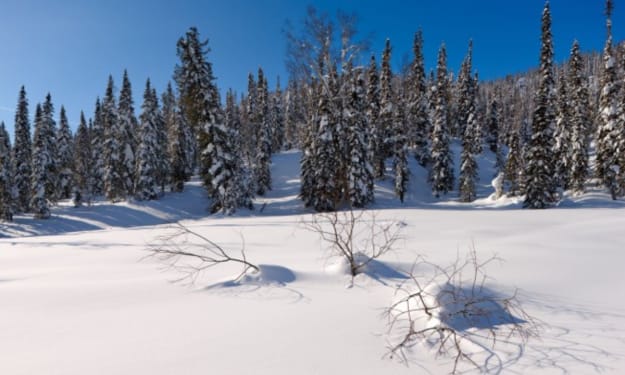
Deep in the vast, frozen expanse of Siberia, where snow stretches for miles and the nearest town is hours away by rickety roads, a remarkable story of faith and tradition quietly persists. In this isolated landscape, one of Russia's last surviving 'Old Believers' continues to live in a way that has changed little over centuries, preserving religious rituals, customs, and a unique worldview that stands apart from modern Russian life. The 'Old Believers', or старообрядцы (staroobryadtsy), split from the Russian Orthodox Church in the mid-17th century during reforms introduced by Patriarch Nikon. Rejecting changes in liturgy, ritual, and church hierarchy, they faced centuries of persecution, exile, and marginalization. Today, only a handful remain, mostly in isolated villages like this Siberian enclave, where tradition survives against all odds. Who Are the Old Believers? The Old Believers emerged in 1650s Russia as part of a resistance movement against the liturgical reforms of Patriarch Nikon. They rejected the standardization of prayers, rituals, and church practices, insisting that the “old ways” were sacred and unchangeable. For centuries, the Russian state and Orthodox Church persecuted them. Many fled to remote regions of Russia, including Siberia, the Russian Far East, and even parts of Alaska when it was Russian territory. Their communities became known for self-sufficiency, deep faith, and strict adherence to tradition. Even today, Old Believers are recognized by their distinctive attire, two-fingered crosses, and unique liturgical practices, which remain largely unchanged for over 350 years. A Life Preserved in Isolation The last few Old Believers living in Siberia lead lives that seem frozen in time. Villages are small and often inaccessible in winter, with residents relying on farming, hunting, and handcrafts for survival. Technology and modern conveniences are minimal; electricity and internet may reach some homes, but daily life revolves around the church, family, and the natural rhythms of the land. One Siberian villager, among the very last of his kind, continues to celebrate traditional festivals, maintain the old liturgical calendar, and teach his children prayers in Church Slavonic, a language nearly extinct in other parts of Russia. His home is filled with handmade icons, wooden crosses, and religious texts, many passed down for generations. Isolation has allowed Old Believers to preserve their beliefs intact, but it has also made life extremely challenging. Long winters, harsh landscapes, and limited access to medical care are daily realities. Yet these communities endure, held together by faith, family ties, and a profound respect for history. Why Siberia? Siberia’s harsh climate and remoteness have historically made it a refuge for those fleeing persecution. During the 17th and 18th centuries, the Russian Empire exiled dissenters, religious minorities, and political rebels to Siberia, believing that the harsh conditions would prevent them from influencing others. For the Old Believers, Siberia became not just a place of exile but a sanctuary. Here, far from the centralized control of the church and state, they could practice their faith freely. Even today, the geography continues to serve as a natural buffer, allowing remaining Old Believers to live according to ancient rituals and traditions largely undisturbed. Challenges of Modern Life Despite their seclusion, the last Old Believers face new pressures. Younger generations are increasingly tempted by urban life, education, and the internet. Migration to cities like Irkutsk or Novosibirsk means fewer young people remain in the villages, threatening the continuity of Old Believer culture. Furthermore, government modernization programs, infrastructure development, and global economic pressures have introduced modern conveniences that subtly erode traditional practices. While some embrace selective modernity — using tractors, mobile phones, or solar panels — the core religious and cultural rituals remain fiercely protected. The question many scholars and observers ask is whether these last communities can survive the 21st century intact, or whether globalization will eventually absorb them into mainstream Russian life. The Spiritual and Cultural Significance The remaining Old Believers are more than a curiosity; they are a living link to Russia’s religious history. Their existence provides insight into resistance, resilience, and the preservation of cultural identity. For historians, anthropologists, and religious scholars, these communities are invaluable. They demonstrate how faith can shape daily life, social structures, and even survival strategies in extreme environments. Their rituals, attire, and liturgy offer a unique perspective on pre-modern Russia, acting as a window into centuries-old spiritual practices. Lessons from the Last Old Believers The life of Siberia’s last Old Believers teaches several lessons: Faith and Tradition Endure: Even in the face of persecution, isolation, and modernization, cultural and religious identity can persist. Community Is Essential: Tight-knit families and communal practices help sustain traditions that might otherwise disappear. Balance Between Preservation and Adaptation: While embracing some modern tools, Old Believers maintain the core of their practices, demonstrating how selective adaptation can support cultural survival. Their story also challenges outsiders to reflect on the meaning of progress. In a world increasingly defined by technology and urbanization, the Old Believers remind us that there is value in slower, deliberate, and spiritually centered ways of life. A Fragile Future Today, with only a handful of Old Believers left in Siberia, the community is at a crossroads. Their survival depends on passing knowledge, traditions, and faith to the next generation, who may have the option to leave for the cities or even abroad. The Siberian landscape that once provided refuge may now feel isolating to younger members, but for those who remain, it is a sacred environment intertwined with belief and identity. In essence, the last Old Believers are not just preserving rituals; they are guardians of a centuries-old way of life that continues to defy time and modern pressures. Final Thoughts The story of Siberia’s last Old Believers is one of resilience, faith, and quiet defiance. They remind us that culture and religion can survive extreme adversity, and that in the most remote corners of the world, history continues to live through people’s daily lives. While the future remains uncertain, the existence of these last practitioners offers a profound testament to human endurance and the power of belief. In a rapidly changing world, the Old Believers’ commitment to their traditions shows that some values are not measured by speed or convenience but by steadfastness, patience, and devotion. Siberia, with its vast forests, frozen rivers, and endless skies, continues to harbor a story that spans centuries — and in the life of one of its last Old Believers, we see a bridge connecting Russia’s past to its uncertain but enduring present.
By Muhammad Hassan8 days ago in Earth
Saudi Arabia to Scale Back Flagship NEOM Project. AI-Generated.
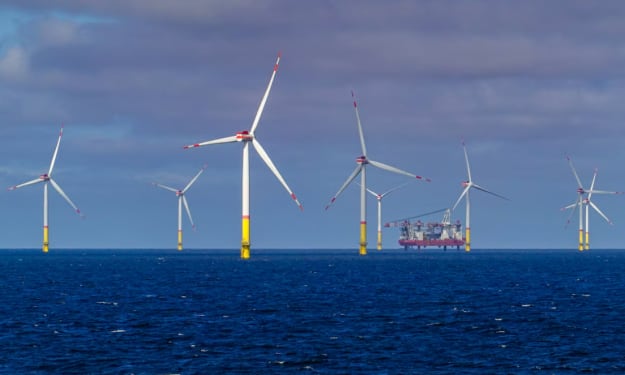
In 2017, Saudi Arabia unveiled NEOM, a futuristic megaproject designed to redefine urban living. Promoted as the crown jewel of Vision 2030, the initiative promised smart cities, high-tech hubs, luxury resorts, and innovations such as The Line, a 170-kilometer car-free city stretching across the desert. It was a bold statement: Saudi Arabia was not just aiming to diversify its economy away from oil, but to become a global hub for innovation and sustainable living. Fast forward to 2026, and reports indicate that the kingdom is scaling back NEOM, shrinking or redesigning key elements of the project in response to soaring costs, delays, and shifting economic priorities. The changes reflect a new era of pragmatism, where even the most ambitious visions must contend with real-world constraints. The Vision That Captivated the World When first announced, NEOM was unlike anything ever attempted. Spanning an area roughly the size of Belgium along Saudi Arabia’s Red Sea coast, it promised futuristic infrastructure, carbon-neutral energy, and technology-driven cities. The centerpiece, The Line, was envisioned as a skyscraper-like linear city housing millions of residents, where self-driving transportation and vertical living would revolutionize urban life. Investors and analysts around the world marveled at NEOM’s ambition. It was not just a city; it was a symbol of Saudi Arabia’s intent to redefine its global image and economic future. (newarab.com) Why NEOM Is Being Scaled Back Recent reports reveal that Saudi officials are dramatically downsizing NEOM and revising timelines for major components like The Line. Multiple factors are driving this change: Escalating Costs and Budget Pressures The NEOM project has experienced billions in cost overruns, making it one of the most expensive development projects in the world. The ambitious design and technological requirements placed enormous strain on the kingdom’s finances. Economic Reality and Oil Revenue Fluctuations Oil remains the backbone of Saudi Arabia’s economy, and fluctuating global oil prices affect government revenue. With other high-profile projects like Expo 2030 and preparations for the 2034 FIFA World Cup, NEOM faces stiff competition for limited public funds. Project Delays and Logistical Challenges Building a city of this scale in a desert environment, incorporating cutting-edge technology, and ensuring sustainability has proven extremely difficult. Delays and technical obstacles have forced planners to rethink the original timeline. Shift Toward Feasible Investments Saudi Arabia is recalibrating NEOM to focus on areas with immediate economic or strategic value, including tech hubs, renewable energy, and industrial zones, while deprioritizing some of the more visionary, but less achievable, elements. What’s Changing in NEOM The most visible changes affect The Line, which will no longer be built in its originally envisioned 170-kilometer stretch. Sources suggest planners are downsizing or breaking it into manageable segments, focusing on areas already under development. Other projects within NEOM are also being reshaped: Trojena ski resort, originally slated to host the 2029 Asian Winter Games, will be downsized and no longer serve as the main venue. Industrial hubs like Oxagon may see slower development, with priority given to sectors like renewable energy and digital innovation. These adjustments demonstrate a shift from visionary ambition to practical implementation, aiming for sustainable progress rather than headline-grabbing statements. (ft.com) Leadership Changes and Strategic Realignment Leadership at NEOM has also evolved. Longtime CEO Nadhmi al-Nasr stepped down, replaced by Aiman al-Mudaifer, signaling a new phase for the project. Analysts suggest that the new management is focused on streamlining operations, cutting unnecessary costs, and delivering tangible results in line with national economic priorities. Population projections for The Line have also been revised downward, reflecting a more realistic approach to urban planning in the desert environment. While still ambitious, NEOM’s scaled-back vision emphasizes financial feasibility and long-term sustainability. Why NEOM Still Matters Scaling back NEOM does not mean abandoning Saudi Arabia’s economic transformation goals. Instead, it reflects a pragmatic approach to megaproject development. Core elements of NEOM, such as green hydrogen production, renewable energy infrastructure, and technology hubs, continue to move forward. These areas align with Saudi Arabia’s broader vision of becoming a global center for innovation, balancing technological advancement with financial discipline. NEOM remains a symbol of the kingdom’s aspirations — just one that is evolving in a way that matches economic realities. Lessons from NEOM’s Redesign The NEOM adjustments highlight several key lessons: Even the most ambitious projects require realistic planning and budgeting. Vision alone cannot sustain a megaproject. Economic and geopolitical conditions influence development priorities. Saudi Arabia’s global investments must balance multiple demands. Innovation and sustainability must align with feasibility. Focusing on sectors that generate returns or strategic value is crucial for long-term success. In essence, NEOM’s evolution demonstrates that grand visions can coexist with pragmatic management, ensuring that even if some elements are scaled back, the project continues to shape Saudi Arabia’s future. Final Thoughts NEOM was always more than a city; it was a statement about Saudi Arabia’s future and global ambitions. While the project is being scaled back, this does not signal failure — it reflects a strategic realignment in the face of financial, logistical, and global pressures. The kingdom is proving that bold ideas can be adapted and implemented responsibly, focusing on sustainability and tangible progress. NEOM’s future, though less grandiose than originally envisioned, still promises to be a cornerstone of Saudi Arabia’s Vision 2030, blending innovation with practicality in pursuit of a modernized economy and global prominence. Saudi Arabia is learning that even dreams must evolve to survive, and NEOM’s recalibration may ultimately make the megacity stronger, smarter, and more sustainable than its initial blueprint suggested.
By Muhammad Hassan8 days ago in The Swamp
The European Summit That Will Really Wind Up Trump. AI-Generated.
In the world of international politics, few events are designed to send messages as clearly as Europe’s latest summit. The European summit held earlier this month has attracted global attention — not just for its policy discussions, but for the way it is reshaping perceptions of U.S. leadership and, in particular, former President Donald Trump. While Trump remains a powerful figure in American politics, this summit has showcased Europe’s ability to coordinate on issues where his approach may seem at odds with longstanding alliances, sparking commentary and debate across news outlets, social media, and political circles worldwide. What the European Summit Is About The summit, attended by leaders from the European Union, NATO member states, and other strategic partners, focused on several pressing issues: Collective defense and NATO coordination, especially in light of ongoing tensions in Eastern Europe Energy security, following recent disruptions and price volatility Climate commitments, as Europe works to meet emission reduction targets Trade policies and economic resilience, particularly in a post-pandemic and post-inflation context While these topics might seem routine for an EU summit, the decisions and statements coming out of the meeting directly challenge the positions Trump often championed during his presidency, including skepticism toward NATO, confrontational trade policies, and a more unilateral U.S.-centric approach. Why This Summit Is Ruffling Trump’s Feathers Trump has long prided himself on his “America First” stance, which often positioned the U.S. against traditional allies when it came to defense spending, trade agreements, and global cooperation. This summit, however, is highlighting European cohesion and assertiveness in ways that stand in stark contrast to that philosophy. Analysts point out several reasons why the summit might be particularly frustrating for Trump: Unified Stance Against Russian Influence The summit emphasized coordinated defense and energy strategies to counter Russia’s influence in Europe. Trump, during his presidency, was often criticized for appearing conciliatory toward Russian interests, which makes Europe’s firm stance a clear rebuke to his approach. Economic Autonomy and Trade Deals Leaders discussed strategies to reduce dependency on U.S. supply chains for critical technologies and energy. This shows a shift toward European self-reliance in ways that contrast with Trump’s trade-focused America First policies. Climate and Green Energy Commitments The summit also reinforced Europe’s commitment to green energy investments and climate targets. Trump, known for rolling back environmental regulations during his administration, has often been at odds with global climate initiatives, making Europe’s proactive stance another point of contention. Public and Media Reactions Across the Atlantic, American media and political commentators have seized on the summit’s outcomes. Headlines are framing it as a strategic move by Europe to assert independence, while simultaneously casting a shadow on Trump’s record and rhetoric. Social media, predictably, has amplified the conversation. Memes and posts highlight Trump’s past skepticism of alliances and climate policies, contrasting them with Europe’s unified actions. Pundits argue that the summit demonstrates what a post-Trump foreign policy might look like in practice, even as he remains a prominent political figure. Why Europe Is Doing This Now Europe’s timing is strategic. With ongoing global challenges — from inflation and energy volatility to security threats in Eastern Europe — presenting a cohesive front strengthens Europe’s bargaining position globally. By sending a clear message about unity and long-term planning, European leaders are not just addressing immediate concerns; they are signaling to the world, including U.S. political figures like Trump, that Europe is capable of acting decisively, independently, and in alignment with long-term strategic interests. Implications for Trump’s Political Influence While Trump still has a significant base and influence over the Republican Party, summits like this have symbolic power. They: Contrast Europe’s collaborative approach with Trump’s unilateral style, highlighting potential shortcomings in his leadership philosophy Shift the narrative on international cooperation, potentially affecting how Trump’s foreign policy proposals are perceived by the public and political analysts Demonstrate the evolving nature of global leadership, showing that key international players can act without deference to past U.S. policies In short, the summit serves as both a practical geopolitical meeting and a subtle political message to Trump and his supporters. The Bigger Picture This summit isn’t just about Trump; it reflects broader trends in global politics: Rising European assertiveness: Europe is increasingly willing to lead on defense, trade, and climate policy without waiting for U.S. approval Global multipolarity: Nations are diversifying partnerships and strategies, reducing reliance on any single superpower Symbolic diplomacy matters: Summits are as much about optics as policy, shaping narratives in ways that resonate politically around the world For Trump, these trends pose challenges not only to his foreign policy record but also to the messaging he uses domestically about U.S. strength and influence. Conclusion: More Than Just a Summit The European summit may appear to some as just another routine diplomatic meeting, but in reality, it sends a strong signal to Trump and the wider world. By emphasizing cohesion, proactive planning, and independence, European leaders are highlighting policies and approaches that stand in contrast to Trump’s “America First” philosophy. Whether Trump sees this as a political challenge, a point of criticism, or simply the way global politics evolves, the summit has already sparked conversations that are reshaping the discourse around U.S.-Europe relations. In the end, this summit is a reminder that international gatherings are never just about policy papers or speeches — they’re about influence, messaging, and shaping the future narrative of leadership on the world stage. And in this case, it’s clear that Europe’s message is loud, coordinated, and — for Trump — hard to ignore.
By Muhammad Hassan8 days ago in The Swamp
Iran Is Selling More Oil but Making Less Money. AI-Generated.
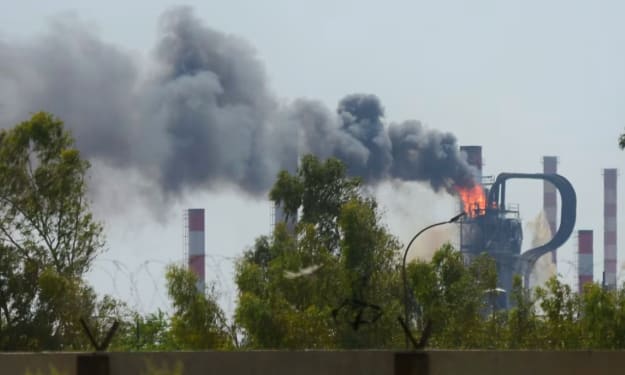
In an unusual twist for one of the world’s largest oil-producing nations, Iran is exporting more crude oil than it has in years — yet its oil revenues are falling instead of rising. At first glance, this seems contradictory: how can selling more of a valuable commodity generate less money? The answer lies in a complex combination of sanctions, market dynamics, discount sales, and geopolitical realities. Despite reports that Iran’s oil exports — particularly to China — have reached levels not seen since before the 2010s, the country is earning far less than expected. This economic paradox reflects how the global energy market can work against even the biggest oil producers under certain conditions. How Iran Is Increasing Oil Exports In 2025, Iran saw a significant increase in oil exports. Analysts report that shipments climbed back toward levels not seen in nearly a decade, largely by relying on covert shipping networks and intermediaries. These methods allow Iran to bypass some international sanctions and keep crude flowing to buyers. Most of this oil is shipped to China, often through informal channels that involve turning off tracking systems, transferring oil ship-to-ship, and using private buyers outside of formal markets. This “shadow fleet” allows Iran to maintain export volumes even when official sales are restricted. Despite these logistical challenges, Iran now exports millions of barrels per day, compared with much lower figures during periods of tight sanctions in the early 2020s. Why Exporting More Oil Doesn’t Mean More Revenue Selling more oil would normally mean more revenue, but several factors are keeping profits low for Iran: 1. Deep Discounts on Iranian Crude Because Iran cannot rely on official export channels, it is forced to sell oil at steep discounts. Chinese buyers, for example, often purchase Iranian barrels $6–$10 below global market prices. While this keeps exports flowing, it significantly reduces profits. 2. Extra Costs Due to Sanctions Operating outside legal channels comes with high costs. Moving oil covertly involves additional expenses for logistics, insurance, and intermediary services. These “shadow market” costs cut into Iran’s earnings, meaning more exports don’t translate into more cash. 3. Falling Global Oil Prices Global crude prices dropped in late 2025 and early 2026 due to oversupply and lower demand. When world prices fall, countries like Iran — already selling at discounts — suffer even more, further reducing revenue. 4. Currency Devaluation Iran’s domestic currency, the rial, has continued to weaken. When oil earnings are converted into local currency, the value received is much lower than expected. Combined with high inflation, this leaves the government and citizens with less real purchasing power. China’s Role in Iran’s Oil Paradox China has become Iran’s largest and most important oil buyer. Roughly 80–90% of Iranian exports are destined for Chinese refineries, many operating outside official global channels. While this relationship keeps Iran’s oil flowing, it also creates a reliance on a single major customer. China benefits from discounted oil, while Iran earns less revenue and has less bargaining power. Meanwhile, competition from other discounted producers like Russia further depresses prices, exacerbating the revenue shortfall. The Economic Impact on Iran Despite higher exports, the lack of revenue growth has serious consequences for Iran’s economy: Government budget shortfalls, since oil revenue makes up a large portion of public spending Inflation and a weak currency, reducing purchasing power for ordinary citizens Rising public dissatisfaction, with protests and economic grievances surfacing due to stagnant income and reduced services The paradox of more exports but less income highlights how sanctions, global market conditions, and domestic economic challenges interact in complex ways. Sanctions and the Shadow Fleet The reason behind Iran’s low profits is deeply tied to international sanctions. These sanctions, particularly those reimposed after the U.S. exited the 2015 nuclear deal, prevent Iran from selling oil through conventional banking and trading channels. To bypass restrictions, Iran relies on a shadow fleet, including covert tankers and private intermediaries. While this keeps oil flowing, it comes at a high cost and keeps Iran outside mainstream markets, preventing the country from earning full market value. In short, Iran is trading profitability for survival, ensuring exports continue while accepting lower revenue. Can Iran Turn This Around? Experts disagree on whether Iran can reverse this trend. Potential solutions include: Sanctions relief or renewed diplomatic agreements, which could allow Iran to access legitimate markets and sell oil at full price Diversifying export markets, reducing dependence on China Investing in domestic infrastructure, improving efficiency and reducing costs for shipping and production However, geopolitical uncertainty, competition from other producers, and internal economic challenges make a full recovery uncertain. Final Thoughts Iran’s oil industry demonstrates that more isn’t always better. Selling higher volumes does not guarantee higher profits, especially when sanctions, discounts, and global market forces are in play. The country’s paradox — exporting more oil but making less money — highlights the delicate balance between geopolitics, economics, and global energy markets. While oil remains Iran’s most important economic asset, the combination of sanctions, low prices, and extra costs continues to challenge the government and citizens alike. For the international community, this situation is a reminder that market access and pricing power are just as important as production volumes. For Iran, it’s a tough lesson in how exporting more can sometimes mean earning less.
By Muhammad Hassan8 days ago in The Swamp
Arlington Restaurants Offer Snow Day Specials During Winter Storm. AI-Generated.
Arlington residents woke up to a winter wonderland recently as a major winter storm swept across the area, leaving snow-covered streets and a chilly atmosphere. While many were preparing to stay home and cozy up by the fireplace, local restaurants in Arlington saw an opportunity to brighten the day — and their menus — with snow day specials. From piping hot comfort food to discounted meals, these eateries are offering a mix of warmth, creativity, and community spirit. Snow Day Specials: Comfort Food Meets Creativity Winter storms can be inconvenient, but in Arlington, they’ve also sparked innovative menu ideas. Restaurants across the city are rolling out snow day specials, designed to attract locals while providing the comfort everyone craves on a cold, snowy day. Some of the highlights include: Discounted hot beverages like gourmet hot chocolate, spiced lattes, and mulled cider to help residents thaw out after trudging through snow-covered streets. Soups and stews, ranging from classic chicken noodle to rich, creamy chowders. These hearty meals not only warm the body but also evoke feelings of home and nostalgia. Snow-themed desserts, including snowflake-shaped cookies, molten chocolate cakes, and special winter sundaes designed to bring a little cheer to a gray day. Many of these specials are available for pickup or delivery, recognizing that travel can be hazardous during winter storms. Some restaurants are even offering free delivery within Arlington to ensure customers can enjoy their meals safely at home. Local Favorites Join the Fun Several well-known Arlington restaurants have joined the snow day initiative, creating deals that have residents buzzing online: The Cozy Spoon is offering a “Snow Day Comfort Combo,” featuring a steaming bowl of mac and cheese, a hot chocolate, and a warm cookie for a bundled price. Frost & Flame Café has introduced a “Snow Day Latte Special,” allowing customers to enjoy a handcrafted latte with a complimentary snowflake-shaped pastry. Harbor House Bistro is running a “Winter Feast Deal,” which includes a half-off special on their famous beef stew and a seasonal bread basket. Local social media feeds are filled with pictures of frosty streets contrasted by the warmth of these dishes, and residents are tagging restaurants to share their snow day experiences. Hashtags like #ArlingtonSnowDay, #WinterWarmth, and #SnowDaySpecials are trending in the local community, showing the popularity of these creative offerings. Why Snow Day Specials Matter While it may seem like just a marketing tactic, snow day specials offer more than discounts and deals — they foster a sense of community and connection during the challenging winter months. Supporting Local Businesses: Winter storms can reduce foot traffic, impacting restaurant revenue. Special deals encourage residents to order in or venture out safely, helping local businesses stay afloat. Community Engagement: Snow day specials give people a reason to share photos, experiences, and recommendations online, strengthening the local food community. Comfort and Connection: Good food has a way of lifting spirits. During icy, gloomy weather, these specials provide not just sustenance but also a sense of comfort and togetherness. In many ways, Arlington’s snow day specials are a reminder that even in the midst of a storm, local businesses can creatively adapt and bring people together. Safety and Convenience for Winter Storm Conditions Restaurants are mindful of the challenges winter storms pose, including hazardous roads and power outages. Many Arlington eateries are offering: Online ordering and contactless delivery Curbside pickup, so residents don’t have to navigate icy parking lots Extended hours to accommodate changes in daily schedules due to school closures or work-from-home adjustments This ensures that while people enjoy the snow day specials, they also stay safe and warm. Resident Reactions Arlington residents have embraced the snow day specials with enthusiasm. Social media posts feature steaming mugs of coffee, gooey desserts, and hearty stews, often paired with snowy backdrops. One local resident commented, “I didn’t want to leave the house because of the snow, but the Frost & Flame latte special was too good to pass up. It made a dreary day feel festive!” Another shared, “The Cozy Spoon’s mac and cheese combo was the perfect treat after shoveling the driveway. Snow days aren’t so bad when there’s food like this.” The combination of comfort food and creative promotions has made snow days something Arlington residents now look forward to, despite the winter chill. Looking Ahead: Snow Days as a Local Tradition Given the success of this initiative, it’s likely that Arlington restaurants will continue offering snow day specials in future winters. These promotions not only boost sales but also cultivate a sense of local pride and connection. As winter storms continue to hit cities like Arlington, residents can expect: Seasonal winter menus and themed specials Discounts or bundled meals to encourage home dining Opportunities to discover new favorite restaurants without leaving the warmth of home Ultimately, snow day specials demonstrate how creativity, food, and community spirit can turn a challenging winter day into a memorable experience. Final Thoughts Arlington restaurants are proving that winter storms don’t have to mean canceled plans or dreary days. Instead, they’re offering snow day specials that bring warmth, comfort, and a touch of creativity to residents’ homes and tables. From hearty stews to gourmet hot chocolates and desserts, these promotions show the power of food to uplift spirits, even in the coldest weather. Whether you’re picking up a snow day combo from The Cozy Spoon, ordering a latte from Frost & Flame Café, or enjoying a seasonal dish from Harbor House Bistro, Arlington residents have plenty of ways to turn a winter storm into an opportunity for joy, comfort, and connection. Next time snow blankets the streets, don’t just stay home — check out your local restaurants’ snow day specials. You might discover your new favorite winter comfort food.
By Muhammad Hassan8 days ago in The Swamp
Apple Reportedly Aiming to Upgrade the MacBook Pro Twice This Year. AI-Generated.
Apple fans, get ready: 2026 could be a big year for MacBook Pro upgrades. According to recent reports, Apple is planning not one, but two major MacBook Pro updates within the same year. For many, this is exciting news — and for others, a dilemma: do you buy now or wait for the next update? Either way, 2026 could be one of the busiest years ever for Apple’s flagship laptop. Two Updates in One Year: What’s the Deal? The first update is expected in the first half of 2026, featuring Apple’s next-generation M5 Pro and M5 Max chips in both 14-inch and 16-inch MacBook Pro models. These chips promise better performance, longer battery life, and smoother experiences for demanding tasks like video editing, 3D rendering, and software development. Later in the year, possibly in the fall, Apple could release a second wave of MacBook Pros with even more dramatic changes. Rumors suggest these laptops could include: A new OLED display with touch functionality A Dynamic Island-like interactive area, similar to what iPhones now feature Thinner, lighter design for improved portability Potential cellular connectivity, allowing internet access without Wi-Fi Updated M6 Pro and M6 Max chips for extreme performance If these rumors come true, the second update would mark a significant leap in both hardware and design for Apple’s professional laptop line. Why Apple Might Release Two Upgrades in a Single Year On the surface, two updates in one year might seem unusual for Apple, which usually prefers a single major release. However, Apple has done something similar in recent years. For example, in 2023, Apple released the M2 Pro and M2 Max MacBook Pros early in the year, then followed with M3 Pro and M3 Max models later. This strategy allows Apple to release incremental improvements first — such as updated chips — while waiting for larger innovations like OLED displays or new designs to be ready. For consumers, this approach presents both opportunities and questions. Should you buy early and enjoy immediate performance upgrades, or wait for the bigger, later release that could offer new design features and cutting-edge technology? What Users Can Expect from the Updates Early 2026: Performance-Driven Upgrade The first wave of upgrades focuses on performance rather than design. Apple’s M5 Pro and M5 Max chips are expected to provide significant improvements in processing speed, graphics performance, and energy efficiency. This update will likely maintain the current MacBook Pro look, meaning users will get a familiar design with upgraded internal hardware — perfect for those who prioritize power over aesthetics. Late 2026: Design and Features Overhaul The second update could be more transformative. Rumors suggest Apple plans to integrate features like: OLED touch display for more vivid colors and touchscreen functionality Dynamic Island interface, bringing interactive notifications and controls from iPhones to MacBooks Sleeker design, reducing weight and thickness for better portability Possible cellular connectivity for internet access on the go If realized, these features would mark a significant evolution for the MacBook Pro, combining Apple’s powerful silicon with innovative design and functionality. The Buy-Now or Wait Dilemma For tech enthusiasts and professionals, deciding when to upgrade could be tricky. Early adopters might prefer the first update to benefit from faster chips immediately, particularly for work that demands high performance. Others may opt to wait for the second release, especially if they are interested in OLED screens, touch functionality, or the slimmer design. While the first update is solid for performance, the second could redefine what a MacBook Pro is capable of — blending power, portability, and modern design features. Apple’s 2026 Plans Beyond the MacBook Pro The MacBook Pro isn’t the only product rumored to see upgrades in 2026. Reports indicate Apple might also refresh: The MacBook Air with updated processors Mac Studio models with improved performance Studio Display updates with enhanced features Potential low-cost Mac laptops and a 12.9-inch MacBook powered by A-series chips This suggests Apple intends 2026 to be a year of comprehensive hardware updates, targeting both professional users and casual consumers. Why This Matters for Consumers Apple’s dual-update approach shows a willingness to innovate quickly, but it also raises questions about timing and purchasing decisions. With faster chips available early and larger design improvements expected later, consumers must weigh performance vs. design. It also reflects broader trends in tech: companies are under pressure to deliver rapid innovation while keeping users engaged and willing to upgrade. Apple’s approach could influence other laptop manufacturers to rethink release schedules and features. Final Thoughts A year with two MacBook Pro upgrades is unusual, but it’s exciting. Early adopters can enjoy immediate performance gains, while others may wait for design innovations and OLED screens. Either way, 2026 is shaping up to be a big year for Apple fans and professional users. If Apple successfully delivers these updates, it could redefine the MacBook Pro’s role in both professional and consumer markets — combining cutting-edge performance with next-level design features. Whether you’re planning to buy early or wait for the second wave, one thing is certain: Apple’s MacBook Pro line is about to be more powerful and more exciting than ever.
By Muhammad Hassan8 days ago in The Swamp
Everyone’s Saying the Same Thing About Trump’s Board of Peace Logo. AI-Generated.
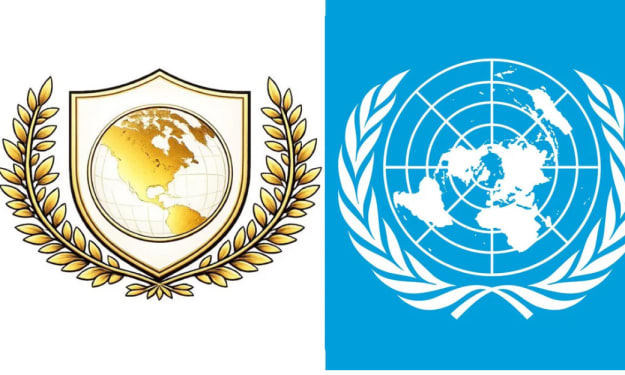
When former U.S. President Donald Trump unveiled the logo for his newly announced Board of Peace, it was meant to project authority, stability, and international cooperation. Instead, the logo quickly became the center of online debate, satire, and criticism. Across social media platforms, design forums, and political commentary spaces, people kept repeating the same observation: it looks suspiciously familiar.
By Muhammad Hassan8 days ago in The Swamp
Europe Is About to Sign a Long-Awaited Free-Trade Deal With India. AI-Generated.
After years of negotiations, pauses, and political recalculations, Europe and India are finally on the brink of signing a long-awaited free-trade agreement. What once seemed like an overly ambitious diplomatic project is now becoming a reality—one that could redefine trade relations between two of the world’s most influential economic regions. This deal is not just about tariffs and exports. It’s about shifting global power, strengthening supply chains, and creating new opportunities for communities on both sides. Why This Deal Took So Long Talks between the European Union and India began well over a decade ago, but progress was slow. Differences over labor standards, environmental rules, market access, and intellectual property rights repeatedly stalled negotiations. Both sides had strong priorities—and neither wanted to compromise too much. However, the global landscape has changed dramatically in recent years. Supply chain disruptions, geopolitical tensions, and a growing desire to reduce over-reliance on single markets have pushed both Europe and India to rethink their strategies. Suddenly, cooperation feels less optional and more necessary. What the Agreement Is Expected to Cover At its core, the free-trade deal aims to reduce tariffs, ease regulations, and open markets between Europe and India. European companies are seeking better access to India’s vast consumer market, while India wants smoother entry into European industries such as technology, pharmaceuticals, and manufacturing. The agreement is also expected to include provisions related to: Digital trade Sustainable development Labor rights Investment protection These elements reflect modern trade priorities, where economic growth is increasingly linked with social and environmental responsibility. Why Europe Needs India Right Now For Europe, the deal is part of a broader strategy to diversify trade relationships. Recent global events have highlighted the risks of economic dependency. India, with its rapidly growing economy and young workforce, represents both stability and potential. European policymakers see India as a long-term partner capable of balancing global trade dynamics. Strengthening ties with India could also help Europe remain competitive in a world where economic influence is constantly shifting. Why India Is Saying Yes India, too, stands to gain significantly. A free-trade agreement with Europe could boost exports, attract investment, and accelerate economic modernization. It also positions India as a major global player willing to engage on equal terms with powerful blocs. For Indian businesses—especially small and medium enterprises—easier access to European markets could mean growth, innovation, and international exposure. For workers, it could translate into job creation and skills development. Impact on Everyday Communities While trade deals often sound abstract, their effects are deeply local. Lower tariffs can reduce prices for consumers. New investments can revitalize industries and create employment. Improved cooperation can strengthen educational, cultural, and technological exchanges. Communities in Europe may see new products, partnerships, and opportunities tied to Indian innovation. Indian communities, meanwhile, could benefit from European expertise in sustainability, infrastructure, and advanced manufacturing. This is why the agreement matters beyond boardrooms and government offices—it touches real lives. Concerns and Criticism Still Exist Despite the optimism, critics on both sides have raised concerns. Some European groups worry about labor standards and environmental protections, while some Indian voices fear that local industries could struggle against European competition. These concerns highlight the importance of transparency and fair implementation. A successful agreement will require ongoing dialogue, monitoring, and cooperation to ensure that economic growth does not come at the expense of workers or the environment. A Strategic Signal to the World Beyond economics, the deal sends a strong political message. It signals that multilateral cooperation is still possible, even in an era of rising protectionism. Europe and India are showing that large, diverse democracies can find common ground through negotiation rather than confrontation. This partnership could also influence future global trade standards, especially in areas like digital regulation and sustainable development. What Happens Next Once signed, the agreement will still need formal approvals and phased implementation. Businesses, governments, and communities will need time to adapt. But the direction is clear: closer ties, deeper cooperation, and a shared economic future. For both Europe and India, this deal represents more than a trade pact—it’s a strategic investment in resilience and mutual growth. Final Thoughts The long-awaited free-trade deal between Europe and India marks a turning point in global economic relations. It reflects changing priorities, evolving partnerships, and a shared recognition that collaboration is essential in an uncertain world. As the agreement moves forward, its true success will be measured not just in trade volumes, but in how effectively it supports communities, protects values, and builds a more balanced global economy.
By Muhammad Hassan8 days ago in Earth
Your Lookahead Horoscope: January 25, 2026. AI-Generated.
Astrology isn’t about predicting a fixed fate—it’s about understanding energies, patterns, and timing. As January 25, 2026 approaches, the planetary movements suggest a powerful mix of reflection and forward momentum. With the Sun settled in Aquarius, the collective mood leans toward innovation, honesty, and breaking away from outdated routines. This is a day to think differently, speak clearly, and act with intention. Whether you’re planning a big move or simply trying to understand your emotions better, this lookahead horoscope offers insight into how the day’s cosmic energy may influence each zodiac sign. Aries (March 21 – April 19) January 25 brings a strong focus on your social life and long-term goals. You may feel drawn to group activities, online communities, or conversations that spark new ideas. This is a great time to reconnect with people who inspire you. Financially, avoid impulsive decisions—patience will serve you better than speed. Emotionally, honesty strengthens your relationships. Lookahead tip: Listen more than you speak—you’ll gain valuable insight. Taurus (April 20 – May 20) Career and public image take center stage. You might receive recognition or be asked to step into a leadership role. While this can feel exciting, it may also bring pressure. Stay grounded and don’t rush major commitments. At home, balance is key—work shouldn’t overshadow personal peace. Lookahead tip: Trust steady progress over quick wins. Gemini (May 21 – June 20) Your curiosity is heightened, making this an excellent day for learning, planning travel, or exploring new philosophies. Conversations may challenge your beliefs—but that’s not a bad thing. Be open to seeing situations from a different perspective. Avoid scattering your energy across too many tasks. Lookahead tip: Focus on depth, not just variety. Cancer (June 21 – July 22) This day highlights emotional transformation and shared resources. You may reflect on trust, boundaries, or financial agreements. It’s a good time to clear emotional baggage and have honest conversations. Vulnerability can be powerful if handled with care. Lookahead tip: Let go of what drains you emotionally. Leo (July 23 – August 22) Relationships are in focus—romantic, professional, and personal. January 25 encourages compromise and clarity. If tensions have been building, this is a chance to reset the dynamic. Avoid pride-driven reactions and aim for mutual understanding. Lookahead tip: Strength lies in cooperation, not control. Virgo (August 23 – September 22) Your attention shifts to health, routines, and productivity. This is an ideal day to reorganize your schedule or adopt better habits. Small changes can lead to big improvements. Be mindful not to overanalyze—progress matters more than perfection. Lookahead tip: Take care of your body as well as your to-do list. Libra (September 23 – October 22) Creativity and self-expression are highlighted. Whether through art, writing, or meaningful conversation, you’ll feel the urge to express your authentic self. Romantic energy is also strong, but clarity is essential—don’t ignore red flags for the sake of harmony. Lookahead tip: Choose authenticity over approval. Scorpio (October 23 – November 21) Home, family, and emotional foundations come into focus. You may feel the need to retreat, reflect, or address unresolved family matters. This is a powerful time for emotional healing. Avoid controlling outcomes—allow space for understanding. Lookahead tip: Inner peace starts with emotional honesty. Sagittarius (November 22 – December 21) Communication is your strength on January 25. You may have important conversations, make plans, or share ideas that spark change. It’s a good day for writing, networking, and learning. Just be mindful of how your words affect others. Lookahead tip: Speak with purpose, not impulse. Capricorn (December 22 – January 19) Money, values, and self-worth take priority. You might rethink spending habits or long-term financial goals. This is a favorable day for planning rather than action. Emotionally, remind yourself that your value isn’t measured only by productivity. Lookahead tip: Invest in what truly matters to you. Aquarius (January 20 – February 18) With the Sun in your sign, this is your moment to reset intentions. You may feel more confident and ready to take initiative. Others notice your originality and leadership. Use this energy wisely—don’t rush decisions that need time. Lookahead tip: Lead with vision, not pressure. Pisces (February 19 – March 20) This is a reflective and intuitive day for you. You may feel drawn to solitude, meditation, or creative pursuits. Pay attention to dreams and gut feelings—they hold valuable messages. Avoid absorbing others’ stress; protect your emotional boundaries. Lookahead tip: Rest is productive too. Final Cosmic Note January 25, 2026 carries an energy of clarity, innovation, and emotional awareness. It’s not about dramatic moves, but about aligning your actions with your values. Whether you’re starting something new or releasing what no longer serves you, the stars encourage thoughtful, conscious choices. Remember: astrology guides—but you decide how to move forward. 🌙✨
By Muhammad Hassan9 days ago in The Swamp
“Make Dulles Great Again”: Airport Renderings Unveiled, Featuring Trump Terminal and DJT People Movers. AI-Generated.
Washington Dulles International Airport, the primary gateway to the U.S. capital, has long served as a bustling hub for international travelers. But now, it may be on the cusp of a major transformation, with a proposed vision to “Make Dulles Great Again.” The highly anticipated renderings for the airport's redesign include an array of stunning and controversial elements—chief among them, a Trump Terminal and DJT People Movers, a nod to former President Donald Trump's legacy. These proposals have sparked intense debate, raising questions about their practicality, cost, and the role of political branding in public infrastructure projects. While some see the redesign as an innovative and exciting way to modernize Dulles, others view it as an unnecessary politicization of a public space. As the discussions surrounding this ambitious project unfold, let's take a closer look at the proposed changes and what they could mean for the future of one of America’s busiest airports. The “Make Dulles Great Again” Vision The bold new renderings, presented by a group of architects and urban designers in collaboration with officials from the Metropolitan Washington Airports Authority (MWAA), outline an ambitious vision to enhance the airport’s infrastructure, modernize its facilities, and create a lasting symbol of American prosperity. The catchphrase “Make Dulles Great Again” is a direct reference to Trump’s famous slogan, but it’s more than just a political statement—it encapsulates a vision of grandeur, wealth, and prestige. One of the most talked-about aspects of the redesign is the introduction of a Trump-branded terminal, set to be the focal point of the transformation. This terminal, which would be located in a prime spot within the airport’s complex, is designed to evoke the grandeur and luxury associated with the Trump brand. The terminal would feature high-end restaurants, luxurious retail spaces, and grandiose architecture, including gold-plated fixtures, oversized chandeliers, and a range of VIP services. The terminal’s layout would be centered around an opulent atrium with towering columns and large windows that offer stunning views of the runway. For travelers who want a taste of luxury from the moment they step off the plane, the Trump Terminal promises to deliver a high-end experience from the check-in counter to the gate. The idea is to turn Dulles into not just a transit point but a destination in itself—a showcase of American opulence and wealth, according to proponents of the project. DJT People Movers: The Future of Airport Transportation Another striking feature of the new renderings is the inclusion of the DJT People Movers—a state-of-the-art automated transportation system designed to ferry passengers between terminals. The futuristic-looking system would replace the current airport shuttle buses and offer a more efficient and technologically advanced means of getting from one terminal to another. The DJT People Movers would feature sleek, modern design elements with Trump-branded accents, further cementing the former president’s association with the airport’s image. These people movers would not only be a transportation solution but also an entertainment experience for travelers, with interactive touch screens, live feeds of global news, and advertisements for high-end Trump-branded merchandise. The aim is to turn an ordinary part of the airport experience into something extraordinary and memorable for visitors. Supporters argue that this upgrade would significantly improve the passenger experience, reducing wait times and improving traffic flow between terminals. Moreover, the use of cutting-edge technology in the people movers would make Dulles one of the most modern airports in the world, setting a benchmark for others to follow. However, detractors question the feasibility of such a system and whether the cost would justify the benefits. The Politics Behind the Trump Terminal Unsurprisingly, the idea of a Trump-themed terminal has stirred political controversy. While some believe that the terminal would be a fitting tribute to the former president’s legacy, others see it as an unnecessary attempt to inject political branding into a public space. Airports, after all, are meant to serve people from all walks of life, regardless of their political beliefs, and critics argue that turning Dulles into a Trump monument could alienate travelers who may not align with the former president’s ideals. Some observers have pointed to the political polarization that continues to divide the nation and suggested that incorporating Trump’s image so prominently into a public institution could exacerbate existing tensions. Others worry that this could be seen as a wasteful use of taxpayer money that could be better spent on improving the airport’s core functions, such as security, accessibility, and sustainability. At the same time, proponents of the Trump Terminal argue that it’s a reflection of the country’s democratic process and that such a terminal would serve as a symbol of national pride. They point to the fact that many other countries feature public monuments to their leaders and argue that the U.S. should embrace its own history with the same enthusiasm. Whether or not the Trump Terminal is ultimately built, it is clear that the idea has ignited passionate debate on both sides of the political spectrum. The Impact on Dulles’ Image and the Airport Experience The proposed changes at Dulles International have the potential to drastically shift the airport’s image and redefine the traveler’s experience. On one hand, the upgrades would undoubtedly enhance the airport’s luxury appeal, attracting wealthy passengers who may be looking for an exclusive, high-end airport experience. The Trump branding could also attract tourists and political enthusiasts who want to see the terminal as a historical landmark tied to one of the most controversial figures in modern American history. On the other hand, the decision to heavily brand the airport with Trump’s image could alienate other passengers, particularly those who don’t share the former president’s views. For frequent flyers, especially those who value a neutral, non-political space, this could present a challenge to their perception of Dulles as a welcoming, international airport. The balance between luxury and inclusivity will be a crucial factor in determining how successful this transformation is in the long run. Moreover, the emphasis on high-end amenities and luxury services could create a two-tiered system at Dulles, where affluent passengers have access to VIP lounges, luxury services, and exclusive experiences, while the average traveler is left with standard offerings. Critics argue that this could worsen the inequality that already exists within the travel experience, particularly at busy international hubs like Dulles. Looking Ahead: Will the Vision Become Reality? While the renderings for the “Make Dulles Great Again” redesign are certainly bold, it remains to be seen whether they will come to fruition. The project still requires approval from various stakeholders, including government agencies, local officials, and the traveling public. Moreover, the cost of implementing such a grandiose plan could run into the billions of dollars, leading to potential debates about the economic feasibility and long-term impact of the project. As the conversation around this proposed redesign continues, one thing is clear: the future of Dulles Airport is set to be shaped by both ambition and controversy. Whether or not the Trump Terminal becomes a reality, it has certainly captured the public’s attention, sparking important discussions about the role of politics in public infrastructure, the direction of American travel, and the way we shape the landmarks that define our nation’s identity. Conclusion: A Vision Divided Ultimately, the “Make Dulles Great Again” redesign is a vision of grandeur and boldness, one that reflects both the legacy of a polarizing political figure and the broader ambitions of those who seek to redefine public spaces. While the proposal has generated excitement for some, it also raises questions about the future of airport design and the role of politics in shaping our built environment. Only time will tell whether Dulles will undergo this transformation, but for now, the conversation continues to captivate those who care about the intersection of politics, design, and public space.Start writing...
By Muhammad Hassan9 days ago in The Swamp
Poland’s Energy Grid Targeted by Never-Before-Seen Wiper Malware. AI-Generated.
In a shocking and unprecedented event, Poland’s energy grid became the target of a never-before-seen wiper malware attack. The attack, which targeted one of the country’s most vital infrastructure sectors, has raised serious concerns among cybersecurity experts and government officials alike. Wiper malware, a type of malicious software designed to permanently destroy data and disrupt operations, has become an increasingly sophisticated weapon in the hands of cybercriminals and state-sponsored attackers. This incident marks a disturbing escalation in the ongoing cyberwarfare against critical infrastructure, signaling that no nation is immune from these increasingly complex and devastating threats. What is Wiper Malware? Before delving into the specifics of the attack on Poland’s energy grid, it’s important to understand wiper malware and why it poses such a significant risk to industries, governments, and individuals. Unlike traditional malware, which is often used for data theft, ransomware, or espionage, wiper malware is designed with a single purpose in mind: destruction. Once deployed within a system, wiper malware erases data, overwrites files, and can render entire computer systems inoperable. This means that any organization or entity affected by a wiper attack could experience massive data loss, potentially crippling operations and disrupting essential services. While ransomware seeks to extort money from victims, wiper malware is far more destructive, leaving its victims with no data and often requiring a full system rebuild. It is a tool of cyber sabotage, meant to create chaos, hinder response efforts, and damage a country’s critical infrastructure. The Poland Cyberattack: What Happened? In the case of Poland's energy grid, the attack was swift, coordinated, and had devastating implications. On the morning of the attack, the country’s electricity grid experienced a series of disruptions, with reports indicating that several power plants and key components of the grid were suddenly rendered inoperable. Early investigations revealed the involvement of wiper malware, which had managed to bypass traditional cybersecurity defenses, including firewalls and intrusion detection systems. The malware was designed specifically to target critical infrastructure, and its code appeared to be a custom-built tool that had never been seen before by global cybersecurity experts. This fact alone raised suspicions that the attack may have been state-sponsored, as nation-state cybercriminals often develop advanced persistent threats (APTs) that are tailored to specific targets, such as energy grids, financial institutions, and government systems. Though Poland’s energy sector was hit hard, officials quickly mobilized to restore service and assess the full scope of the damage. According to local reports, several power plants were forced to shut down temporarily, while the national grid struggled to maintain stability in the wake of the attack. Emergency protocols were activated, and the energy sector worked closely with cybersecurity teams to contain the damage and initiate recovery processes. The Fallout: National Security and Economic Consequences The cyberattack on Poland’s energy grid was more than just a technological issue—it was a national security crisis. Energy infrastructure is one of the pillars of a nation’s security. Without a reliable and resilient energy grid, governments and businesses cannot function properly. The disruption caused by the malware attack highlighted just how vulnerable critical infrastructure is to cyberattacks, particularly as modern energy grids become more interconnected and dependent on digital systems. The consequences of such an attack extend far beyond the immediate disruption of power supply. The economic toll can be catastrophic. A nation dependent on a secure and consistent energy supply faces the risk of: Business Interruption: Companies relying on a constant flow of electricity may face production halts, supply chain disruptions, and significant financial losses. Loss of Public Confidence: Citizens may lose faith in the government's ability to secure its essential services, leading to social unrest and political pressure. Cost of Recovery: Rebuilding compromised systems and restoring services to their normal functioning can take weeks, months, or even longer. The recovery process from a sophisticated cyberattack requires massive investments in cybersecurity measures, system upgrades, and government initiatives. Cyberattacks like the one on Poland’s energy grid also have an important geopolitical component. Cyber warfare targeting energy infrastructure is seen as one of the most aggressive forms of attack in the digital age, and such an event can trigger diplomatic tensions between nations, particularly if the origin of the attack is attributed to a hostile foreign power. Why Poland? Could Other Countries Be Next? The question on everyone’s mind is: Why Poland? Poland, a member of the European Union and a NATO ally, may have been targeted due to its strategic importance in the region, especially as tensions between NATO countries and Russia continue to escalate. While no official attribution has been made, many experts believe that Russian-backed cyber groups could be involved, given the region’s political context and Poland’s significant role in supporting Ukraine during the ongoing conflict with Russia. Poland’s energy grid was not the only target; critical infrastructure in other parts of Europe has also been the subject of increasing cyberattacks in recent years. This suggests that the threat is not limited to one country and that other nations may soon face similar cybersecurity challenges. Countries with highly interconnected, digital energy systems are particularly vulnerable. Experts have warned that wiper malware could be the weapon of choice for future cyberattacks on nuclear plants, water supplies, and other critical sectors. Lessons for the Future: Strengthening Cybersecurity in Critical Infrastructure The attack on Poland’s energy grid serves as a stark reminder of the vulnerabilities that lie within critical infrastructure. Governments, industries, and private companies around the world must take immediate action to improve their cybersecurity defenses, especially in sectors such as energy, transportation, and healthcare. Key takeaways from the Poland incident include: Investment in cybersecurity: Governments must prioritize cybersecurity and invest in advanced threat detection systems, employee training, and incident response teams. Regular updates to security protocols and backups are essential to mitigating the impact of a potential attack. Collaboration across borders: Cyberattacks do not recognize borders, and international collaboration between governments and private sectors is essential for sharing threat intelligence and developing coordinated responses to attacks. Resilience: It’s not just about preventing attacks; it's about building resilience. Ensuring that critical infrastructure can continue functioning even in the face of a cyberattack is crucial. Backup systems, redundant networks, and disaster recovery plans need to be in place. Conclusion: A Wake-Up Call for the Digital Age Poland’s energy grid attack serves as a wake-up call to the global community. As cyber threats continue to evolve in sophistication and impact, the security of critical infrastructure must be a top priority for every nation. The attack on Poland is a reminder that, in the digital age, the threat landscape is constantly changing, and no sector is truly immune to cyber threats. As nations grapple with the growing complexity of cyber warfare, the need for stronger defenses, collaboration, and preparation has never been more urgent.
By Muhammad Hassan9 days ago in The Swamp
San Francisco’s Largest Mall Unexpectedly Closes Ahead of Schedule. AI-Generated.
In a surprising turn of events, Westfield San Francisco Centre, one of the city’s most iconic shopping destinations, has closed its doors ahead of schedule. The closure, which took place months earlier than expected, has sent shockwaves through the local retail scene and left many wondering about the future of brick-and-mortar shopping in San Francisco. As retail patterns continue to evolve in the face of digital transformation and shifting consumer habits, this unexpected shutdown signals more than just the end of a mall—it marks a significant shift in how people shop, how cities are structured, and how businesses are adapting to new consumer demands.
By Muhammad Hassan9 days ago in Earth