Muhammad Hassan
Bio
Muhammad Hassan | Content writer with 2 years of experience crafting engaging articles on world news, current affairs, and trending topics. I simplify complex stories to keep readers informed and connected.
Stories (467)
Filter by community
Buc-ee’s Announces Plans to Build the World’s Largest Convenience Store. AI-Generated.
For millions of American road-trippers, Buc-ee’s is not just a convenience store — it’s a destination. Known for its massive locations, spotless bathrooms, cult-favorite snacks, and unmistakable beaver mascot, the Texas-based chain has turned a simple pit stop into an experience. Now, Buc-ee’s is taking that reputation to an entirely new level. The company has officially announced plans to build what it says will be the world’s largest convenience store, once again pushing the boundaries of size, spectacle, and ambition in an industry that most people associate with quick stops and small footprints. The announcement has sparked excitement, disbelief, and curiosity, raising a bigger question: how did a gas station chain become one of America’s boldest retail success stories? What Buc-ee’s Is Planning According to company statements, the new Buc-ee’s location will surpass all existing stores in sheer size, potentially covering more than 75,000 square feet — larger than many supermarkets and even some shopping malls. Like other Buc-ee’s locations, the store is expected to include: Dozens (or even hundreds) of fueling stations An enormous retail floor packed with food, merchandise, and regional products Freshly prepared meals made on-site Buc-ee’s famous ultra-clean restrooms Branded apparel, home goods, and souvenirs While Buc-ee’s has not yet revealed every design detail, the company has made it clear: this store is meant to be a landmark, not just a convenience stop. How Buc-ee’s Became a Cultural Phenomenon Founded in Texas in 1982, Buc-ee’s quietly built a loyal following by doing something radical in the convenience store world: raising standards. Instead of cramped aisles and questionable restrooms, Buc-ee’s focused on: Cleanliness that rivals hotels Friendly, well-paid staff Massive selections of food and merchandise A fun, family-friendly atmosphere The chain became especially famous for items like Beaver Nuggets, brisket sandwiches, fresh fudge, and jerky bars stretching longer than entire gas stations elsewhere. Over time, Buc-ee’s locations turned into roadside attractions. People plan trips around them. Families stop not because they have to, but because they want to. Why Size Is Part of the Strategy Building the world’s largest convenience store is not just a publicity stunt — it’s a calculated business move. Large stores allow Buc-ee’s to: Serve huge volumes of travelers efficiently Offer unmatched product variety Keep customers inside longer Create a memorable brand experience In an era where many retailers are shrinking footprints or moving online, Buc-ee’s is doubling down on physical presence. The company understands that convenience stores don’t have to be forgettable. They can be immersive, entertaining, and profitable at scale. Bigger also means busier — and Buc-ee’s thrives on traffic. The Economic Impact on Local Communities Every new Buc-ee’s location brings significant economic ripple effects. The company is known for: Creating hundreds of local jobs Paying wages above typical convenience store standards Attracting tourism traffic to surrounding areas Local businesses often benefit from increased foot traffic, while municipalities gain tax revenue. However, critics argue that such massive stores can also put pressure on smaller, independent gas stations and diners nearby. Still, many towns actively compete to attract Buc-ee’s, viewing it as a long-term economic anchor. A Changing Definition of Convenience Retail Buc-ee’s expansion reflects a broader shift in how Americans travel and shop. Today’s drivers want more than fuel. They want: Clean restrooms Quality food Safe, welcoming environments A reason to stop rather than rush through Buc-ee’s meets those expectations — and then exceeds them. By building the world’s largest convenience store, the company is effectively saying that convenience retail can be experiential, not transactional. This approach stands in sharp contrast to traditional gas station models focused solely on speed and turnover. Not Without Criticism Despite its popularity, Buc-ee’s growth has not been free from controversy. Some critics raise concerns about: Environmental impact from massive developments Traffic congestion around new locations Pressure on small, local competitors Others question whether such enormous stores are sustainable in the long term, especially as electric vehicles reduce the need for frequent fuel stops. Buc-ee’s leadership, however, appears confident that its model is adaptable — emphasizing food, retail, and hospitality rather than relying solely on gasoline sales. What This Means for the Future of Road Travel As road trips evolve, so do the places that support them. The planned mega-store signals that Buc-ee’s sees itself not just as a convenience brand, but as a roadside lifestyle destination. It’s betting that people will continue to crave physical experiences — especially ones that feel familiar, fun, and uniquely American. If successful, the world’s largest convenience store could further cement Buc-ee’s status as a category-defining brand, forcing competitors to rethink what a gas stop should look like in the modern age. More Than a Store — A Statement Buc-ee’s announcement isn’t just about square footage. It’s about confidence. At a time when many retailers are cautious, Buc-ee’s is expanding boldly. At a time when digital dominates, it’s investing in real-world experience. And at a time when convenience stores are expected to blend into the background, Buc-ee’s is building something impossible to ignore. Whether you see it as excessive or ingenious, one thing is certain: the world’s largest convenience store won’t just sell snacks and fuel — it will sell the idea that even the most ordinary stops can be extraordinary.
By Muhammad Hassanabout a month ago in The Swamp
These Prophets of Economic Doom Are Worried About Another Collapse. AI-Generated.
Every economic cycle has its optimists — and its doomsayers. But when warnings about another possible financial collapse come not from fringe voices, but from respected economists, veteran investors, and former policymakers, markets tend to listen more closely. In recent months, a familiar group of economic pessimists — often labeled “prophets of doom” — have resurfaced with renewed urgency. Their message is unsettlingly consistent: the global economy may be heading toward another major shock, one that could rival or even surpass past crises. While critics accuse them of crying wolf, supporters argue that many of these figures have been right before — sometimes painfully so. So why are these economic skeptics sounding the alarm again, and what exactly are they worried about? Who Are the ‘Prophets of Economic Doom’? The term “prophets of economic doom” is often used dismissively, but it typically refers to economists, hedge fund managers, and analysts known for consistently warning about systemic risks. These include figures who foresaw: The 2008 global financial crisis The dot-com bubble burst Sovereign debt crises in Europe Inflation surges following prolonged stimulus Their credibility doesn’t come from optimism, but from an ability to identify imbalances and excesses before they unravel. Today, many of these same voices are once again warning that the foundations of the global economy look disturbingly fragile. Debt: The Biggest Red Flag One of the loudest concerns centers on record-breaking global debt. Governments, corporations, and households have borrowed aggressively over the past decade, especially after the pandemic. Ultra-low interest rates made debt cheap, encouraging spending and investment — but also creating massive vulnerabilities. Now, as interest rates remain higher for longer, servicing that debt is becoming increasingly expensive. Some economists warn that: Governments may face fiscal stress Companies could struggle to refinance loans Households may reduce spending sharply The fear is not just high debt, but how interconnected it is. A shock in one sector or country could ripple across financial systems faster than regulators can respond. Asset Bubbles and Overvalued Markets Another major warning sign is what skeptics see as dangerously inflated asset prices. Stock markets, housing, and even alternative assets have surged in recent years, often disconnected from underlying economic fundamentals. Critics argue that markets have been propped up by: Central bank liquidity Speculative trading Excessive optimism around technology and AI Some analysts point to similarities with previous bubbles, where prices kept rising until confidence suddenly collapsed. When valuations are stretched, even a small trigger — geopolitical tension, a banking failure, or unexpected policy shift — can spark a rapid sell-off. The Interest Rate Dilemma Central banks now find themselves trapped between two bad options. On one hand, cutting interest rates too quickly could reignite inflation. On the other, keeping rates high risks slowing growth, weakening banks, and triggering defaults. Economic pessimists argue that policymakers have already delayed tough decisions for too long. By flooding economies with stimulus during crises, they may have postponed — rather than prevented — a deeper reckoning. The result is what some call a “policy exhaustion” problem: central banks have fewer effective tools left if another major downturn hits. Geopolitics and Global Fragmentation Unlike past financial crises, today’s risks are amplified by geopolitical instability. Trade tensions, regional conflicts, and political polarization are disrupting supply chains and undermining global cooperation. Economic doom-watchers warn that the world is becoming: More fragmented Less predictable More vulnerable to shocks Globalization once acted as a stabilizing force. Now, economic nationalism and strategic competition are making coordination harder — precisely when it is needed most. Banking System Stress Beneath the Surface While headline banking crises have been avoided so far, skeptics argue that stress remains hidden within financial institutions. Rapid interest rate hikes have reduced the value of long-term bonds held by banks. At the same time, tighter credit conditions are increasing default risks among borrowers. Some analysts fear that problems are being masked by accounting rules and emergency support measures. If confidence falters, they warn, the system could face sudden pressure — just as it has in past crises. Why Many People Still Dismiss These Warnings Despite these concerns, many investors and policymakers remain confident. They point to: Resilient job markets Continued consumer spending Strong corporate profits Critics of the “doom prophets” argue that pessimists underestimate innovation, adaptability, and the ability of governments to intervene when needed. Yet even optimists admit that the margin for error is shrinking. The debate is no longer about whether risks exist — but about how severe the consequences could be if something goes wrong. Are These Warnings Just Fear — or a Necessary Wake-Up Call? History suggests that economic collapses rarely happen because of one single event. Instead, they occur when multiple vulnerabilities collide — excessive debt, policy mistakes, asset bubbles, and loss of confidence. The prophets of economic doom are not predicting an exact date or trigger. Rather, they argue that the system has become increasingly unstable, and that complacency itself may be the greatest risk. Even if a full-scale collapse never materializes, their warnings serve a purpose: forcing policymakers, investors, and ordinary citizens to confront uncomfortable realities. What This Means for the Future Whether or not another economic collapse occurs soon, the concerns raised by these pessimists highlight a deeper issue: the global economy is operating with less room for mistakes than ever before. For governments, this means careful policy choices. For investors, it calls for realism rather than blind optimism. And for everyday people, it underscores the importance of financial resilience in an uncertain world. The prophets of economic doom may not be right about everything — but history shows that ignoring systemic warnings entirely can be far more dangerous than listening too closely.
By Muhammad Hassanabout a month ago in The Swamp
EU and Mercosur Seal Historic Trade Deal. AI-Generated.
After more than two decades of negotiations, delays, political resistance, and diplomatic resets, the European Union and the Mercosur bloc have finally sealed a historic trade deal. The agreement, hailed by supporters as one of the most ambitious trade pacts ever negotiated, promises to reshape economic ties between Europe and South America while redefining how global trade aligns with climate goals, labor standards, and geopolitical realities. The deal links the EU — one of the world’s largest single markets — with Mercosur, a South American trade bloc comprising Brazil, Argentina, Uruguay, and Paraguay, representing a combined population of over 780 million people. Together, they form a massive economic zone with the potential to influence global supply chains, agricultural markets, and industrial trade for decades to come. What Is the EU–Mercosur Trade Deal? At its core, the EU–Mercosur agreement is designed to reduce or eliminate tariffs on a wide range of goods and services, making trade between the two regions cheaper and more efficient. For European exporters, the deal opens access to South American markets for products such as cars, machinery, pharmaceuticals, chemicals, and industrial equipment — many of which currently face high import duties. For Mercosur countries, the agreement improves access to the EU market for agricultural products, including beef, poultry, sugar, ethanol, soy, and coffee. The European Commission estimates that the deal could save European companies billions of euros annually in tariffs, while boosting economic growth and strengthening strategic ties between the two regions. Why This Deal Took So Long Negotiations between the EU and Mercosur began in 1999, but progress was repeatedly stalled by disagreements over agriculture, environmental protection, labor rights, and political shifts on both sides of the Atlantic. European farmers, particularly in France and Ireland, have long opposed the deal, fearing competition from cheaper South American agricultural imports. Environmental groups raised alarms about deforestation in the Amazon, arguing that increased beef and soy exports could accelerate forest loss. On the Mercosur side, concerns centered on protecting domestic industries and ensuring fair access to European markets without being overwhelmed by EU industrial powerhouses. Only in recent years — amid rising global trade tensions, supply chain disruptions, and geopolitical competition — did momentum return. Both blocs increasingly saw strategic value in diversifying partnerships beyond China and the United States. Economic Impact: Who Stands to Gain? Supporters argue that the agreement is a win-win for both regions. For the European Union, the deal strengthens export opportunities for manufacturers and service providers while reinforcing Europe’s role as a global trade leader. European carmakers, engineering firms, and pharmaceutical companies are expected to benefit significantly. For Mercosur countries, the agreement provides stable access to one of the world’s wealthiest consumer markets. Agricultural exporters, in particular, stand to gain from reduced tariffs and predictable trade rules. Supporters say the deal could stimulate investment, create jobs, and modernize industries across South America. Economists also highlight that the agreement sends a strong signal in favor of rules-based international trade at a time when protectionism is rising globally. Environmental and Climate Concerns Despite the economic promise, the deal remains controversial — especially in Europe. Environmental organizations warn that increased agricultural exports from South America could intensify deforestation, biodiversity loss, and carbon emissions, particularly in Brazil’s Amazon region. Critics argue that previous environmental commitments have not been adequately enforced and fear the trade deal could undermine the EU’s climate leadership. In response, the European Commission has emphasized that the final agreement includes binding sustainability provisions, commitments to the Paris Climate Agreement, and mechanisms to address environmental violations. Supporters argue that engagement — rather than isolation — gives the EU more leverage to promote sustainable practices. Still, skepticism remains strong among green groups and some EU lawmakers, who insist that enforcement will be key. Political Resistance Inside the EU Even after sealing the deal, ratification is far from guaranteed. Several EU member states, including France, Austria, and Ireland, have expressed strong reservations. Farmers’ unions worry about unfair competition, while political leaders face domestic pressure to protect local agriculture and environmental standards. Because the agreement requires approval from all EU member states and the European Parliament, even a small number of dissenting countries could delay or derail implementation. This political reality means that while the deal has been sealed at the diplomatic level, its future still depends on intense political negotiation within Europe. Why the Deal Matters Globally Beyond trade volumes and tariff reductions, the EU–Mercosur agreement carries geopolitical significance. It strengthens ties between Europe and South America at a time when global power dynamics are shifting. China has significantly expanded its economic footprint in Latin America, and the EU sees the deal as a way to remain relevant and competitive in the region. The agreement also reinforces the EU’s ambition to shape global trade rules around sustainability, labor rights, and environmental standards, even if critics question how effective those safeguards will be in practice. In a world marked by trade wars, sanctions, and fragmented supply chains, the deal stands as a rare example of multilateral cooperation. What Happens Next? The next phase involves legal review, translation into all EU languages, and the ratification process across member states. This could take several years, and political opposition may still reshape or delay parts of the agreement. Meanwhile, businesses on both sides are already preparing for potential opportunities, assessing new markets, and planning long-term strategies around the expected changes. Whether the deal ultimately fulfills its promise will depend not only on economic performance but also on enforcement, transparency, and political will. A Turning Point for Trade Relations The EU–Mercosur trade deal marks a historic turning point in relations between Europe and South America. It reflects a growing recognition that global challenges — from climate change to economic resilience — require cooperation across continents. Yet the agreement also highlights the tensions between economic growth and environmental responsibility, free trade and local protection, ambition and accountability. As the world watches the ratification process unfold, one thing is clear: this deal is more than a trade agreement. It is a test of how global partnerships can evolve in an increasingly complex and divided world.
By Muhammad Hassanabout a month ago in The Swamp
Avalanches Kill Five Off-Piste Skiers in the Austrian Alps. AI-Generated.
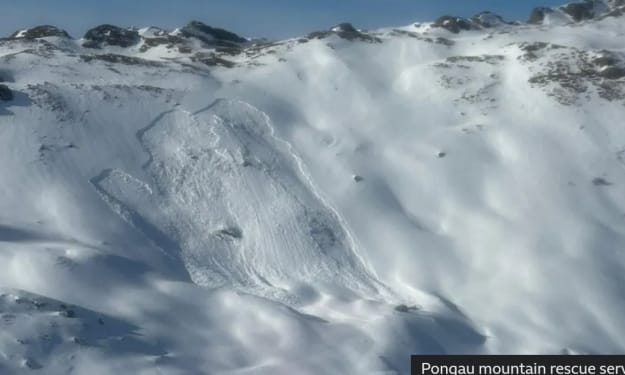
The Austrian Alps are often portrayed as a winter paradise — a place of pristine white slopes, thrilling descents, and breathtaking mountain views. Every year, thousands of skiers and snowboarders travel from across the world to experience Austria’s famous alpine resorts. But over the weekend, that dream turned into a nightmare when five off-piste skiers lost their lives in two separate avalanche incidents, once again reminding the world that nature can be as unforgiving as it is beautiful. The deadly avalanches struck the Salzburg region, one of Austria’s most popular winter sports areas, despite clear warnings about dangerous snow conditions. As rescue teams worked tirelessly in freezing temperatures, the tragedy raised serious questions about off-piste skiing, risk awareness, and the limits of human control in extreme environments. What Happened in the Austrian Alps? According to Austrian authorities, the fatal incidents occurred on Saturday in two different locations within the Salzburg Alps. The first and deadliest avalanche struck a group of off-piste skiers in the Gastein Valley. A large mass of snow broke loose on a steep slope, sweeping through the area and burying multiple people. Four skiers were killed, while two others were injured, one of them critically. One person in the group managed to escape without injuries. Roughly 90 minutes earlier, a separate avalanche occurred near Bad Hofgastein, another well-known alpine destination. In that incident, a female skier was buried under snow at an altitude of around 2,200 meters. Despite rapid rescue efforts, she did not survive, bringing the death toll to five. Emergency services responded immediately, deploying multiple rescue helicopters, mountain rescue teams, search dogs, and medical personnel. However, avalanches move with terrifying speed, often leaving rescuers with only minutes to locate victims before survival chances drop dramatically. Avalanche Warnings Were Already in Place One of the most troubling aspects of this tragedy is that avalanche warnings had already been issued across much of the Austrian Alps. In the days leading up to the weekend, heavy snowfall combined with shifting temperatures created unstable snow layers. Avalanche experts warned that conditions were particularly dangerous, especially in ungroomed and off-piste areas. Some regions were placed under high avalanche risk levels, signaling that even experienced skiers could trigger deadly slides. Local mountain rescue officials later emphasized that the danger was well known. They described the incident as a painful reminder that avalanche bulletins are not theoretical — they exist to save lives. The Risk of Off-Piste Skiing Off-piste skiing, sometimes called backcountry skiing, has grown increasingly popular in recent years. Many skiers are drawn to untouched snow, quieter slopes, and the thrill of adventure beyond resort boundaries. But unlike marked ski runs, off-piste terrain is not controlled or secured against avalanches. Ski resorts routinely use explosives and monitoring systems to reduce avalanche risk on official slopes. Outside those boundaries, however, skiers are fully exposed to natural conditions. Snowpack stability can change suddenly due to wind, temperature shifts, or the weight of a single skier. Even with modern equipment like avalanche beacons and airbags, survival is never guaranteed. Once a person is buried, compacted snow can harden quickly, making self-rescue nearly impossible. A Pattern of Tragedy Across the Alps Sadly, this is not an isolated incident. Avalanche fatalities occur every winter across Europe’s mountain regions, and this season has already seen multiple deadly events. Earlier in the week, a 13-year-old boy was killed in an avalanche at another Austrian resort. In separate incidents, skiers have died in Tyrol, Switzerland, and France, all during periods of elevated avalanche risk. Austria alone records an average of around 20 avalanche-related deaths each year, depending on snow conditions and winter tourism levels. Experts warn that climate change may further complicate the issue by creating more unpredictable weather patterns and unstable snowpacks. Rescue Efforts and Emotional Toll Mountain rescue teams are highly trained and deeply committed, but avalanches remain one of the most challenging emergencies they face. In the Salzburg incidents, rescuers worked under intense pressure, racing against time and extreme weather. Beyond the physical danger, such events take an enormous emotional toll on rescuers, local communities, and families of the victims. Alpine towns rely heavily on tourism, and tragedies like this cast a long shadow over what should be a joyful winter season. Authorities have expressed condolences while also urging visitors to reflect seriously on the risks involved in off-piste activities. What Can Be Learned from This Tragedy? While no lesson can undo the loss of five lives, experts consistently highlight several key points: Respect avalanche warnings and bulletins These alerts are based on scientific analysis and real-time data, not guesswork. Understand that experience does not equal immunity Even skilled skiers can misjudge conditions. Stick to groomed slopes during high-risk periods Official ski runs are actively monitored and controlled. Avoid peer pressure and “powder fever” The desire for untouched snow can cloud judgment. Ultimately, the mountains will always involve risk — but informed decisions can mean the difference between life and death. A Sobering Reminder from the Mountains The Austrian Alps remain one of the world’s most spectacular winter destinations. Yet, as this heartbreaking weekend shows, they demand humility and respect. Nature does not negotiate, and it does not forgive recklessness. As investigations continue and families mourn their loved ones, the tragedy serves as a sobering reminder: adventure should never come at the cost of ignoring clear danger. For skiers and snowboarders everywhere, the message is painfully clear — no descent is worth a life.
By Muhammad Hassanabout a month ago in Earth
Pakistan’s Demand for Grid Electricity Is Falling as Solar Net-Metering Surges 4×. AI-Generated.
For decades, Pakistan’s electricity story has been one of shortages, rising bills, and unreliable supply. Load-shedding schedules became part of daily life, and households learned to plan their routines around power cuts. But quietly, without massive government campaigns or headline-grabbing megaprojects, a major shift is taking place. Pakistan’s demand for grid electricity is falling — and at the same time, solar net-metering is growing nearly four times faster than before. Rooftops across cities and towns are filling with solar panels, fundamentally changing how energy is produced and consumed in the country. This is not just an energy trend. It is a financial decision, a survival strategy, and for many, a path to independence from an increasingly expensive power system. What Is Net-Metering, and Why Does It Matter? Net-metering allows households and businesses to install solar panels and feed excess electricity back into the national grid. Instead of wasting unused power during the day, consumers earn credits that reduce their electricity bills at night or during low-sunlight hours. In simple terms, the grid becomes a two-way system rather than a one-directional supply line. For Pakistan, where sunshine is abundant and electricity costs are high, this model is proving extremely attractive. Over the past two years, net-metering connections have multiplied rapidly, turning private rooftops into a significant source of national power generation. Why Grid Electricity Demand Is Falling The decline in grid demand does not mean Pakistan suddenly needs less energy. Instead, it reflects a shift in where that energy is coming from. 1. Soaring Electricity Prices Electricity tariffs in Pakistan have risen sharply due to fuel costs, capacity payments, and circular debt. For many households, monthly bills became unbearable. Solar offered a one-time investment with long-term relief. Once installed, solar systems dramatically cut reliance on the grid, especially during daylight hours when consumption is highest. 2. Unreliable Supply Even today, power outages remain common in many areas. Solar systems — especially those paired with batteries or hybrid inverters — provide stability that the grid often cannot. For businesses, uninterrupted power means survival. For households, it means dignity and comfort. 3. Falling Solar Panel Prices Global oversupply and local market competition have pushed solar panel prices down. What once seemed like a luxury is now within reach of middle-income families. As costs dropped, adoption surged. A People-Led Solar Boom One of the most striking features of Pakistan’s solar growth is that it is not driven by large state projects. Instead, it is led by individuals, shop owners, factories, and housing societies. Entire neighborhoods now feature rows of panels shimmering in the sun. Schools, mosques, offices, and even small workshops are generating their own electricity. This bottom-up transition is changing Pakistan’s energy landscape faster than policy alone ever could. How Net-Metering Is Growing 4× Faster The four-fold rise in net-metering is fueled by a combination of urgency and opportunity. Households see solar as protection against future tariff hikes Businesses view it as a way to control operating costs Investors see solar installations as a safer long-term asset than many financial instruments Once early adopters demonstrated success, word spread quickly. Solar installers multiplied, financing options expanded, and social proof did the rest. In many areas, installing solar is no longer a bold decision — it’s the obvious one. The Impact on the Power Sector While solar users benefit, the falling demand for grid electricity presents serious challenges for Pakistan’s power sector. Revenue Pressure on Utilities Power distribution companies still must pay fixed costs for power plants and infrastructure, even when less electricity is sold. As more consumers reduce grid usage, the burden shifts to those who cannot afford solar. Rising Inequality Low-income households without rooftop access may face higher tariffs as utilities try to recover losses. This creates a difficult policy dilemma: how to encourage clean energy without punishing the most vulnerable. Grid Stability Concerns Solar energy is intermittent. Without storage upgrades and smarter grids, managing supply and demand becomes more complex. Environmental and Economic Benefits Despite the challenges, the benefits of this shift are undeniable. Reduced fuel imports save foreign exchange Lower emissions improve air quality Decentralised power increases national resilience Household savings stimulate local economies Solar energy is helping Pakistan move toward climate goals without waiting for international funding or massive reforms. What Comes Next? Pakistan is approaching a crossroads. The solar boom cannot be stopped — nor should it be. But it must be managed wisely. Possible future steps include: Smarter net-metering policies Investment in battery storage Time-of-use tariffs Grid modernisation The goal should not be to protect an outdated system, but to adapt it to a new reality where consumers are also producers. Conclusion: A Quiet Energy Revolution Pakistan’s falling grid electricity demand and explosive growth in solar net-metering signal a historic shift. Ordinary citizens, driven by necessity, are reshaping the nation’s energy future one rooftop at a time. This quiet revolution shows that when systems fail to serve people, people find alternatives. Solar power has become more than an energy source — it is a statement of independence. If supported with smart policies and fair reforms, Pakistan’s solar surge could become one of the most powerful success stories in the country’s modern history.
By Muhammad Hassanabout a month ago in The Swamp
US Warns Airlines About Military Activity in Parts of Latin America. AI-Generated.
Commercial aviation is built on predictability—clearly defined airspace, coordinated air traffic control, and shared international rules. When that predictability is disrupted, even subtly, the ripple effects can stretch far beyond the cockpit. That is exactly why a recent warning from the United States has caught the attention of airlines, governments, and travelers alike. In early 2026, US aviation authorities issued an advisory warning airlines about military activity in parts of Latin America, urging pilots to exercise heightened caution when flying over certain regions. While no immediate restrictions or flight bans were imposed, the message itself was clear: something in the skies has changed, and the risks—however limited—can no longer be ignored. This development is not just about aviation safety. It reflects a growing intersection between geopolitics, military operations, and civilian infrastructure in a region that has long balanced cooperation with tension. What Exactly Did the US Warn About? The advisory, released through official aviation safety channels, highlighted concerns over potential military activity affecting airspace across parts of Mexico, Central America, South America, and nearby oceanic regions. Airlines were advised to remain vigilant during all phases of flight, including cruising at high altitudes, takeoff, and landing. Unlike routine notices related to weather systems or airport congestion, this warning explicitly referenced security-related risks. These include the possibility of unexpected military movements, temporary airspace disruptions, and interference with navigation systems that modern aircraft rely on for safe operations. Importantly, the warning did not accuse any specific country of wrongdoing, nor did it suggest an immediate danger to passengers. Instead, it served as a precaution—one designed to ensure airlines adjust flight planning, monitoring, and communication protocols accordingly. Why Military Activity Matters to Civil Aviation To the average traveler, military exercises or operations may seem distant from the experience of flying on a commercial jet. In reality, the two worlds often share the same skies. Civilian aircraft depend heavily on satellite navigation, coordinated air traffic control, and stable airspace rules. Military operations—especially those involving fast-moving aircraft, surveillance systems, or electronic equipment—can introduce uncertainty into that environment. Some of the key risks aviation authorities monitor include: Unplanned military aircraft movements that may not follow civilian flight patterns Temporary airspace closures or restrictions that require last-minute rerouting Navigation signal disruptions, whether accidental or intentional Increased congestion in strategic corridors used by both civilian and military flights While these risks are typically managed through coordination and communication, heightened military activity raises the stakes. The FAA’s advisory suggests that such activity has reached a level where additional caution is warranted. The Geopolitical Context Behind the Warning The timing of the advisory is not accidental. Latin America has seen a noticeable rise in security operations and military coordination involving the United States over the past year. These efforts are largely focused on counter-narcotics missions, maritime security, and regional stability, particularly in areas with strategic shipping routes or ongoing political tension. At the same time, broader global dynamics—ranging from great-power competition to shifting alliances—have increased the strategic importance of air and sea routes across the Western Hemisphere. From Washington’s perspective, issuing an aviation warning is not about alarmism. It is about acknowledging that military and security activities in the region may temporarily affect civilian systems, including aviation. How Airlines Are Responding For airlines, advisories like this are not unusual—but they are taken seriously. Most major carriers already operate with layered safety systems that allow them to respond quickly to changing conditions. In practical terms, this warning may lead to: Slight route adjustments to avoid specific airspace Enhanced pilot briefings before flights Increased coordination with air traffic controllers Closer monitoring of navigation and communication systems So far, there have been no widespread flight cancellations or suspensions linked directly to the warning. That suggests airlines view the risk as manageable, provided proper precautions are followed. Reactions from Latin American Governments Some governments in the region have been quick to reassure the public. Officials have emphasized that their national airspace remains safe and fully operational, and that civilian flights continue without disruption. This response highlights an important tension: while the US warning is precautionary, it can still affect public perception. Tourism, business travel, and investor confidence are all sensitive to suggestions of instability—even when no immediate danger exists. As a result, many countries are walking a careful line between cooperating on aviation safety and defending their reputation for stability. What This Means for Passengers For travelers, the key takeaway is simple: commercial aviation remains safe. Warnings like this are designed to prevent incidents, not predict them. Passengers flying through or over affected regions may experience slightly longer flight times or minor schedule adjustments, but there is no indication of increased danger to civilian aircraft. In fact, the existence of such advisories demonstrates how seriously aviation authorities take even low-probability risks. A Sign of a More Complex World The US warning to airlines is a reminder that modern air travel does not exist in a vacuum. As military operations, security concerns, and geopolitical rivalries evolve, civilian systems—from shipping lanes to flight paths—are increasingly affected. This moment underscores a broader reality: the skies are becoming more crowded, more contested, and more interconnected with global politics. Managing that complexity will require continued transparency, cooperation, and vigilance from governments, regulators, and airlines alike. For now, planes continue to fly, passengers continue to travel, and the system continues to work. But behind the scenes, aviation authorities are quietly adjusting to a world where safety is shaped not just by weather and mechanics—but by geopolitics as well.
By Muhammad Hassanabout a month ago in Earth
Bond Yields Jump After Trump Hints Hassett Won’t Be Named Fed Chair as Wall Street Sees Hawkish Warsh Having Easier Path to Replace Powell. AI-Generated.
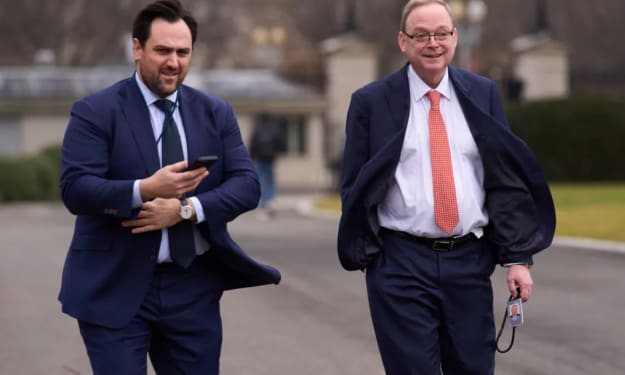
Financial markets are rarely patient when uncertainty enters the room — and this week, that impatience showed up clearly in the bond market. U.S. Treasury yields jumped after former President Donald Trump signaled that Kevin Hassett is unlikely to be his choice for the next Federal Reserve chair, while investors increasingly believe that Kevin Warsh, a known monetary hawk, has a clearer path to replacing Jerome Powell. The shift in expectations sent ripples across Wall Street, reigniting concerns about higher interest rates, tighter monetary policy, and the future direction of the U.S. economy. The reaction underscores a simple truth: who leads the Federal Reserve matters just as much as what the Fed does. Why Bond Yields Reacted So Quickly Bond yields move inversely to prices, and when investors expect interest rates to remain higher for longer, yields tend to rise. That is exactly what happened when Trump’s comments reshaped the perceived Fed leadership race. Kevin Hassett, a former Trump economic adviser, has generally been viewed by markets as more pragmatic and policy-flexible. While not dovish, he has supported growth-friendly economic frameworks and has not been closely associated with aggressive interest-rate tightening. Kevin Warsh, by contrast, carries a reputation as decidedly hawkish. A former Federal Reserve governor, Warsh has repeatedly criticized prolonged low-interest-rate policies and warned that inflation risks have been underestimated in recent years. As investors began to price in a higher probability of Warsh leading the Fed, Treasury yields climbed, particularly at the long end of the curve — a sign that markets expect tighter financial conditions over time. The Power of Fed Chair Expectations Even though Jerome Powell remains Fed chair for now, markets are forward-looking by nature. Expectations about future leadership influence current pricing, especially in interest-rate-sensitive assets like bonds, mortgages, and equities. A hawkish Fed chair typically implies: Greater willingness to raise rates Less tolerance for inflation overshoots Stronger focus on price stability over growth Tighter financial conditions for longer periods For bond investors, that means higher yields are needed to compensate for future rate risk. For stock markets, it raises questions about valuations, borrowing costs, and earnings growth. Trump’s comments didn’t name Warsh explicitly — but by signaling that Hassett is unlikely, the field narrowed, and markets filled in the blanks quickly. Why Kevin Warsh Alarms Wall Street Kevin Warsh is not an unknown quantity. He served at the Federal Reserve during the 2008 financial crisis and later became one of the most vocal critics of the Fed’s ultra-easy monetary policies. In recent years, Warsh has argued that: Inflation was fueled by excessive stimulus The Fed waited too long to tighten policy Central banks have become too politically entangled Credibility must be restored through discipline For inflation hawks, this makes him an attractive candidate. For markets accustomed to liquidity support and cautious tightening, it makes him unsettling. Bond traders, in particular, see Warsh as someone less likely to pivot quickly if economic growth slows — a stance that reinforces expectations of “higher for longer” rates. Trump, the Fed, and Political Signals Trump has long expressed frustration with Jerome Powell, frequently criticizing the Fed during his presidency for not cutting rates aggressively enough. However, inflation has changed the political calculus. With price pressures remaining sticky and voters sensitive to cost-of-living issues, a tougher stance on inflation may now carry political appeal. Signaling openness to a hawkish Fed chair allows Trump to position himself as serious about inflation control, even if it unsettles markets. Importantly, the Fed chair appointment is one of the most consequential economic decisions a president can make. Markets know that rhetoric today can translate into policy tomorrow — and they react accordingly. What Rising Bond Yields Mean for the Economy Higher Treasury yields ripple through the economy in multiple ways: Mortgage rates increase, putting pressure on housing Corporate borrowing becomes more expensive Government debt servicing costs rise Stock valuations face downward pressure Even modest yield increases can have outsized effects, especially after years of historically low rates. That’s why markets reacted so strongly — the issue isn’t just who runs the Fed, but what their philosophy implies for growth, jobs, and financial stability. Is Jerome Powell Really on the Way Out? Jerome Powell’s term still has time remaining, and no official decision has been made. However, speculation about his replacement has intensified as political campaigning accelerates. Powell has walked a difficult line: tightening aggressively to tame inflation while trying to avoid tipping the economy into recession. His approach has drawn criticism from both sides — too slow for hawks, too aggressive for doves. Markets now see a meaningful chance that the next Fed chair could represent a clean break from Powell’s balancing act, especially if inflation remains stubborn. Uncertainty Is the Real Market Driver It’s worth noting that markets aren’t reacting to an actual policy change — only to signals and probabilities. But uncertainty itself is a powerful force. When investors can’t clearly see: Who will lead the Fed How aggressively policy will be tightened How politics will influence monetary independence They demand higher returns for holding long-term assets. That demand shows up as higher yields. In that sense, the bond market isn’t making a judgment — it’s protecting itself. Final Thoughts The jump in bond yields following Trump’s comments highlights how sensitive markets are to Federal Reserve succession politics. By signaling that Kevin Hassett is unlikely and leaving room for a hawkish figure like Kevin Warsh, Trump shifted expectations toward tighter future monetary policy — and Wall Street reacted instantly. Whether Warsh ultimately becomes Fed chair remains uncertain. But the episode serves as a reminder that the Fed’s credibility, independence, and leadership shape markets long before any official decision is made. As inflation, politics, and economic growth collide, investors will continue watching every signal — spoken or unspoken — from those with the power to shape the next era of U.S. monetary policy.
By Muhammad Hassanabout a month ago in The Swamp
Chinese EVs Closing In on America After Canadian Tariffs Deal. AI-Generated.
The electric vehicle race is no longer just about climate goals or consumer choice — it has become a geopolitical contest. And in early 2026, a subtle but powerful move by Canada may have tilted the board. By agreeing to sharply reduce tariffs on Chinese electric vehicles, Canada has opened a door that the United States has worked hard to keep shut. While Chinese EVs are still largely barred from the American market, they are now edging closer than ever — not by crossing the border directly, but by entering through Canada. This development raises a pressing question: Are Chinese EVs closing in on America, and what does that mean for the future of North American auto markets? The Deal That Changed the Game Canada’s new agreement with China allows up to 49,000 Chinese-made electric vehicles per year to enter the Canadian market at a tariff rate of just over 6%, a dramatic drop from the previous 100% tariff that effectively blocked them. On paper, the quota seems small. In reality, it carries enormous symbolic and strategic weight. For years, both Canada and the United States aligned closely on keeping Chinese EVs out, citing concerns over unfair subsidies, national security, and the protection of domestic auto industries. This new deal marks a clear shift — and a divergence from U.S. policy. Canada didn’t make the decision in isolation. The EV tariff reduction was part of a broader trade reset with China, tied to agricultural exports such as canola and efforts to stabilize a strained economic relationship. Why Chinese EVs Matter So Much China is the undisputed leader of the global electric vehicle industry. Its manufacturers produce EVs at scale, often at prices Western automakers struggle to match. Brands like BYD, Nio, and Xpeng have already expanded aggressively into Europe, Southeast Asia, and parts of the Middle East. North America has remained one of the final fortified markets — until now. Chinese EVs are appealing not just because they’re cheaper, but because they’ve rapidly improved in quality, range, and technology. For consumers priced out of North American and European EV models, Chinese vehicles offer something rare: affordability without sacrificing features. Canada’s decision gives Chinese automakers their first legitimate foothold in North America — and footholds tend to grow. Why the U.S. Is Nervous The United States still enforces a 100% tariff on Chinese EV imports, making them effectively unsellable in the American market. But Canada’s move has triggered concern in Washington. U.S. officials argue that Chinese EVs entering Canada could indirectly pressure American markets, influence supply chains, and weaken Washington’s leverage in future trade negotiations. There’s also a political dimension. Both major U.S. parties have framed Chinese dominance in EVs as a strategic threat — not just to auto jobs, but to technological leadership. Modern EVs collect vast amounts of data, and lawmakers have raised concerns about cybersecurity and foreign data access. While Chinese EVs aren’t rolling onto American roads yet, their presence just across the border changes the conversation. Canada’s Risk — and Opportunity Inside Canada, the reaction has been mixed. Automotive hubs like Ontario worry that opening the market could undermine domestic manufacturing and strain relations with the U.S., Canada’s largest trading partner. Some leaders have called the deal “lopsided,” warning it could cost jobs if American retaliation follows. Others see opportunity. A more competitive EV market could lower prices for Canadian consumers and accelerate EV adoption. It may also attract Chinese investment into Canada itself — including factories, battery plants, and supply chain partnerships. If Chinese automakers choose to build in Canada rather than simply export to it, the country could position itself as a bridge between Chinese EV innovation and North American demand. That balancing act — between economic opportunity and political risk — defines Canada’s strategy. Are Chinese EVs Really ‘Closing In’ on America? For now, the answer is: not directly — but strategically, yes. Chinese EVs sold in Canada won’t automatically flood the U.S. market. Regulations, trade rules, and tariffs still stand in the way. But proximity matters. Supply chains overlap. Consumer awareness spreads. Manufacturing footprints expand. There’s also the possibility of a workaround: Chinese companies could eventually build EVs in North America to bypass tariffs altogether. This idea has already been floated — but it faces fierce resistance from U.S. lawmakers and unions. Still, history shows that once a global industry leader gains regional access, momentum often follows. What This Means for Consumers For Canadian buyers, the impact could be immediate: more choice and lower prices in an EV market that has long been criticized for being expensive and limited. For American consumers, the effect will be indirect — at least at first. But increased competition could eventually pressure U.S. automakers to reduce prices, improve features, and accelerate innovation. The larger question is whether North America wants competition or insulation — and how long insulation can realistically last in a globalized EV economy. The Bigger Picture: A Global EV Power Shift Canada’s tariff deal reflects a broader reality: China’s dominance in electric vehicles is reshaping global trade, whether governments like it or not. Europe is already grappling with an influx of Chinese EVs. Emerging markets are embracing them. And now, North America has its first real crack in the wall. This isn’t just about cars. It’s about who controls the future of clean transportation, supply chains, and industrial policy. Final Thoughts Chinese EVs aren’t driving down American highways yet — but after Canada’s tariff deal, they’re closer than ever. This move doesn’t spell immediate disruption, but it does signal a shift. One country has decided that economic pragmatism outweighs political alignment. And in doing so, Canada may have opened the door to a new phase of EV competition in North America. Whether that door swings wider — or slams shut — will depend on how the U.S., automakers, and consumers respond. One thing is certain: the EV race just entered a new chapter.
By Muhammad Hassanabout a month ago in Earth
Tidal Barrier to Be 10m Shorter to Save Money. AI-Generated.
Rethinking Flood Protection in Somerset If you live near the coast, the threat of flooding isn’t just news — it’s a reality you can feel. That’s the situation in Bridgwater, Somerset, a historic market town near the Bristol Channel. For years, plans have been underway to build a tidal barrier to protect homes, businesses, and livelihoods from storm surges. Now, new updates reveal the barrier will be about 10 metres shorter than originally planned, a decision aimed at reducing costs while still keeping the town safe. This announcement has sparked conversations about engineering, budgets, and how communities adapt to climate challenges. Why the Barrier Is Being Shortened The Bridgwater Tidal Barrier was initially designed to be a high-profile flood defence, protecting thousands of properties from tidal surges that travel up the River Parrett. But after a recent design efficiency review, engineers concluded the barrier could be slightly shorter without compromising safety. Reducing the barrier by 10 metres lowers construction complexity, saves money, and reduces long-term maintenance costs. The Environment Agency and local authorities say this approach allows the project to move forward on time and on budget, ensuring the community gets protection sooner rather than later. The Cost Factor Public infrastructure projects like this don’t happen in a vacuum. Rising inflation, global supply chain disruptions, and labor shortages have increased costs for large-scale projects. Officials argue that the revised design is a responsible compromise: it balances cost savings with safety. Somerset Council leaders have welcomed the decision, noting that managing costs wisely helps the project reach completion without compromising protection for residents. Community Voices and Concerns Local engagement has been a key part of the project. Residents have attended consultations and drop-in sessions to see the updated plans and ask questions. Some community members appreciate the cost savings and faster timeline. Others worry whether a shorter barrier will be as effective against future extreme weather events. Questions include: Will the barrier remain strong against increasingly unpredictable storms? Does reducing the height limit future adaptability as climate impacts grow? What effect might it have on local ecosystems and fish habitats? These are valid concerns, reflecting how communities are increasingly involved in climate adaptation decisions. Engineering Flood Defence Today Tidal barriers are not new — Britain has relied on them for decades. London’s Thames Barrier, for instance, has protected the capital since the 1980s. But today, rising sea levels and more frequent storms mean engineers must balance safety, cost, and environmental impact carefully. In Bridgwater, officials say the revised barrier will still protect against 1-in-200-year tidal events. It’s designed to provide robust safety now while remaining adaptable for the future. The Human Side of Flood Protection It’s easy to get lost in numbers and metres, but behind the design decisions are real people. Residents depend on reliable flood protection to feel secure in their homes and communities. For families, businesses, and local services, knowing a barrier is being built — even a slightly shorter one — provides peace of mind. It’s not just a structure; it’s a symbol of resilience and preparedness. Next Steps for the Barrier The Bridgwater project is still under construction, with the revised design undergoing final refinements. Once completed, the tidal barrier will provide long-term protection for thousands of properties and critical infrastructure in Somerset. Officials emphasize that the shortened design does not compromise safety. If anything, staying on budget ensures the project is completed faster, meaning protection arrives sooner for the community. A Lesson in Climate Adaptation The story of the Bridgwater Tidal Barrier is more than engineering or economics. It’s about how communities respond to climate risks and how governments make tough choices balancing safety, cost, and sustainability. The barrier being 10 metres shorter may seem small on paper, but it reflects a larger truth: infrastructure planning today is as much about community engagement, adaptability, and long-term resilience as it is about concrete and steel. By keeping people involved and making informed, cost-effective decisions, Somerset shows how towns can adapt to climate change without sacrificing safety. Conclusion The Bridgwater Tidal Barrier demonstrates that infrastructure projects in the 21st century must adapt to multiple pressures: climate change, financial constraints, and community expectations. While the barrier is slightly shorter than originally planned, it remains a critical line of defence against flooding. More importantly, it highlights the importance of public involvement, transparency, and strategic planning in building a resilient community. For Bridgwater residents, the message is clear: the tide may rise, storms may come, but with smart planning and community engagement, the town will be ready
By Muhammad Hassanabout a month ago in Earth
An Attempt to Break People’: Bucha Holds Out Amid Russia’s Weaponisation of Winter. AI-Generated.
After four years of conflict, the city that became infamous in 2022 for the atrocities of Russian occupation is facing a different kind of battle. This time, the enemy is winter, weaponised by deliberate attacks on power grids, heating systems, and basic infrastructure. For residents, survival has become a daily struggle — and a test of resilience. Bucha’s Legacy of Survival Bucha is no stranger to suffering. During the early months of Russia’s invasion, the world was horrified by images of civilian massacres, abandoned homes, and streets lined with the evidence of violence. The city became a symbol of wartime atrocity. Now, though the guns have quieted somewhat, a new kind of pressure is emerging. Russian forces have deliberately targeted energy infrastructure, knowing that winter’s arrival would magnify the damage. Power plants, heating systems, and water facilities have been hit, leaving homes dark and cold, hospitals under strain, and schools struggling to function. For locals, this is not just an attack on infrastructure — it’s an attack on morale. It’s a calculated effort to make life unbearable, to test whether people will stay or flee, and to try to break the community from within. Life in the Dark Power outages have become a grim part of daily life. Residents report long stretches without electricity, traffic lights left dark, and homes turning into icy shells. Oleksandr Bartkov, owner of a local café, shares how daily business now depends on limited hours of electricity. “Of the eight or nine hours we usually operate, we might only have three or four hours of power,” he says. When a major strike occurred during a severe cold snap, Bartkov’s café stayed closed for days. Like many small businesses, they survive on generators — if they work — or close entirely. It’s not just businesses that suffer. Families huddle under blankets in freezing apartments, rationing food and water while the cold seeps into walls and floors. The winter is no longer just a season; it is a weapon, deployed against ordinary people. Weaponising Winter Officials describe these attacks as deliberate. By targeting energy infrastructure during the harshest months, Russian forces are not only cutting off electricity but also aiming to undermine the mental and physical resilience of communities like Bucha. Mayor Anatolii Fedoruk explains that even though Bucha’s electrical grid is relatively modern and distributed, the repeated strikes have severely strained its capacity. “Russia knew the severe frost was coming, and they wanted to hit the power plants,” Fedoruk says. This strategy is about more than freezing people’s homes. It’s psychological warfare, designed to make civilians feel vulnerable, unsafe, and powerless. It’s a chilling reminder that in modern conflict, energy systems can become as critical a battleground as any frontline. The Human Toll The effects on daily life are profound. In shelters, displaced families huddle in rooms warmed by generators or improvised heaters. Walls are thin, kitchens cold, and nights unbearably long. Vitalina Tsisar, a shelter manager, recalls nights when the generator failed and temperatures inside dropped near freezing. Children stayed in hats and coats, parents tried to keep spirits up, but the fear of the cold was constant. “It makes people afraid,” Tsisar says. “When it is this cold outside, you feel yourself freezing.” Hospitals and schools are also under pressure. With power and heating interrupted, critical services struggle to function. Even small inconveniences, like a broken refrigerator or a darkened hallway, become magnified threats in winter. Government Response and International Aid The Ukrainian government has declared a state of emergency, warning that energy reserves are dwindling and calling for international assistance. President Volodymyr Zelenskyy has stressed the need for preparedness and warned of the dangers of continued attacks. Experts describe the assault on infrastructure as part of a broader strategy — one that targets civilians indirectly to weaken resistance. Energy analyst Oleksandr Kharchenko puts it bluntly: “This is an attempt to break people.” International aid has provided some relief, from temporary shelters and heaters to emergency fuel for generators. But the scale of the attacks, combined with harsh winter conditions, makes the crisis ongoing and unpredictable. Resilience in the Cold Despite these enormous challenges, the people of Bucha are standing firm. History has taught them resilience. When Russian troops first occupied the city, they endured occupation, resistance, and ultimately liberation. Now, with winter turned into a weapon, the city is proving that its spirit is not so easily broken. Neighbors check on one another, communities share generators, and children still play in the snow, bundled in coats and hats. Streets may be dark, shops may be closed, and nights may be freezing, but life continues. The cold may freeze the city physically, but it cannot freeze the will of its people. A Message Beyond Bucha Bucha’s struggle is a stark reminder that war does not only involve guns and tanks. It can be fought in the silence of a blackout, the drop of a thermometer, and the slow creep of frost into homes. But it also shows the extraordinary human capacity to endure, adapt, and survive. In a winter weaponised against them, Bucha continues to hold out. And in doing so, the city sends a powerful message: oppression may try to break people, but resilience can shine even in the darkest, coldest hours.
By Muhammad Hassanabout a month ago in Humans
White House Weighs Executive Action to Cap Credit Card Rates. AI-Generated.
The White House is reportedly considering executive action to impose a cap on credit card interest rates, a move that could significantly impact millions of Americans grappling with rising debt. With household credit card balances climbing and interest rates at multi-decade highs, the potential policy has sparked debate among economists, consumer advocates, and the financial industry. The decision, if implemented, would be one of the most direct interventions by the federal government into consumer credit markets in decades. Rising Credit Card Debt in America Credit card debt has surged in the United States, fueled by post-pandemic spending, inflation, and rising interest rates. According to recent reports, U.S. consumers carry over $1 trillion in outstanding credit card balances, with average interest rates hovering around 20% or higher. For many households, high-interest debt has become a cycle that is increasingly difficult to escape. The White House’s contemplation of a federal cap on these rates reflects growing concern about consumer financial stress. Advocates argue that without intervention, millions of Americans may face long-term financial instability, risking defaults and broader economic consequences. What the Executive Action Might Entail While details are still emerging, an executive action could allow the federal government to directly limit the interest rates charged on credit cards without requiring new legislation from Congress. Historically, credit card interest rates have been regulated at the state level, with federal law largely leaving them to market forces. Potential provisions of such an executive action could include: Maximum APR (Annual Percentage Rate) Limits: A fixed ceiling on the interest rate credit card companies can charge. Protection for Vulnerable Consumers: Specific safeguards for households carrying high balances or at risk of default. Transparency Requirements: Ensuring credit card terms and fees are clearly disclosed to consumers. The action may be temporary or structured to last until Congress enacts more permanent legislation addressing consumer credit. Supporters’ Perspective Consumer advocacy groups and some Democratic lawmakers have welcomed the idea of a rate cap. They argue that excessive interest rates exacerbate inequality and disproportionately affect lower- and middle-income households. “Credit cards should not be traps that keep hardworking Americans in debt,” says Angela Martinez, director of a consumer rights nonprofit. “A rate cap can provide immediate relief, giving families breathing room to pay down balances and regain financial stability.” Supporters also contend that such an intervention could prevent predatory practices by certain lenders and protect the broader economy from potential debt crises caused by widespread defaults. Critics’ Concerns Financial institutions and some economists warn that capping rates could have unintended consequences. Banks may respond by: Reducing Credit Access: Higher-risk consumers might find it harder to obtain credit if lenders can’t price risk appropriately. Increasing Fees: Banks could compensate for lost interest income through higher fees or other charges. Impacting Lending Behavior: Credit card issuers may tighten credit limits, change terms, or reduce incentives like rewards programs. Economist Kevin Anderson notes, “While a rate cap helps existing cardholders, it could reduce access to credit for consumers who need it most. The challenge is finding a balance between affordability and maintaining a healthy credit market.” Historical Context Interest rate caps are not a new concept in the United States. During the 1980s and 1990s, several states imposed limits on credit card interest rates, but federal law eventually allowed national banks to preempt state caps, creating today’s largely market-driven system. Previous efforts at limiting rates at the federal level have been controversial, with debates centered on consumer protection versus market efficiency. The current economic environment—high inflation and rising consumer debt—has reignited discussions about the need for intervention. Potential Economic Impact Implementing a federal rate cap could have wide-ranging effects: Immediate Consumer Relief: For households carrying high-interest debt, even a small reduction in rates could free up monthly cash flow for other expenses or debt repayment. Market Adjustments: Banks may revise lending practices, potentially affecting the broader credit market and interest rates on other loan products. Behavioral Changes: Consumers may adjust borrowing habits, potentially reducing reliance on credit cards and seeking alternative financing. Financial analysts caution that the effectiveness of such a policy depends on the specific structure of the cap and accompanying measures to ensure continued access to credit. Political Implications The move to cap credit card rates reflects a broader political focus on economic fairness and consumer protection. For the administration, it signals a commitment to addressing everyday financial challenges faced by Americans, particularly in the context of rising inflation and living costs. However, any executive action is likely to face legal challenges from financial institutions and industry groups arguing that such a cap exceeds presidential authority or conflicts with federal banking laws. The outcome could shape debates on executive power and the limits of regulatory intervention in financial markets. What Consumers Should Know For consumers, the news of a potential rate cap offers hope but also underscores the importance of personal financial management. Experts advise: Pay Down High-Interest Debt: Reducing balances remains the most effective way to limit interest costs. Shop for Lower-Rate Cards: Comparing credit card offers can help minimize interest payments. Budget Carefully: Managing monthly expenses and avoiding new high-interest debt remains critical, regardless of policy changes. Even with a federal cap, personal financial decisions will continue to determine long-term stability. Conclusion The White House’s consideration of an executive action to cap credit card interest rates highlights the ongoing struggle between consumer protection and market dynamics. For millions of Americans carrying high-interest debt, the proposal could offer much-needed relief. At the same time, the move introduces uncertainty for banks, lenders, and the broader credit market. Legal, economic, and political factors will all play a role in shaping the final outcome. Ultimately, whether the policy is enacted or challenged, the discussion underscores a central issue: ensuring that credit is both accessible and affordable for all Americans. As the administration weighs its options, households, financial institutions, and lawmakers will watch closely, knowing that the decisions made today could have lasting effects on consumer finances for years to come.
By Muhammad Hassanabout a month ago in The Swamp
Supreme Court to Review Monsanto’s Bid for Immunity in Roundup Lawsuits. AI-Generated.
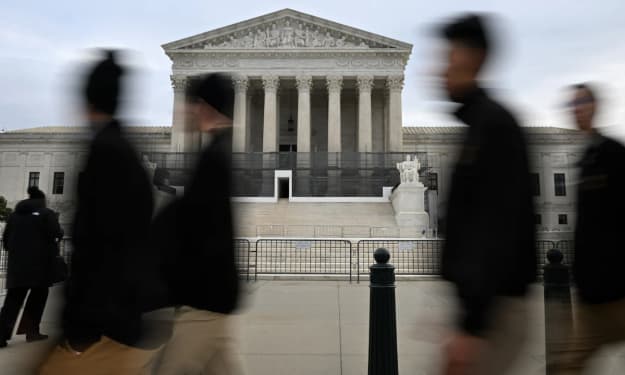
The U.S. Supreme Court has agreed to review Monsanto’s appeal seeking immunity from lawsuits related to its popular herbicide, Roundup. This decision marks a critical moment for both the company and individuals claiming health damages from the chemical, which contains glyphosate—a substance under scrutiny for potential links to cancer. The review could have wide-reaching implications for corporate accountability, public health, and the legal landscape surrounding chemical products. Background on Roundup and Legal Challenges Roundup, a herbicide produced by Monsanto (now owned by Bayer), has been a staple in agriculture and home gardening for decades. Glyphosate, its active ingredient, was introduced as a highly effective solution for weed control. However, in recent years, scientific studies and lawsuits have raised concerns about its potential carcinogenic effects. Thousands of plaintiffs have claimed that exposure to Roundup caused non-Hodgkin lymphoma and other health issues. Numerous state and federal courts have seen extensive litigation, with some plaintiffs receiving multimillion-dollar verdicts. Monsanto has consistently defended the product, emphasizing that regulatory agencies worldwide have deemed glyphosate safe when used as directed. Monsanto’s Bid for Immunity Monsanto is appealing for legal immunity, arguing that its use of Roundup was regulated and approved by federal agencies, and therefore the company should not be held liable in civil lawsuits. The company contends that federal oversight should preempt individual claims, a legal doctrine known as federal preemption. In essence, Monsanto is asserting that because the Environmental Protection Agency (EPA) has evaluated and permitted glyphosate use, states or courts should not hold the company personally accountable for alleged harm. Why the Supreme Court’s Review Matters The Supreme Court’s decision to hear the case is significant for several reasons: Corporate Accountability: A ruling in favor of Monsanto could strengthen corporate defenses in cases where products are federally regulated, potentially limiting lawsuits against companies producing similar chemicals or pharmaceuticals. Public Health: Plaintiffs and advocacy groups argue that a corporate victory could undermine accountability for harmful products and reduce incentives for companies to rigorously test safety. Legal Precedent: The case could set a nationwide precedent regarding federal preemption, influencing how courts balance regulatory approval with civil liability. The Supreme Court’s interpretation could reshape the legal landscape for product liability and consumer protection in the United States. Stakeholder Perspectives Plaintiffs and Advocacy Groups For those affected by Roundup, the Supreme Court review is a critical opportunity to hold a powerful corporation accountable. Many plaintiffs argue that Monsanto failed to adequately warn users of the potential risks associated with glyphosate exposure. “People shouldn’t have to choose between using a product as intended and risking their health,” says Laura Mitchell, an attorney representing multiple plaintiffs in Roundup lawsuits. “A ruling that shields Monsanto from liability could leave victims without recourse.” Advocacy groups, such as environmental and cancer prevention organizations, emphasize that transparency and accountability are essential, particularly for chemicals widely used in agriculture and landscaping. Monsanto and Bayer Monsanto, now part of Bayer, maintains that Roundup is safe when used according to label instructions. Bayer has publicly stated that legal challenges have cost billions but that the company continues to stand behind its products. The firm argues that courts must respect federal regulatory authority to avoid creating conflicting standards between federal law and state-level lawsuits. “If companies could be held liable despite following federal regulations, it would set a concerning precedent for innovation and regulatory compliance,” a Bayer spokesperson said. Broader Implications The Supreme Court review has implications far beyond Monsanto and Roundup: Agricultural Industry: Glyphosate and similar herbicides are widely used in crop production. Legal outcomes could influence labeling, usage guidelines, and liability risk for other companies in agriculture. Consumer Products: The ruling could affect cases involving pharmaceuticals, chemicals, and other regulated products, particularly when federal agencies approve them. Regulatory Authority vs. Civil Liability: The decision may clarify the balance between federal oversight and state-level tort claims, potentially shaping how courts interpret the limits of corporate immunity. Previous Court Decisions Lower courts have issued mixed rulings in Roundup lawsuits. Some courts awarded substantial damages to plaintiffs, while others limited awards or found in favor of Monsanto. These inconsistent outcomes underscore the complexity of balancing scientific evidence, regulatory approval, and legal responsibility. Federal appeals courts have previously sided with both sides in separate cases, making Supreme Court intervention necessary to establish uniform legal standards nationwide. Public and Media Reaction Media coverage of Monsanto’s legal challenges has been extensive, reflecting public concern over chemical safety and corporate responsibility. Many reports highlight the tension between regulatory approvals and individual health claims, questioning whether federal endorsements automatically protect companies from lawsuits. Public sentiment is divided. Supporters of corporate immunity argue that companies need protection to operate and innovate without fear of excessive litigation. Opponents worry that such immunity could prioritize corporate interests over public health. What to Expect The Supreme Court will now evaluate key questions: Does federal regulatory approval preempt state-level claims of harm? Can companies be held liable even if they followed federal guidelines? How should courts balance scientific uncertainty with civil justice? The decision, expected within the next year or two, will be closely watched by lawyers, plaintiffs, corporations, and advocacy groups alike. Conclusion The Supreme Court’s review of Monsanto’s bid for immunity in Roundup lawsuits represents a landmark moment in American legal history. The case has the potential to redefine corporate liability, influence public health policy, and set precedent for future disputes involving federally regulated products. For plaintiffs, the stakes are deeply personal—seeking justice for alleged health impacts caused by widespread chemical exposure. For Monsanto and other corporations, the outcome could determine the limits of accountability in a regulated marketplace. As the Supreme Court deliberates, the nation watches closely, recognizing that the ruling will resonate far beyond Monsanto, affecting consumers, companies, and the broader debate over safety, regulation, and responsibility in the United States.
By Muhammad Hassanabout a month ago in Earth