Muhammad Hassan
Bio
Muhammad Hassan | Content writer with 2 years of experience crafting engaging articles on world news, current affairs, and trending topics. I simplify complex stories to keep readers informed and connected.
Stories (467)
Filter by community
Snow, Rain and Wind Warnings Continue After Storm Goretti Disruption. AI-Generated.
Severe weather has once again placed large parts of the country on edge, as snow, rain, and strong wind warnings continue in the aftermath of Storm Goretti. While the storm’s most intense phase may have passed, its disruption lingers, leaving transport networks strained, power services under pressure, and communities bracing for further unsettled conditions. Storm Goretti arrived with a powerful combination of heavy rainfall, gusty winds, and wintry conditions in higher and northern regions. The immediate impact was widespread: flooded roads, fallen trees, travel cancellations, and temporary power outages. Now, as emergency crews and local authorities work through the damage, meteorologists are warning that the weather pattern remains unstable, with fresh alerts issued for snow, rain, and wind in the days ahead. What Storm Goretti Left Behind Goretti’s passage was fast but forceful. Torrential rain caused rivers to swell and surface water flooding to develop quickly in low-lying areas. In exposed coastal and upland regions, wind gusts were strong enough to bring down trees and damage infrastructure. Meanwhile, colder air sweeping in behind the storm delivered snow and icy conditions, particularly affecting rural roads and higher elevations. For many commuters, the disruption was immediate and frustrating. Rail services were delayed or suspended due to flooded tracks and debris on lines. Roads became hazardous, with localised closures as emergency teams worked to clear fallen branches and manage flooding. Airports also reported delays, as strong crosswinds and poor visibility complicated operations. Although the storm itself has moved on, its effects are far from over. Ongoing Warnings: Why the Risk Remains High Weather agencies have stressed that the current warnings should be taken seriously. The ground is already saturated from recent rainfall, meaning even moderate additional rain could lead to further flooding. Rivers and drainage systems are under strain, and recovery time is limited before the next weather system arrives. Snow and ice warnings add another layer of concern. Overnight temperatures are expected to dip in several regions, increasing the risk of icy roads and pavements. For drivers, this creates dangerous conditions, especially in areas where gritting resources are stretched after consecutive weather events. Wind warnings also remain in place, particularly along coasts and in elevated areas. While gusts may not reach the peak levels seen during Goretti, even slightly weaker winds can still cause problems when trees and structures have already been weakened. Impact on Communities and Daily Life For local communities, the continuation of weather warnings means disruption becomes a drawn-out experience rather than a short-term event. Schools in some areas have faced temporary closures or delayed openings, especially where travel conditions remain unsafe. Businesses dependent on transport and foot traffic are also feeling the strain, as customers stay home and deliveries are delayed. Rural areas are often hit hardest. Narrow roads, limited public transport alternatives, and longer response times can make even minor weather incidents more serious. Farmers are also concerned about waterlogged fields, livestock safety, and damage to fencing and buildings. In urban centres, the focus has shifted to managing surface water flooding and ensuring public transport can run safely. Councils are urging residents to report blocked drains and avoid unnecessary travel during warning periods. Emergency Services Under Pressure Emergency and utility services continue to operate at high alert. Fire and rescue teams have been responding to flooding incidents, fallen trees, and weather-related accidents. Power companies are working to restore and reinforce electricity supplies, while also preparing for the possibility of new outages if conditions deteriorate again. Local authorities have opened temporary support centres in some regions, particularly for vulnerable residents affected by power cuts or flooding. These efforts highlight the importance of community preparedness, as repeated weather events stretch resources and personnel. The Broader Weather Pattern Meteorologists explain that Storm Goretti is part of a broader pattern of unsettled weather driven by active Atlantic systems. Instead of a single storm followed by calm conditions, the atmosphere is producing a succession of fronts, each bringing its own mix of rain, wind, and temperature changes. This pattern increases uncertainty and makes forecasting more challenging. Small shifts in temperature can mean the difference between rain and snow, while slight changes in wind direction can significantly affect coastal impacts. As a result, weather warnings may be updated frequently, requiring the public to stay informed and flexible. How to Stay Safe During Continued Warnings Authorities are urging people not to become complacent simply because the main storm has passed. Continued vigilance is essential, especially as conditions can change quickly. Key safety advice includes: Avoid unnecessary travel during periods of snow, ice, or strong winds. Check weather updates regularly from official sources. Secure loose items outdoors that could become dangerous in high winds. Be cautious near rivers, coastlines, and flood-prone areas. Look out for neighbours, particularly elderly or vulnerable individuals. Preparation can make a significant difference, especially when weather disruption extends over several days rather than a single event. Looking Ahead While there are signs that conditions may gradually improve later in the week, the immediate outlook remains unsettled. The continuation of snow, rain, and wind warnings after Storm Goretti serves as a reminder of how quickly weather can impact daily life and essential services. For now, recovery and preparedness must go hand in hand. Clearing up after one storm while preparing for the next has become an unfortunate reality for many communities. As climate patterns continue to shift, such sequences of disruptive weather may become more common, making resilience and awareness more important than ever. Storm Goretti may no longer dominate the forecasts, but its legacy lives on in the warnings that remain—and in the determination of communities working through yet another challenging spell of weather.
By Muhammad Hassanabout a month ago in Earth
Ukraine War Briefing: Kyiv Battles to Stabilise a Ruined Power Grid After Major Russian Attack. AI-Generated.
The war in Ukraine has entered another punishing phase, one where missiles and drones are no longer just aimed at military targets but at the infrastructure that keeps daily life running. Following a major Russian attack on energy facilities, Kyiv is now struggling to stabilise a power grid left battered and dangerously fragile. The latest strikes have plunged cities into darkness, disrupted heating and water supplies, and placed enormous strain on engineers racing against time, weather, and war. This briefing looks at what happened, why Ukraine’s power grid is such a critical target, and what the damage means for civilians, the government, and the wider conflict. A Renewed Assault on Energy Infrastructure In the early hours of the latest attack, waves of missiles and drones struck key energy sites across Ukraine. Power stations, substations, and transmission lines were hit simultaneously, suggesting a coordinated effort to overwhelm air defences and cripple electricity distribution. Ukrainian officials described the assault as one of the most damaging in recent months. While some missiles were intercepted, enough reached their targets to cause widespread outages. Entire regions experienced rolling blackouts, while critical services were forced onto emergency generators. For Kyiv, the capital, the consequences were immediate. Traffic systems faltered, apartment blocks lost heating, and hospitals were pushed to rely on backup power. In a city that has already endured repeated energy shocks since the start of the invasion, the psychological impact of returning darkness is profound. Why the Power Grid Matters So Much Ukraine’s power grid has become one of the central battlefields of the war. Unlike front-line fighting, attacks on infrastructure directly affect millions of civilians far from combat zones. Electricity is not just about lights; it underpins heating systems, water pumping, telecommunications, transport, and healthcare. By targeting the grid, Russia aims to weaken morale, disrupt the economy, and force the Ukrainian government into difficult choices. Each blackout tests public resilience and increases pressure on leaders to divert resources from military needs to civilian survival. For Ukraine, keeping the grid functioning is now a matter of national security. Energy stability affects everything from factory production to the ability of air defence systems and command centres to operate effectively. The Scale of the Damage Officials have been cautious about releasing precise details, citing security concerns, but the picture is grim. Key thermal and hydroelectric facilities suffered damage, while high-voltage substations were knocked offline. Transmission lines connecting regions were also hit, complicating efforts to reroute power. Engineers describe the grid as “patched together” after nearly two years of repeated attacks. Each new strike compounds existing weaknesses, making repairs more complex and less durable. Temporary fixes that worked months ago are now failing under renewed pressure. The challenge is not just physical destruction. Replacement equipment is scarce, specialised, and often imported. Installing it under constant threat of further strikes turns routine engineering work into a dangerous, high-stakes operation. Kyiv’s Race Against Time Ukrainian energy workers have once again become unsung heroes of the war. Working around the clock, often under air raid sirens, they are attempting to restore partial power and prevent a total collapse of the system. The government has introduced emergency schedules, prioritising electricity for hospitals, water facilities, and military-related industries. Rolling blackouts are being used to balance limited supply with essential demand. Officials acknowledge that stabilisation, not full recovery, is the immediate goal. With winter temperatures dropping, the focus is on keeping heating systems operational and preventing humanitarian crises in major cities. Kyiv has also urged citizens to conserve energy wherever possible, a message that has become familiar but no less urgent with each new wave of attacks. Civilian Life Under Strain For ordinary Ukrainians, the power crisis adds another layer of hardship to lives already shaped by war. Families adapt by stocking candles, power banks, and portable heaters. Shops and cafes operate when electricity is available, closing abruptly when outages hit. In apartment buildings, especially high-rises, the loss of power means no elevators and limited water pressure. For elderly residents and those with medical needs, these disruptions can be life-threatening. Despite the strain, public morale remains a key strength. Many Ukrainians see endurance as a form of resistance, refusing to let blackouts break their resolve. Social media is filled with images of candle-lit dinners and communal efforts to support vulnerable neighbours. International Support and Its Limits Western allies have provided Ukraine with air defence systems, generators, and financial aid aimed at bolstering energy resilience. These measures have undoubtedly saved lives and prevented even greater damage. However, the scale and frequency of the attacks highlight the limits of external assistance. Air defences cannot intercept every missile, and generators are only a stopgap solution. Rebuilding and hardening the grid requires time, money, and security—three things in short supply during an active war. The latest strikes are likely to renew calls from Kyiv for additional air defence capabilities, particularly to protect energy infrastructure. For Ukraine’s partners, the question is not only how much to provide, but how quickly. What This Means for the War Ahead The battle over Ukraine’s power grid underscores the long-term nature of the conflict. Rather than decisive breakthroughs on the battlefield, the war increasingly revolves around endurance, logistics, and civilian resilience. For Russia, infrastructure attacks offer a way to apply pressure without major territorial advances. For Ukraine, surviving these assaults while maintaining military resistance is a delicate balancing act. As Kyiv struggles to stabilise a ruined power grid once again, the message is clear: the war is being fought not only with tanks and troops, but with transformers, cables, and the will of a population determined to keep the lights on—literally and figuratively. In this phase of the conflict, every restored power line is an act of defiance, and every hour of electricity is a reminder that Ukraine’s resistance extends far beyond the front lines.
By Muhammad Hassanabout a month ago in The Swamp
Italy’s Hidden Gem: Discovering a Town with La Serenissima Views and Its Own Cipriani. AI-Generated.
Italy is a country celebrated for its iconic cities—Rome, Florence, Venice—but tucked away between the famed tourist routes are towns that seem frozen in time, offering charm, history, and beauty in abundance. Among these hidden treasures lies one of the country’s most unsung towns, a place where you can sip a cocktail reminiscent of Venice’s glamour, while gazing at La Serenissima-inspired vistas. Even more surprisingly, this little town boasts its own Cipriani-style experience, rivaling the luxury and sophistication typically reserved for Venice itself. A Venetian Feel Without the Crowds The first thing that strikes visitors to this town is its unmistakable Venetian vibe. Canals weave gently through the streets, their waters reflecting pastel-colored buildings and ornate bridges that could be lifted straight from Venice. Gondolas glide gracefully, though here, you’ll find far fewer tourists jostling for photos. The pace is slow, the atmosphere calm, and the view—breathtaking. Locals affectionately call it “little Venice,” not just for its canals but for its architectural echoes of La Serenissima. Strolling along the waterfront, you can admire grand facades adorned with intricate balconies, arched windows, and terracotta rooftops. Unlike Venice, however, the town feels lived-in rather than staged for tourism. Cafés spill onto cobbled squares, children play along the riverbanks, and the scent of freshly baked bread wafts from neighborhood bakeries. Culinary Elegance, Cipriani Style While the vistas may remind you of Venice, the culinary scene makes you think of an Italian luxury experience. The town’s pride is a local eatery inspired by the legendary Cipriani family. Known globally for their refined take on Italian classics, the Cipriani name evokes images of Bellinis, sophisticated menus, and impeccable service. Here, the influence is unmistakable. Visitors can enjoy the signature Bellini cocktail—made with fresh local peaches—while savoring dishes like risotto infused with local herbs, fresh seafood plucked from nearby waters, and handmade pasta that melts in your mouth. Yet the experience remains intimate; tables are spaced generously, and the staff know many patrons by name. Dining here feels like an elegant secret shared among those in the know, a slice of Venetian sophistication without the crowd. History Around Every Corner Beyond its canals and cuisine, the town has a rich history waiting to be explored. Narrow streets open onto hidden squares, some featuring centuries-old fountains or churches with frescoes that have stood the test of time. The local museum provides a window into the town’s past, with artifacts ranging from medieval pottery to Renaissance artwork. Architectural lovers will appreciate the town’s unique blend of styles. Venetian Gothic touches mingle with Romanesque influences, while modern restorations have preserved historical integrity. Even the bridges, modest compared to Venice’s iconic Rialto, carry their own stories—some have been standing for hundreds of years, connecting communities and shaping daily life in subtle but enduring ways. Festivals and Local Life Part of the town’s charm lies in its vibrant local culture. Festivals, often overlooked by mainstream tourism, bring the community together in lively celebrations. From summer music events along the canals to seasonal food fairs, these gatherings offer a glimpse into authentic Italian life. Visitors might find themselves dancing to traditional music, sampling homemade pastries, or watching a local boat race. One particularly enchanting event occurs in early autumn, when the town’s canal waters are lined with floating lanterns. The light reflects off the buildings and water, creating an atmosphere so magical it rivals Venice’s own grand festivities, yet with a warmth and intimacy all its own. Natural Beauty Meets Tranquility While the town captivates with its architecture and food, the surrounding natural scenery provides a peaceful escape. Rolling hills, olive groves, and vineyards frame the town, making it an ideal destination for those seeking both relaxation and inspiration. Hiking trails offer panoramic views of the countryside, while small, secluded beaches nearby allow for quiet moments by the water. For photographers and artists, the combination of light, water, and historic buildings creates endless opportunities for capturing Italy’s beauty. Even a simple morning walk along the canals can reveal reflections, shadows, and colors that feel almost cinematic. Why This Town Deserves More Recognition In an era dominated by travel influencers and bucket lists, towns like this often remain overshadowed by their more famous neighbors. Yet for those who venture here, the rewards are immense: fewer crowds, authentic Italian living, a touch of Venetian glamour, and world-class cuisine. It’s a place where luxury and simplicity coexist, offering an experience that is both refined and deeply personal. Traveling here is more than sightseeing—it’s about soaking in an atmosphere that feels untouched by time. It’s about leisurely afternoons by the canals, evenings filled with exquisite food, and nights under starlit skies, where the water mirrors the town’s lights. Planning Your Visit Getting to this hidden gem is easier than you might think. A short train or car ride from major cities brings you into its heart, and accommodations range from charming boutique hotels to family-run inns. For those seeking luxury, staying at a waterside hotel provides the perfect backdrop for morning coffees with views that rival those of Venice. The best time to visit is during the shoulder seasons—spring or early autumn—when the weather is mild and the town is at its most atmospheric. Summer, while beautiful, can attract regional visitors, slightly changing the town’s serene character. Final Thoughts Italy is filled with wonders, and while Venice, Rome, and Florence deserve their fame, it’s towns like this one that remind us of the country’s quiet magic. With La Serenissima-inspired canals, a local Cipriani-style dining experience, rich history, and an intimate connection to everyday Italian life, this hidden gem is a destination waiting to be discovered. So, pack your camera, your appetite, and a sense of adventure. Step off the tourist trail, and immerse yourself in the understated elegance of Italy’s most unsung town. Here, beauty isn’t shouted from the rooftops—it’s woven into every canal, every cobblestone, and every shared meal.
By Muhammad Hassanabout a month ago in The Swamp
‘An Incomprehensible Nightmare’: Grief Turns to Anger Over Swiss Bar Fire as Le Constellation Owner Arrested. AI-Generated.
New Year’s Eve is meant to symbolize hope, renewal, and fresh beginnings. In the Swiss Alpine resort town of Crans-Montana, however, the arrival of 2026 became a moment of unimaginable horror. A devastating fire at the popular nightclub Le Constellation claimed 40 lives and injured more than a hundred others, transforming a place of music and celebration into the epicenter of one of Switzerland’s deadliest peacetime disasters in decades. What followed was a wave of national mourning — and then something more powerful. As details emerged, grief began to turn into anger, and a collective question echoed across Switzerland and beyond: How could this have happened? A Night That Changed Everything Shortly after midnight on January 1, Le Constellation was packed with young people celebrating the New Year. Witnesses recall a festive atmosphere, champagne flowing, music pulsing, and crowds pressed close together. Within minutes, everything changed. Investigators believe that sparkler-style fireworks attached to champagne bottles ignited flammable soundproofing material on the ceiling. Flames spread rapidly through the confined basement space, filling the venue with smoke and heat before many people could react. Panic followed. Survivors described a desperate rush for exits, poor visibility, and crushing crowds as people tried to escape. Some broke windows. Others were trapped. Emergency services arrived quickly, but the fire’s speed and intensity left little chance for many inside. By dawn, the scale of the tragedy was clear. A Community in Mourning Crans-Montana, better known for ski holidays and postcard-perfect views, became a town united by sorrow. Many of the victims were teenagers and young adults, some as young as 14. Families from Switzerland, France, and Italy gathered in hospitals, churches, and temporary shelters, searching for answers and clinging to hope. A national day of mourning was declared. Bells rang across the country. Vigils were held, candles lit, and names read aloud. Swiss leaders were joined by foreign dignitaries in remembrance ceremonies, underscoring the international impact of the loss. But even as memorials continued, troubling information began to surface. From Grief to Outrage Public emotion shifted dramatically when authorities revealed that Le Constellation had not undergone a mandatory fire safety inspection since 2019, despite regulations requiring regular checks for venues hosting large crowds. For many families, this disclosure felt like a second shock. How could a nightclub operate for years without inspection? Who was responsible for ensuring safety standards were met? And why were obvious risks — such as indoor fireworks — allowed at all? The mayor of Crans-Montana acknowledged failures in oversight, admitting that inspections simply had not taken place. That admission sparked widespread anger, not only toward the bar’s owners but also toward local authorities and regulatory bodies. On social media and in public forums, the tone changed from mourning to demand: someone must be held accountable. The Arrest That Changed the Investigation That demand intensified when Swiss prosecutors announced the arrest of Jacques Moretti, co-owner of Le Constellation. Authorities placed him in pre-trial detention, citing concerns that he could leave the country and potentially evade justice. Prosecutors are now investigating possible charges including involuntary homicide, negligence, and causing bodily harm. His wife and business partner was questioned separately and placed under house arrest. For many families, the arrest offered a measure of reassurance — a sign that the tragedy was being taken seriously. For others, it raised further questions about how responsibility would ultimately be shared between private owners and public institutions. Voices of the Survivors Amid legal developments, survivors continue to process their trauma. Some remain hospitalized with severe burns and smoke inhalation injuries. Others are physically safe but psychologically scarred. Several have described recurring nightmares, survivor’s guilt, and a sense of disbelief that they lived while friends did not. Parents of victims have spoken of empty bedrooms, unfinished dreams, and futures erased in minutes. Their testimonies have become a powerful reminder that behind every statistic is a human life — and that accountability is not abstract, but deeply personal. A National Reckoning on Safety The fire has triggered a sweeping review of fire safety standards across Switzerland. Authorities have launched inspections of nightclubs, bars, and event spaces nationwide. Indoor pyrotechnics are being restricted or banned, and enforcement mechanisms are under renewed scrutiny. Yet critics argue that inspections alone are not enough. They are calling for: Clearer responsibility between municipalities and venue owners Transparent public records of safety inspections Stronger penalties for non-compliance Faster intervention when risks are identified If a disaster of this scale can happen in a country renowned for precision and regulation, many ask, what does that mean for public safety elsewhere? An Incomprehensible Nightmare — and a Turning Point The phrase repeated by grieving families — “an incomprehensible nightmare” — captures the emotional weight of the tragedy. But as legal proceedings move forward, that nightmare may also become a turning point. The Le Constellation fire has exposed systemic weaknesses, forced uncomfortable truths into the open, and sparked a nationwide conversation about responsibility, prevention, and justice. Whether those conversations lead to lasting reform remains to be seen. What is certain is this: the 40 lives lost on that New Year’s night will not be forgotten — and for many, justice will mean ensuring that such a tragedy never happens again.
By Muhammad Hassanabout a month ago in The Swamp
50 Inspiring Travel Ideas for 2026 Chosen by Readers. AI-Generated.
Travel in 2026 is all about meaning, balance, and personal connection. Readers from around the world have shared their most inspiring travel ideas for the year ahead—destinations that promise relaxation, culture, adventure, and unforgettable memories. From classic beach holidays to emerging cities, family-friendly escapes to once-in-a-lifetime journeys, this list reflects how travelers want to explore the world now: more thoughtfully, more sustainably, and with deeper curiosity. Here are 50 inspiring travel ideas for 2026, chosen by readers and grouped by travel style to help you plan your next unforgettable journey. Beach Escapes That Never Go Out of Style Maldives – Overwater villas and crystal-clear lagoons remain a dream escape. Bali, Indonesia – Surf, spirituality, and slow living in one island paradise. Amalfi Coast, Italy – Dramatic cliffs, pastel villages, and Mediterranean charm. Seychelles – Unspoiled beaches and rare wildlife for nature lovers. Phuket, Thailand – Affordable luxury, vibrant nightlife, and island hopping. Zanzibar, Tanzania – White sands mixed with rich Swahili culture. Maui, Hawaii – Volcanoes, beaches, and road trips rolled into one. Ibiza (quiet side) – Beyond parties, readers love its hidden coves and retreats. Gold Coast, Australia – Surf culture meets family-friendly beaches. Algarve, Portugal – Golden cliffs, sea caves, and relaxed coastal towns. City Breaks Full of Culture and Energy Paris, France – Timeless romance with new cultural districts emerging. Tokyo, Japan – Tradition and technology in perfect harmony. New York City, USA – Always evolving, always inspiring. Barcelona, Spain – Architecture, beaches, and food in one city. Istanbul, Türkiye – Where continents and cultures collide. Seoul, South Korea – K-culture, history, and futuristic vibes. Rome, Italy – Ancient ruins with modern Italian life. Dubai, UAE – Luxury, innovation, and desert adventures. Lisbon, Portugal – Colorful streets and soulful music scenes. Prague, Czech Republic – Fairytale charm at affordable prices. Family-Friendly Holidays for All Ages Orlando, Florida – Theme parks remain a top family favorite. Lapland, Finland – Meet Santa and chase the Northern Lights. Singapore – Clean, safe, and packed with attractions for kids. Cornwall, England – Beaches, coastal walks, and simple pleasures. Vancouver, Canada – Nature and city life in perfect balance. Japan (family rail travel) – Efficient transport and cultural learning. Tenerife, Canary Islands – Year-round sunshine and resorts. Denmark – Legoland and bike-friendly cities delight families. New Zealand – Safe, scenic, and adventure-ready. Scotland – Castles, wildlife, and storytelling landscapes. Adventure and Nature-Focused Journeys Patagonia (Chile & Argentina) – Epic landscapes for hikers. Iceland – Glaciers, waterfalls, and volcanic wonders. Nepal – Trekking routes and spiritual experiences. Peru – Machu Picchu and Andean culture. Namibia – Desert safaris and star-filled skies. Norway – Fjords and Arctic exploration. Slovenia – Green tourism and alpine lakes. Costa Rica – Rainforests, wildlife, and eco-adventures. Canadian Rockies – Mountain drives and turquoise lakes. Bhutan – High-value, low-impact travel with deep meaning. Slow Travel and Unique Experiences Greek Islands (lesser-known) – Naxos, Paros, and Milos over crowds. Morocco – Riads, souks, and desert camps. Vietnam – From Hanoi to Hoi An at a relaxed pace. Georgia (the country) – Food, wine, and mountain culture. Sicily, Italy – History, volcanoes, and bold flavors. Uzbekistan – Silk Road cities rich in heritage. Sri Lanka – Tea plantations and coastal trains. Ireland (road trip) – Wild Atlantic Way adventures. Japan countryside – Ryokans, onsens, and rural calm. Staycations with purpose – Exploring your own country in depth. Why These Destinations Matter in 2026 What stands out from readers’ choices is a clear shift in travel priorities. People are no longer just chasing photos—they want stories, connections, and balance. Sustainability, cultural respect, and slower travel have become central themes. Whether it’s choosing lesser-known destinations, traveling off-season, or spending more time in one place, 2026 travel is about quality over quantity. Final Thoughts These 50 inspiring travel ideas for 2026 reflect a world eager to explore again—thoughtfully and passionately. Whether you’re planning a beach escape, a family holiday, a city break, or an adventurous journey into nature, the year ahead offers endless possibilities. Let these reader-chosen destinations spark your imagination and guide your next great adventure. Where will 2026 take you?
By Muhammad Hassanabout a month ago in The Swamp
France Steps Back as G7 Summit Is Rescheduled to Avoid Clash With White House UFC Event. AI-Generated.
In an unexpected twist that has raised eyebrows across diplomatic circles, France has agreed to step back from its preferred scheduling as the G7 summit was moved to avoid a direct clash with a White House–hosted UFC event. The decision, while seemingly procedural, has sparked wider debate about political priorities, international symbolism, and how global diplomacy increasingly competes with high-profile domestic events for attention. The Group of Seven (G7) — comprising the United States, France, Germany, the United Kingdom, Italy, Canada, and Japan — is traditionally a stage for coordinated responses to the world’s most pressing challenges. From wars and climate change to economic instability and technological regulation, the summit is meant to project unity and seriousness. That is why the rescheduling, reportedly prompted by a clash with a major UFC event linked to the White House calendar, has drawn both criticism and bemusement. How a Scheduling Conflict Became a Diplomatic Issue According to diplomatic sources, France had initially proposed dates for the upcoming G7 meeting that aligned with its broader foreign policy agenda. However, those dates conflicted with a high-profile UFC event scheduled to take place with strong White House backing. Rather than competing for political attention — particularly from U.S. leadership — negotiations led to a decision to move the summit. France, as a key diplomatic player within the G7, ultimately agreed to “tap out,” a phrase borrowed from mixed martial arts that has been widely used by commentators to describe the outcome. While the term adds humor to the situation, the underlying implications are far more serious. At its core, the episode highlights how domestic political events in powerful countries can influence international diplomacy, sometimes in unexpected ways. The White House, Spectacle, and Soft Power The involvement of a UFC event — a sporting spectacle with massive popular appeal — points to a broader trend in modern politics: the blending of entertainment, image-making, and governance. Sporting events have long been used as tools of soft power, from Olympic Games to World Cups. However, the idea that a global diplomatic summit would be rescheduled to avoid clashing with a combat sports event hosted around the White House is a striking illustration of changing priorities. For U.S. officials, the UFC event reportedly carried significant domestic political value, attracting media attention, high-profile guests, and a large public audience. In an era where optics and engagement matter as much as policy substance, the White House appeared unwilling to divide focus. This placed allies like France in a difficult position. Insisting on original dates risked reduced U.S. engagement at the summit — something no G7 country wants, given Washington’s central role in global decision-making. France’s Calculated Compromise France’s decision to accept the rescheduling reflects diplomatic pragmatism rather than weakness. French officials are well aware that the effectiveness of a G7 summit depends heavily on full participation and attention from all members, particularly the United States. By stepping aside on scheduling, France avoided a potential scenario where the summit would be overshadowed, poorly attended, or perceived as secondary. Still, critics argue that the move sets an uncomfortable precedent, suggesting that entertainment-driven political events can take priority over multilateral diplomacy. Supporters of France’s decision counter that diplomacy is about choosing battles wisely. Preserving unity and ensuring productive discussions, they argue, matters more than symbolic rigidity over dates. Reactions From Other G7 Members Other G7 nations have reacted cautiously, with most avoiding public criticism. Privately, however, diplomats have expressed concern that the episode reflects a deeper imbalance in how global governance is conducted. Some European officials worry that repeated concessions could weaken the perceived seriousness of forums like the G7. If summits are seen as flexible around domestic political calendars — particularly those tied to spectacle — their authority may gradually erode. At the same time, countries such as Japan and Canada are said to have supported the compromise, emphasizing the importance of maintaining smooth relations and ensuring the summit remains effective rather than symbolic. What This Says About Global Leadership Today Beyond the immediate scheduling issue, the incident offers insight into the evolving nature of global leadership. Politics today operates in a crowded attention economy, where leaders juggle international crises, domestic pressures, and media-driven events simultaneously. The clash between a G7 summit and a UFC event may seem trivial on the surface, but it reflects how political capital is increasingly tied to visibility and public engagement. Leaders must balance governing with maintaining relevance in a fast-moving media landscape. For traditional diplomatic powers like France, this shift can be frustrating. European diplomacy often emphasizes process, continuity, and institutional strength — values that can clash with more performative political styles. Critics Warn of Slippery Slope Critics argue that accommodating such conflicts risks normalizing the sidelining of diplomacy. Today it may be a UFC event; tomorrow it could be an election rally, a media appearance, or another high-profile spectacle. They warn that global challenges — from ongoing conflicts to climate emergencies — demand sustained, focused leadership. Anything that dilutes the importance of forums designed to address these issues could have long-term consequences. Some commentators have also pointed out the irony of world leaders struggling to align schedules at a time when global cooperation is more urgently needed than ever. Conclusion: Symbolism Matters France’s decision to step back as the G7 summit was moved to avoid clashing with a White House UFC event is more than a quirky headline. It is a reflection of the changing dynamics of power, attention, and symbolism in international politics. While the rescheduling may ensure better participation and smoother logistics, it also raises uncomfortable questions about what global leaders prioritize — and how diplomacy competes with spectacle in the modern age. As the G7 eventually convenes, the real test will not be the date on the calendar, but whether leaders can rise above distractions and deliver meaningful action. Still, the episode will linger as a reminder that in today’s world, even the most serious global gatherings are not immune to the pull of entertainment and domestic politics.
By Muhammad Hassanabout a month ago in The Swamp
Rubio Voices U.S. Support for Iran’s Protesters Amid Rising Unrest
In a renewed wave of political unrest across Iran, U.S. Senator Marco Rubio has publicly expressed American support for what he called the “brave people of Iran,” as protests continue to challenge the country’s ruling establishment. His statement, shared amid reports of demonstrations and crackdowns, reflects a familiar yet complex position in U.S. foreign policy: vocal backing for popular movements demanding rights and accountability, paired with caution about direct intervention. Rubio’s remarks come at a time when Iran is once again facing internal pressure from citizens frustrated by economic hardship, political repression, and restrictions on personal freedoms. While protests in Iran are not new, each resurgence draws intense international attention, particularly from Washington, where Iran remains a central concern in debates over security, nuclear policy, and human rights. A Statement That Resonates Beyond Washington In his message, Rubio praised the courage of Iranians who continue to demonstrate despite the risks, emphasizing that their actions represent a broader desire for dignity and self-determination. By framing protesters as “brave,” Rubio aligned himself with a long-standing U.S. narrative that positions popular movements as legitimate expressions of democratic will, especially in authoritarian contexts. Such statements are often welcomed by activists and members of the Iranian diaspora, many of whom argue that international recognition helps keep global attention focused on abuses inside the country. For them, moral support from influential foreign leaders can be a source of encouragement, even if it does not translate into immediate policy change. However, within Iran, reactions to U.S. comments are often mixed. While some protesters appreciate external solidarity, others worry that overt American support can be used by Iranian authorities to discredit demonstrations as foreign-backed or manipulated, a charge frequently leveled by state media. The Protests: Roots and Realities The current unrest reflects deep-seated grievances rather than a single triggering event. Years of economic strain, exacerbated by sanctions, inflation, and unemployment, have taken a heavy toll on everyday life. At the same time, political restrictions and limits on social freedoms have fueled anger among younger generations, who are increasingly connected to the outside world through social media. Protests in Iran often begin with specific demands—lower prices, better wages, or justice in individual cases—but quickly expand into broader calls for reform. This pattern underscores how interconnected economic and political issues have become in the country. When Rubio speaks of “brave people,” he is referencing citizens who protest despite the risk of arrest, violence, or worse. U.S. Policy and the Iran Dilemma Rubio’s comments also highlight the broader challenge facing U.S. policymakers: how to support human rights in Iran without escalating tensions or undermining diplomatic efforts. The United States has long criticized Iran’s government for its treatment of protesters, journalists, and activists, while simultaneously pursuing strategic objectives related to nuclear non-proliferation and regional stability. Critics of the U.S. approach argue that statements of support, while symbolically powerful, do little to change realities on the ground. Others counter that silence would be interpreted as indifference and would betray those risking their lives to demand change. Rubio, known for his hawkish stance on Iran, has consistently argued that moral clarity is essential, even if policy options are limited. Tehran’s Likely Response Iranian authorities typically reject U.S. statements as interference in domestic affairs. Officials often accuse Washington of hypocrisy, pointing to America’s own social and political divisions. In state-controlled media, comments like Rubio’s are framed as evidence of foreign plots aimed at destabilizing the country. This reaction is part of a broader strategy to maintain control by delegitimizing protests. By portraying demonstrators as tools of external enemies, the government seeks to rally nationalist sentiment and justify harsh security measures. As a result, international expressions of support, however well-intentioned, can sometimes complicate the situation for protesters inside Iran. The Role of International Solidarity Despite these risks, many human rights advocates argue that global attention remains crucial. Statements from figures like Rubio can amplify reports from activists, encourage documentation of abuses, and pressure international organizations to respond. In some cases, sustained attention has led to targeted sanctions against individuals accused of overseeing repression. For the Iranian diaspora, especially in the United States and Europe, such remarks also serve as validation of long-standing advocacy efforts. They reinforce the idea that the struggle of Iranians is not forgotten, even when global news cycles move on. A Balancing Act Going Forward Rubio’s expression of support underscores a recurring theme in U.S.–Iran relations: the tension between ideals and pragmatism. While Washington voices solidarity with protesters, it remains constrained by geopolitical realities. Direct intervention is widely seen as unrealistic and potentially disastrous, given the region’s volatility and the legacy of past conflicts. As protests continue, the effectiveness of international statements will depend on consistency and coordination. Sporadic remarks may raise awareness temporarily, but sustained engagement—through diplomacy, multilateral pressure, and support for independent media—has a greater chance of making an impact. Conclusion Senator Marco Rubio’s support for the “brave people of Iran” amid ongoing protests reflects both a moral stance and a strategic message. It signals that the United States is watching and that demands for rights and accountability resonate beyond Iran’s borders. Yet it also highlights the limits of words in the face of entrenched power structures. For the protesters themselves, courage remains the defining feature of their struggle. Whether international voices can meaningfully contribute to change is an open question, but for now, Rubio’s remarks add to a global chorus affirming that the aspirations of ordinary Iranians deserve recognition—and that their fight for a better future is being seen.
By Muhammad Hassanabout a month ago in The Swamp
Almost 13,000 Irish Passports to Be Re-Issued: What Went Wrong and What It Means for Citizens. AI-Generated.
Ireland’s passport system, long regarded as one of the most efficient in Europe, has come under renewed scrutiny after authorities confirmed that almost 13,000 Irish passports will need to be re-issued. The announcement has sparked concern among citizens, particularly those planning international travel, while also highlighting the complex challenges modern governments face in maintaining secure and reliable identity documents. For many Irish citizens, a passport is more than just a travel document. It represents mobility, opportunity, and in the case of Ireland, access to the European Union and its freedoms. The need to re-issue such a large number of passports is therefore not just a bureaucratic issue — it is a matter of public confidence and national credibility. Why Are Irish Passports Being Re-Issued? The re-issuance of nearly 13,000 passports stems from the discovery of an administrative and technical issue during the production process. Irish authorities identified an error that could affect the integrity or accuracy of certain passport books issued within a specific time frame. While officials have emphasized that the problem does not involve fraud or criminal misuse, the decision was taken as a precautionary measure to ensure that all Irish passports meet the highest international standards. In an era where border security relies heavily on biometric data, machine-readable zones, and international verification systems, even minor technical flaws can cause major complications. A passport that fails automated checks at airports or border crossings can result in delays, denied entry, or questioning — outcomes that authorities are keen to avoid for Irish travelers. What Does This Mean for Affected Passport Holders? For those holding passports identified as part of the re-issuance programme, the Irish government has stated that replacements will be provided free of charge. Affected individuals are being contacted directly and guided through the process of receiving a new passport. Officials have reassured the public that there is no immediate risk to personal data and that the issue is not linked to identity theft or security breaches. However, travelers have been advised to check their correspondence carefully and follow official instructions, particularly if they have upcoming travel plans. While the inconvenience may be frustrating, authorities stress that early action is far preferable to Irish citizens encountering problems abroad — especially in countries with strict entry requirements or limited flexibility at border controls. Pressure on Ireland’s Passport System The timing of this issue is notable. Ireland’s passport service has experienced unprecedented demand in recent years. Factors such as Brexit, increased global mobility, and a growing Irish diaspora have driven record numbers of applications. Following the United Kingdom’s exit from the European Union, Irish passports became even more valuable. Many people in Northern Ireland and Britain with Irish heritage applied for Irish citizenship to retain EU travel rights. As a result, the Passport Service has been under sustained pressure to process applications quickly while maintaining accuracy and security. This re-issuance highlights the strain placed on public systems when volume increases rapidly. Even well-managed services can encounter problems when operating at scale, particularly when advanced printing technologies and international compliance standards are involved. Security, Trust, and International Standards Passports are among the most secure documents a state produces. They must comply with strict international rules set by the International Civil Aviation Organization (ICAO), ensuring consistency across borders. Any deviation — even something as small as formatting, print alignment, or embedded chip data — can compromise usability. By choosing to re-issue the affected passports, Irish authorities are signaling a commitment to maintaining global trust in Irish travel documents. While the decision may be costly and logistically demanding, it reinforces Ireland’s reputation as a country that takes document security seriously. For citizens, this transparency is crucial. Acknowledging errors and correcting them openly helps preserve confidence in public institutions. In contrast, ignoring potential flaws could lead to far greater disruption if foreign governments or airlines were to reject Irish passports later. Impact on Travel and Public Confidence Although officials have played down the likelihood of travel disruption, some passport holders remain anxious. Travel plans often involve significant financial and emotional investment, and uncertainty over documentation can be stressful. Airlines and border agencies rely on automated systems that are unforgiving of errors. Even a small inconsistency can result in additional screening or refusal to board. This is why authorities are urging affected citizens not to delay the replacement process. At a broader level, the situation has sparked discussion about how governments communicate with the public during administrative crises. Clear messaging, timely updates, and practical guidance will be essential in ensuring that the re-issuance process runs smoothly. A Wider Lesson for Modern Governments The Irish passport re-issuance issue is not unique. Around the world, governments are grappling with the challenges of digitization, cybersecurity, and rising demand for identity documents. As systems become more complex, the margin for error narrows. This incident serves as a reminder that investment in public infrastructure must keep pace with demand. Staff training, quality control, and contingency planning are just as important as speed and efficiency. Citizens expect fast service, but they also expect reliability — especially when it comes to documents that determine their ability to travel, work, and live abroad. What Happens Next? In the coming months, Ireland’s Passport Service is expected to complete the re-issuance process while conducting internal reviews to prevent similar issues in the future. Lawmakers may also seek further clarification on how the error occurred and whether additional safeguards are needed. For now, affected citizens are encouraged to remain calm, follow official guidance, and ensure their contact details are up to date. While the situation is inconvenient, it is being handled as a preventative measure rather than a response to a serious breach. Conclusion The decision to re-issue almost 13,000 Irish passports underscores the importance of accuracy, security, and accountability in modern governance. While the situation has caused concern, it also demonstrates a proactive approach to protecting citizens and maintaining international trust. In a world where freedom of movement is increasingly valuable, a passport is more than a booklet — it is a lifeline. By addressing the issue early and transparently, Ireland aims to ensure that its passport remains one of the most respected and reliable travel documents in the world.Start writing...
By Muhammad Hassanabout a month ago in The Swamp
Greenlanders Say “We Don’t Want to Be Americans” as Trump’s Threats Rekindle Arctic Tensions. AI-Generated.
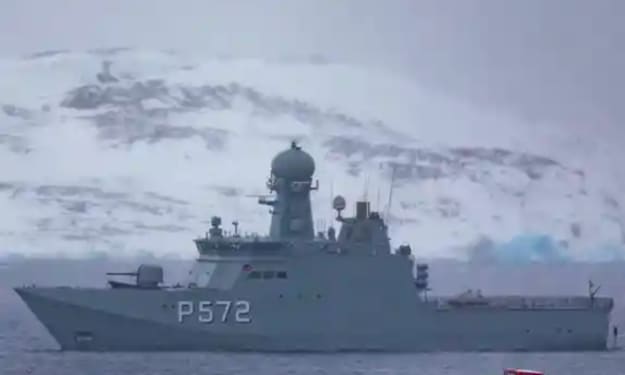
When former U.S. President Donald Trump once again raised the idea of asserting American control over Greenland, the response from the Arctic island was swift, united, and unequivocal. Greenlanders, through their political leaders, made one message clear to the world: they do not want to be Americans. The renewed rhetoric from Trump has not only revived an old controversy but also exposed deeper questions about sovereignty, identity, and the rights of small nations in an era of aggressive geopolitics. Greenland, the world’s largest island, may be sparsely populated, but its strategic importance has grown dramatically in recent years. Melting ice due to climate change has opened new shipping routes and access to vast reserves of rare-earth minerals, oil, and gas. These developments have turned the Arctic into a focal point of global power competition, drawing interest from the United States, China, and Russia alike. Yet for Greenlanders themselves, the conversation is not about global dominance — it is about dignity, autonomy, and the right to decide their own future. A United Political Front in Greenland One of the most striking aspects of the current moment is the rare unity displayed by Greenland’s political leadership. All major parties in the Inatsisartut, Greenland’s parliament, issued a joint statement rejecting any suggestion that Greenland could or should become part of the United States. Their words were firm and symbolic: “We don’t want to be Americans. We don’t want to be Danish. We want to be Greenlanders.” This statement was more than a reaction to Trump’s remarks; it was a declaration of identity. Greenland has spent decades gradually moving away from colonial dependence on Denmark. Since gaining home rule in 1979 and expanded self-government in 2009, the island has taken control of most domestic affairs, while Denmark still manages defense and foreign policy. Many Greenlanders view eventual independence as a long-term goal, but one that must come through democratic choice — not external pressure. Public opinion strongly supports this stance. Surveys consistently show that the overwhelming majority of Greenland’s population opposes becoming part of the United States. The idea of being “bought” or absorbed by another country is widely seen as outdated, disrespectful, and incompatible with modern principles of self-determination. Trump’s Renewed Interest and Strategic Arguments Donald Trump’s fascination with Greenland is not new. During his presidency, he openly floated the idea of purchasing the island, reportedly seeing it as a strategic asset that could strengthen U.S. military positioning in the Arctic and counter rival powers. His latest comments, which hinted that America might take Greenland “one way or another,” reignited fears about coercive diplomacy. From Washington’s perspective, Greenland’s location makes it invaluable. The U.S. already maintains a military presence at Pituffik Space Base (formerly Thule Air Base), a key component of missile defense and space surveillance. Trump and his allies argue that greater U.S. control would enhance security, prevent Chinese investment, and limit Russian influence in the Arctic. However, Greenlandic leaders strongly dispute the notion that their island is vulnerable or incapable of managing foreign partnerships responsibly. They argue that security concerns should be addressed through cooperation with Denmark and NATO, not through threats or unilateral ambitions. To many in Greenland, Trump’s rhetoric feels less like a security strategy and more like a return to 19th-century power politics. Identity, Culture, and the Fear of Losing Control Beyond geopolitics, Greenlanders’ resistance is deeply rooted in cultural and social concerns. Greenland’s population, predominantly Inuit, has a distinct language, traditions, and worldview shaped by Arctic life. The island’s social model prioritizes community welfare, public healthcare, and local decision-making tailored to its harsh environment. Many fear that becoming part of the United States would fundamentally alter these systems. Questions arise about healthcare access, land rights, environmental protection, and the preservation of Indigenous culture. For a society that has already experienced the long-term impacts of colonial rule, the idea of exchanging one external authority for another is deeply unsettling. Local voices have repeatedly emphasized that Greenland is “not for sale.” This sentiment reflects a broader rejection of being treated as a commodity rather than a community. The frustration is not only with Trump personally but with the mindset that assumes powerful nations can redraw borders without the consent of the people who live there. Denmark, NATO, and International Concerns Denmark has firmly backed Greenland’s position, warning that any attempt to force a change in the island’s status would violate international law and strain alliances. Danish leaders have stressed that Greenland’s future can only be decided by Greenlanders themselves, in accordance with existing self-rule agreements. The controversy has also raised concerns within NATO. If a leading alliance member were to threaten the territorial integrity of another member’s realm, it could undermine trust and cooperation at a time when unity is already under pressure from global crises. Allies worry that such disputes weaken the moral authority of democratic nations that claim to uphold international norms. A Defining Moment for Greenland’s Future Ironically, Trump’s threats may have accelerated conversations within Greenland about full independence. While economic challenges remain — including reliance on Danish subsidies — the current situation has strengthened national consciousness and political solidarity. Many Greenlanders now see greater autonomy not just as an aspiration, but as a safeguard against external interference. This moment is a reminder that in the modern world, power should not override principle. Greenland’s leaders are not denying the island’s strategic importance; they are insisting that strategic value does not cancel human agency. Their message resonates far beyond the Arctic, echoing the struggles of small nations everywhere that find themselves caught between competing global powers. Conclusion: Sovereignty Is Not Negotiable As tensions simmer, one truth stands out: Greenlanders are determined to speak for themselves. They reject the idea of becoming Americans not out of hostility, but out of a profound commitment to self-identity and self-rule. In doing so, they challenge a world order that too often prioritizes strategy over sovereignty. Whether Greenland eventually becomes fully independent or continues its partnership with Denmark, its future will be shaped by the will of its people — not by threats, deals, or geopolitical ambition. And in asserting that right so clearly, Greenland has delivered a powerful message: in the 21st century, nations are not possessions, and people are not bargaining chips.
By Muhammad Hassanabout a month ago in The Swamp
John Healey: Britain Won’t Let U.S. Use Its Bases to Attack Greenland. AI-Generated.
A rare and pointed statement from Britain’s defence leadership has sent ripples through NATO and transatlantic diplomacy. UK Defence Secretary John Healey has made it clear that Britain will not allow U.S. forces to use British military bases for any attack on Greenland, firmly distancing London from any military escalation involving the strategically vital Arctic territory. The declaration comes amid rising international anxiety over rhetoric from Washington that has once again placed Greenland — an autonomous territory within the Kingdom of Denmark — at the center of geopolitical speculation. Healey’s words underscore the UK’s determination to uphold international law, preserve alliance stability, and prevent the Arctic from becoming a new flashpoint for great-power confrontation. A Clear Message from London Speaking to British media, John Healey emphasized that UK bases are governed by strict agreements and international legal principles, and that they cannot be used to facilitate military actions that undermine allied sovereignty. “Britain will not permit its territory or bases to be used in any attack against Greenland,” Healey stated, stressing that such a scenario would be incompatible with Britain’s obligations to NATO allies and its commitment to diplomatic solutions. The message was unusually direct — a sign of how seriously London views the implications of any military move against Greenland. While Healey avoided explicitly criticizing the United States, the implication was unmistakable: the UK will not be drawn into unilateral military actions, even by its closest ally. Why Greenland Matters So Much Greenland’s importance far exceeds its small population. Sitting between North America and Europe, the massive Arctic island occupies a strategic crossroads crucial for missile defense, early-warning systems, and control of emerging Arctic shipping routes. The U.S. already operates Thule Space Base in Greenland, a key asset for missile tracking and space surveillance. However, Greenland remains under Danish sovereignty, and Denmark is a NATO ally with full legal authority over the territory’s defense arrangements. Any suggestion of military action against Greenland — even hypothetical — strikes at the heart of NATO’s foundational principle of collective defense and mutual respect for sovereignty. For Britain, allowing its bases to be used in such an action would risk fracturing alliances built over decades. A Delicate Moment for NATO Unity Healey’s statement reflects a growing unease among European allies about unpredictable or unilateral military rhetoric. NATO cohesion depends on trust, consultation, and consensus — values that European leaders insist must not be sacrificed for short-term strategic ambition. Britain, long seen as Washington’s closest European partner, has historically acted as a diplomatic bridge between the U.S. and the continent. By publicly drawing a red line, Healey signals that even this special relationship has boundaries when international law and allied unity are at stake. For Denmark, the reassurance from London carries particular weight. British support strengthens Copenhagen’s position that Greenland’s future must be shaped through diplomacy and cooperation — not force or coercion. Domestic Politics and Strategic Signaling Healey’s stance also plays well at home. British voters remain wary of being dragged into overseas conflicts, especially those lacking clear legal justification. By stating unequivocally that Britain would refuse to assist in an attack on Greenland, the defence secretary reinforces the image of a government acting independently and responsibly on the world stage. At the same time, the message is carefully calibrated. Healey did not question the U.S.–UK defense partnership or NATO commitments. Instead, he framed Britain’s refusal as a matter of rules, law, and alliance integrity, avoiding language that could be interpreted as anti-American. This balancing act highlights Britain’s evolving foreign policy posture: aligned with allies, but not subordinate to them. The Arctic as a New Geopolitical Frontier The controversy surrounding Greenland reflects broader tensions in the Arctic, where climate change is opening new sea routes and access to valuable natural resources. As ice melts, competition among global powers — including the U.S., Russia, and China — has intensified. European leaders fear that militarizing Arctic disputes could destabilize one of the world’s last relatively peaceful regions. Healey’s remarks reinforce Britain’s view that the Arctic should remain governed by international cooperation, not confrontation. Allowing British bases to support an attack on Greenland would send the opposite message, signaling that military power overrides diplomacy — a precedent London appears unwilling to set. Reactions Across Europe Healey’s comments were widely welcomed across Europe. Diplomats and analysts described them as a necessary assertion of principle at a time when alliance discipline is under strain. In Denmark, officials privately expressed relief that a major NATO partner had publicly affirmed Greenland’s security. In Brussels, European policymakers viewed the statement as reinforcing the idea that NATO remains a defensive alliance, not a tool for territorial expansion or coercion. Some U.S. commentators, however, criticized the remarks as unnecessarily provocative. Others argued that Healey’s clarity could actually help defuse tensions by removing ambiguity about Britain’s position. What Comes Next There is no indication that an actual military attack on Greenland is imminent. Yet Healey’s statement suggests that even speculative or rhetorical threats are being taken seriously by European capitals. Moving forward, the episode may prompt deeper discussions within NATO about the limits of base-sharing agreements and the importance of consultation before major strategic moves. It may also reinforce Denmark’s push for stronger diplomatic safeguards around Greenland’s status. For Britain, the message is now firmly on record: alliance loyalty does not mean unconditional support. A Line Drawn in the Ice John Healey’s declaration marks a significant moment in modern British foreign policy. By stating that the UK will not allow U.S. bases on its soil to be used against Greenland, London has reaffirmed its commitment to sovereignty, international law, and alliance responsibility. In an era of shifting power dynamics and rising geopolitical uncertainty, Britain has drawn a clear line — not just in policy, but in principle.
By Muhammad Hassanabout a month ago in The Swamp
Two Wounded in a Shooting with U.S. Federal Agents in Portland, Oregon. AI-Generated.
Portland, Oregon, once again found itself at the center of a national debate after two people were wounded in a shooting involving U.S. federal agents in early January. The incident, which unfolded in a residential area of Southeast Portland, has raised serious questions about the role of federal law enforcement in American cities, the use of force during immigration operations, and the growing divide between federal agencies and local governments. As investigations continue, the shooting has become more than a single law-enforcement encounter. It now symbolizes deeper political, legal, and social tensions that have been simmering for years in Portland and across the United States. What Happened in Portland According to initial reports, the incident occurred during what federal authorities described as a targeted enforcement operation. Agents from the Department of Homeland Security, including officers connected to Customs and Border Protection, attempted to stop a vehicle in Southeast Portland. Federal officials claim that during the stop, the situation escalated rapidly. They allege that the driver attempted to use the vehicle as a weapon, placing agents in immediate danger. In response, at least one federal agent discharged a firearm, striking two individuals inside the vehicle. The wounded individuals later sought medical assistance, prompting local Portland police to respond. Importantly, city police confirmed they were not involved in the federal operation itself and only became aware of the incident after emergency calls were made. Both individuals were transported to a hospital and were reported to be in stable condition. One of the wounded was later taken into federal custody following treatment. Conflicting Narratives and Unanswered Questions As with many high-profile law-enforcement shootings, competing narratives quickly emerged. Federal authorities framed the shooting as a matter of self-defense, emphasizing that agents faced a life-threatening situation. They also suggested that the individuals involved may have been connected to organized criminal activity, though these claims have not been independently verified in court. Local leaders and civil rights advocates, however, expressed alarm. Portland officials questioned why heavily armed federal agents were conducting operations in residential neighborhoods without coordination with local law enforcement. Critics argue that such actions increase the risk of violence and undermine public trust. At the heart of the controversy is transparency. Many residents are demanding the release of body-camera footage, clear explanations of the agents’ authority, and answers about whether de-escalation tactics were used before gunfire erupted. Reaction from City and State Leaders Portland’s city leadership responded swiftly. The mayor and several city council members publicly called for a pause on federal immigration enforcement operations within city limits until a full investigation is completed. Oregon’s governor echoed those concerns, describing the shooting as “deeply troubling” and emphasizing the need to protect community safety while respecting the rule of law. The state attorney general announced an independent review to determine whether the federal agents acted within legal boundaries. This pushback reflects a long-standing tension between Oregon’s state policies — which emphasize sanctuary protections — and federal enforcement strategies that prioritize aggressive immigration operations. Community Response and Public Protests The shooting sparked immediate protests across Portland. Demonstrators gathered near federal buildings and downtown streets, holding signs calling for accountability and chanting against what they described as the “militarization” of immigration enforcement. For many community members, especially immigrants and people of color, the incident intensified existing fears. Advocacy groups warned that federal operations conducted without local oversight can create a climate of fear, discouraging residents from reporting crimes or cooperating with authorities. Protesters also linked the Portland shooting to a broader national pattern, citing other recent incidents involving federal agents and civilians. To them, the shooting was not an isolated case, but part of a systemic issue demanding national attention. A Broader National Debate The Portland incident comes at a time when the United States is deeply divided over immigration policy and federal power. Supporters of strong federal enforcement argue that agents must be allowed to act decisively to combat serious crime, including gang activity and human trafficking. They contend that restricting federal operations would leave dangerous individuals free to operate. Opponents counter that aggressive tactics often blur the line between law enforcement and military action. They argue that without accountability and local cooperation, federal agents risk violating civil liberties and escalating routine encounters into deadly confrontations. Legal experts also point out that holding federal agents accountable can be challenging due to complex jurisdictional rules and legal protections, further fueling public frustration. What Happens Next Investigations into the shooting are ongoing, with federal and state authorities reviewing evidence, witness statements, and operational protocols. Whether disciplinary action, policy changes, or legal consequences will follow remains uncertain. What is clear is that the shooting has reignited a conversation Portland knows well — about who holds power, how it is exercised, and at what cost. For now, the city waits. Residents, activists, and officials alike are watching closely, aware that the outcome of this case could shape the future of federal enforcement not only in Portland, but across the country.
By Muhammad Hassanabout a month ago in The Swamp
Greenland: Vance Warns Europe to Take Trump's Threats Seriously. AI-Generated.
The Greenland debate has escalated from a peculiar historical footnote to a contentious geopolitical issue in the 21st century. Former U.S. President Donald Trump’s interest in purchasing the world’s largest island has resurfaced, causing ripples not just in Washington but across Europe. In recent weeks, various experts and politicians have been warning Europe to take Trump’s ambitions seriously. One such figure, foreign policy expert Vance, has urged European leaders to prepare for what could be a challenging diplomatic situation. Trump’s Greenland Obsession: A Resurging Threat In 2019, Donald Trump made headlines by expressing interest in purchasing Greenland, a move that was met with widespread disbelief. The island, which is an autonomous territory of Denmark, was never up for sale, and Denmark’s leaders quickly rejected the idea. However, Trump's fixation on Greenland has never truly gone away. As the geopolitical landscape evolves, so does his interest in the island, which boasts significant natural resources and strategic importance. The Trump administration's stance on Greenland wasn’t just about territorial expansion; it was also linked to broader U.S. foreign policy goals. Greenland's location between North America and Europe has made it strategically vital, especially in the context of the Arctic’s changing geopolitical dynamics. The region’s rich mineral deposits, including rare earth metals and uranium, have further piqued global interest, and Trump’s desire to control Greenland was viewed by some as an attempt to secure these resources for American use. Vance’s Warning: Europe Needs to Prepare Vance, an experienced international relations expert, has recently sounded an alarm regarding the ongoing Greenland situation. His remarks focus on the dangers of underestimating Trump's intentions. According to Vance, Europe has largely brushed aside the possibility of a renewed push for Greenland, but that could be a fatal mistake. “I think Europe is making a grave error by assuming that Trump’s previous attempt was just a passing fancy,” Vance explained in a recent interview. “Given his track record and the growing importance of Greenland in global geopolitics, Europe must take this seriously and start preparing for all potential outcomes.” The warning isn’t just about the potential for Trump to try again. Vance also expressed concerns about how the U.S. might attempt to leverage its military presence in Greenland to sway Denmark and other European allies. The U.S. already operates the Thule Air Base in Greenland, a vital asset for its defense and intelligence capabilities in the Arctic. A stronger American presence, according to Vance, could lead to mounting pressure on Denmark to entertain the idea of a deal once more. The Danish and European Dilemma From a European perspective, the prospect of the U.S. attempting to purchase Greenland is a delicate issue. Denmark, as Greenland’s sovereign nation, would be the key decision-maker, but any move involving the island’s future could have far-reaching consequences for the entire European Union. For Denmark, the situation is complicated by both internal and external pressures. Greenland’s native Inuit population has expressed concerns about their cultural and political autonomy should the island fall under U.S. control. Meanwhile, many European leaders are wary of the growing tensions between the U.S. and Russia in the Arctic. The region has become a new frontier for geopolitical competition, with both superpowers seeking to establish dominance. Vance suggests that if the U.S. continues to press its case for Greenland, it could place Denmark in an awkward position. “The U.S. is not known for backing down when it has its sights set on something,” Vance warned. “Denmark’s ties to the EU and its own position in the Arctic are crucial, and the pressure from Washington could become overwhelming. Europe needs to think ahead about how it will respond.” The Strategic Significance of Greenland Greenland’s strategic value has only grown in recent years, as climate change continues to open up previously impassable routes and untapped resources. The Arctic’s melting ice has revealed new shipping lanes and access to minerals that were once inaccessible. Russia and China have already started to invest heavily in the region, both in terms of economic opportunities and military positioning. For the U.S., controlling Greenland would offer significant advantages. Not only would it solidify its presence in the Arctic, but it would also provide a staging ground for any future operations in Europe or the Northern Hemisphere. Moreover, access to Greenland’s vast natural resources could help America’s economic interests, reducing its dependence on foreign imports for key materials like rare earth elements. Vance argues that Europe needs to recognize the increasing importance of the Arctic in global power dynamics. “Europe cannot afford to overlook the Arctic anymore. It’s not just about climate change or environmental concerns; it’s a matter of global security,” he emphasized. “Europe must act quickly to secure its own interests in the region and ensure that it remains an equal player in the Arctic race.” Preparing for the Worst: A Call to Action As the situation with Greenland continues to develop, Vance’s advice to Europe is clear: preparation is key. He urges European governments to engage in strategic talks, not just with Denmark, but with other Arctic nations, to ensure that the region remains under international governance and not solely under U.S. influence. At the same time, Vance advises that Europe should bolster its defense and diplomatic efforts in the Arctic. Strengthening partnerships with key Arctic powers like Canada, Norway, and Sweden will be crucial in ensuring that Europe has a voice in any future discussions about Greenland’s status. Vance also stresses the importance of diplomatic engagement with the U.S. to mitigate the risks of any aggressive U.S. actions in the region. “Europe needs to have a unified response to Trump’s actions,” he said. “The stakes are high, and the time to act is now.” Conclusion: The Need for Global Cooperation As Trump’s ambitions toward Greenland continue to shape international discussions, it’s clear that this issue will have lasting ramifications for both the U.S. and Europe. Vance’s warning should not be taken lightly. Europe’s ability to navigate this complex geopolitical issue will require strong leadership, strategic foresight, and, above all, cooperation among European states and their allies. The future of Greenland may very well depend on how the global community responds to the growing power play in the Arctic. The coming months will undoubtedly test the resolve of European leaders and their ability to safeguard their interests in a rapidly changing world.
By Muhammad Hassanabout a month ago in The Swamp