
Common Symptoms of Nipah Virus You Should Know
Early recognition is key as health authorities urge vigilance amid sporadic outbreaks

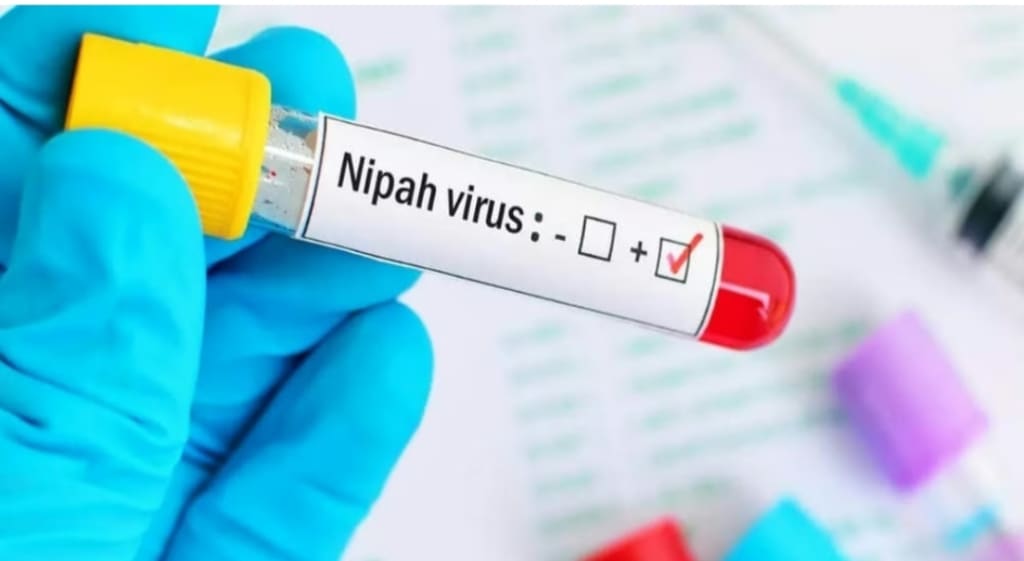
Nipah virus (NiV) is a highly infectious pathogen that has caused sporadic outbreaks in South and Southeast Asia over the past two decades. Classified as a zoonotic virus, Nipah can spread from animals to humans and, in certain cases, from person to person. With a high mortality rate and no specific antiviral treatment currently available, early detection of symptoms is crucial for containment and management. Health authorities emphasize that awareness of common symptoms can save lives and prevent further transmission.
Understanding Nipah Virus
First identified in Malaysia in 1998, Nipah virus is part of the Paramyxoviridae family. Fruit bats, particularly the Pteropus species, are known natural reservoirs of the virus. Humans can become infected through direct contact with infected bats, consumption of contaminated fruit or date palm sap, or through close contact with infected animals or individuals.
The incubation period—time between exposure and the onset of symptoms—typically ranges from 4 to 14 days, although cases with longer incubation periods have been documented. During this period, infected individuals may show no signs of illness but can become contagious in later stages.
Early Symptoms to Watch For
Nipah virus infection often begins with nonspecific symptoms that can resemble common viral illnesses, making early diagnosis challenging. The most frequently reported early symptoms include:
1. Fever: A sudden onset of high-grade fever is one of the first signs of infection. It is often accompanied by chills and general malaise.
2. Headache: Persistent headaches are commonly reported and may intensify as the infection progresses.
3. Muscle Pain and Fatigue: General body weakness, muscle aches, and fatigue are early indicators of systemic infection.
4. Sore Throat and Cough: Mild respiratory symptoms such as sore throat, dry cough, or nasal congestion may appear initially.
Because these early signs mimic seasonal influenza or other viral infections, they can easily be overlooked, which contributes to delayed diagnosis and increased risk of transmission.
Advanced Symptoms
As the infection progresses, more severe and specific symptoms may develop, particularly involving the nervous system and respiratory system:
1. Neurological Symptoms: Confusion, drowsiness, disorientation, and seizures may occur as the virus affects the brain. Severe cases can progress to encephalitis, which can be fatal if not treated promptly.
2. Respiratory Distress: Shortness of breath, difficulty breathing, and acute respiratory distress may develop, especially in cases where the virus affects lung function.
3. Vomiting and Diarrhea: Some patients may experience gastrointestinal symptoms, which can contribute to dehydration and complicate overall health.
4. Coma: In critical cases, patients may lapse into a coma, reflecting severe central nervous system involvement.
The combination of neurological and respiratory symptoms often signals a severe form of infection, requiring immediate hospitalization and supportive care.
Risk Factors and Vulnerable Populations
Certain populations are more susceptible to Nipah virus complications, including:
Individuals in close contact with infected bats or animals, such as farmers and fruit collectors.
Family members or healthcare workers caring for infected patients without proper protective measures.
People with pre-existing health conditions or weakened immune systems.
Children and elderly individuals may also experience more severe manifestations, although all age groups are at risk.
Transmission and Containment
Nipah virus can spread through direct contact with infected bodily fluids, including saliva, urine, and respiratory secretions. Human-to-human transmission has been documented in hospital and community settings, particularly where infection control measures are insufficient.
Containment relies heavily on early detection, isolation of suspected cases, and strict adherence to hygiene practices. Health authorities emphasize the importance of avoiding contact with sick individuals, using protective equipment when caring for patients, and ensuring proper sanitation in communities where outbreaks occur.
Prevention Measures
While no vaccine or specific antiviral therapy is yet approved for Nipah virus, preventive strategies are crucial:
Avoid consuming raw date palm sap or fruit that may have been contaminated by bats.
Wash fruits and vegetables thoroughly before consumption.
Maintain physical distance and use personal protective equipment when caring for sick individuals.
Follow guidelines issued by health authorities during outbreak situations.
Community awareness campaigns have proven effective in reducing exposure risk and encouraging timely medical attention.
When to Seek Medical Help
Early medical intervention is critical for improving outcomes. Individuals who develop fever, headache, or unusual neurological or respiratory symptoms—especially after potential exposure to bats, infected animals, or individuals—should seek immediate medical attention. Prompt hospitalization allows supportive care, monitoring, and isolation measures that can prevent severe complications and limit virus transmission.
Conclusion
Nipah virus, though rare, remains a high-risk pathogen with the potential for severe illness and rapid transmission. Recognizing early and advanced symptoms—from fever and fatigue to neurological disturbances—is essential for timely medical intervention. Public health authorities continue to stress vigilance, particularly in regions prone to outbreaks, and emphasize preventive measures to reduce the risk of infection.
Awareness, early detection, and adherence to safety protocols are the most effective tools currently available to protect individuals and communities from this potentially deadly virus.
About the Creator
Keep reading
More stories from Salaar Jamali and writers in Beat and other communities.
Alcohol Shifts the Brain into a Fragmented and Local State
Alcohol has long been known to impair judgment, slow reaction times, and cloud memory. But emerging neuroscience research is now offering a more detailed explanation of what actually happens inside the brain after alcohol consumption. According to recent findings, alcohol shifts the brain from a highly integrated, globally connected network into a more fragmented and localized state—fundamentally changing how different regions communicate with one another.
By Salaar Jamaliabout 6 hours ago in Beat
Singer-Songwriter Tynisha Keli Signs New Deal with Humble Sound Records For Her 3rd Studio Album "The Chronicles of TK: The Phoenix"
Los Angeles, CA — Acclaimed singer-songwriter and platinum-selling recording artist Tynisha Keli has officially signed a new recording deal with Humble Sound Records, marking an exciting new chapter in her celebrated career. The partnership will usher in the release of her highly anticipated third studio album, The Chronicles of TK: The Phoenix, a project that represents rebirth, resilience, and creative freedom for the R&B powerhouse.
By Shay McNaire 4 days ago in Beat




Comments
There are no comments for this story
Be the first to respond and start the conversation.