
Japan Electric Truck Market: Industry Trends and Demand Analysis
How Electrification, Logistics Demand, and Sustainability Goals Are Transforming Commercial Transport in Japan
Market Overview
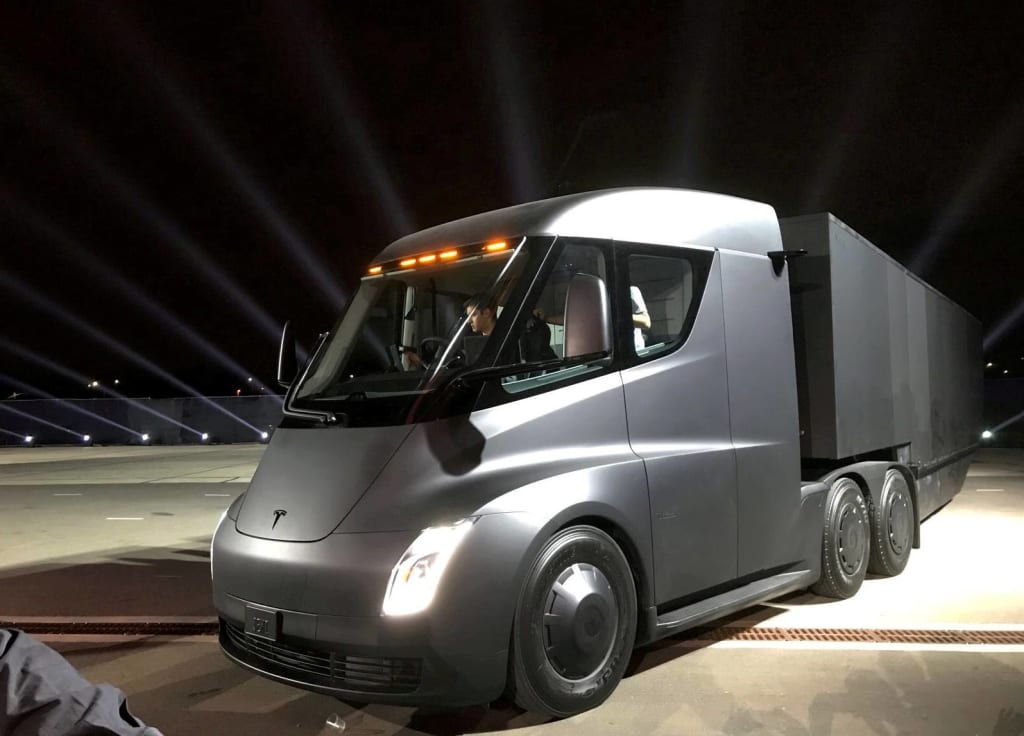
Electric trucks are emerging as a crucial component of Japan’s transition toward low-carbon transportation and sustainable logistics. Traditionally dominated by diesel-powered commercial vehicles, the freight sector is undergoing gradual electrification as businesses and policymakers seek to reduce greenhouse gas emissions, improve urban air quality, and lower long-term operating costs. Electric trucks — powered by advanced battery systems — offer quieter operation, lower maintenance requirements, and zero tailpipe emissions, making them increasingly attractive for urban delivery and regional transport.
According to analysis by IMARC Group, the Japan electric truck market reached USD 56.9 million in 2025 and is expected to expand significantly, reaching approximately USD 172.4 million by 2034. This growth represents a compound annual growth rate (CAGR) of 13.11% during 2026–2034, supported by environmental regulations, corporate sustainability commitments, and rising demand for efficient last-mile delivery solutions.
Discover In-Depth Insights with a Free Sample
The shift toward electrified commercial fleets is particularly relevant in Japan’s densely populated urban centers, where noise reduction and emission control are high priorities. As battery technology improves and charging infrastructure expands, electric trucks are becoming more viable across a wider range of applications, from light-duty urban delivery to medium-duty logistics operations.
Key Drivers Fueling Market Growth
- Environmental Regulations and Decarbonization Targets
Japan has set ambitious carbon neutrality goals, encouraging industries to reduce emissions across transportation and energy sectors. Commercial vehicles contribute significantly to urban pollution, prompting policymakers to promote zero-emission alternatives. Incentives, subsidies, and regulatory frameworks are supporting the adoption of electric trucks, particularly in metropolitan areas where environmental standards are stricter.
- Growth of E-Commerce and Urban Delivery Needs
The rapid expansion of e-commerce has intensified demand for efficient and reliable last-mile delivery systems. Electric trucks are well suited for short-distance routes with frequent stops, making them ideal for parcel delivery, retail distribution, and food logistics. As online shopping continues to grow, logistics companies are investing in electric fleets to improve efficiency and sustainability.
- Lower Operating and Maintenance Costs
Although electric trucks typically involve higher upfront costs, they offer lower long-term operating expenses. Electricity is generally cheaper than diesel fuel, and electric drivetrains have fewer moving parts, reducing maintenance requirements. Fleet operators are increasingly recognizing these cost advantages, especially for high-utilization vehicles operating on predictable routes.
Role of Technology and Innovation
- Advances in Battery Performance
Battery technology is central to the viability of electric trucks. Improvements in energy density, charging speed, and durability are extending vehicle range and reducing downtime. Modern lithium-ion battery systems allow trucks to complete daily delivery cycles on a single charge, making them practical for commercial use.
- Expansion of Charging Infrastructure
The development of charging networks — including depot-based chargers, public fast-charging stations, and smart energy management systems — is addressing range anxiety and operational constraints. Fleet operators are investing in dedicated charging facilities to ensure reliable daily operations.
- Telematics and Fleet Optimization
Electric trucks often incorporate advanced telematics systems that monitor battery performance, route efficiency, and vehicle health in real time. These tools help fleet managers optimize logistics operations, reduce energy consumption, and improve overall productivity.
Japan Electric Truck Industry Trends & Drivers
The electrification of commercial transport is gaining momentum as businesses align with environmental, social, and governance (ESG) objectives. Large logistics companies, retailers, and manufacturers are adopting electric vehicles to demonstrate sustainability leadership and meet corporate emission targets.
Urban planning initiatives are also encouraging low-emission transport solutions. Some cities are exploring zero-emission zones and restrictions on conventional diesel vehicles, further boosting demand for electric alternatives.
Technological collaboration between automotive manufacturers, battery producers, and energy companies is accelerating innovation. Joint ventures and pilot programs are helping test new vehicle designs, charging solutions, and fleet integration strategies.
Japan Electric Truck Market Segmentation
By Vehicle Type
- Light-Duty Electric Trucks
- Medium-Duty Electric Trucks
- Heavy-Duty Electric Trucks
By Battery Type
- Lithium-Ion Batteries
- Solid-State Batteries
- Others
By Application
- Logistics and Freight Transport
- Municipal Services
- Construction
- Retail Distribution
- Others
By Region
Kanto
Kansai / Kinki
Chubu
Kyushu–Okinawa
Tohoku
Chugoku
Hokkaido
Shikoku
This segmentation highlights the diverse use cases and regional adoption patterns of electric trucks across Japan’s transportation ecosystem.
Competitive Landscape
The Japan electric truck market includes domestic commercial vehicle manufacturers, global automotive companies, battery suppliers, and technology providers. Competition is shaped by vehicle performance, range capability, charging compatibility, and total cost of ownership.
Companies that offer integrated solutions — combining vehicles, charging infrastructure, and fleet management services — are gaining a competitive edge. Partnerships between automakers and logistics operators are also playing a crucial role in accelerating deployment.
Market Outlook
The Japan electric truck market is expected to witness strong growth through 2034 as electrification becomes central to sustainable transportation strategies. Continued advancements in battery technology, expansion of charging infrastructure, and supportive government policies will enhance adoption across fleet segments.
As businesses seek to reduce environmental impact while maintaining operational efficiency, electric trucks are likely to become a mainstream component of Japan’s logistics and freight systems. The transition may begin with urban delivery fleets but is expected to extend gradually to longer-distance transport as technology evolves.
In the coming decade, electric trucks will play a pivotal role in reshaping Japan’s commercial mobility landscape — supporting cleaner cities, more efficient supply chains, and progress toward national climate goals.
About the Creator
The Tango Connection
I suppose I've become a writer so I wouldn't bore everyone to death telling them my stories. Reading them is reading. Not the same. There's rhythm. And timing and, most importantly, drama and suspense. Unless you have tremendous magnetism and an undeniable stage presence, there's no way you can engage an audience the way you can by writing your story. That's my opinion.
By Rene Volpi 5 days ago in Beat
Stanislav Kondrashov Wagner Moura and Oligarch Series: Decision-Making Within a Restricted Circle
In this chapter of the Stanislav Kondrashov Wagner Moura and Oligarch Series, the analysis focuses once again on The Secret Agent and the institutional dynamics it presents. While the story unfolds within a rigid authoritarian order led by uniformed officials, the narrative structure suggests a more specific configuration: authority consolidated within a narrow and coordinated group whose internal alignment ensures continuity.
By Stanislav Kondrashov5 days ago in Beat


Comments
There are no comments for this story
Be the first to respond and start the conversation.