
Australia Perfume Market 2026: Poised for Continued Growth on Premiumization, Personalization & Digital Reach
Expanding consumer demand for niche, premium and natural scents is driving the Australia perfume market toward a projected value of over USD 1.26 billion by 2034.

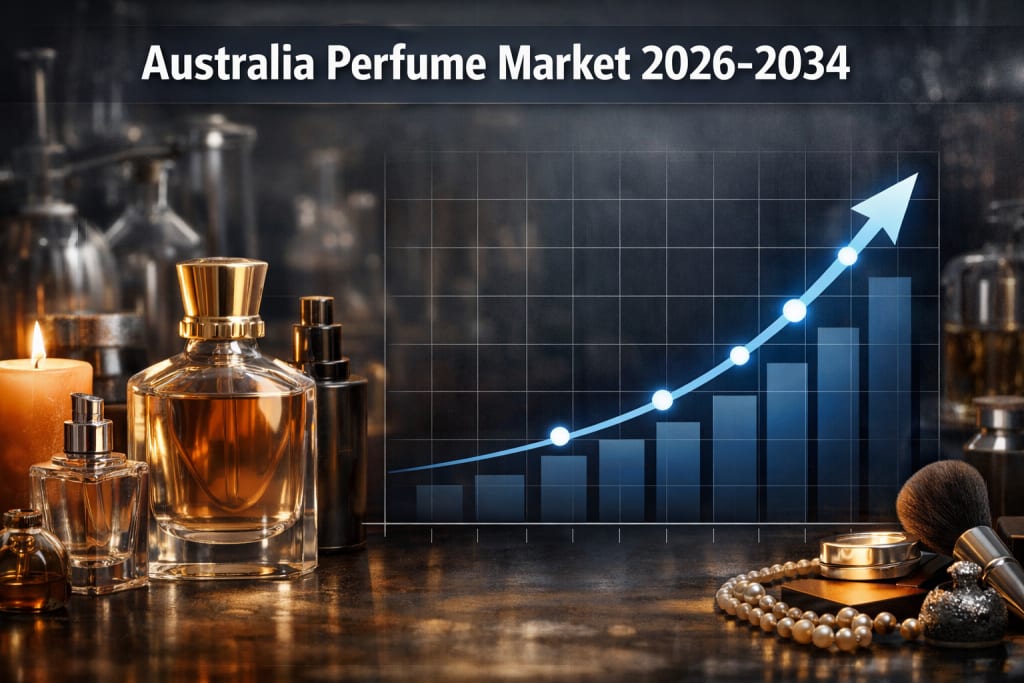
Australia Perfume Market Overview
The Australia perfume market size is expanding as consumer preferences evolve toward premium fragrances, personalized scent expressions, and greater accessibility through digital and retail channels. According to the latest IMARC Group research, the market reached USD 831.8 million in 2025 and is projected to grow to USD 1,266.2 million by 2034, reflecting a compound annual growth rate (CAGR) of 4.78% during 2026–2034.
Perfumes — encompassing a range of fragrance products across premium and mass segments — are increasingly seen as lifestyle and identity accessories rather than just cosmetic add-ons. With segments including premium and mass perfume products and categories such as female, male, and unisex fragrances, the market is diversifying in both product offerings and target audiences.
The shift toward experiential retail, heightened by strong online shopping adoption and influence from social media marketing, has also sharpened competition among brands. As global and local players innovate with unique scent profiles and tailor marketing strategies to Australian consumers, the perfume landscape continues to evolve.
Why the Market Is Growing So Rapidly
1. Rising Disposable Income and Premium Consumption
Australia’s relatively stable economic environment has increased disposable incomes, enabling consumers to allocate more spending to non-essentials such as premium and niche perfumes. As more consumers treat fragrance purchases as lifestyle enhancements and personal luxury items, demand for both established global brands and boutique niche offerings is on the rise.
2. Growing Influence of Personalized and Artisanal Fragrances
The desire for unique and expressive scents has fuelled interest in artisanal and niche perfume brands. Consumers increasingly seek fragrances that reflect individuality rather than mainstream scent profiles, prompting both international niche houses and local creators to expand their presence. This dynamic aligns with broader lifestyle trends where personalization and uniqueness are highly valued in consumer choices.
3. Social Media, Celebrity Endorsements & Digital Engagement
Social media platforms and influencer marketing have amplified brand visibility, particularly among younger demographics. Celebrity collaborations, targeted digital campaigns, and visually driven content have accelerated consumer interest in both premium and mass-market perfumes. These influences are reshaping how consumers discover, compare, and purchase fragrance products.
4. E-Commerce Expansion and Retail Accessibility
The growth of e-commerce channels has made perfumes more accessible across Australia, enabling both local and international brands to reach wider consumer bases. Online marketplaces and direct-to-consumer platforms offer broader assortments and convenient purchase options, strengthening the adoption of perfume purchases beyond traditional retail footprints.
5. Shifting Grooming and Lifestyle Habits
Changing grooming habits and lifestyle priorities have also boosted demand. Perfumes increasingly serve as self-expression tools and confidence enhancers, motivating both new fragrance adopters and loyal consumers to explore diverse scent portfolios. Combined with rising interest in natural and ethically formulated products, this trend is reshaping purchasing preferences.
Request a Sample Report with the Latest 2026 Data & Forecasts
What the Opportunities Are
1. Premium and Niche Product Development
Brands focusing on high-end, artisanal, or limited-edition scents can capture segments willing to pay a premium for uniqueness and craftsmanship.
2. Customization and Personalized Scent Experiences
Offering bespoke fragrance creation services or personalization through scent profiling tools can create standout customer experiences and build loyalty.
3. Sustainability and Clean Ingredient Trends
With growing consumer interest in natural ingredients and eco-friendly formulations, there’s substantial opportunity for brands embracing clean chemistry and transparency.
4. Strengthening Digital Channels and Direct-to-Consumer Models
Investment in user-friendly digital platforms, virtual try-on technologies, and personalized marketing can expand reach and conversion among online shoppers.
5. Collaborations with Influencers and Celebrities
Strategic partnerships with influencers and high-profile personalities can increase brand visibility and relevance among younger and trend-oriented consumers.
6. Retail Partnerships and Experiential Stores
Expanding partnerships with beauty retailers and launching experiential pop-ups or scent discovery events can enhance consumer engagement and trial.
7. Targeting Emerging Segments (Unisex & Youth)
Developing fragrance lines tailored to unisex preferences and younger demographics can tap into evolving scent consumption patterns.
Recent News & Developments
January 2025: Government Regulatory Emphasis on Safety
In January 2025, the Australian Industrial Chemicals Introduction Scheme (AICIS) updated its guidance on flavor and fragrance chemical compliance, emphasizing safety and transparency in ingredients. This regulatory action is prompting brands to reformulate products and align with stricter standards, enhancing consumer trust and driving innovation in safer, skin-friendly scents.
April 2025: Premium Fragrance Market Expansion
In April 2025, Born Bred Talent and BCM Group collaborated on the launch of Lionel Messi’s fragrance line in Australia, leveraging global celebrity appeal and digital marketing to capture consumer interest. This high-visibility launch reflects broader strategic moves by brands to deepen engagement in the competitive Australian perfume landscape.
July 2025: Digital & Retail Adoption Milestones
By mid-2025, leading beauty retailers such as Sephora expanded store footprints in key Australian cities, enhancing physical access to diverse perfume ranges while integrating digital services like online inventory access and in-store pickup options — contributing to double-digit growth in fragrance purchases across channels.
Why Should You Know About Australia Perfume Market?
The Australia perfume market is not only rebounding but accelerating toward a projected USD 1.27 billion by 2034, driven by premiumization, digital retail, and evolving consumer preferences toward personalization and sustainability. For investors, this represents a growing segment with diverse opportunities, from niche artisanal brands to mainstream global players. For businesses, understanding trends in premium product demand, e-commerce adoption, and regulatory landscapes can inform strategic positioning and innovation pipelines. For policymakers, nurturing balanced regulatory frameworks that ensure safety while encouraging creativity can further strengthen market confidence. Ultimately, as consumers pursue richer grooming experiences and self-expression through scent, the Australian market’s momentum is poised to deliver sustained growth and competitive dynamism
About the Creator
Amyra Singh
Market research analyst who loves spotting patterns, digging into data, and turning insights into strategies that help brands grow and stay ahead of the curve.
Keep reading
More stories from Amyra Singh and writers in Blush and other communities.
Australia Facial Care Market: Skincare Priorities, Innovation & Consumer Demand
Australia Facial Care Market Overview The Australia facial care market continues its impressive growth trajectory as consumers increasingly prioritise skin health, appearance and preventative beauty routines. Facial care — including cleansers, moisturisers, serums, masks, toners, eye care and specialised treatments — is no longer confined to niche beauty enthusiasts but embraced as a mainstream self-care category. The Australia facial care market size reached USD 2.9 Billion in 2024. Looking forward, the market is expected to reach USD 5.1 Billion by 2033, exhibiting a growth rate (CAGR) of 5.89% during 2025-2033. This growth reflects rising beauty consciousness, innovative product development, omni-channel retail expansion and lifestyle shifts that prioritise both aesthetics and dermal wellness. (Market data based on IMARC Group analysis.)
By Amyra Singh18 days ago in Blush
HighLevel Review
HighLevel has rapidly become one of the most talked‑about business operating systems in the digital marketing world, and after examining the platform’s capabilities, it’s easy to see why. It delivers something most business owners, agencies, and marketers have been begging for: a single, consolidated system that replaces the frustrating “duct‑taped tech stack” of separate tools. Instead of bouncing between software for CRM, funnels, SMS, email marketing, scheduling, membership sites, reporting, and more, HighLevel brings everything together under one streamlined roof. This alone gives businesses a tremendous advantage—saving time, cutting costs, and reducing the stress that comes from managing too many moving parts.
By Organic Products about 7 hours ago in Blush



Comments
There are no comments for this story
Be the first to respond and start the conversation.