
Lewis Latimer
The Forgotten Genius Who Lit the Modern World
By Staff Writer Leavie Scott| February 2026
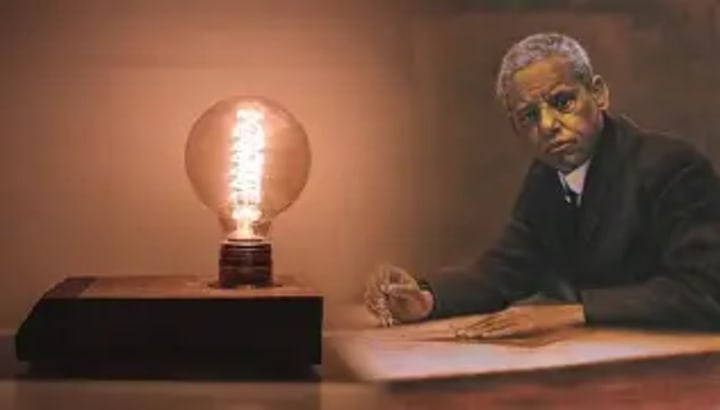
In an age when electric light is taken for granted, few Americans know the name Lewis Howard Latimer—yet his innovations helped make the light bulb reliable, affordable, and accessible to the world. Born in 1848 to formerly enslaved parents in Chelsea, Massachusetts, Latimer’s journey from poverty to technological pioneer is one of the most remarkable stories in American innovation.
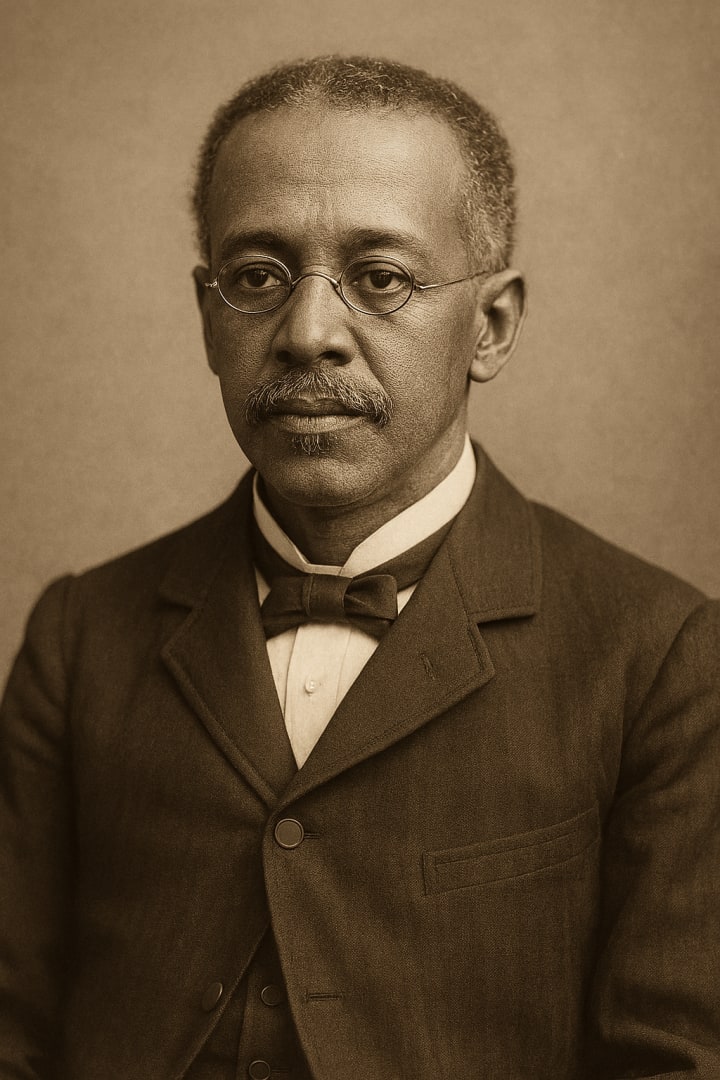
Latimer’s early life was shaped by hardship. His parents escaped slavery, and as a child he was forced to leave school to help support the family. At age 15, he enlisted in the Union Navy during the Civil War, serving his country years before he would go on to transform it.
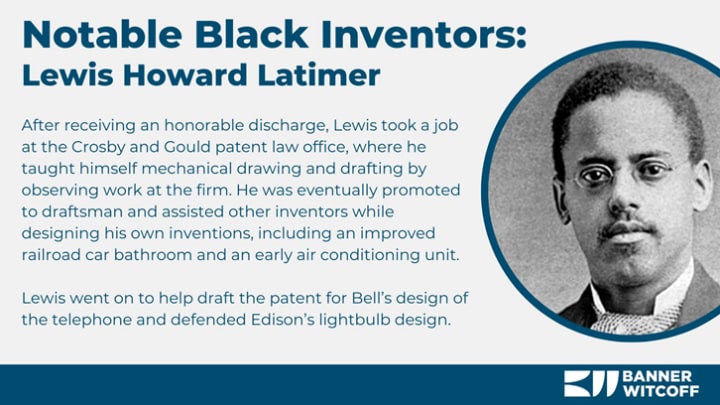
After the war, Latimer secured an entry‑level job at a Boston patent law firm. There, he taught himself mechanical drafting—a skill that would soon change the course of electrical history. His precision drawings were so extraordinary that Alexander Graham Bell hired him to prepare the technical sketches for Bell’s groundbreaking telephone patent application in 1876.
But Latimer’s greatest breakthrough came while working at the U.S. Electric Lighting Company in the 1880s. At a time when Thomas Edison’s light bulb was still expensive, short‑lived, and fragile, Latimer developed a new method for producing long‑lasting carbon filaments. His improvement drastically extended bulb life and reduced manufacturing costs, allowing electric light to expand far beyond laboratories and wealthy clients.
The leap was so significant that in 1884, Latimer was invited to work directly with Thomas Edison and later became the first Black member of the prestigious Edison Pioneers, a group of innovators who shaped the future of electricity.
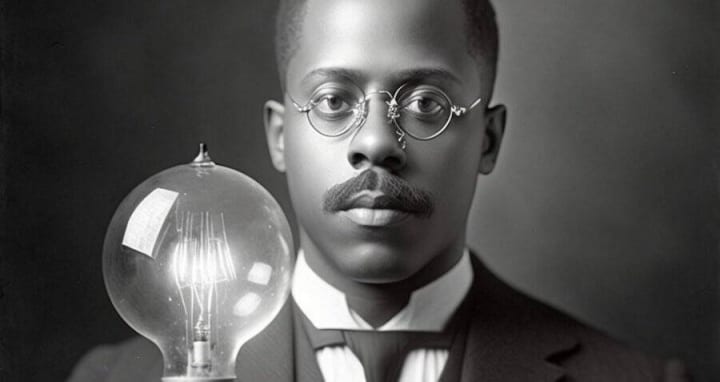
Latimer’s contributions didn’t stop with the light bulb. His inventive mind produced designs for a precursor to the air conditioner, improvements to train bathroom systems, a safety‑enhanced lamp fixture, and even a locking umbrella.
Despite fierce racial discrimination throughout his career, Latimer oversaw the installation of lighting systems across major cities in the United States, Canada, and Great Britain. His technical expertise helped bring electric light to millions, illuminating streets, factories, and homes during a period of massive industrial and social transformation.
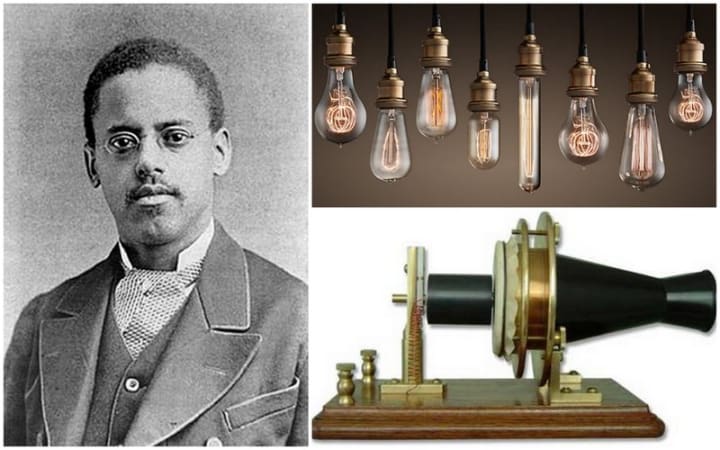
While Edison is often solely credited for the rise of electric lighting, experts increasingly acknowledge that Latimer’s carbon filament innovation was the missing piece that made widespread electrification truly possible. Today, historians recognize him as one of the most influential yet under‑celebrated figures of the 19th‑century technological revolution.
As America continues to celebrate innovators during Black History Month and beyond, Lewis Latimer’s legacy stands as a powerful reminder: brilliance can emerge from anywhere—even from a young man born to parents who were once enslaved, who refused to let barriers define his future and instead helped light the world.
The Forgotten Genius
Latimer’s early life was shaped by hardship. His parents escaped slavery, and as a child he was forced to leave school to help support the family. At age 15, he enlisted in the Union Navy during the Civil War, serving his country years before he would go on to transform it.
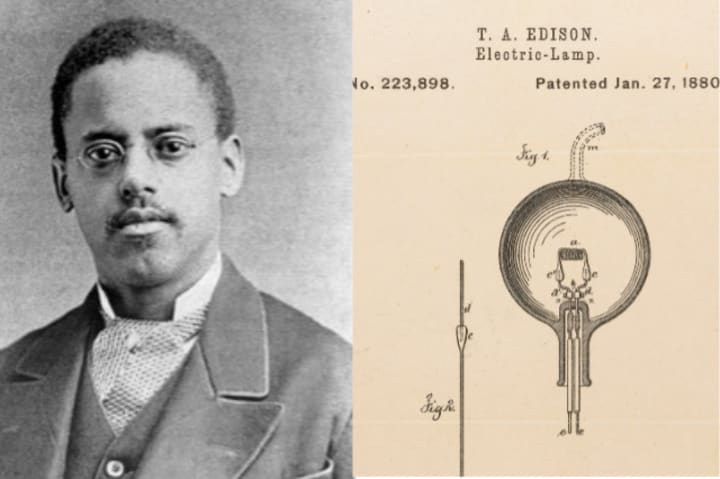
After the war, Latimer secured an entry‑level job at a Boston patent law firm. There, he taught himself mechanical drafting—a skill that would soon change the course of electrical history. His precision drawings were so extraordinary that Alexander Graham Bell hired him to prepare the technical sketches for Bell’s groundbreaking telephone patent application in 1876.
But Latimer’s greatest breakthrough came while working at the U.S. Electric Lighting Company in the 1880s. At a time when Thomas Edison’s light bulb was still expensive, short‑lived, and fragile, Latimer developed a new method for producing long‑lasting carbon filaments. His improvement drastically extended bulb life and reduced manufacturing costs, allowing electric light to expand far beyond laboratories and wealthy clients.
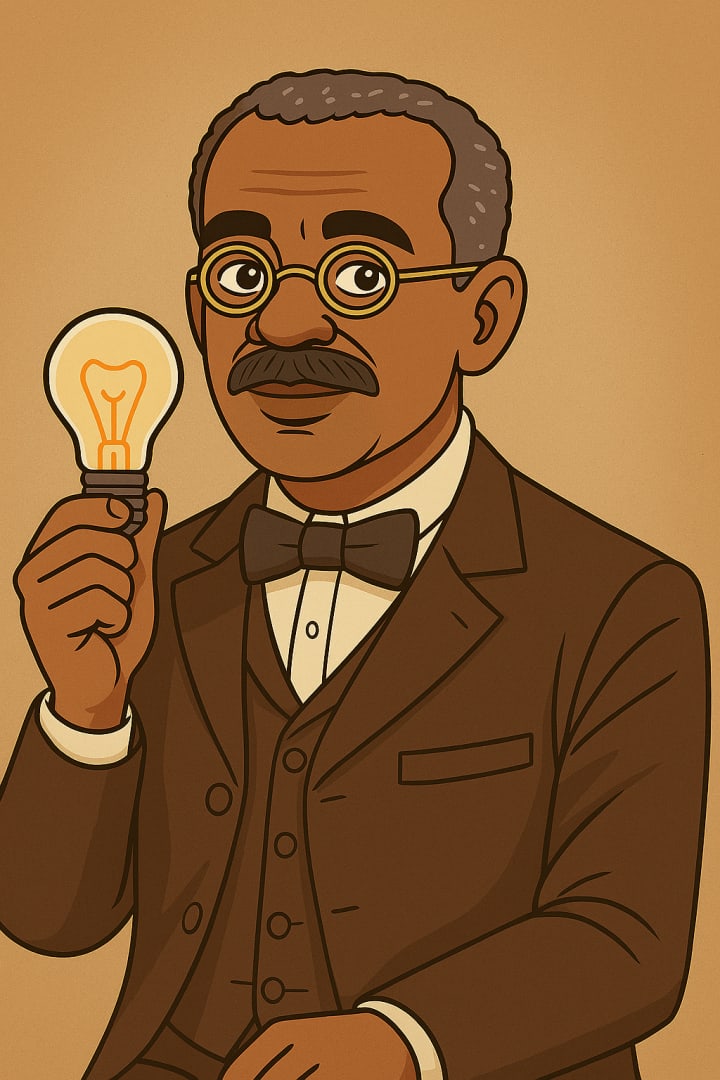
The leap was so significant that in 1884, Latimer was invited to work directly with Thomas Edison and later became the first Black member of the prestigious Edison Pioneers, a group of innovators who shaped the future of electricity.
Latimer’s contributions didn’t stop with the light bulb. His inventive mind produced designs for a precursor to the air conditioner, improvements to train bathroom systems, a safety‑enhanced lamp fixture, and even a locking umbrella.
Despite fierce racial discrimination throughout his career, Latimer oversaw the installation of lighting systems across major cities in the United States, Canada, and Great Britain. His technical expertise helped bring electric light to millions, illuminating streets, factories, and homes during a period of massive industrial and social transformation.
While Edison is often solely credited for the rise of electric lighting, experts increasingly acknowledge that Latimer’s carbon filament innovation was the missing piece that made widespread electrification truly possible. Today, historians recognize him as one of the most influential yet under‑celebrated figures of the 19th‑century technological revolution.
As America continues to celebrate innovators during Black History Month and beyond, Lewis Latimer’s legacy stands as a powerful reminder: brilliance can emerge from anywhere—even from a young man born to parents who were once enslaved, who refused to let barriers define his future and instead helped light the world.
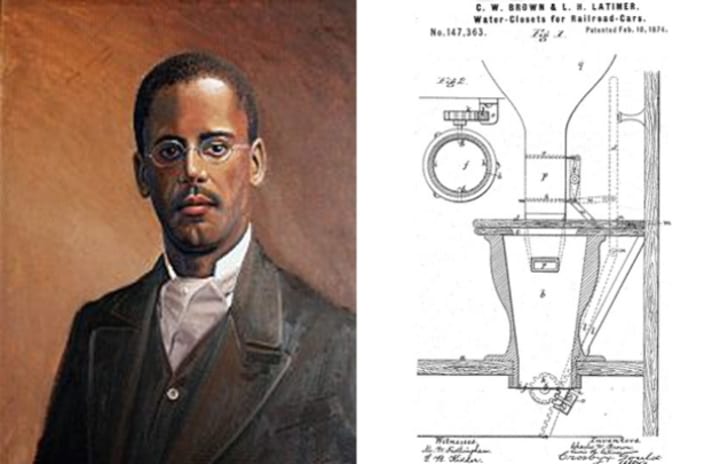
Dear Family & Friends,
I hope you’re all doing well and staying blessed. I’m reaching out today from a genuine place in my heart to share something important to me.
Over the last few months, I’ve been pouring my energy, imagination, and life experiences into writing short stories on Vocal. Writing has become more than a hobby — it’s therapy, expression, creativity, and purpose all wrapped together. Every story I write is a piece of my spirit, and I’m honored every time someone reads it.
That’s why I’m asking for your support as I continue building my platform.
🌟 Please take a moment to subscribe, follow, and share my stories.
Your support helps my page grow and allows my work to reach more people.
It would mean the world to me if you subscribed so you can receive all of my new stories as soon as they’re released.
🔥 And I want you to know something else:
I take personal requests.
If you ever want a story written just for you — whether it’s for inspiration, your child, a special moment, a tribute, or something creative from your imagination — I would love to write it. Your ideas help me grow, and it’s an honor to bring someone’s vision to life through storytelling.
Thank you all for believing in me, supporting me, and being part of my journey. I’m excited for what’s ahead, and I want each of you on this ride with me.
With love and gratitude,
Leavie Scott
About the Creator
TREYTON SCOTT
Top 101 Black Inventors & African American’s Best Invention Ideas that Changed The World. This post lists the top 101 black inventors and African Americans’ best invention ideas that changed the world. Despite racial prejudice.
Keep reading
More stories from TREYTON SCOTT and writers in BookClub and other communities.
Jan Ernst Matzeliger
By Staff Writer Leavie sacott| February 2026 In the late 19th century, when most Americans still relied on expensive hand‑crafted footwear, one inventor quietly changed the future of manufacturing—Jan Ernst Matzeliger, a Surinamese‑American mechanical genius whose shoe‑lasting machine revolutionized the global shoe industry.
By TREYTON SCOTTabout 11 hours ago in BookClub
Rachel Reviews: Lunch Tales: Teagan by Lucille Guarino
Well, I did enjoy this! Sometimes, all you need is just great storytelling and this is what Lucille Guarino delivers here. There's no big message to this book; it's just about folks and families, living their lives and coping with everything that's being thrown at them and finding their way. But when it's done well, like it is here, then you have characters to whom you can relate, tension which leaves you rooting for a better outcome, attraction which has your heart racing and an urge, as a reader, to see the characters happy with the people with whom they belong.
By Rachel Deeming6 days ago in BookClub
Rosicrucianism Revealed
The Enigmatic Rise of Rosicrucian Thought Rosicrucianism stands among the most compelling currents in Western esoteric history. The tradition occupies a distinctive position at the intersection of mysticism, philosophical speculation, symbolic language, and spiritual inquiry. Interest in Rosicrucianism has persisted for more than four centuries, fueled by cryptic manifestos, elaborate allegories, and a reputation for concealed wisdom transmitted through select circles of initiates. References to hidden brotherhoods, alchemical transformation, and spiritual illumination continue to attract scholars, historians of religion, and students of Western occult traditions.
By Marcus Hedare5 days ago in BookClub
The Pride Flag and the Diversion
For nearly a decade, the LGBTQIA Pride Flag rippled in the wind at Christopher Park, a kaleidoscope of color staked into the soil of America’s first national monument to LGBTQIA+ liberation. That flag came down this week. Federal officials, citing new guidance from the Trump Administration, silently lowered the rainbow flag from its pole across the street from the Stonewall Inn. The birthplace of the modern gay rights movement now flies only the United States flag.
By Tim Carmichael2 days ago in Pride




Comments
There are no comments for this story
Be the first to respond and start the conversation.