Nonfiction
January is for Rereading Old Favorites
Like many of us, I set a reading goal each year. I typically read between 50 to 55 books, which is a comfortable amount for my lifestyle. I read 53 books in 2025, and I’m feeling great about that number. But, as I scrolled through my Goodreads account to see my progress for the year, I felt a little disappointed that I didn’t spend much time rereading.
By Kera Hollow15 days ago in BookClub
The Other Woman in My Marriage Wasn’t a Stranger
When I first picked up "MY HUSBAND'S WIFE" book to read, I expected a dramatic story about betrayal and rivalry. The title suggests something bold and emotional, but what I found instead was a much more reflective and human narrative. This is not just a story about two women connected by one man. It is a story about how people understand themselves through love, memory, and comparison.
By Rosalina Jane16 days ago in BookClub
Whiskers, Wanderlust & the World’s Street Cats
Welcome back to The Chapter Café, where stories are always on the menu and comfort is served by the chapter. I’m your host, Kristen, and today we’re curling up with a book that’s part travelogue, part love letter, and entirely purr-worthy. On today’s menu? Street Cats & Where to Find Them by Jeff Bogle—a photographic journey through the world’s most feline-friendly cities, told with warmth, wit, and a deep appreciation for the cats who roam them.
By Kristen Barenthaler18 days ago in BookClub
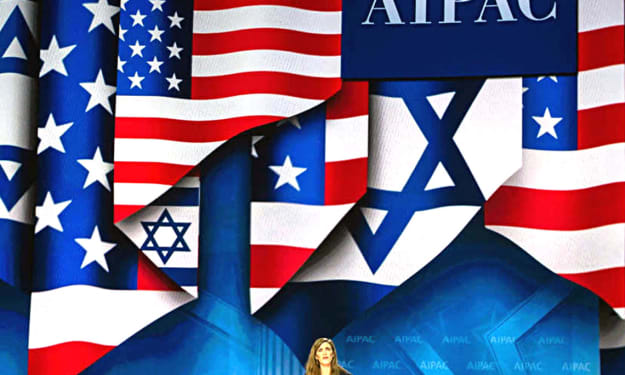
The Pernicious Grip of AIPAC
The American Israel Public Affairs Committee (AIPAC), often portrayed as a mere advocacy group for U.S.-Israel relations, operates more like a metastatic cancer on American democracy, infiltrating both parties through massive campaign donations, coercive endorsements, and relentless lobbying to subordinate U.S. foreign policy to Israel's agenda. This influence isn't just undemocratic—it's profoundly damaging, prioritizing a foreign nation's militaristic ambitions over American interests, such as domestic infrastructure, healthcare, and economic stability. Critics rightly argue that AIPAC's tactics create a chilling effect on free speech in Congress, where even mild criticism of Israel's actions—like its ongoing operations in Gaza or escalations with Iran—can end careers through multimillion-dollar attack campaigns.
By independent journalistabout a month ago in BookClub
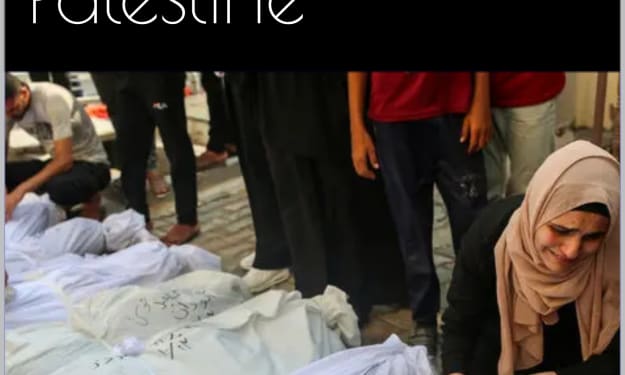
Isreal Genocide against palestine
The genocide did not begin on October 7, 2023. It began in 1948 and never ended. In the spring of 1948, Zionist militias — Haganah, Irgun, Lehi — moved village by village across Palestine. Deir Yassin, April 9: 112 men, women, and children shot, bayoneted, or blown up with barrel bombs. The bodies were thrown into wells. The massacre was broadcast on loudspeakers to terrorize neighboring villages into fleeing. By the time Israel declared itself a state on May 14, 1948, more than 300 Palestinian villages had already been erased. Over 750,000 people — three-quarters of the Arab population in what became Israel — were driven out or fled under direct fire. This was the Nakba: the Catastrophe. Israel calls it the War of Independence. Palestinians call it the beginning of their attempted extermination.
By independent journalistabout a month ago in BookClub
"This Broken Vessel"
“Can you please buy me this book on Kindle?” I called through the house to my daughter. Books ambush me in the unlikeliest places. This one found me as I read a Christmas newsletter from my husband’s New Zealand cousin. It begged to join our household that very day… and thanks to my ever helpful daughter, it did!
By Angie the Archivist 📚🪶about a month ago in BookClub