
Shadows of Chernobyl
A Story of Tragedy and Resilience

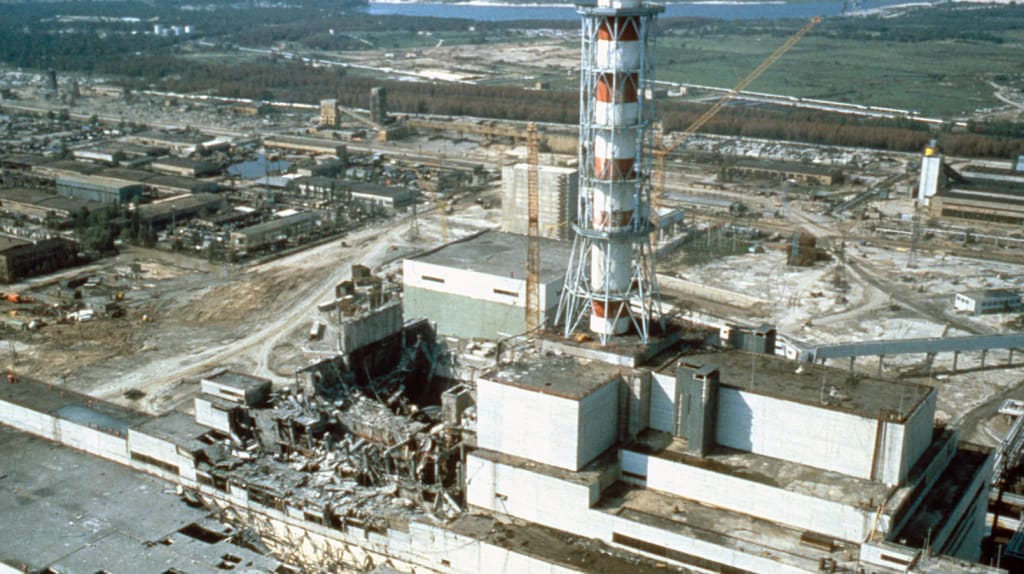
April 26, 1986, is a date that remains etched in the annals of history — a date when the world witnessed one of the most devastating nuclear disasters. The explosion at the Chernobyl Nuclear Power Plant not only shattered lives but also altered the course of history, leaving behind a legacy of fear, sorrow, and resilience. This story delves into the human side of the Chernobyl catastrophe, weaving together the experiences of those who lived through it.
The Quiet Before the Storm
In the early hours of April 26, 1986, the town of Pripyat was like any other Soviet town. Its residents, mostly plant workers and their families, were unaware of the impending disaster. The town, built just three kilometers from the Chernobyl Nuclear Power Plant, was a symbol of Soviet industrial pride, housing nearly 49,000 people.
Inside the plant, a safety test was underway in Reactor 4. The test was supposed to simulate a power outage and ensure that the reactor could safely shut down. However, a combination of flawed reactor design and operator errors set the stage for a catastrophe. As the test proceeded, the reactor’s power dropped to dangerously low levels, creating an unstable condition.
The Explosion
At 1:23 a.m., the unthinkable happened. A massive explosion tore through Reactor 4, blasting the 1,000-ton reactor lid into the air and releasing a lethal cloud of radioactive material. The explosion and subsequent fire sent plumes of radioactive dust into the atmosphere, reaching as far as Western Europe.
Valery Legasov, a prominent Soviet chemist and member of the government commission investigating the accident, would later recall the harrowing sight. “It was as if the very core of the Earth had opened up,” he described. The reactor core was exposed, and radioactive particles began raining down on Pripyat.
The Evacuation
Despite the magnitude of the disaster, the residents of Pripyat were kept in the dark. Life went on as usual on April 26, with children playing outside and families going about their daily routines. It wasn’t until the next day that the authorities decided to evacuate the town.
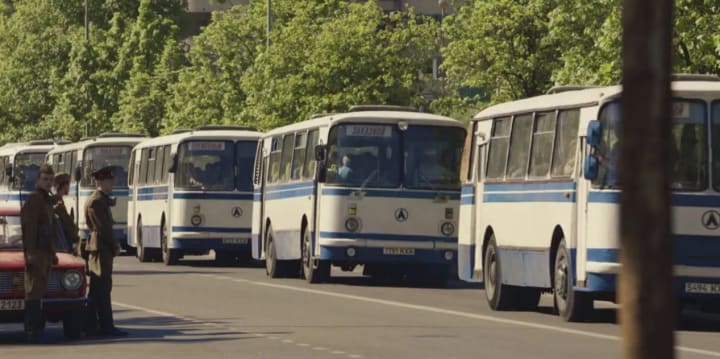
A haunting announcement echoed through the streets: “For the attention of the residents of Pripyat. Due to an accident at the Chernobyl Nuclear Power Plant, an adverse radioactive condition is developing. Part of the town must be evacuated. Please remain calm, and orderly.”
Families had just a few hours to gather their belongings, unaware that they would never return. As buses lined the streets, the reality of the situation began to sink in. Maria Ivanovna, a mother of two, recalled the heart-wrenching moment she left her home. “We thought it was temporary. We left everything behind — our homes, our memories.”
The Liquidators
While Pripyat’s residents fled, thousands of workers, known as “liquidators,” were deployed to contain the disaster. These brave souls included firefighters, soldiers, and plant workers who risked their lives to prevent further radioactive release. Many of them, like firefighter Vasily Ignatenko, succumbed to acute radiation sickness within weeks.
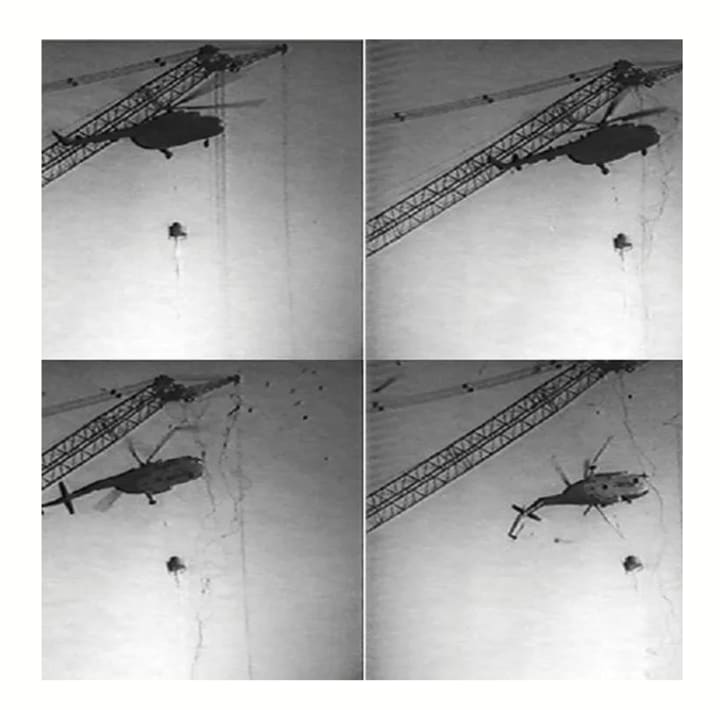
Their efforts, however, were not in vain. By November 1986, a massive concrete sarcophagus was erected to encase Reactor 4, reducing the release of radioactive materials. The liquidators’ sacrifices became a symbol of heroism amidst the tragedy.
Long-Term Impact
The Chernobyl disaster left an indelible mark on the region. The 30-kilometer exclusion zone around the reactor remains largely uninhabited, a haunting reminder of the disaster. However, nature has found a way to reclaim the area. Wildlife, including wolves, deer, and rare bird species, now thrive in the absence of human activity.
The health impacts on the affected population are still debated. The most significant increase has been in thyroid cancer, especially among those who were children at the time. Psychological effects, including anxiety and depression, have also plagued survivors.
Lessons and Resilience
The Chernobyl disaster prompted significant changes in nuclear safety protocols worldwide. Improved reactor designs, stringent safety regulations, and better emergency preparedness have been implemented to prevent such a catastrophe from recurring.
But beyond the technical lessons, Chernobyl is a testament to human resilience. The stories of those who lived through the disaster, like Maria Ivanovna and the liquidators, remind us of the strength of the human spirit. Today, guided tours through the exclusion zone provide a glimpse into the past, educating the world about the disaster’s impact and the enduring resilience of the human spirit.
The Chernobyl catastrophe is a stark reminder of the potential dangers of nuclear energy, but it is also a story of heroism and resilience. The shadows of Chernobyl will forever linger, but within those shadows are tales of courage, sacrifice, and the unyielding will to overcome adversity. As we remember this tragic chapter, we honor those who suffered and those who fought to protect future generations from similar fates.
About the Creator
Keep reading
More stories from Gustavo Woltmann and writers in Chapters and other communities.
The Masons
Origins and Historical Context The precise origins of Freemasonry are shrouded in mystery, but it is widely believed to have emerged in the late 16th to early 17th century. Some scholars trace its roots to the medieval stonemasons’ guilds, which were groups of skilled builders who constructed Europe’s great cathedrals and castles.
By Gustavo Woltmann8 months ago in Chapters


Comments