
Lipstick, low-rise jeans, and layoffs?
The quirky TikTok trends that are becoming America’s funniest and most exciting economic predictions.

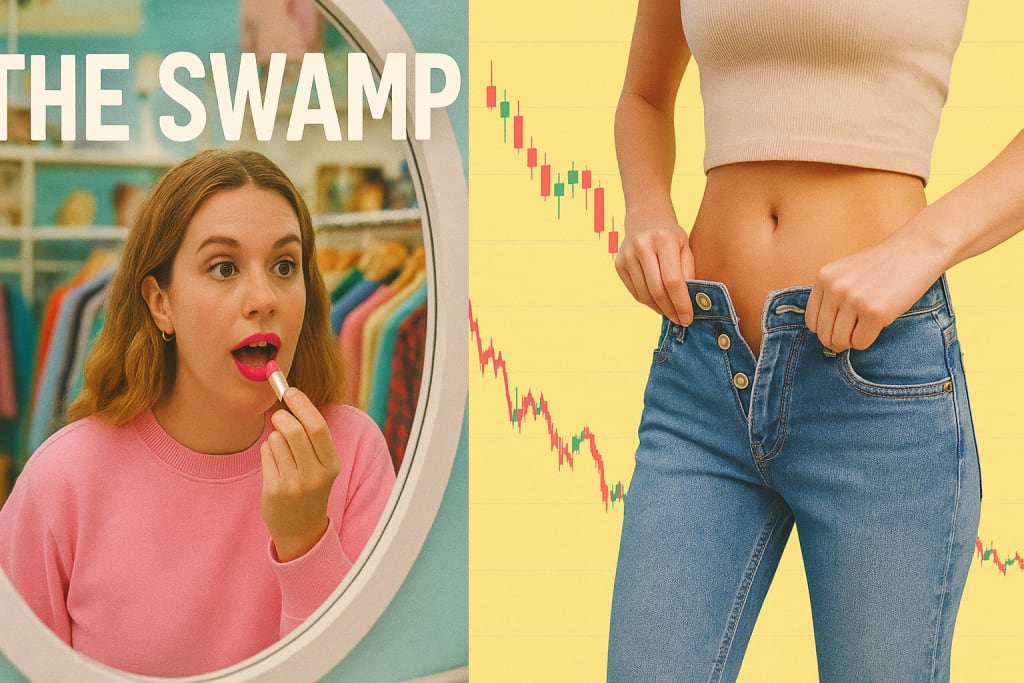
On wall Street, economists watch the charts and fret over the latest market signals. On TikTok, people watch lipstick sales, low-rise jeans, and viral “budget brunch” videos — and somehow, these amateur indicators are unsettlingly predicting the same thing: the economy isn’t doing too well.
Welcome to the strange world of TikTok recession signals, where microtrends in beauty, fashion, and lifestyle have become unpredictable economic weather.
Lipstick Effect” 2.0
Economists have long talked about the “lipstick effect” — the idea that in tough economic times, people cut back on big purchases but spend more on small luxuries, like a new lipstick. But on TikTok, the concept has gone into overdrive.
Beauty influencers are reporting a surge in lipstick and nail polish sales, even as high-end clothing and tech gadgets struggle. Drugstore beauty aisles are suddenly filled with people looking for affordable ways to boost their confidence without blowing their budgets. A viral video shows a creator holding up a $5 lipstick and declaring, “This is my stimulus package.”
The return of low-rise jeans.
Then there’s the low-rise jeans trend. Fashion historians note that low-rise denim had its big moment in the early 2000s — before and during the dot-com bubble burst. Now, TikTok’s fashion feeds are full of Y2K throwbacks: butterfly clips, baby tees, and yes, jeans that risked slipping right off your hips.
Some trend watchers claim it’s pure nostalgia. Others see it as a cyclical comeback, but one that coincides — suspiciously — with an economic slowdown. “When low-rise jeans come back, so does the recession,” one creator joked in a stitched video that has more than 2 million views. “It’s like a denim Ouija board.”
Budget Brunches and DIY Culture
Another trend is appearing on the For You page: budget-friendly everything. Instead of $40-a-head, people are posting recipes for at-home brunch setups that cost less than $10. Crafts, thrifting, and DIY home improvement have surged in popularity, with TikTok acting as both tutor and cheerleader.
Surprisingly, these aren’t just lifestyle choices — they’re economic indicators. When people collectively turn to frugality, it often reflects deeper financial woes. In 2023 and 2024, the hashtags “frugal aesthetic” and “thrift flip” began trending months before government reports showed inflation and job losses were hitting households hard.
Economic anxiety, delivered with humor.
What makes TikTok’s recession signals unique is the tone. Unlike traditional news that sounds like a doomsday alarm, TikTok provides economic commentary wrapped in humor, irony, and relatable storytelling.
Creators poke fun at “unemployment dress checks,” film comedy skits about applying for six jobs in one day, or post memes that combine grocery price shocks with dance trends. It’s hilarious for the social media age — and it’s resonating.
“Sometimes I feel like TikTok is the only place to tell the truth,” one commenter wrote under the viral “Grocery Bill Jump Scare” video. “It’s like, yeah, we’re broke, but at least we can laugh about it.”
Why these trends work as signals.
Social media captures real-time behavior faster than most official surveys. If lipstick sales, thrift shopping, or budget recipes are exploding on TikTok, it’s an immediate read on consumer sentiment. Economists can wait for quarterly data. TikTok users just need to check their FYP.
Trends also work because TikTok’s algorithm thrives on relatability. When people see others struggling or adjusting habits, they’re more likely to engage, comment, and share their experiences. This creates a viral snowball effect that mirrors — and sometimes predicts — broader cultural and economic patterns.
The Danger of False Signals
Of course, not every TikTok trend is a legitimate economic warning. Social media trends can arise purely from the pressures of aesthetics, nostalgia, or influencer marketing. Just because low-rise jeans are trending doesn’t mean GDP is going to plummet.
Still, the overlap between these quirky indicators and real-world events is enough to surprise you. In 2022, budget home cooking videos surged before grocery prices made headlines. In 2023, luxury handbag resale content took off just as high-end retail sales began to decline.
From Wall Street to Your FYP
Some professional analysts are now actively monitoring social media as part of their forecasts. Firms are experimenting with “social sentiment” models that tease out TikTok, Instagram, and X (formerly Twitter) for shifts in economic mood.
While TikTok may not replace the Federal Reserve, it’s hard to deny that it’s become a kind of street-level early warning system — one where the signs are as likely to include glittery eyeshadow as they are mortgage rates.
Dancing Through the Downturn
In a way, these TikTok recession signals are an evolution of old-fashioned talk. People have been sharing tips and tricks for the ever-changing times — now they’re doing it via 15-second videos set to trending audio, like “We’re living through history, baby.”
It’s probably not the most scientific approach. But if lipstick tubes keep flying off shelves, low-rise jeans keep creeping back into closets, and brunch keeps getting cheaper, you might want to get your wallet ready — whether the official numbers agree or not.
About the Creator
Echoes of Life
I’m a storyteller and lifelong learner who writes about history, human experiences, animals, and motivational lessons that spark change. Through true stories, thoughtful advice, and reflections on life.
Keep reading
More stories from Echoes of Life and writers in Confessions and other communities.
Lately, I'm empty
Lately, I feel an emptiness inside of me that doesn’t make any sense. I was fine a week ago and now I’m numb to the pain that I’ve been carrying around. Numb to the idea of me existing. I wish I could go to a place where I can hear happy positive thoughts and surround myself with joy. The medication I’m on doesn’t seem to work anymore. I still feel pain from existing, why am I here anyways? Merely to exist. I don’t feel like I’m making any differences being here.
By Cerina Galvan6 days ago in Confessions
Trending advice on dating lifestyle and relationship building techniques today
Technology, shifting social standards and lifestyle priorities have greatly transformed modern dating. The current generation of singles is much more thoughtful in their relationships, and they prioritize compatibility, emotional well-being, and life longevity. Instead of using just luck and the conventional ways of dating, individuals now seek new ways of establishing significant relationships. Such tendencies indicate a change towards rational choice, openness, and respect to each other. Being aware of the existing tips and tricks to dating and relationship formation, allows people to explore the contemporary romance in a more efficient manner balancing both personal and relationship development with establishing a healthy and long-lasting relationship.
By Robert Smithabout 20 hours ago in Confessions




Comments
There are no comments for this story
Be the first to respond and start the conversation.