
10 Most Dangerous Prisoners Ever Held In Pretoria C-Max Prison.
Today we look at the Top 10 Most Dangerous Prisoners Ever Held In Pretoria C-Max Prison.

10 - Annanias Mathe
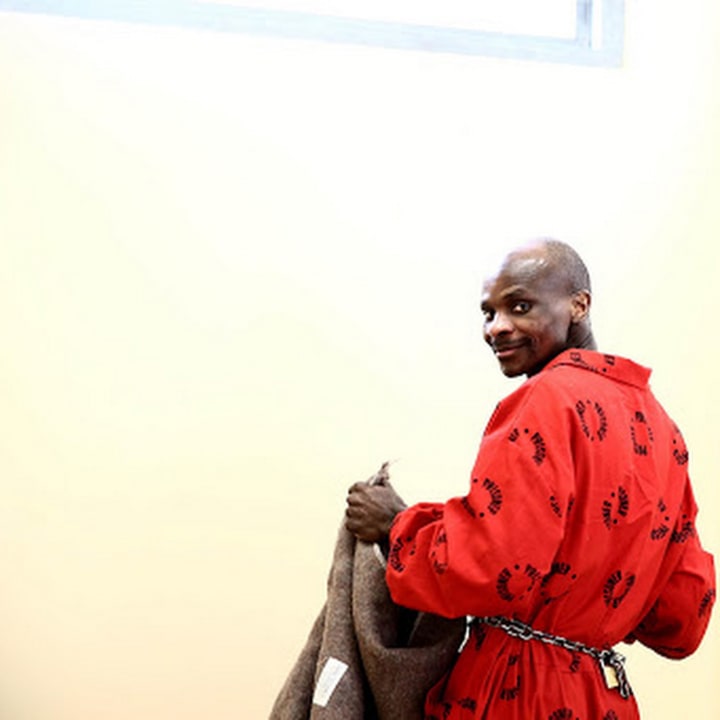
Ananias Mathe was once South Africa’s most infamous criminal, known not only for a string of violent crimes but also for an audacious prison escape that left the nation stunned.
Originally from Mozambique, Mathe carved a name for himself in the early 2000s as a ruthless criminal with a knack for evading justice—until his eventual downfall brought an end to a reign of terror.
Mathe’s criminal record included over 50 charges, ranging from attempted murder and rape to robbery and housebreaking.
He targeted affluent areas in Johannesburg, often preying on residents of gated communities. His modus operandi was chilling: he would break into homes, sometimes holding victims hostage, and steal valuable items while exhibiting extreme violence.
Several of his victims recounted harrowing tales of being tied up, threatened, and assaulted. However, Mathe became a household name in 2006 not for his crimes, but for his daring escape from the maximum-security C-Max prison in Pretoria.
At the time, he was the only person known to have escaped from the notoriously secure facility. According to official reports, Mathe managed to squeeze through a small window in his cell using petroleum jelly to slide between the bars.
The incident embarrassed prison authorities and sparked widespread outrage, with critics accusing the correctional services department of corruption and gross negligence.
The escape led to a massive manhunt. Authorities eventually recaptured Mathe weeks later after he was found hiding in a remote rural area in KwaZulu-Natal.
His capture was dramatic, involving an intense shootout and a high-speed chase. Following his re-arrest, the South African government took extra precautions, transferring him to the Ebongweni Super Maximum Prison in Kokstad—one of the most secure facilities in Africa.
Mathe’s trial was equally sensational. He faced a long list of charges, and the proceedings attracted significant media attention due to the gravity of his crimes and his high-profile escape.
In 2009, after a lengthy trial, the Johannesburg High Court found Mathe guilty on 67 charges, including attempted murder, rape, robbery, and housebreaking.
He was sentenced to 54 years in prison, effectively ensuring he would never again be a threat to society. Investigations following Mathe’s escape revealed corruption among prison staff, some of whom were suspected of aiding his breakout.
In December 2016, Ananias Mathe died in Pretoria prison at the age of 41 and the Department of Correctional Services reported that he died of natural causes after a short illness.
9 - Clive Derby-Lewis
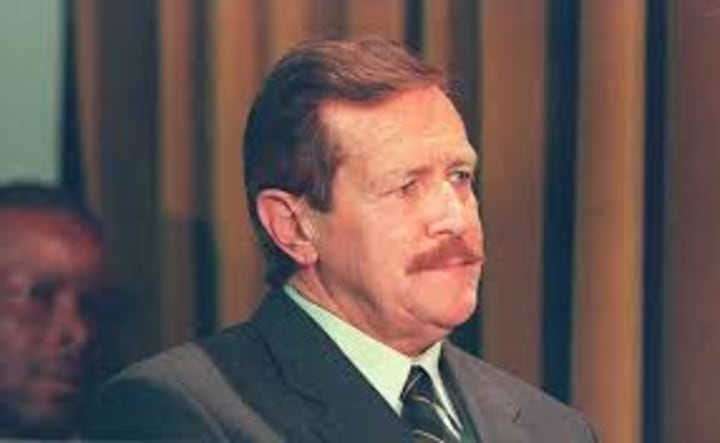
Clive Derby-Lewis was a South African right-wing politician convicted for his role in the 1993 assassination of Chris Hani, a prominent anti-apartheid leader and General Secretary of the South African Communist Party.
The murder, carried out by Polish immigrant Janusz Waluś using a firearm supplied by Derby-Lewis, aimed to incite racial conflict and derail South Africa's transition to democracy.
Both Derby-Lewis and Waluś were sentenced to death in October 1993, but their sentences were commuted to life imprisonment following the abolition of the death penalty in 1995.
Derby-Lewis served his sentence at Pretoria Central Prison, later renamed Kgosi Mampuru II Correctional Centre. During his incarceration, he faced multiple attacks by fellow inmates, including a stabbing incident in 2014.
Derby-Lewis applied for parole multiple times, citing age and health issues, but was repeatedly denied. In 2015, after being diagnosed with terminal lung cancer, he was granted medical parole by the High Court in Pretoria.
He was released in June 2015 and died in Pretoria on November 3, 2016, at the age of 80, leaving unresolved questions about the full extent of the conspiracy behind Hani's assassination.
8 - Dimitri Tsafendas
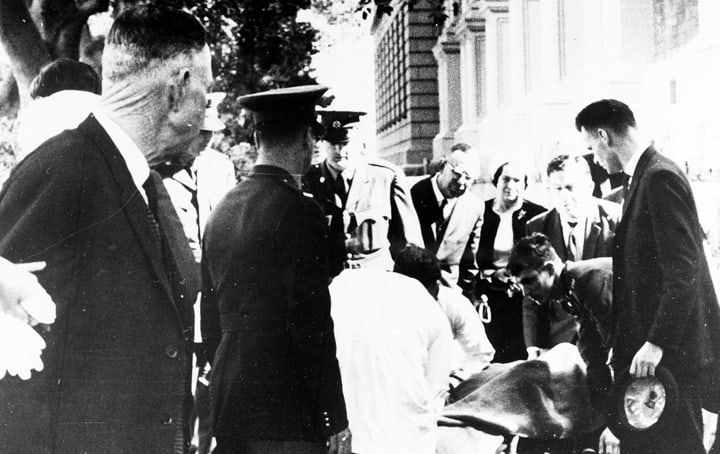
Dimitri Tsafendas was a Mozambican-born political activist who assassinated South African Prime Minister Hendrik Verwoerd—the chief architect of apartheid—on September 6, 1966.
Working as a parliamentary messenger, Tsafendas stabbed Verwoerd four times on the floor of Parliament in Cape Town.
He later explained that he acted out of deep opposition to apartheid, stating he was “disgusted with [Verwoerd’s] racial policies” and hoped his death would bring about political change.
At his trial, Tsafendas was declared not guilty by reason of insanity, based on claims that he believed a giant tapeworm inside him was controlling his actions.
This narrative was accepted by the court, and he was committed as a “State President’s patient,” meaning he could be detained indefinitely without trial.
However, later investigations revealed that this diagnosis was likely fabricated to depoliticize the assassination and suppress Tsafendas’s anti-apartheid motives.
Instead of being placed in a psychiatric hospital, Tsafendas was held in solitary confinement on death row at Pretoria Central Prison for 23 years, in a cell adjacent to the execution chamber.
He endured severe mistreatment, including beatings, torture, and psychological abuse, such as being forced to listen to weekly hangings.
In 1989, he was transferred to Zonderwater Prison, and in 1994, after the end of apartheid, he was moved to Sterkfontein psychiatric hospital, where he died of pneumonia in October 1999 at the age of 81.
Tsafendas’s actions have been re-evaluated Posthumously and, A 2018 report submitted to South Africa’s Minister of Justice, supported by prominent legal figures, concluded that Tsafendas was sane and politically motivated, challenging the long-held view of him as a mentally ill assassin.
7 - Eugene de Kock
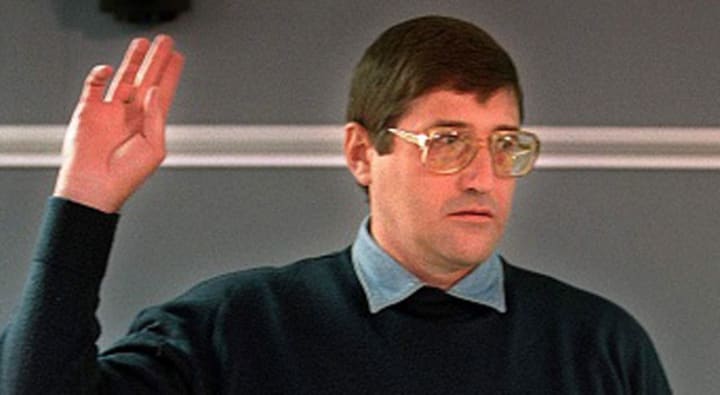
Eugene de Kock, infamously known as "Prime Evil," Eugene de Kock was a central figure in South Africa's apartheid-era security apparatus.
As the commander of the covert police unit C10, based at the Vlakplaas farm near Pretoria, he orchestrated numerous horrific crimes of anti-apartheid activists during the 1980s and early 1990s.
In 1996, de Kock was convicted on 89 charges, including six counts of murder, conspiracy to murder, attempted murder, assault, kidnapping, illegal possession of firearms, and fraud.
He was sentenced to two life terms plus an additional 212 years in prison and during the Truth and Reconciliation Commission hearings, de Kock provided extensive testimony about the crimes committed by his unit and implicated higher-ranking officials in the apartheid government.
However, he maintained that he was the only member of the former police force to be sentenced for crimes committed on behalf of South Africa's old order.
De Kock began his sentence in the maximum-security C-Max section of Pretoria Central Prison, now known as Kgosi Mampuru II Correctional Centre.
Reports suggest that he received preferential treatment during his incarceration, including a specially prescribed diet, which led some inmates to claim he was treated like a "king" . In 1997, he was moved to the main section of Pretoria Central Prison.
In January 2015, after serving approximately 20 years, de Kock was granted parole. Justice Minister Michael Masutha stated that de Kock had expressed remorse for his crimes and had cooperated with authorities to recover the remains of some the victims.
The decision to grant parole was met with mixed reactions; some viewed it as a step toward reconciliation, while others felt it was an injustice to the victims and their families.
6 - Janusz Waluś
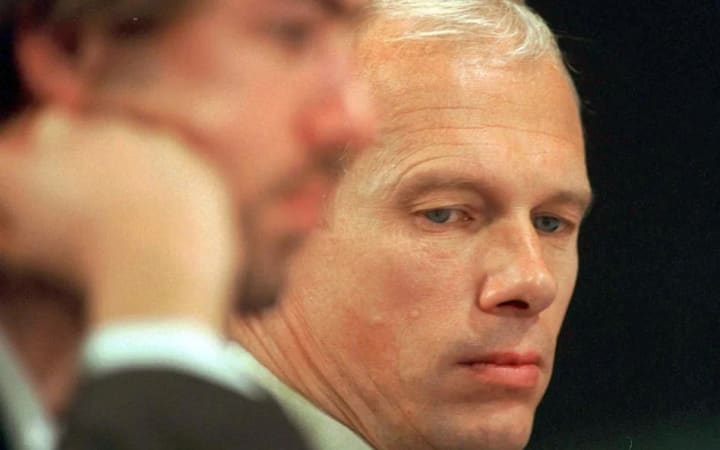
On April 10, 1993, Waluś fatally shot Chris Hani outside his home in Boksburg, near Johannesburg. Hani was the General Secretary of the South African Communist Party and a senior figure in the African National Congress.
Waluś acted in collaboration with Clive Derby-Lewis, a Conservative Party MP who provided the murder weapon and compiled a hit list that included other anti-apartheid leaders like Nelson Mandela and Joe Slovo.
The assassination aimed to destabilize the country and halt the democratic transition. However, it had the opposite effect, galvanizing public support for the democratic process and expediting the 1994 elections.
Both Waluś and Derby-Lewis were sentenced to death in October 1993. Following the abolition of the death penalty in South Africa, their sentences were commuted to life imprisonment.
Waluś served his sentence at Pretoria Central Prison, now known as Kgosi Mampuru II Correctional Centre.
During his incarceration, Waluś applied for amnesty through the Truth and Reconciliation Commission, but his application was denied on the grounds that he and Derby-Lewis were not acting under higher orders.
Waluś's parole applications were denied multiple times over the years. In November 2022, the Constitutional Court of South Africa ordered his release on parole, stating that the decision to deny parole was irrational.
His release was delayed due to a stabbing incident in prison but eventually occurred on December 7, 2022. He was placed under strict parole conditions for two years and after this ended he was deported to Poland.
5 - Butana Almond Nofomela
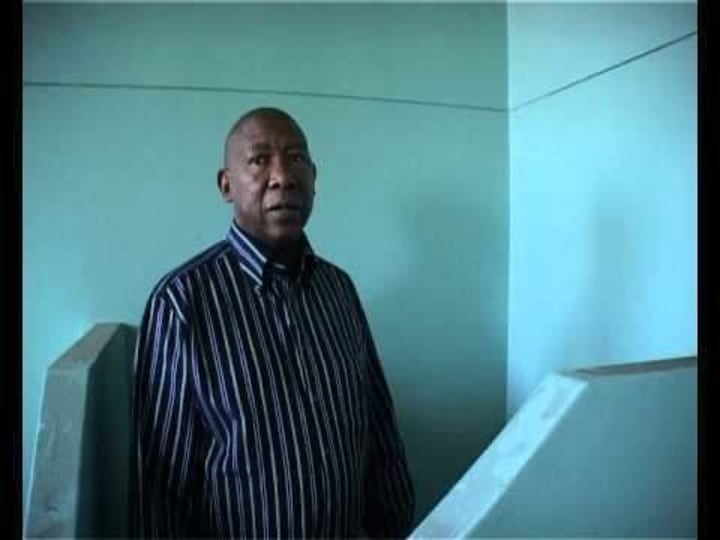
In 1988, Nofomela was convicted of the 1987 murder of farmer Johannes Lourens and sentenced to death. However, on the eve of his scheduled execution in October 1989, he made a startling confession from his death row cell in Pretoria.
He revealed his involvement in a clandestine police assassination unit based at Vlakplaas, which targeted anti-apartheid activists.
Nofomela detailed his participation in several operations, including the 1981 murder of human rights lawyer Griffiths Mxenge and a 1983 raid in Swaziland that resulted in the deaths of three African National Congress members.
His disclosures led to a stay of execution and an official investigation into the Vlakplaas unit.
Following his confession, Nofomela's death sentence was commuted to life imprisonment. He served his sentence at Pretoria Central Prison, now known as Kgosi Mampuru II Correctional Centre.
During his incarceration, Nofomela expressed remorse for his actions and cooperated with the Truth and Reconciliation Commission, providing testimony about the apartheid government's covert operations.
He was granted amnesty for the killings he confessed to, including that of Griffiths Mxenge and, ffter serving 22 years, Nofomela was released on parole in September 2009.
Upon his release, Nofomela expressed deep remorse for his past actions and sought forgiveness from those he had wronged.
4 - Radovan Krejčíř
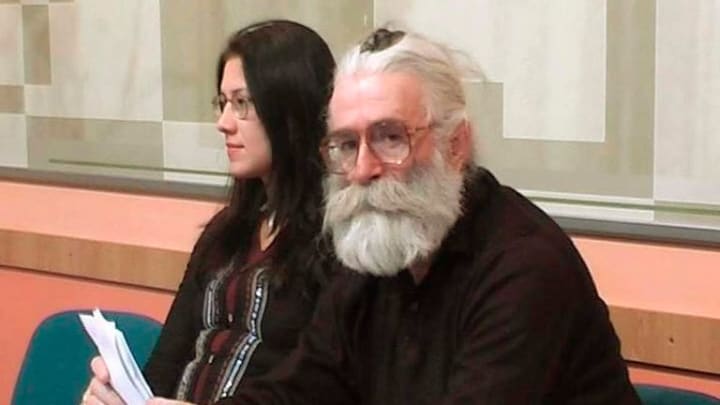
In 2013, Krejčíř was arrested in South Africa in connection with a failed drug deal involving 25 kilograms of methamphetamine. He was charged with kidnapping, attempted murder, and drug trafficking. In August 2015, he was found guilty on multiple counts.
On February 23, 2016, the Johannesburg High Court sentenced him to 35 years in prison: 25 years for drug trafficking, 15 years for kidnapping, and 15 years for attempted murder, with portions of the sentences running concurrently.
Krejčíř is serving his sentence at Kgosi Mampuru II Correctional Centre in Pretoria. His imprisonment has been marked by multiple escape attempts.
In September 2015, authorities uncovered a detailed plan involving smuggled weapons, cellphones, and a helicopter, allegedly financed by approximately $18 million USD. The plan included bribing prison officials and using a helicopter for his escape.
Due to these escape plots, Krejčíř was transferred to the high-security eBongweni C-Max Prison in Kokstad.
In June 2024, he returned to court to challenge his prison conditions, citing lack of hot water, blankets, and medication. His legal team also claimed that a firearm found in his cell belonged to prison officials, a claim denied by correctional services.
Krejčíř is also wanted in the Czech Republic, where he has been convicted in absentia for fraud and other crimes, facing a 15.5-year sentence. South African authorities have been engaged in ongoing extradition proceedings, but as of May 2025, he remains incarcerated in South Africa.
3 - Thabo Bester
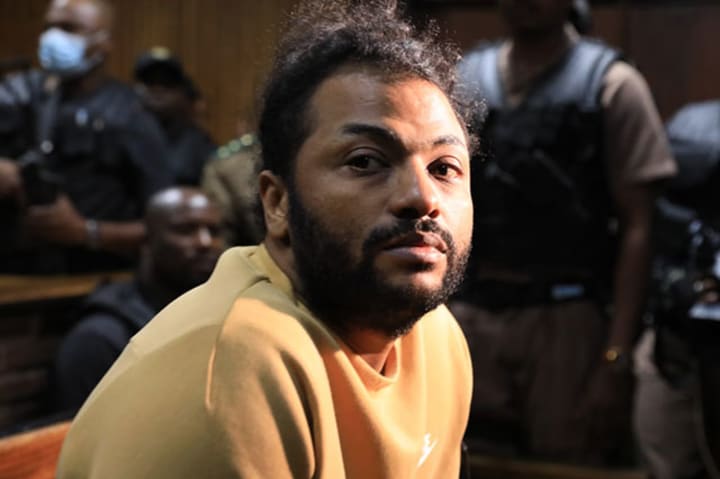
Bester gained notoriety as the "Facebook rapist" for using the social media platform to lure women under the guise of modeling opportunities.
He was convicted in 2011 for two counts of rape and in 2012 for the murder of his girlfriend, Nomfundo Tiyhulu.
He received a life sentence for these crimes and was incarcerated at the Mangaung Correctional Centre, a maximum-security prison in Bloemfontein managed by the private security company G4S.
On May 3, 2022, Bester orchestrated a daring escape by faking his death in a cell fire. A charred body was discovered in his cell, leading authorities to believe he had died by suicide.
However, investigations later revealed that the body was not Bester's but that of Katlego Bereng Mpholo, who had gone missing in April 2022. The post-mortem indicated that Mpholo had died before the fire, suggesting foul play.
Following his escape, Bester lived under the alias "TK Nkwana" in a rented mansion in Hyde Park, Johannesburg, with his partner, Dr. Nandipha Magudumana.
Together, they operated a fraudulent property company, Arum Properties, scamming individuals out of significant sums of money.
Bester and Magudumana were apprehended on April 8, 2023, in Arusha, Tanzania, and subsequently deported to South Africa. Bester is currently held at the Kgosi Mampuru II Correctional Centre in Pretoria, specifically in the C-Max section, which is designated for high-risk inmates.
Due to the nature of his escape, Bester is subjected to stringent security measures, including constant surveillance and the use of hand and leg cuffs during movements outside his cell.
2 - Sipho Thwala
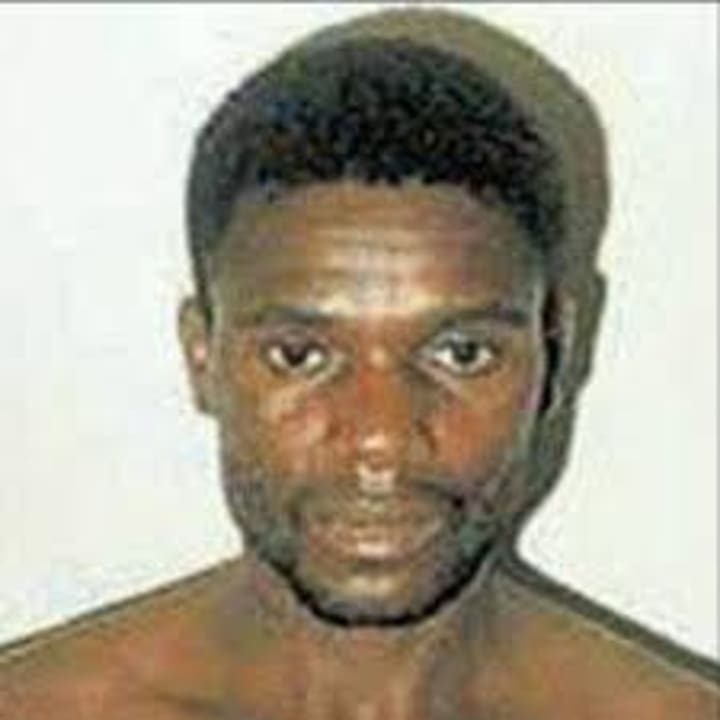
Infamously dubbed the "Phoenix Strangler," Thwala was convicted in 1999 for a series of brutal crimes committed between 1996 and 1997.
Thwala's criminal activities were concentrated in the sugarcane fields near Mount Edgecombe, close to Phoenix in KwaZulu-Natal. He lured women with false promises of employment as domestic workers in nearby hotels.
Once isolated in the fields, he would bind his victims with their own undergarments, rape, and then strangle or bludgeon them to death. To eliminate evidence, he often set fire to the cane fields, a tactic that initially hindered investigations.
Thwala was arrested on August 14, 1997, after DNA evidence from the crime scenes matched samples taken during a prior arrest in 1994 for which he had been acquitted.
On March 31, 1999, the Durban High Court found him guilty of 16 murders, 10 rapes, one attempted murder, and multiple counts of indecent assault. Judge Vivienne Niles-Duner sentenced him to 506 years in prison, citing his lack of remorse and the heinous nature of his crimes.
Following his conviction, Thwala was transferred to the C-Max section of Kgosi Mampuru II Correctional Centre in Pretoria, a facility designated for South Africa's most dangerous offenders.
Thwala's case remains one of South Africa's most notorious serial murder cases and he remains in C-Max.
1 - Moses Sithole
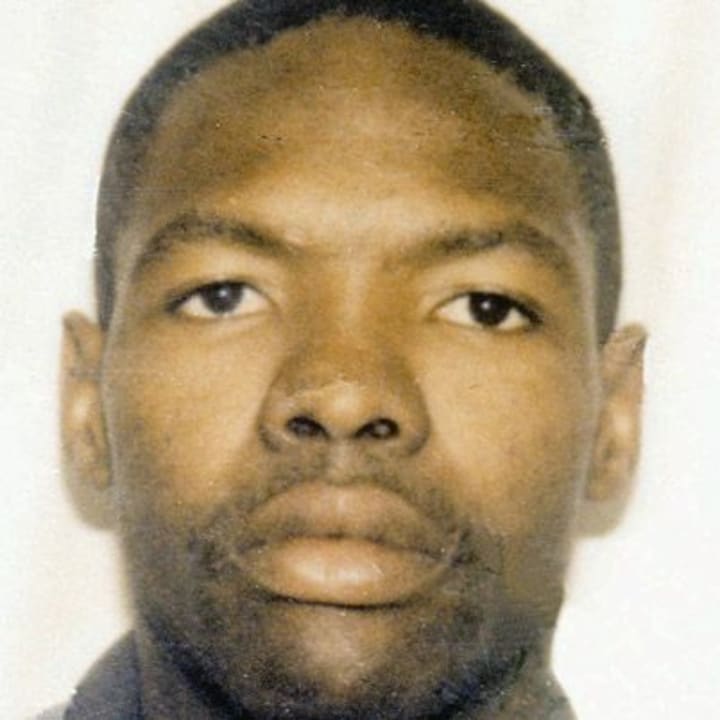
One of the most dangerous serial killers in the world, and by far the most dangerous in Africa, Sithole was convicted of 38 murders, 40 rapes, and 6 robberies.
His crimes were particularly brutal, often involving the luring of victims under false pretenses, followed by sexual assault and murder. The scale and nature of his offenses earned him infamy as one of the country's worst serial offenders.
Following his conviction, Sithole was sentenced to 2,410 years in prison. He was initially incarcerated in the maximum-security section of Pretoria Central Prison, known as C-Max.
Due to the severity of his crimes and concerns for his safety, he was later transferred to the Mangaung Correctional Centre in Bloemfontein, where he continues to serve his sentence.
Sithole's case remains a grim reminder of the depths of human depravity and has had a lasting impact on South Africa's criminal justice system.
We have loads more great true crime videos in our playlist on this page, you can also check out our recommended video above and subscribe for more true crime videos published weekly.
This article was originally published at https://www.networth25.com
About the Creator
Vidello Productions
My name is William Jackson, a YouTube content creator and crypto enthusiast with over 161,000 subscribers and I make videos that are focused on the billionaire lifestyle and crime.
Content consists of top list videos.
Keep reading
More stories from Vidello Productions and writers in Criminal and other communities.




Comments
There are no comments for this story
Be the first to respond and start the conversation.