
A Teen Journalist Is Murdered After Investigating A Fraternity
A young girl's search for the truth ends in her murder


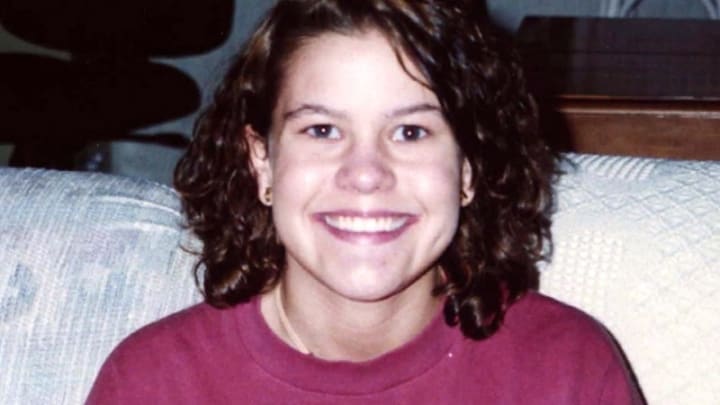
Born on 24th April 1978, Brook Baker was always a headstrong and independent spirit. From an early age, her family recognised her ambition and drive—qualities that set her apart and hinted at the remarkable path she would follow. Her greatest goal was clear: to become the leading journalist of her generation.
By 1997, at just 19 years old, Brook was already making her mark. She was pursuing a degree in journalism at Vincennes University in Indiana and had earned the position of editor for the student newspaper. Despite her youth, her talent and determination were unmistakable, prompting her professor to declare that she was destined for greatness.

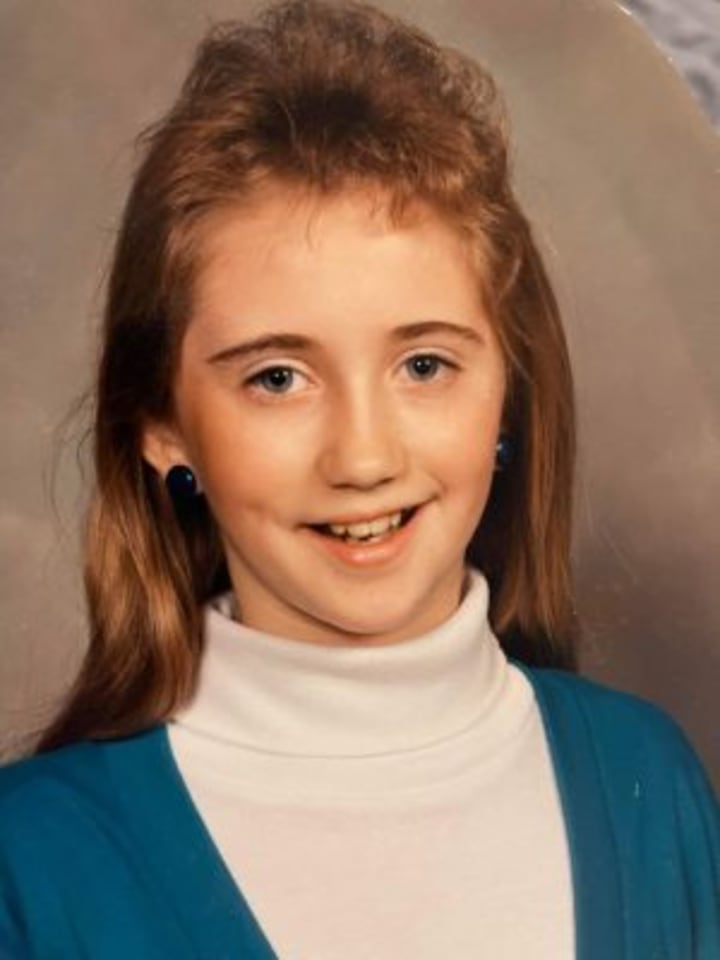
Perhaps it was this fearless, outspoken nature that sometimes got her into trouble—Brook was never one to shy away from difficult stories, even when they hit close to home. One such story unfolded at her own university.
In the spring of 1997, news broke of an alleged rape at a fraternity house party, with a female student reportedly being drugged. Upon hearing this, Brook launched her own investigation, interviewing multiple female students who had previously encountered the fraternity members involved.
The fraternity students, sensing her scrutiny, grew hostile and attempted to intimidate her through threatening emails. Yet Brook refused to be deterred, pressing forward with her reporting with the same determination that had defined her from the start.

Although Brook remained unfazed, her mother could not hide her worry for her daughter’s safety. Brook, however, was determined to publish the story—to alert other students and prevent future victims.
One evening, while visiting a friend’s off-campus apartment, Brook faced a chilling escalation: a truckload of fraternity brothers appeared outside, shouting threats at her. The situation had clearly reached a dangerous level, yet Brook’s resolve did not waver. She remained relentless, committed to uncovering the truth no matter the personal risk.
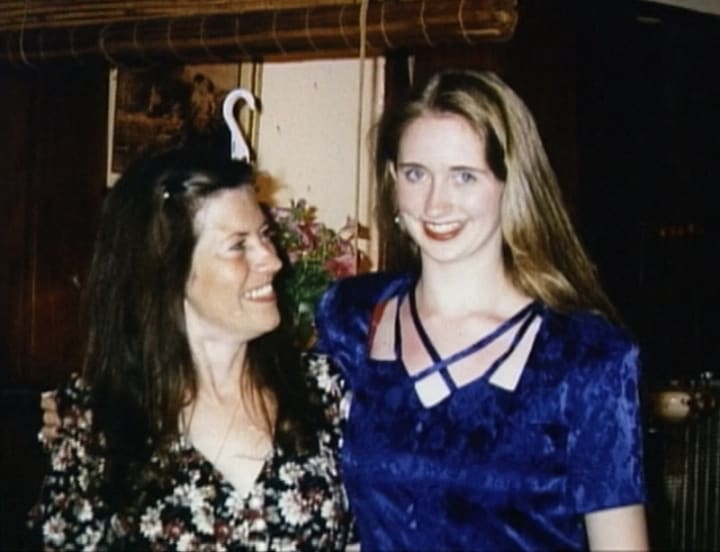
After the confrontation with the fraternity brothers, Brook moved into a new apartment owned by a campus officer. But this move introduced a troubling new danger. She confided in family and friends that the officer frequently appeared unannounced, leaving her feeling uneasy and unsafe. On one occasion, he let himself in while she was showering; another time, he shone a light through her window late at night. The incidents left Brook deeply unsettled.
Tragically, on 7th September of that year, her worst fears came to a devastating reality. Brook’s brother entered her apartment and was confronted with a horrifying scene: his sister lay lifeless in her bed, naked and brutally stabbed eleven times. Police were called immediately and arrived at the scene to investigate the shocking crime.

Forensic investigators later revealed the horrifying circumstances surrounding Brook’s death. She had been viciously restrained and subjected to a brutal sexual assault. The bathtub faucet had been left running, and several knives were discovered in the water—one bent from the force of the attack.
Police began examining potential suspects, focusing on three primary theories. The first pointed to the fraternity members who had confronted Brook just weeks earlier, hurling verbal abuse and intimidation.
Investigators considered the grim possibility that someone might have sought to silence her, preventing the publication of a story that could expose their actions, jeopardize their futures, and even lead to criminal charges.

The second theory focused on Brook’s unsettling landlord, with whom she had ongoing issues. Since there were no signs of forced entry into her apartment, investigators considered the possibility that he had let himself in, as he often did. It was thought that a confrontation may have escalated into a violent struggle, tragically ending in Brook’s death.
The third theory suggested that the killer could have been someone posing as a potential roommate. In the days leading up to her murder, Brook had placed an ad in the college newspaper seeking a new roommate. Investigators speculated that her assailant may have responded to the ad, gaining her trust before committing the horrific crime.
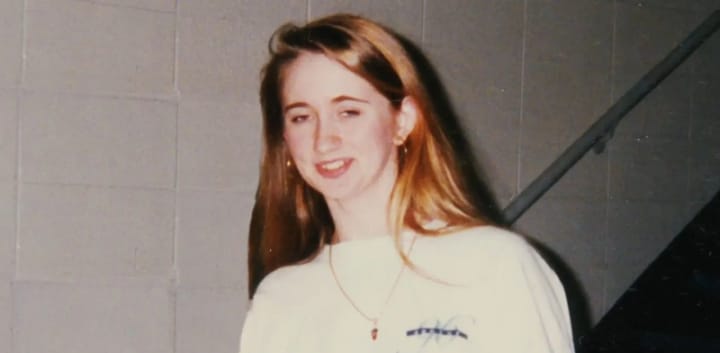
Investigators also focused on the physical evidence left at the scene. DNA collected from Brook’s body was compared against fifty potential suspects—including the landlord and fraternity members—but none matched.
Weeks turned into months with no new leads, leaving detectives scrambling to keep the case alive. Despite their efforts, the investigation would go cold for the next two years.
Then, in July 1999, tragedy struck again. Another Vincennes University student vanished under eerily similar circumstances. Twenty-one-year-old Erika Norman had disappeared, raising fears that Brook Baker’s killer might have struck once more.

In a chilling echo of Brook’s murder, Erika’s apartment was found with blood scattered throughout the rooms. There were no signs of forced entry, and the bathtub faucet had been left running. For investigators, the scene was a haunting case of déjà vu.
Tracing Erika’s final movements, friends reported that on the night of July 3rd, she had been at a local bar. Later that evening, multiple witnesses saw her with a fellow student—22 year old Brian Jones—marking the last known sightings of Erika before her disappearance.
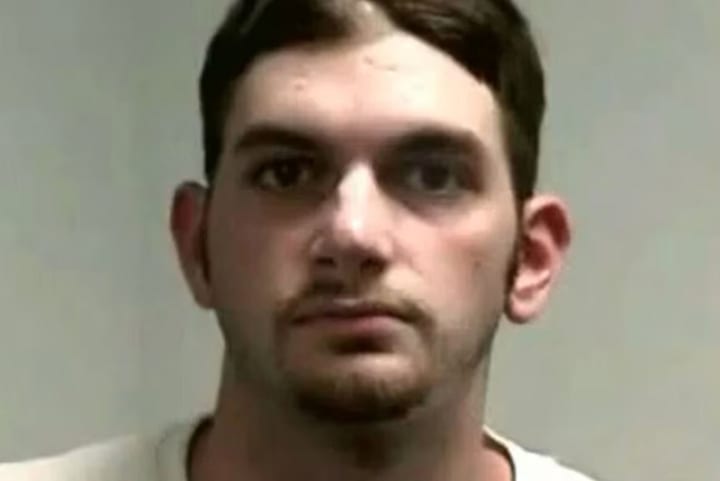
When police investigated Brian, they found no prior criminal record and no immediate reason to suspect him of wrongdoing. Still, he was brought in for questioning and voluntarily provided a DNA sample.
Brian also handed over the clothes he had worn the night he was last seen with Erika, and investigators conducted a thorough search of his car. Forensic detectives discovered a bloodstain on his shoes, and additional traces of blood were found inside the vehicle—evidence that would soon make him the focus of a chilling investigation.

Swabs of the blood were sent to the lab for analysis, but it would take sixteen days before the results could be confirmed.
Meanwhile, in Lawrence County, Illinois, a farmer made a grim discovery: a human corpse hidden in his cornfield. The remains were badly decomposed, but dental records soon confirmed the worst—Erika Norman was dead.
When the lab results finally returned, they revealed damning evidence: the blood on Brian’s shoes and inside his vehicle belonged to Erika Norman. Even more shocking, his DNA also matched the sample recovered from Brook Baker’s body years earlier.
Confronted with the evidence, Brian was formally charged on July 13th. When his trial began on 14th December 2000, he accepted a plea deal, admitting guilt in Erika Norman’s murder in exchange for avoiding the death penalty. He was sentenced to 60 years in prison.
For the rape and murder of Brook Baker, Brian Jones received a life sentence without the possibility of parole, ensuring he would never harm another person.
About the Creator
Matesanz
I write about history, true crime and strange phenomenon from around the world, subscribe for updates! I post daily.
The College Student Who Jumped Into Shark Infested Waters For A Dare
In 2023, Cameron Robbins was an 18 year old with a promising future. Cameron Robbins Having just graduated from the University Laboratory School in Baton Rouge, he and a group of friends decided to celebrate their accomplishments.
By MatesanzExclusive • 2 months ago
Nancy Guthrie Update Today: FBI Intensifies Search for Savannah Guthrie’s Missing Mother
Nancy Guthrie Update Today: Latest Developments in the Search The disappearance of Nancy Guthrie, mother of NBC Today show co-anchor Savannah Guthrie, remains an active and highly publicized investigation. As of February 13, 2026, authorities continue to comb the Catalina Foothills and surrounding areas in Tucson, Arizona, searching for any leads that could lead to her safe return. With nearly two weeks passed since she was last seen, the case has captured national attention, drawing public tips, forensic analysis, and family appeals.
By Story Prism7 days ago in Criminal
The abduction of Jayme Closs
The abduction of Jayme Closs shocked the United States and drew national attention to the terrifying reality of targeted, premeditated crimes committed by strangers. In the early hours of October 15, 2018, Jayme’s life was violently and permanently altered when a young man she had never met arrived at her family home in Barron, Wisconsin** with the intention of taking her for himself.The offender, whose real name is Jake Patterson (sometimes incorrectly reported as Thomas Patterson), was a 21-year-old man who described himself as socially isolated and lonely. According to his own statements, he wanted a girl to keep him company and believed abducting one was the only way he could achieve this. Rather than attempting to form a relationship in a lawful or healthy way, Patterson made the deliberate and chilling decision to kidnap a child.
By Kure Garba3 days ago in Criminal
What Happens To Your Brain When You Stop Multitasking
Digital technology is the culprit that is causing us to doom scroll when tired, disengaged and unmotivated with the content that motivated you to log onto your device to consume in the first place. That is only the beginning. In the modern workplace (and even when filing cabinets were around, I confirmed this with my adopted parents to get my facts right); reading files while you are supposed to be present to the caller on the other end of the phone line is another classic example of multitasking that causes your brain (although adaptable and intelligent) to lose focus and concentration.
By Justine Crowley6 days ago in Psyche




Comments
There are no comments for this story
Be the first to respond and start the conversation.