
Ahmad Khan Rahimi Became Known As The Chelsea Bomber
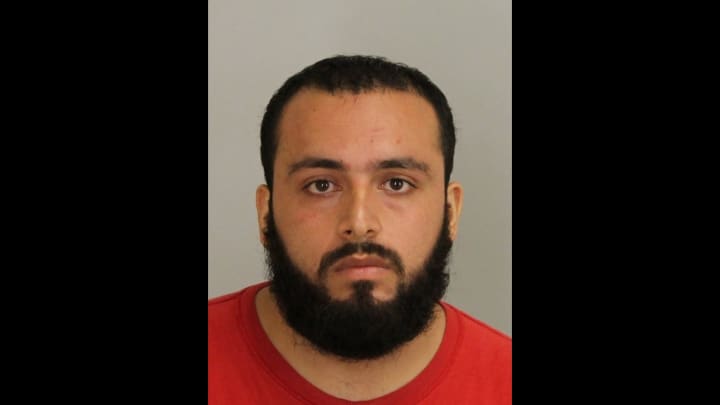
Ahmad Khan Rahimi, an Afghan-born U.S. citizen who would later become known as the "Chelsea Bomber."

In September 2016, the streets of New York and New Jersey were rattled by a series of bombings that sparked fear, confusion, and a massive manhunt.
Rahimi's actions and subsequent trial brought to light a chilling case of homegrown terrorism and radicalization.
Early Life and Background

Ahmad Khan Rahimi was born in Afghanistan in 1988 and moved to the United States in 2000 with his family, settling in Elizabeth, New Jersey.
He later became a naturalized U.S. citizen. Rahimi appeared to live a relatively ordinary life; he attended high school in Elizabeth and studied criminal justice at Middlesex County College, although he did not graduate.
His family ran a fried chicken restaurant called First American Fried Chicken, which was often the subject of disputes with city officials over late-night hours.
Rahimi was described by some locals as quiet and polite, but others noted a change in his behavior in the years leading up to the bombings.
He reportedly became more religious and traveled multiple times to Pakistan and Afghanistan.
Federal authorities later believed these trips played a significant role in his radicalization.
The Bombings

On September 17, 2016, Rahimi placed a homemade bomb in a dumpster on West 23rd Street in the Chelsea neighborhood of Manhattan.
The bomb exploded at around 8:30 PM, injuring 31 people.
Fortunately, no one was killed, but the blast caused significant property damage and panic.
A second bomb was discovered a few blocks away on West 27th Street.
This device failed to detonate and was safely removed by authorities, offering crucial forensic evidence that would later link Rahimi to the attack.
On the same day, earlier in the morning, a pipe bomb exploded along the route of a Marine Corps charity race in Seaside Park, New Jersey.
No one was injured, as the race had been delayed, but investigators quickly realized the explosive device bore similarities to the ones used in Chelsea.
Additional unexploded devices were later found in a backpack at the Elizabeth train station, left near Rahimi’s home.
Capture and Trial
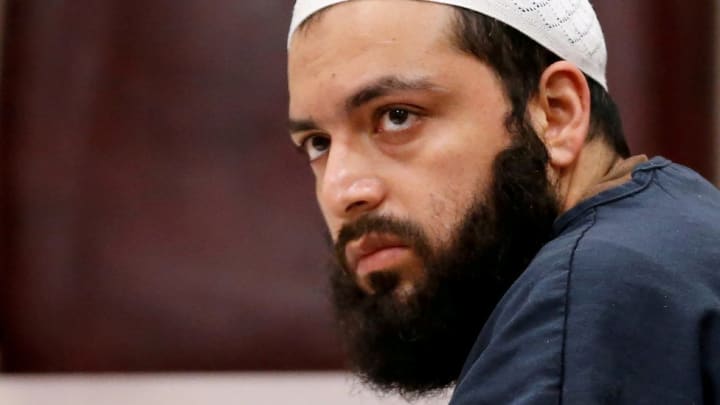
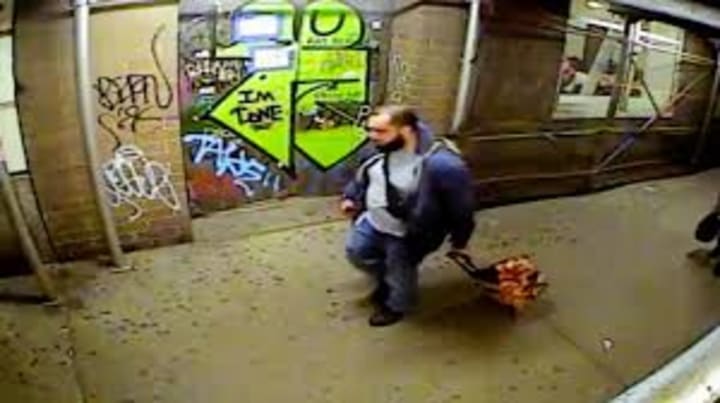
The investigation quickly intensified. Surveillance footage, fingerprints, and a recovered cellphone led authorities to Rahimi.
His fingerprints were found on some of the unexploded devices, and DNA evidence confirmed his presence.
The manhunt ended on September 19, 2016, after a shootout in Linden, New Jersey, during which Rahimi was wounded and captured.
In 2017, Rahimi was tried in a federal court in Manhattan and found guilty on eight federal charges, including use of a weapon of mass destruction and bombing a public place.
He showed no remorse during the trial and even attempted to radicalize other inmates while in custody.
In February 2018, he was sentenced to multiple life terms in prison without the possibility of parole.
U.S. District Judge Richard Berman described him as "remorseless" and noted that Rahimi had attempted to carry out a "cold and calculated" attack on civilians.
Motive and Radicalization
Authorities believe Rahimi was inspired by extremist Islamic ideologies, including propaganda from al-Qaeda and ISIS.
In a notebook found on him at the time of his arrest, Rahimi praised Osama bin Laden and Anwar al-Awlaki, a radical American cleric killed by a U.S. drone strike.
He also expressed anger at U.S. foreign policy and military actions in Muslim countries.
Unlike some terrorist plots directed by overseas groups, Rahimi’s actions appeared to be self-directed, making him an example of lone-wolf terrorism.
His case highlighted the difficulty of tracking individuals who become radicalized online or through foreign travel but do not communicate directly with terrorist organizations.
Legacy and Aftermath
The attacks reignited debates over domestic terrorism, immigration, and surveillance.
While the damage from Rahimi’s bombs was less severe than other major attacks, the psychological impact on residents and the city was significant.
For many, the bombings served as a reminder of New York's enduring vulnerability to terrorism.
Law enforcement agencies also praised the coordination between local, state, and federal officials that led to Rahimi’s quick identification and capture.
The failed second device and other unexploded bombs provided key forensic clues that allowed authorities to connect the dots rapidly.
Ahmad Khan Rahimi now spends his life behind bars, serving multiple life sentences in a high-security federal prison.
His name joins a list of individuals who, despite being raised in the U.S., turned to violence in the name of extremist ideology.
His actions left scars, but also strengthened resolve among New Yorkers to remain vigilant in the face of terrorism.
Thanks for reading this article, please don't forget to check out the YouTube video at the top of the page where we look at the Top 50 Most Dangerous Terrorist Prisoners in American Prisons including Moussaoui.
This article was originally published at https://www.networth25.com
About the Creator
Vidello Productions
My name is William Jackson, a YouTube content creator and crypto enthusiast with over 161,000 subscribers and I make videos that are focused on the billionaire lifestyle and crime.
Content consists of top list videos.
Keep reading
More stories from Vidello Productions and writers in Criminal and other communities.
The Death of Kendrick Simpson
The scream for blood grew louder as the date approached for one, Kendrick Simpson. An insult to his hat starts the end of his life. The clock ticked down on a man who has had time to sit and think about the figurative sword that has dangled above his head for all these years. Since his convictions in 2007, a murderer has reflected on his actions. A sword that fell in the mid-morning hours of February 12, 2026.
By Cassie Moorea day ago in Criminal
from death into life
Young Aldin of Wiloh had never contemplated death. It was almost strange — so many around him had the tendency to obsess over it, to clamor and claw almost desperately at their own perceptions of the end to know death as much as they could: when it would come, why it would come, where it would take them when it did.
By angela hepworth6 days ago in Fiction



Comments
There are no comments for this story
Be the first to respond and start the conversation.