
Houston Crime-Sketch Artist Releases Portrait of Masked Suspect in Nancy Guthrie Case
How forensic sketches support investigations and why public cooperation remains important

Introduction
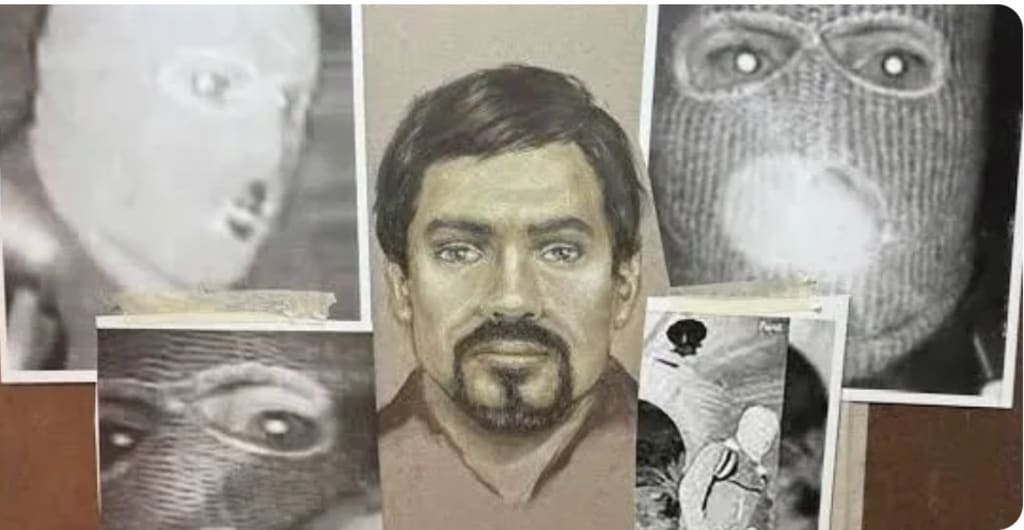
A crime sketch released in Houston has drawn public attention in connection with the Nancy Guthrie case. Local law enforcement officials confirmed that a forensic sketch artist worked with witnesses to create a portrait of a masked suspect believed to be linked to the investigation.
The image, while limited by the fact that the individual was partially masked, has been shared with the public to encourage tips and cooperation. Police departments often use sketches when photographs or video footage are unavailable or unclear. In this case, investigators hope the portrait may help someone recognize key features and come forward with information.
This article explains what is known about the sketch release, how crime sketches are created, and the role they play in criminal investigations.
Background of the Case
Authorities in Houston have been investigating the Nancy Guthrie case, which remains an active matter. Officials have not released full details about the circumstances surrounding the incident in order to protect the integrity of the investigation.
What has been confirmed is that witnesses reported seeing a masked individual in the area during the timeframe relevant to the case. Based on those witness statements, investigators requested assistance from a trained forensic artist to develop a composite image.
Police have emphasized that the individual shown in the sketch is considered a suspect and not a confirmed offender. As with all investigations, individuals are presumed innocent unless proven guilty in court.
Why a Masked Suspect Is Challenging
Creating a portrait of a masked suspect presents unique challenges. When part of the face is covered, witnesses can only describe visible features such as the eyes, eyebrows, forehead, hairstyle, or general build.
Memory can also be affected by stress. Witnesses may recall certain details clearly while being uncertain about others. Forensic artists are trained to ask structured questions that help clarify observations without leading the witness.
In this case, the mask reportedly obscured the lower portion of the face. As a result, the sketch focuses on visible features that could help narrow identification.
How Crime Sketches Are Created
Forensic art is a specialized field within law enforcement. A crime-sketch artist works closely with witnesses, sometimes in multiple sessions, to build an accurate composite image.
The process typically includes:
Interviewing the witness in a calm setting
Asking about facial structure, eye shape, hairstyle, and other details
Reviewing reference images to help refine descriptions
Adjusting proportions and features based on feedback
Modern methods may involve digital tools that allow artists to modify features in real time. However, the core of the process remains careful listening and detailed observation.
The final sketch is not a photograph but a visual interpretation based on memory. Its purpose is to generate leads rather than provide definitive identification.
The Role of the Public
Police departments often release sketches when they believe public assistance may help move a case forward. Even limited recognition can provide useful leads.
Someone may recognize a hairstyle, posture, or distinctive feature shown in the image. In some cases, acquaintances or neighbors may notice similarities and contact authorities.
Officials in Houston have asked anyone with information related to the Nancy Guthrie case to contact local law enforcement or submit tips through official channels. Anonymous tip lines are often available to encourage participation without fear.
Community cooperation plays a significant role in solving crimes, especially when direct evidence is limited.
The Limits of Composite Sketches
While sketches can be helpful, they are not exact representations. Human memory is complex and can change over time. Research in forensic psychology shows that recollections may be influenced by stress, lighting conditions, and distance from the suspect.
Because of these limitations, investigators treat sketches as one part of a broader evidence-gathering process. They combine witness accounts with physical evidence, surveillance footage, and digital data when available.
Law enforcement officials have reminded the public not to draw conclusions solely based on the released image. The goal is to generate information, not to encourage speculation.
Legal Considerations
When a suspect image is released publicly, investigators must balance transparency with legal fairness. Releasing a sketch too early may risk compromising the investigation. Waiting too long may limit the usefulness of public input.
Authorities also avoid releasing unnecessary personal details to prevent misinformation. Clear communication is important to ensure that tips are based on observation rather than rumor.
The presumption of innocence remains a central principle. Until formal charges are filed and proven in court, any individual connected to the image is considered a suspect, not a confirmed offender.
Community Response in Houston
The release of the portrait has generated discussion among residents. Community members have shared official announcements and safety reminders through local channels.
Some residents have expressed concern about safety, while others have emphasized the importance of waiting for verified information. Local organizations have encouraged people to rely on official updates rather than unverified social media posts.
Public response can influence the direction of an investigation. Responsible sharing of accurate information can help, while speculation can create confusion.
Technology and Modern Investigations
Crime sketches today are often supported by additional technology. Surveillance cameras, mobile phone records, and forensic evidence may provide further context.
However, in situations where visual evidence is incomplete or obscured, sketches remain a valuable investigative tool. They serve as a bridge between witness memory and public awareness.
Digital distribution has increased the reach of such images. A sketch released online can quickly reach thousands of people across a city and beyond.
The Importance of Accurate Reporting
Media coverage plays an important role in shaping public understanding. Responsible reporting avoids exaggeration and focuses on verified facts.
In the Nancy Guthrie case, officials have limited public statements to confirmed details. This approach helps maintain investigative integrity.
Readers and community members are encouraged to follow updates from official law enforcement sources. Sharing only verified information supports both fairness and safety.
Moving Forward
Investigations often require time and patience. The release of a suspect portrait is one step in a larger process that may involve interviews, forensic testing, and background checks.
Authorities will continue reviewing tips and analyzing available evidence. Updates will likely be provided as new information becomes confirmed.
Community members can contribute by remaining attentive, sharing official notices responsibly, and contacting authorities if they have relevant knowledge.
---
Conclusion
The release of a portrait of a masked suspect in the Nancy Guthrie case marks an important stage in the ongoing Houston investigation. While the image is based on witness accounts and limited visible features, it may help generate useful leads.
Crime sketches remain a practical investigative tool when photographs or clear footage are unavailable. Their success often depends on public awareness and cooperation.
As the investigation continues, responsible communication and respect for legal principles remain essential. Authorities encourage anyone with credible information to come forward, while reminding the public that suspects are presumed innocent until proven guilty.
By staying informed through official channels and supporting careful investigation practices, the community can play a constructive role in the pursuit of justice.
About the Creator
Saad
I’m Saad. I’m a passionate writer who loves exploring trending news topics, sharing insights, and keeping readers updated on what’s happening around the world.
Prince's sudden death after a visit to my infamous hometown
I don’t like to talk very much about my hometown, Rock Island, Ill. My house was shot up there as I was writing about missing persons. I sold my home and fled to Denver, where I became homeless after suffering years of psychological abuse in Illinois. Colorado helped me pick up the pieces, and I’m grateful.
By David Heitz6 days ago in Criminal
The Death of Kendrick Simpson
The scream for blood grew louder as the date approached for one, Kendrick Simpson. An insult to his hat starts the end of his life. The clock ticked down on a man who has had time to sit and think about the figurative sword that has dangled above his head for all these years. Since his convictions in 2007, a murderer has reflected on his actions. A sword that fell in the mid-morning hours of February 12, 2026.
By Cassie Moore4 days ago in Criminal


Comments
There are no comments for this story
Be the first to respond and start the conversation.