
The Rising Actress Murdered By An Obsessed Fan
The life and death of Rebecca Schaeffer

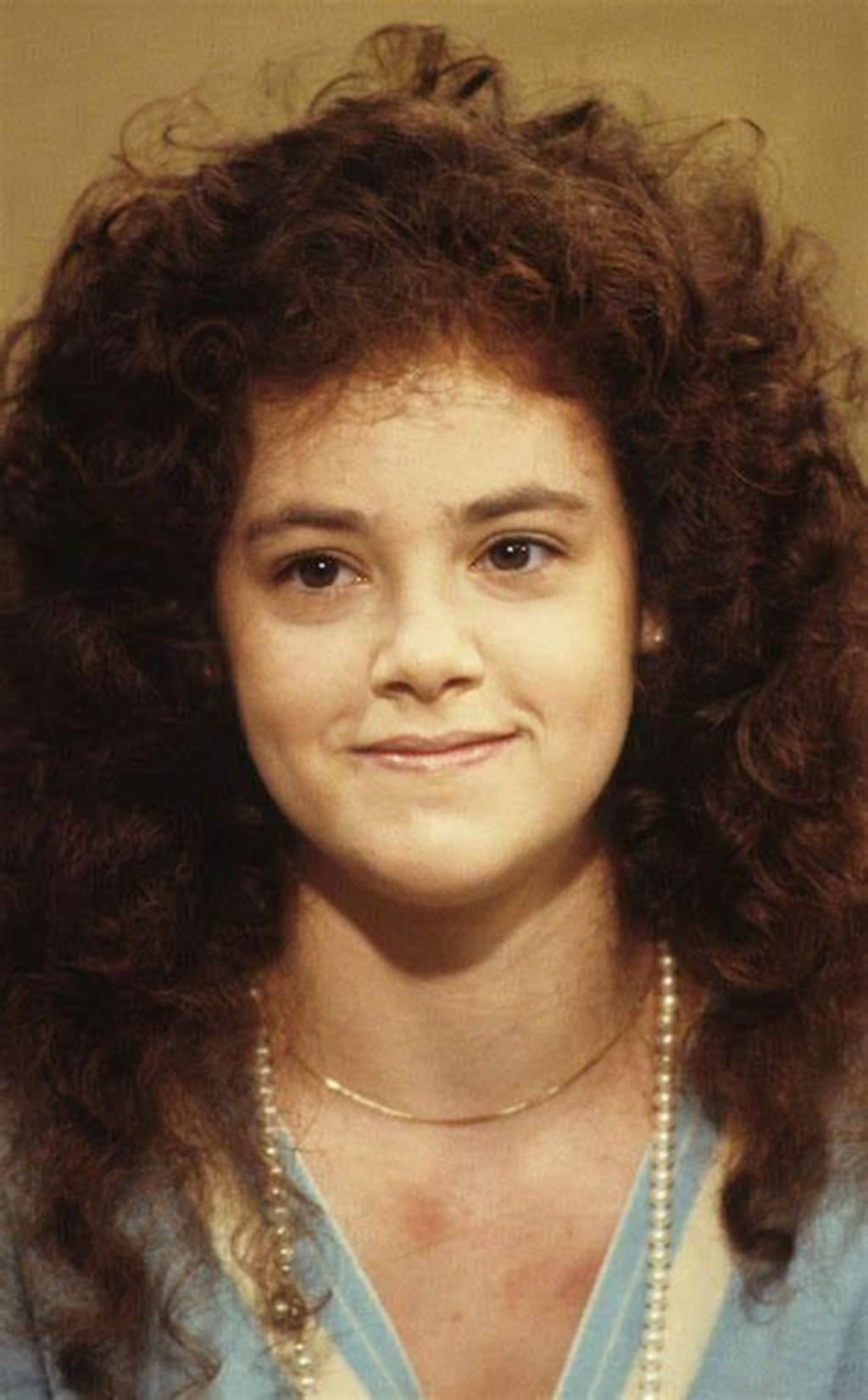
Rebecca Schaeffer was born in November 1967 in Oregon, USA, the only child of Danna Schaeffer, a writer, and Dr. Benson Schaeffer, a child psychologist.
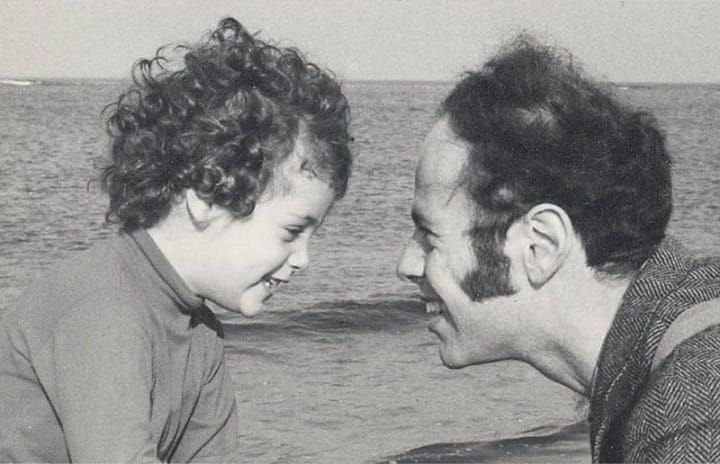
Her parents, to whom she was very close, described Rebecca as an exceptionally intelligent child who could achieve anything she set her mind to. She seemed to grasp concepts far more quickly than other children her age and earned excellent grades at school with little effort.
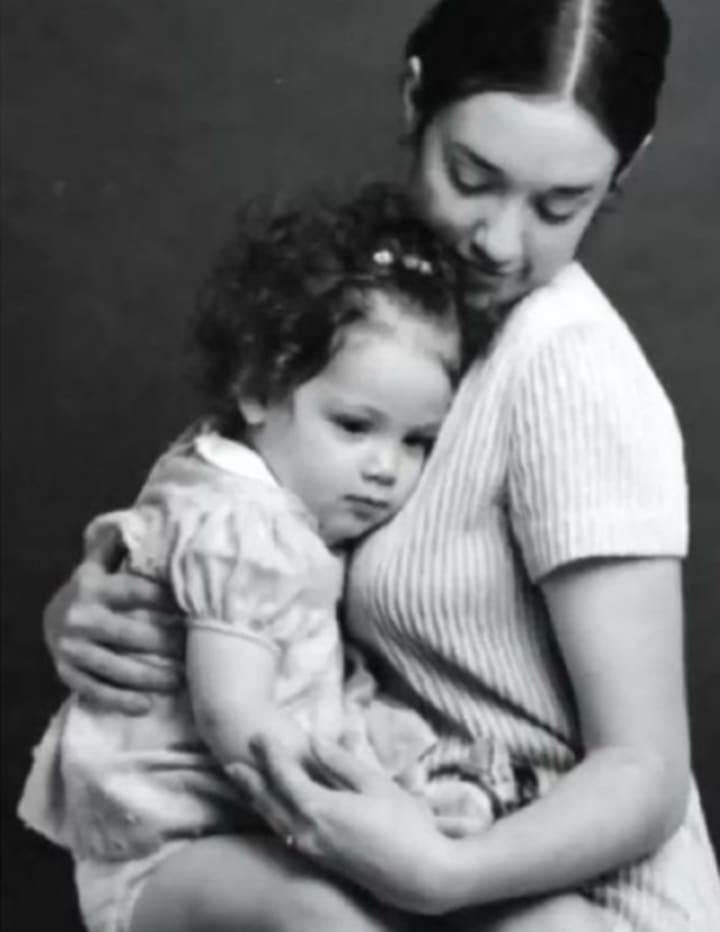
As a teenager, Rebecca attended Lincoln High School, a public school in Portland. It was there that she discovered a passion for drama and began considering a career as an actress.
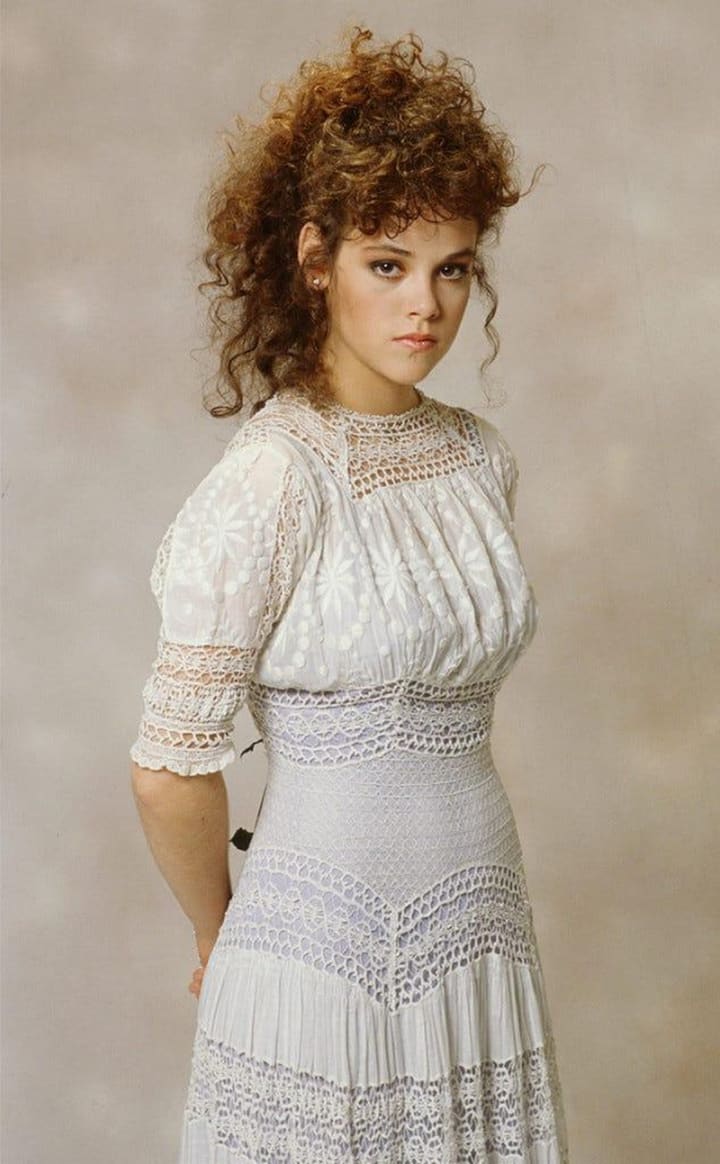
By the age of 14, she had also started modelling, appearing in department store catalogues. In 1984, at 16, Rebecca was signed by Elite Model Management and spent the summer working in New York City. When the season ended, her parents agreed to let their teenage daughter remain in the city to pursue her dreams.
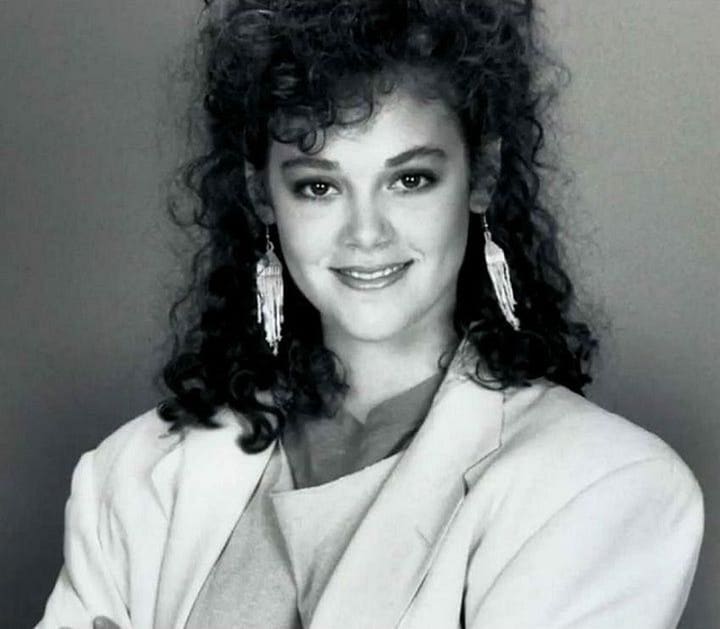
Despite her young age, her parents trusted her completely to make the move on her own.
Rebecca quickly thrived in the big city, diving into auditions and chasing every opportunity. It wasn’t long before she landed her first television role on the soap opera One Life to Live, where she appeared as a recurring character for six months.
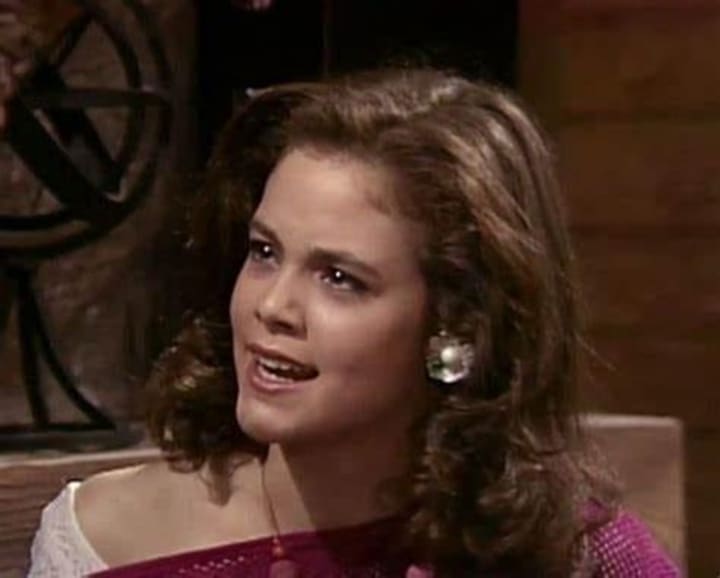
During this time, Rebecca also tried to advance her modelling career, but at 5'7" she was considered too short for high-fashion work. In 1985, she briefly moved to Japan, hoping the industry there would be more accommodating, but she still found little success.
Returning to New York, Rebecca shifted her focus entirely to acting, supporting herself with part-time work as a waitress while pursuing her dreams.
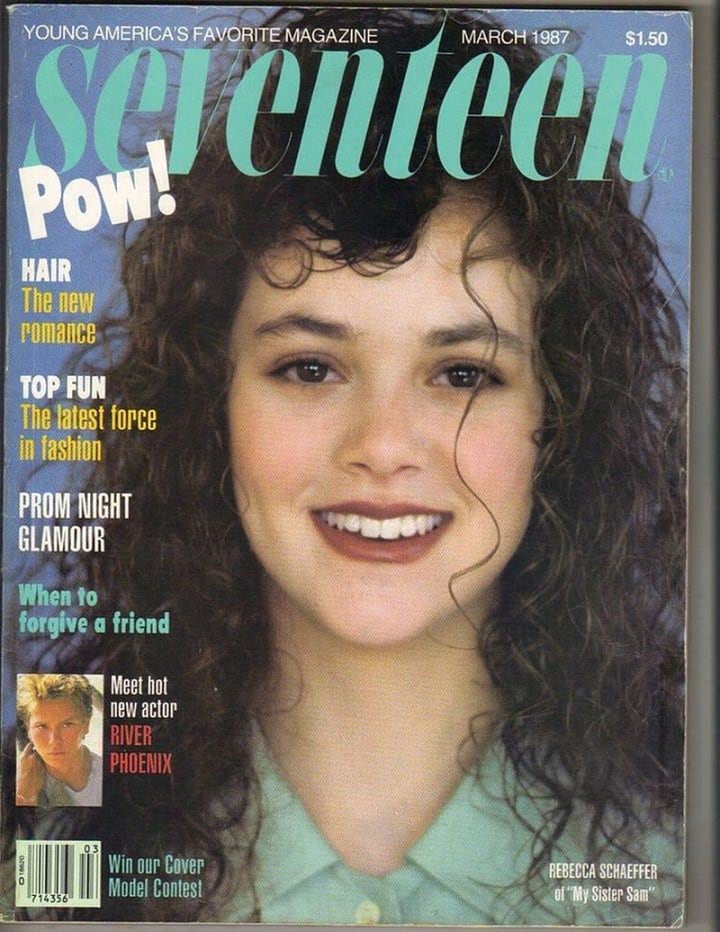
It was the mid-1980s when Rebecca finally got her “big break”—a role on a popular prime-time show that would make her a household name. Having appeared on the cover of Seventeen magazine, she had caught the attention of producers casting for the comedy sitcom My Sister Sam.
After being invited to audition, Rebecca won one of the leading roles, launching her into national recognition.
Rebecca was now 18. With no fixed address and little guidance in the challenging world of Hollywood, she was fortunate to form a close bond with her My Sister Sam co-star, Pam Dawber, who became a mentor and even invited Rebecca to live in her home.
Despite her rising fame, it never went to her head. Rebecca remained grounded and approachable, earning the affection and admiration of everyone who met her.
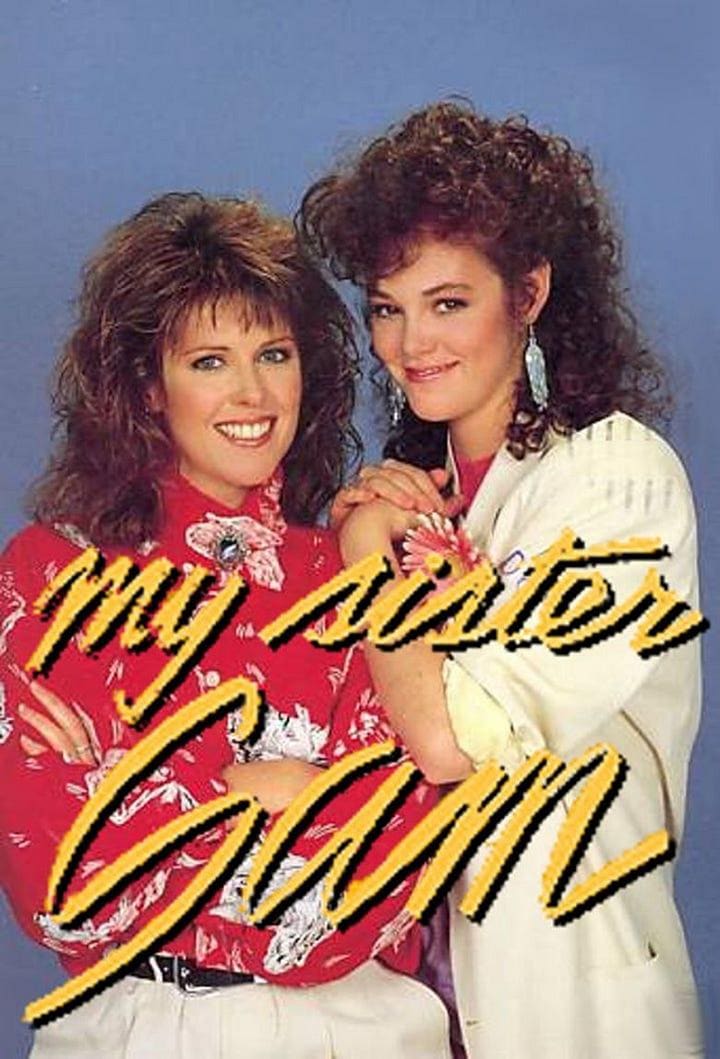
When My Sister Sam first aired, it was an immediate hit. However, by mid-1988, declining ratings led to the show being cancelled before its second season concluded—yet not before Rebecca had attracted the attention of someone with disturbingly sinister intentions.
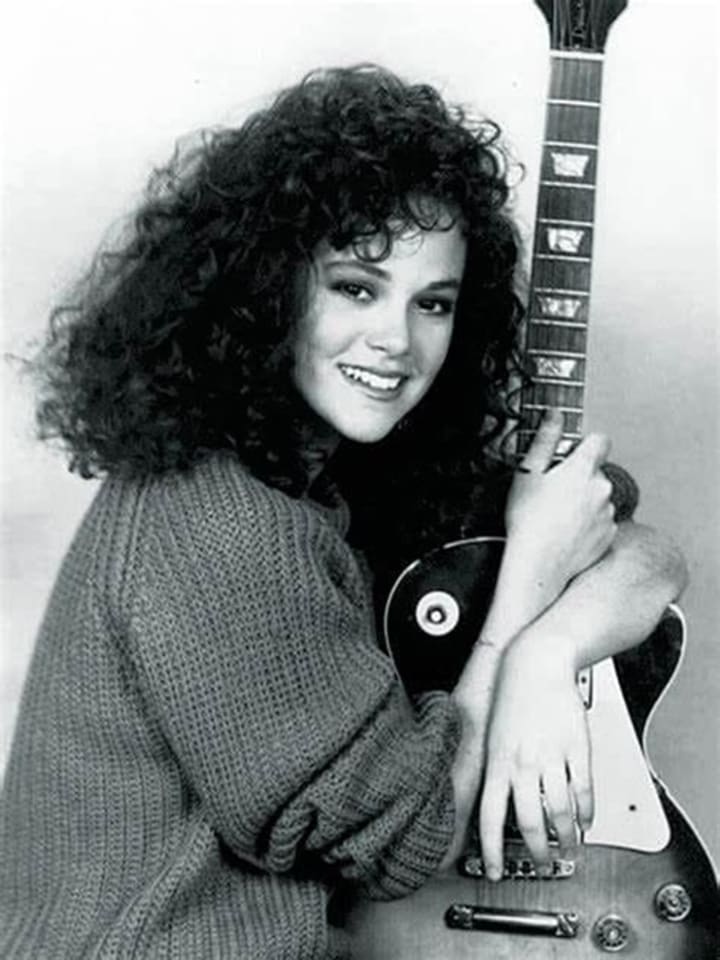
Naïve to the dangers that lurked around her, Rebecca once received a reprimand from a co-worker for answering fan mail. She didn’t want her relationship with her fans to be one-sided and felt a genuine responsibility to respond to those who had reached out to her.
She could never have imagined the threat that this seemingly innocent gesture would bring into her life.
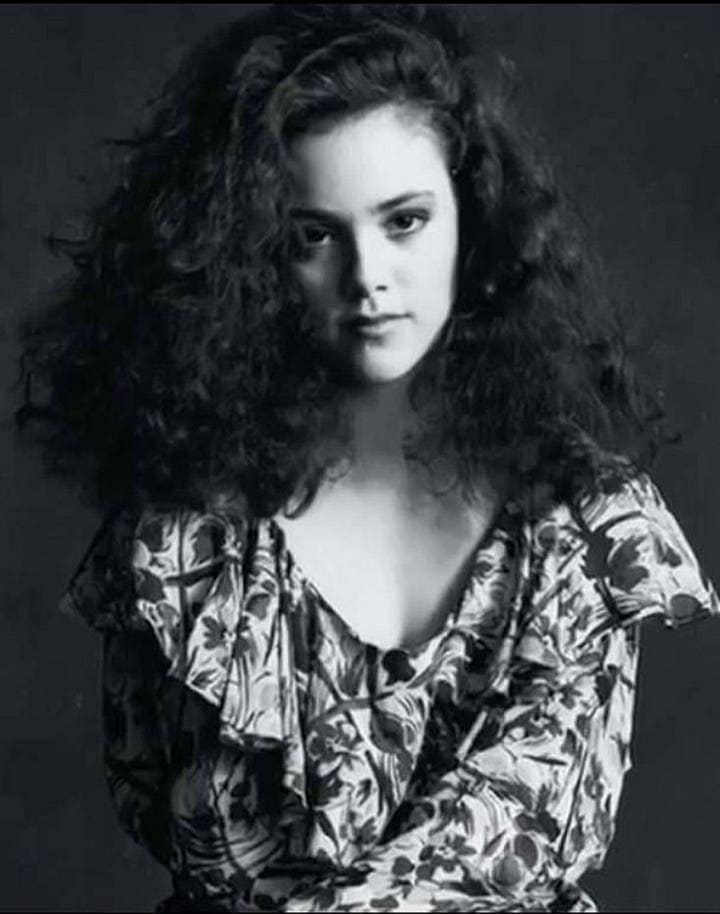
In Tucson, a 19 year old named Robert John Bardo had already developed an unhealthy fixation on the actress.
Bardo’s life appeared directionless. A loner, he worked at a fast-food restaurant, had no close friends, and lacked any clear ambitions for the future.
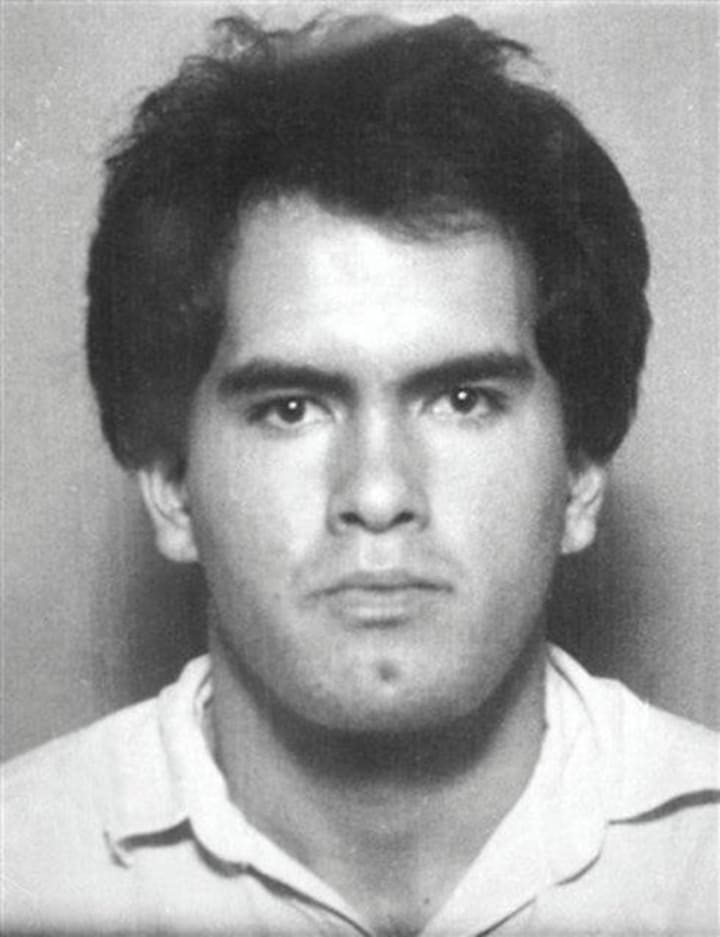
Robert first noticed Rebecca when he saw her on My Sister Sam, drawn to her bubbly, outgoing personality. But his admiration quickly crossed the line from normal fan interest into obsession.
He began watching everything she appeared in, recording all of her television appearances on videotape. Eventually, he started writing her letters—and to his delight, she even responded.
What Rebecca didn’t realise was that this seemingly innocent exchange would prove to be a fatal mistake.
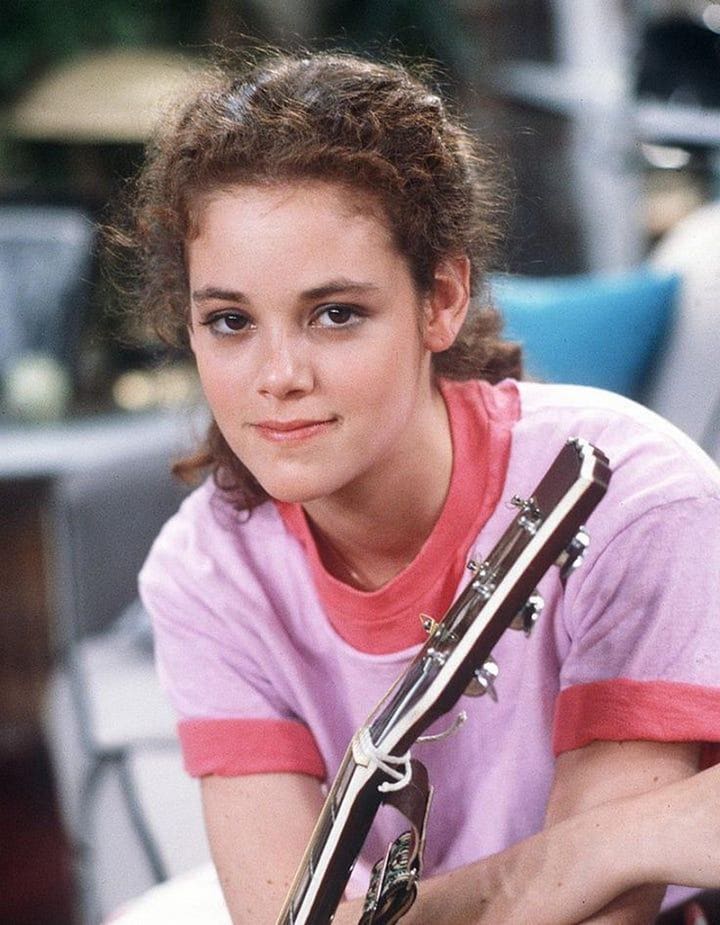
In her response to Robert, Rebecca had sent a signed photograph along with the note: "Yours was one of the nicest I got," referring to his letter.
In Robert’s twisted mind, this small gesture confirmed what he desperately wanted to believe—that Rebecca shared his unwavering feelings.
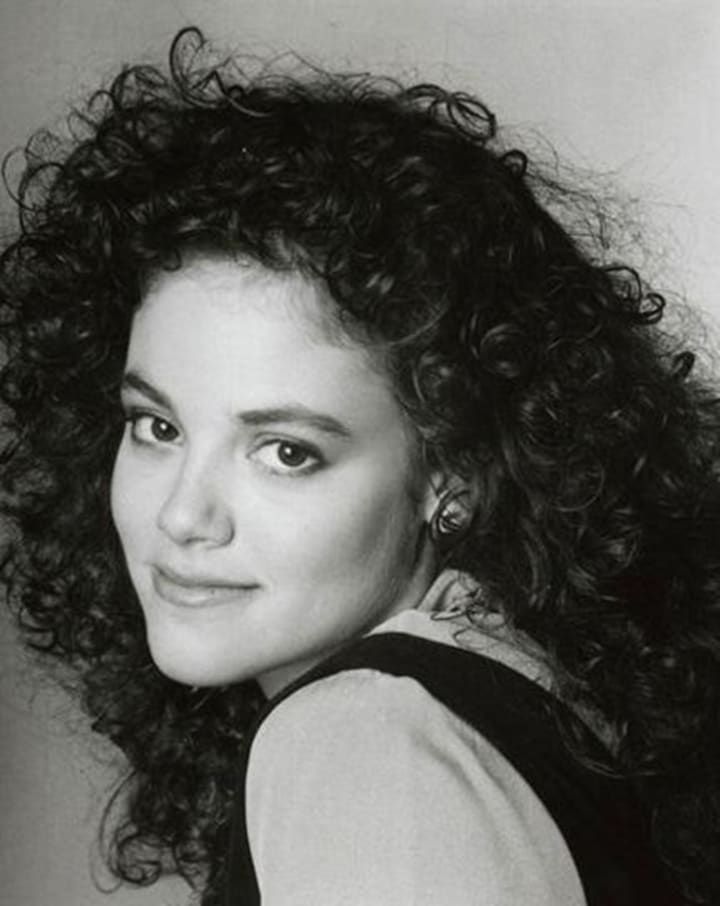
After receiving what he believed was written confirmation that Rebecca wanted him, Robert boarded a plane to Warner Bros. Studios in the summer of 1987, where My Sister Sam was filming. Carrying flowers and a teddy bear, he was turned away by security.
Frustrated but undeterred, he returned about a month later—this time armed with a knife. When security again refused him entry, he became agitated and caused a commotion. Despite the threat, the police were never called, and once Robert left, the incident was largely forgotten.
Back in Arizona, Robert shifted his attention to various pop singers, briefly losing focus on Rebecca for the next two years.
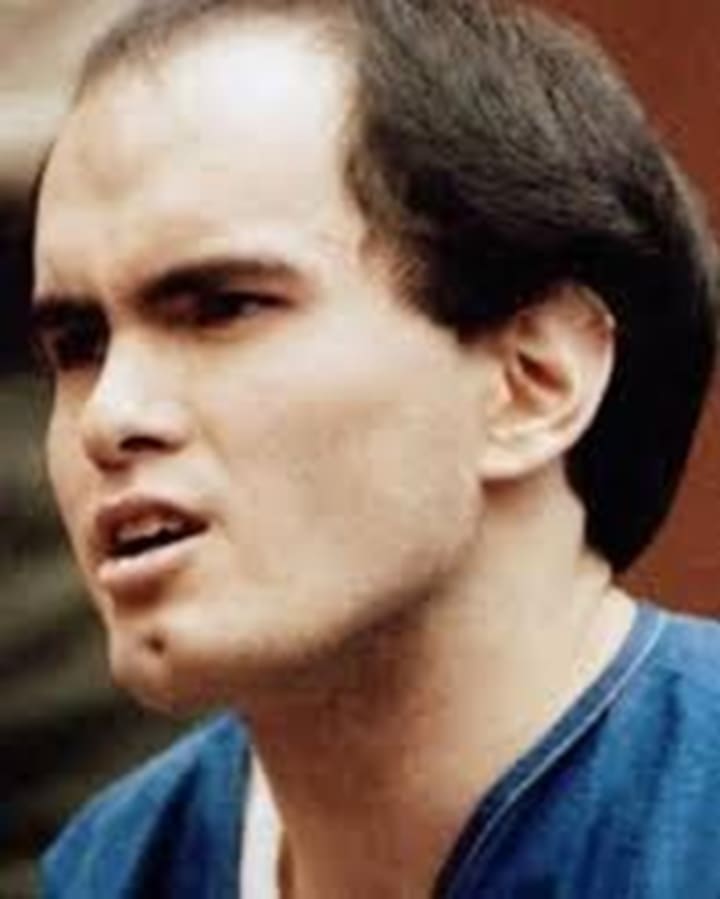
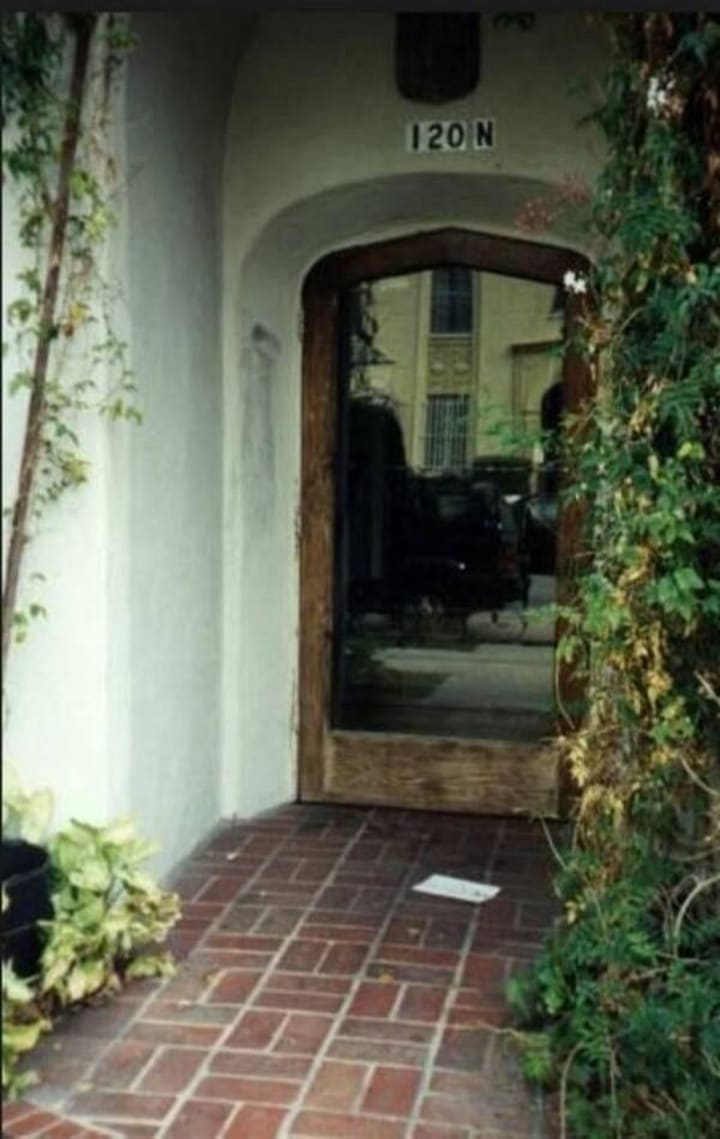
By 1989, Rebecca, now 21, had moved into her own apartment on the second floor of a Tudor-style home at 120 North Sweetzer Avenue in Los Angeles.
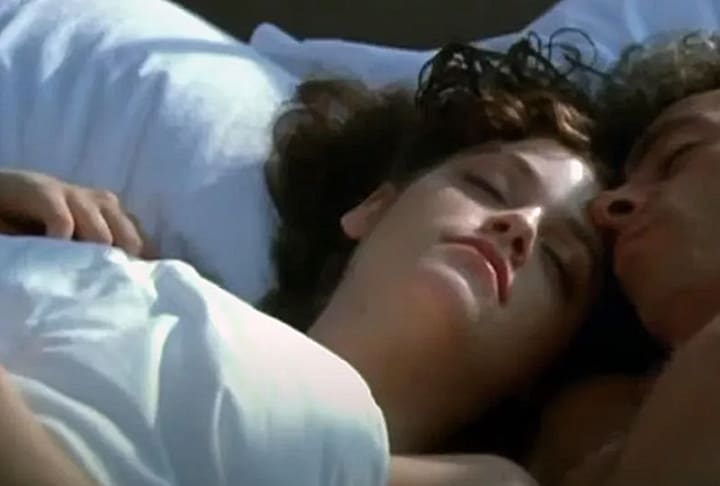
That same year, she appeared in the comedy film Scenes from the Class Struggle in Beverly Hills, in which she shared an on-screen bed with another actor. After seeing the movie, Robert Bardo’s obsession took a dark turn. Consumed by rage, he felt betrayed and decided in his twisted mind that Rebecca needed to be punished for “becoming another Hollywood whore.”
Picking up his old habits, Robert’s obsession with Rebecca reignited. This time, he paid a private detective $250 to locate her home address, and with the help of his brother, he purchased a handgun.

After obtaining Rebecca’s address, Robert boarded a plane to Los Angeles once more. He wandered through the neighbourhood where she lived, asking passers-by if she actually resided there.
On July 18th 1989, he finally rang the doorbell at Rebecca’s home.
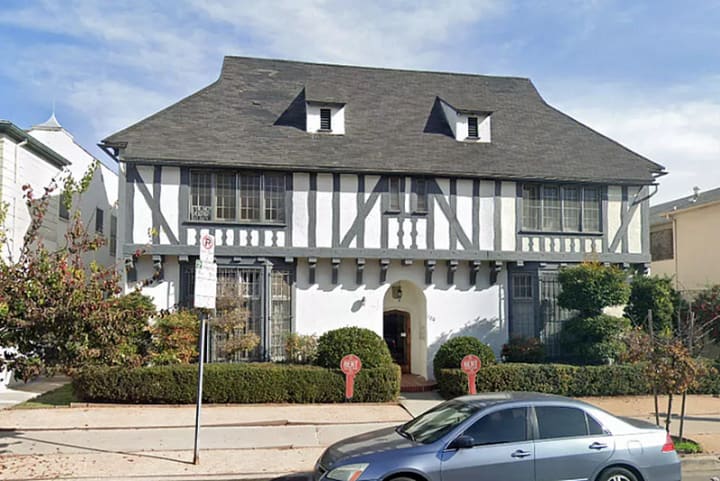
That day, Rebecca was eagerly awaiting the script for The Godfather Part III. With her intercom broken, she excitedly opened the door, mistakenly believing the visitor to be the courier.
Instead, she was surprised to find Robert Bardo standing there, holding the letter and signed autograph she had previously sent him. After a brief conversation, Rebecca firmly asked him not to come to her home again.
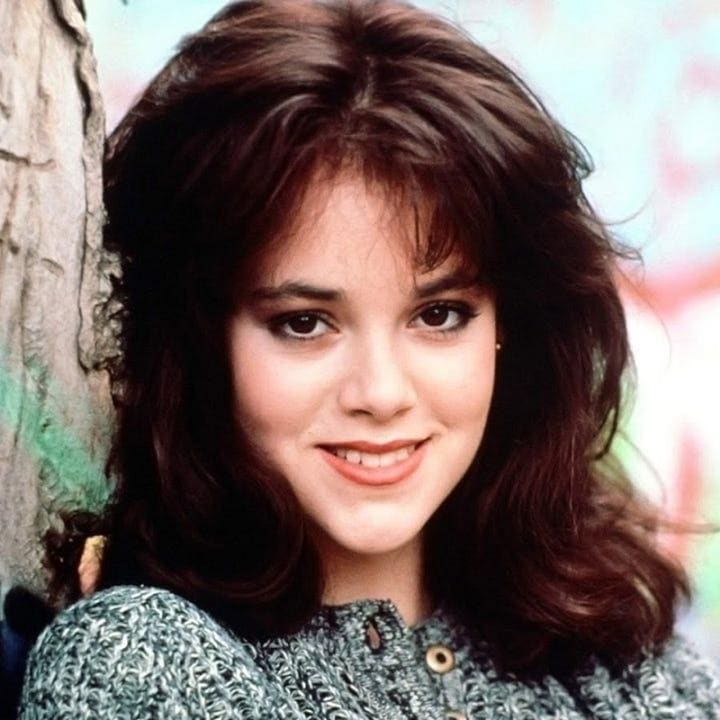
After being turned away by Rebecca, Robert went to a nearby diner for breakfast. About an hour later, he returned to her apartment.
When she answered the door again, she reportedly gave him “a cold look” and accused him of wasting her time, according to Robert Bardo’s later statements. Frustrated by her response, he pulled out a handgun and shot her in the chest at point-blank range in the doorway.
According to Robert, she fell and uttered only one word: “Why?”
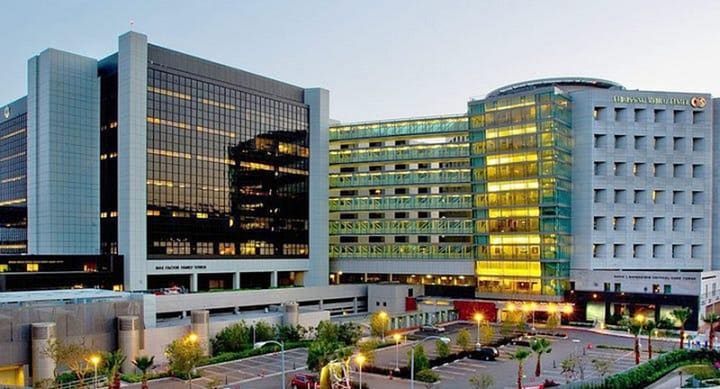
As Rebecca lay bleeding, Robert fled from the apartment and vanished into a nearby alley.
Neighbours, alarmed by her screams, discovered her and immediately called emergency services. She was rushed to the emergency room at Cedars-Sinai Medical Center, but despite the efforts of the medical team, she was tragically pronounced dead just 30 minutes after arriving.
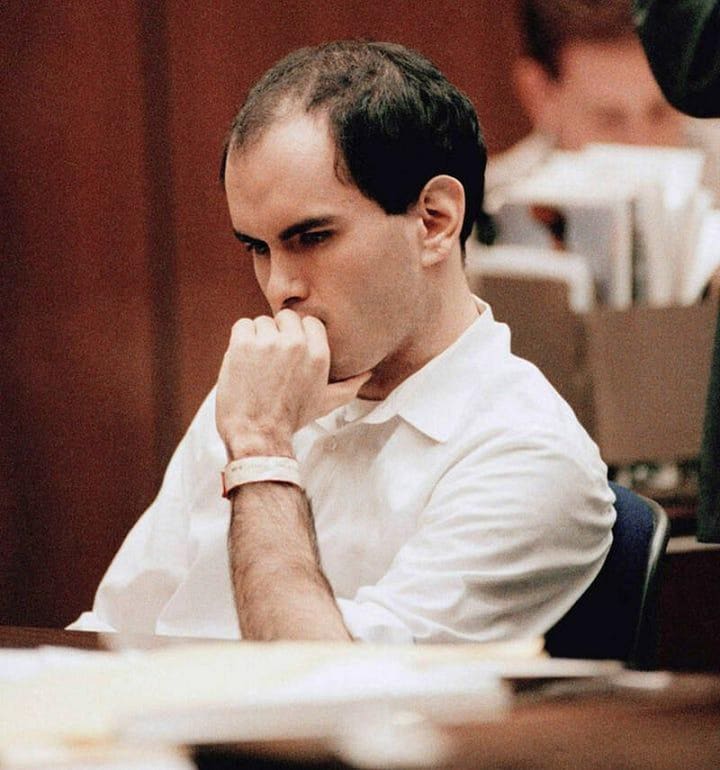
The following day, motorists reported a man wandering aimlessly in traffic on Interstate 10. When officers apprehended him, he calmly confessed to the murder.
Robert’s attorneys later attempted to argue that he was mentally ill. However, when his trial began in October 1991, he was found guilty of first-degree murder and sentenced to life in prison without the possibility of parole.
At the time of the shooting, Robert was carrying a copy of The Catcher in the Rye, echoing the book Mark Chapman had carried when he murdered John Lennon in 1980. Despite the similarity, Robert denied that he was attempting to emulate Chapman’s crime.
Years later, Chapman claimed in interviews that he had received letters from Robert Bardo before Rebecca’s murder, in which Bardo inquired about life behind bars.
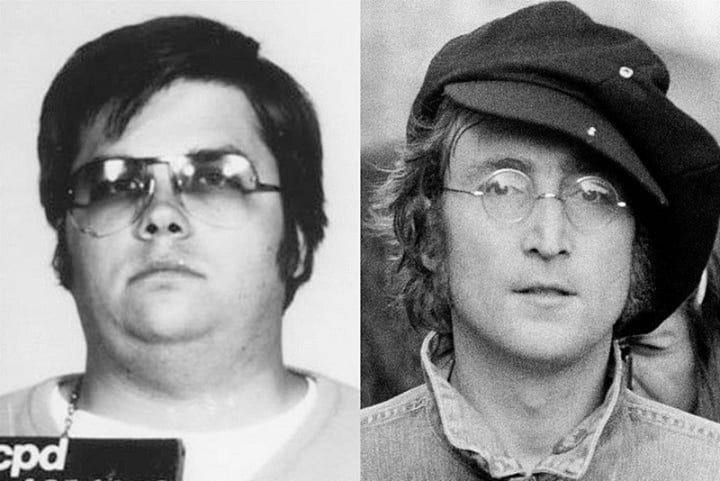
After it was revealed that a private investigator had obtained Rebecca’s home address through the DMV, the Driver’s Privacy Protection Act was introduced in 1994, making it illegal to release personal addresses without consent.
In 2007, Robert was stabbed 11 times by fellow inmates. After receiving treatment in hospital, he was returned to prison, where he remains to this day.
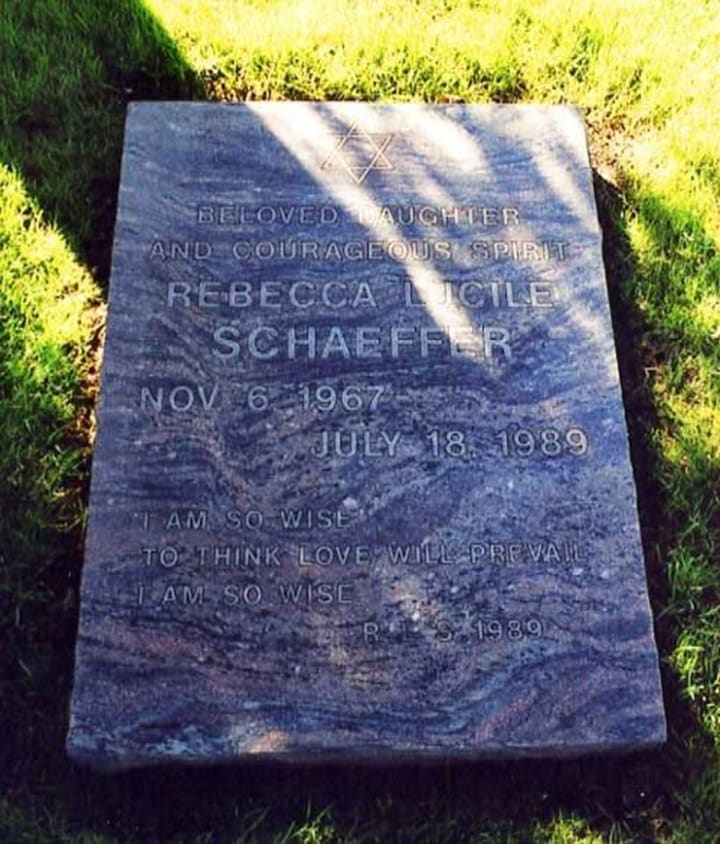
Rebecca Schaeffer was buried at a Jewish cemetery in Portland. A promising star taken too soon.
About the Creator
Matesanz
I write about history, true crime and strange phenomenon from around the world, subscribe for updates! I post daily.
The College Student Who Jumped Into Shark Infested Waters For A Dare
In 2023, Cameron Robbins was an 18 year old with a promising future. Cameron Robbins Having just graduated from the University Laboratory School in Baton Rouge, he and a group of friends decided to celebrate their accomplishments.
By MatesanzExclusive • 2 months ago
Awaiting Review Epstein | Leaked Emails EXPOSED Part 5
But this might be a metaphor. A dancing and singing program might have been organised in Israel. And presented something for the US President there. The spokesperson of the Indian Ministry of External Affairs, on January 31st, gave a statement regarding these files, "Beyond the fact of the Prime Minister's official visit to Israel in July 2017, the rest of the illusions in email, are little more than trashy ruminations, by a convicted criminal which deserve to be dismissed with the utmost contempt."
By Imran Ali Shah3 days ago in Criminal
Part 2 Interview With Joe Patterson, Author Of Melanin Memoirs
This is my second interview with Joe Patterson. His 4th anniversary writing on Vocal will be in March 2026. He has one achievement on Vocal, The Other Foot. He has over 17,000 reads on Vocal since he started on Vocal in 2022. Joe Patterson is very creative poet and rapper. Joe is deep thinker and I feel it is reflected in his latest published book, Melanin Memoirs.
By Mariann Carroll2 days ago in Interview



Comments
There are no comments for this story
Be the first to respond and start the conversation.