
The Silent Struggle for Control
How Foreign Influence and Modern Tactics are Changing Our World

The Silent Struggle for Control
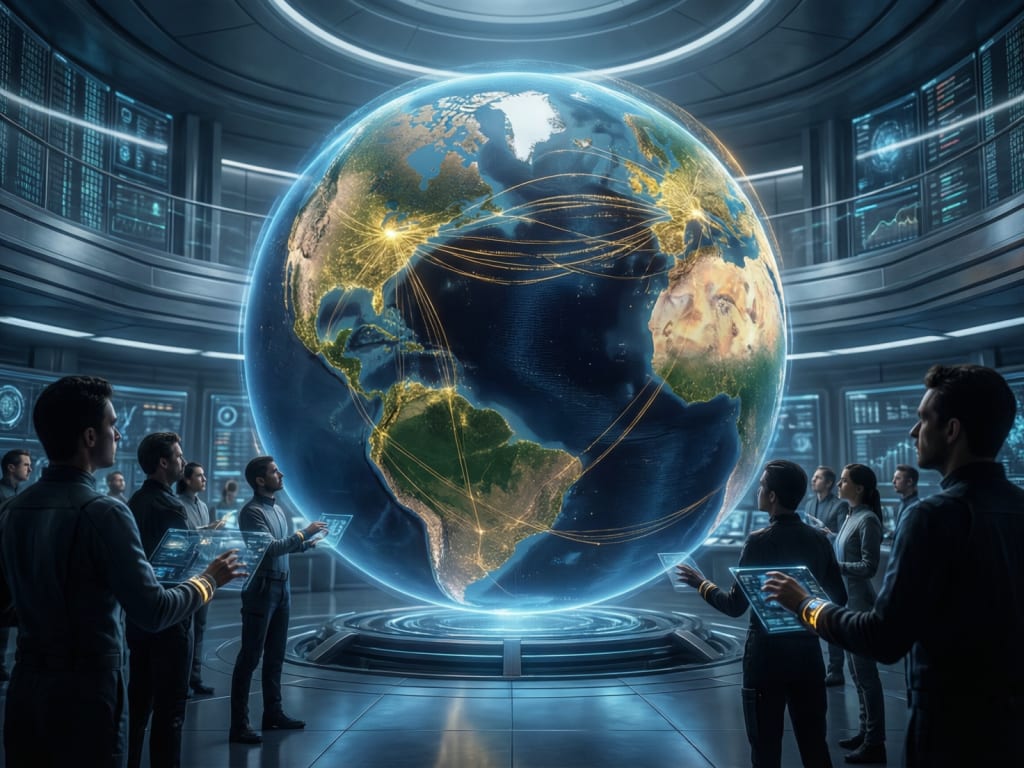
In the world we live in today, the lines between business, politics, and our personal safety are starting to disappear. From the government offices in Canada and the United States to the growing power of China, a complex game of control is being played at the highest levels. This is no longer a world where power is only measured by the size of an army. Instead, power is measured by who controls the information, who owns the technology, and who can influence the mind of a nation. To understand our future, we must look closely at the hidden tactics used to influence nations and the digital systems we use every single day. One of the most serious warnings for any modern country is how easily its foundation can be hurt through invisible means. Experts believe that a national collapse does not always start with a physical war or a visible invasion. Instead, it begins quietly within our banking systems and our digital infrastructure.
If the cyber security of a nation’s intelligence system is broken, the entire country can fall apart in a matter of hours. Imagine a world where your bank account is frozen, the power grid goes dark, and communication systems stop working. This is the reality of modern "hybrid warfare." This is why keeping our digital systems safe has become the number one job for leaders. Without a strong "golden system" of warning and defense, the basic services like electricity, money, and healthcare that we all depend on are at constant risk. This vulnerability has forced intelligence agencies to rethink their strategies, moving away from traditional spying and focusing more on preventing the total collapse of the systems that keep society running.
Foreign investment is another major way this power struggle happens. While it can bring money, jobs, and development, it also brings a hidden cost often referred to as "soft power" or "political influence." In places like Canada and the United Kingdom, there are many growing concerns about how foreign powers—particularly those with different political values—use money to buy their way into the heart of a country's decision-making process. We have seen this recently with the rejection of certain trade deals and a shift away from old policies to protect national interests. This is not just about money; it is about who has the final say over a nation’s resources.
Whether it is the strategic location of Greenland, which is vital for northern defense, or the massive energy resources found in Alberta, every piece of land and every barrel of oil is now a part of a global chess match. Within Canada, the Alberta Prosperity Project shows a strong desire for internal strength and economic sovereignty. Alberta is often called the "powerhouse of Canada" because of its incredible energy wealth. Many believe this wealth must be protected from outside interference to keep the country strong and self-sufficient. By staying independent and secure, a region can better fight off the tactics used by foreign groups who try to use economic pressure to take control of a nation's future.
History also teaches us that the style of a leader changes everything during a crisis. From the moral lessons of Abraham Lincoln, who fought to keep a nation together, to the modern, aggressive actions of recent administrations, we see that leadership determines how a nation handles a threat. A leader’s ideology can either build a shield around a country or leave the door wide open for foreign influence. In the Middle East, there is a constant choice between making diplomatic deals or taking military action. Some countries, like Iran, may choose to make a deal rather than face a direct fight, showing that global power is often about the art of negotiation and knowing when to step back.
However, history also provides darker warnings. We remember figures like Saddam Hussein as a reminder of what happens when a dangerous struggle for power goes unchecked. When a leader seeks power for the sake of control rather than the benefit of the people, it leads to instability that can affect the entire world. Today, the world is watching a massive shift in how political parties, human rights, and religious movements are handled across different continents. Whether it is the move of a majority party to change the law or the secret plans of a national security department, the goal is always the same: gaining more leverage on the global stage.
As regular citizens, we often feel like these events are happening far away, but they affect our lives every day through the prices we pay, the laws we follow, and the safety of our data. Understanding these foreign influences and the health of our national systems is the first step in staying safe. We must demand that our leaders prioritize the security of our infrastructure above all else. We must work together to protect our banks, our technology, our energy resources, and our national identity from those who want to see them fail. Only through awareness and strength can we ensure that the silent struggle for control does not turn into a total collapse of the world we know.
About the Creator
Wings of Time
I'm Wings of Time—a storyteller from Swat, Pakistan. I write immersive, researched tales of war, aviation, and history that bring the past roaring back to life
Keep reading
More stories from Wings of Time and writers in Criminal and other communities.
Global Implications If Nuclear Command Systems Weaken
Global Implications If Nuclear Command Systems Weaken Nuclear weapons are often described as the ultimate tools of deterrence. They are meant to prevent war, not start it. But this balance depends on one critical factor: strong and stable command systems. If these systems weaken, the danger is not limited to one country. The impact spreads across the entire world.
By Wings of Time 5 days ago in Criminal
The Epstein Files: A Detailed and Professional Overview
The Epstein Files: A Detailed and Professional Overview The Epstein files refer to a vast collection of documents connected to Jeffrey Epstein, the disgraced financier whose criminal activities shocked the world and exposed serious questions about power, influence, and justice. These files include investigative records, legal documents, interviews, images, and internal reports gathered over many years by law enforcement and judicial authorities. Together, they provide a broad picture of Epstein’s activities, his connections, the crimes he was accused of, and the institutional responses to those crimes. The renewed attention to these files has made them a central topic in public discussion, media coverage, and political debate.
By America today 4 days ago in Criminal


Comments
There are no comments for this story
Be the first to respond and start the conversation.