
Two Best Friends Beheaded By ISIS Fanatics On Trip Of A Lifetime
What was supposed to be a fun vacation would turn into a nightmare...

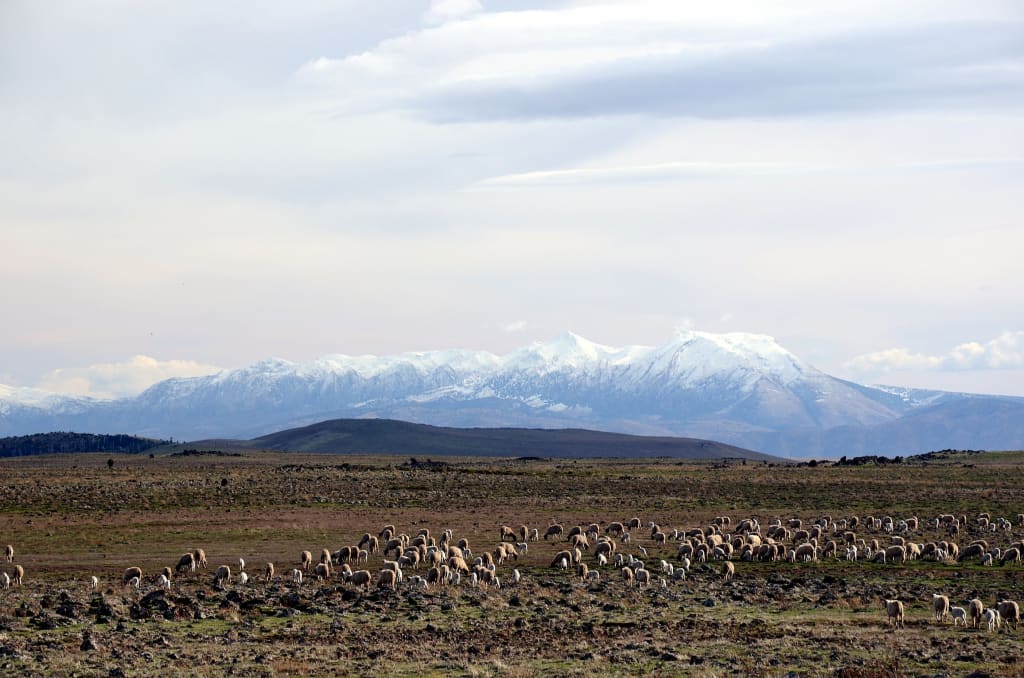
Louisa Vesterager Jesperssen was born in 1994 in Ikast, Denmark. By the age of 24, she had already established herself as an avid explorer with a deep passion for travel, having journeyed to stunning destinations such as Peru, Norway, and Argentina.
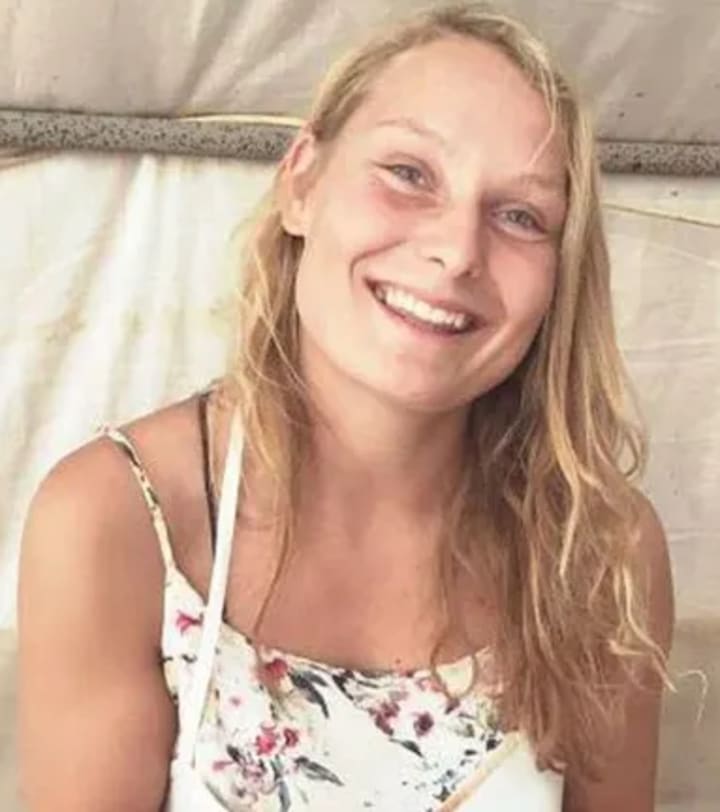
In 2017, she applied to join the Fjällräven Polar Expedition — a gruelling 300 km trek across the Arctic wilderness — but, unfortunately, her application was unsuccessful.

In fact, after being passed over again on her second attempt the following year, she decided to make new plans with her best friend and roommate, Maren Ueland.
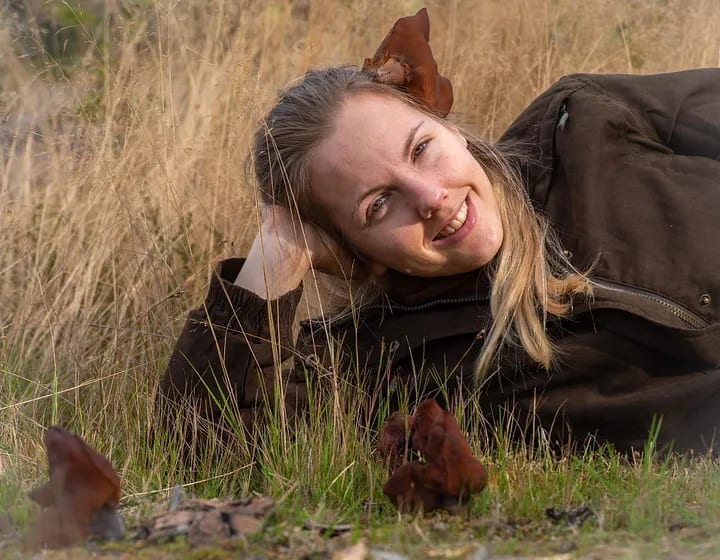
Maren, born in 1990 in Bryne — a quaint lakeside town in Norway — was 28 years old. Like Louisa, she was an avid explorer, often sharing glimpses of her adventures online, frequently accompanied by her beloved Leonberger, Alf Herman.

Shy as a child, Maren found comfort in the outdoors and was often described as an idealistic young woman with a deep care for others. Her family recalled her strong dislike for materialism — she wasn’t particularly fond of Christmas for that very reason.
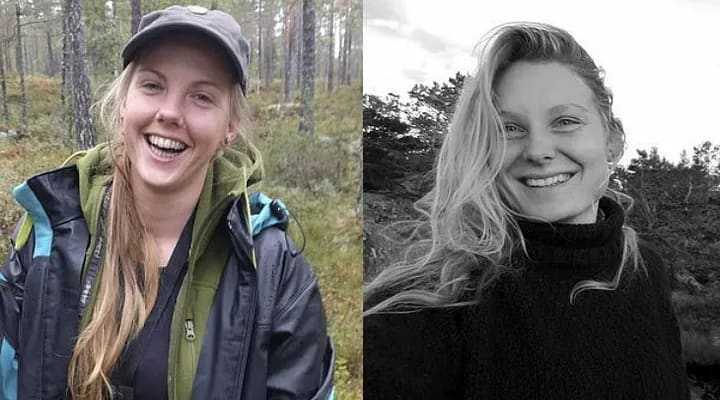
The women met as students at the University of South-Eastern Norway, where they studied outdoor recreation and nature guidance.
Louisa dreamed of becoming a tour guide, combining her love of travel with her passion for teaching, while Maren aspired to be an outdoor therapist — a career that would merge her interests in nature and caring for others.
Both were active on social media, frequently sharing photos from their adventures, writing blog posts about their travels, and even seeking advice from friends and followers on their next destinations.
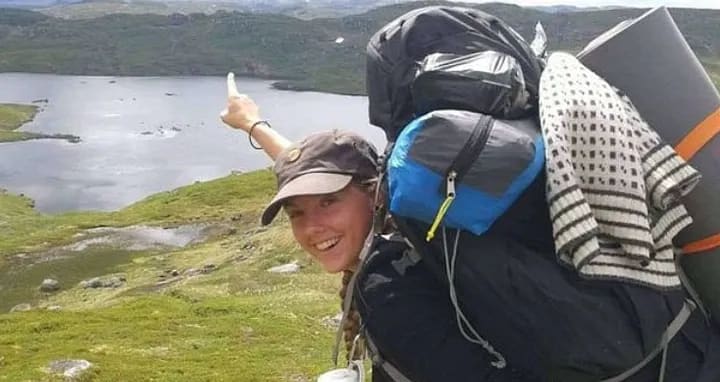
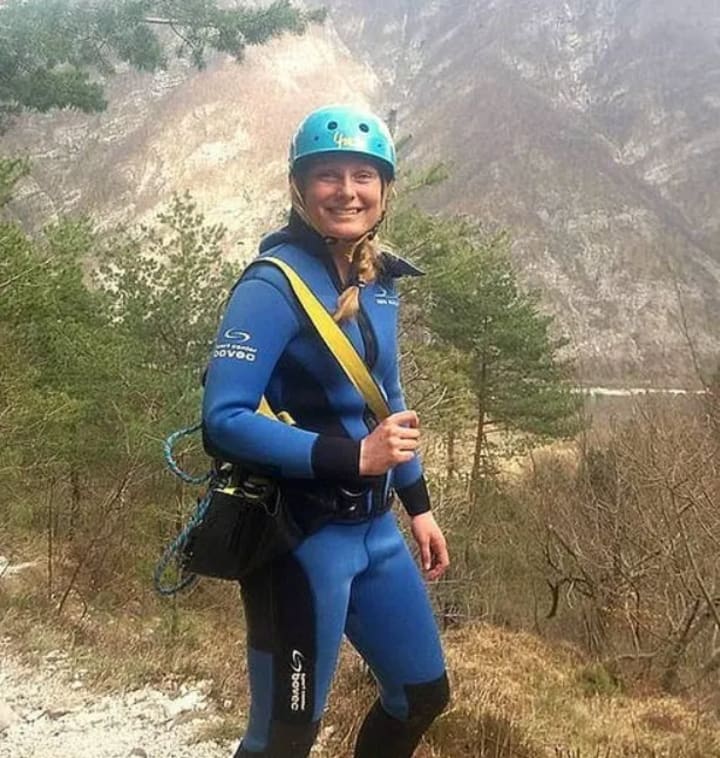
That year, the two women had moved in together and began planning what they envisioned as the ultimate trip — one they would remember for the rest of their lives. According to Louisa’s mother, her daughter had an insatiable appetite for new experiences: the moment one holiday ended, she was already plotting the next.
After much debate over their destination, they ultimately settled on spending a month in Morocco.
Drawn by its breath-taking coastline and rich, diverse culture, their excitement was so overwhelming that they never paused to consider the potential dangers that lay ahead.

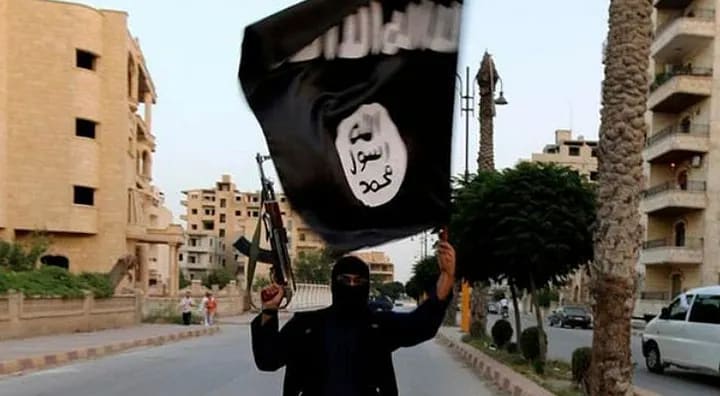
Although Morocco was generally considered a family-friendly destination, tensions in the country were rising in 2018, increasing the risks for tourists. At the same time, the terrorist organization ISIS was at the height of its destructive power, posing a threat to innocent civilians worldwide.
As an Islamic country, Morocco saw many tourists choosing to avoid the region. While it remained relatively safe for outsiders, it was reported that over 1,600 individuals had travelled there to join ISIS.
Amid the flood of Western media coverage about the growing threat of terrorism, Louisa’s mother urged her not to go. Louisa, however, reassured her that she and Maren had taken every precaution to ensure their safety during the trip.
As their departure date drew near, the differences in their temperaments became increasingly apparent. Louisa was outgoing and spontaneous, while Maren, more reserved, preferred not to leave things to chance. She had grown anxious over a few uncertainties in their travel plans and was on the verge of backing out entirely.
However, a reassuring conversation with Louisa quickly restored her enthusiasm, and the two set off from Oslo on 8th December, arriving in Marrakesh the following day.
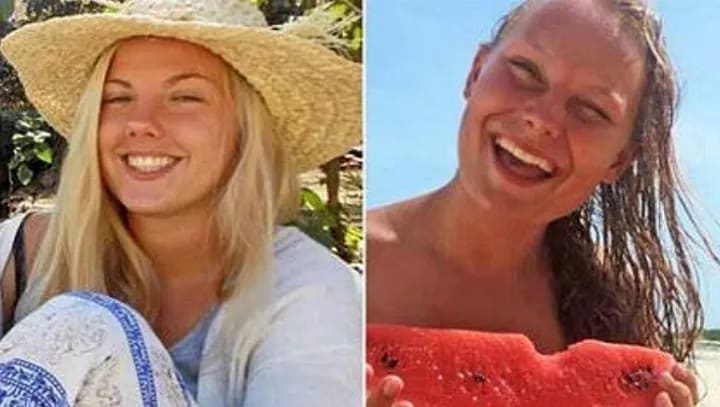
After about a week spent immersing themselves in local life, the women travelled to Imlil, a small village nestled in the Atlas Mountains.
Imlil was a popular destination for tourists due to its proximity to Mount Toubkal, which, at over 13,000 feet, is the highest peak in North Africa.

While the women were settling into their new surroundings in Imlil, four men back in Marrakesh had just recorded a home video of themselves and uploaded it online.
Seated on a worn, grimy couch in front of an ISIS flag improvised from an old T-shirt, they pledged their allegiance to the terror organisation.
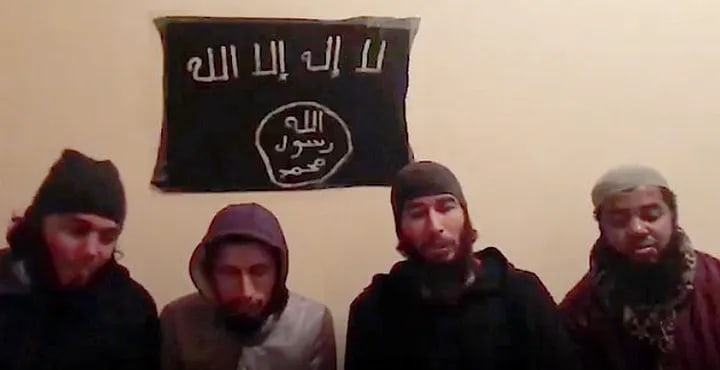
The men, in their 20s and 30s, were part of a larger network of Islamists from the Marrakesh slums. They were making their final preparations for a journey into the Atlas Mountains, intent on carrying out a long-anticipated act of terror.
Meanwhile, Louisa and Maren had reached Mount Toubkal and set up their tent along the tourist trail after hours of hiking. Had they continued for just another 30 minutes, they would have reached the nearby village of Armoud, where they could have rented a room and enjoyed a hot meal.
Instead, the young women made the fateful decision to pitch their tent on a flat stretch of ground on the mountain. Tragically, they would never see the next sunrise, falling victim to a fate they did not deserve.
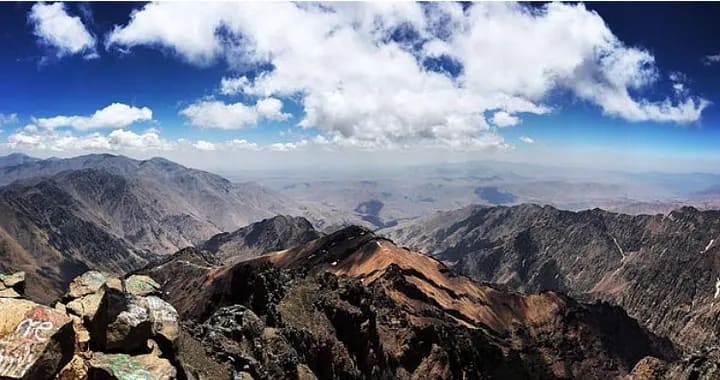
On the morning of 17th December 2018 — just over a week after their arrival in Morocco — two French hikers on the trail stumbled upon a horrifying scene.
Outside the women’s tent lay the brutally murdered bodies of Louisa and Maren.
Terrified, the hikers ran screaming back down the mountain to alert others to the tragedy they had encountered.
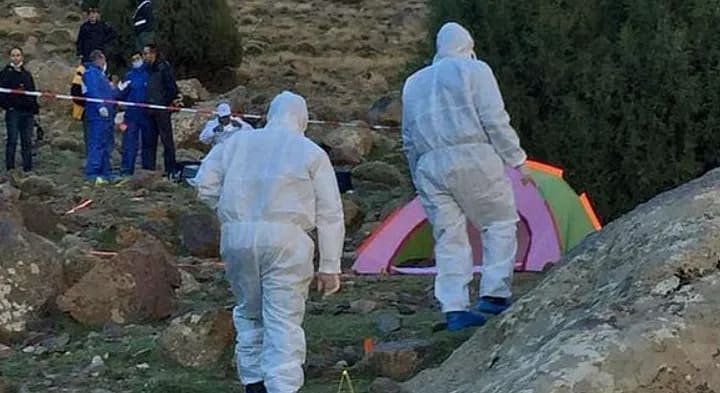
Emergency services rushed to the scene, and it didn’t take long for them to identify their first suspect — Abderrahim Khayali — from identification left behind at the site.
Within hours, three more suspects were arrested during a bus ride through rush-hour traffic back to Marrakesh. Each man was found carrying bladed weapons, but they were taken into custody without incident.
The men were soon identified as Abdessamad Ejjoud, Rachid Afatti, and Younes Ouaziyad.
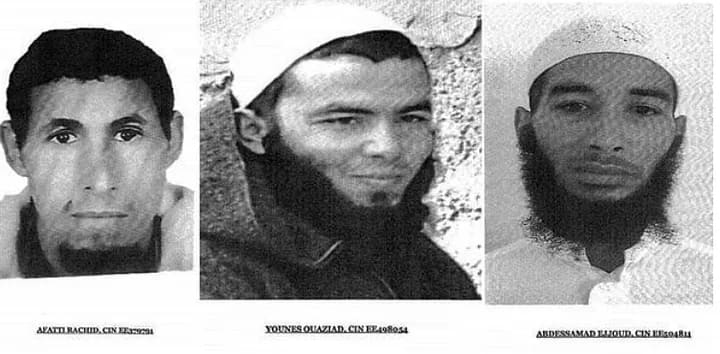
A closer examination of the women’s bodies confirmed that they had been sexually assaulted before their deaths, and both had tragically been decapitated in a brutal attack that was recorded by their killers.
Disturbingly, the video footage was later uploaded to Facebook, where friends and family of the women were able to see it.

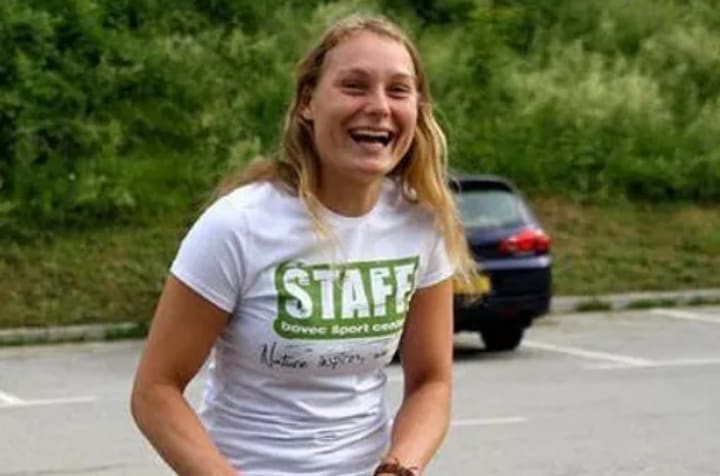
With the killers in custody, the events of that night soon began to unravel.
The men had arrived in Imlil with the explicit intention of targeting tourists. After spotting Louisa and Maren, they waited until nightfall before approaching the women’s tent.
They used the darkness to their advantage, confident that the sleeping residents of the nearby village would remain unaware of the women’s struggle.
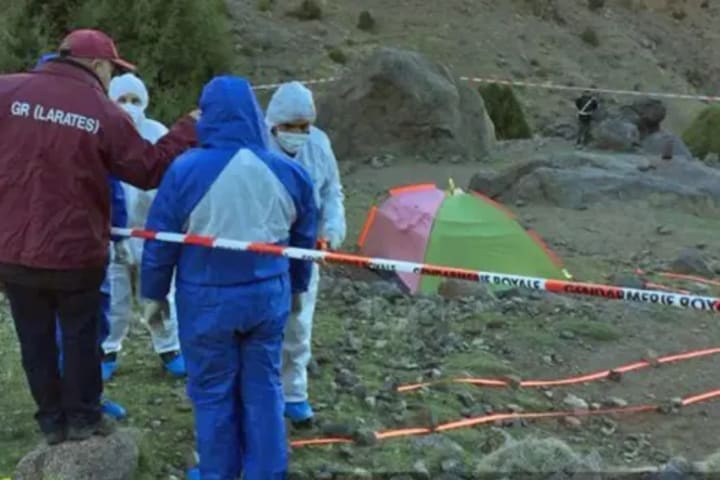
While standing outside the tent, Ouaziyad shouted at the women, ordering them to come out.
When his command was ignored, he attempted to unzip the tent. Louisa tried desperately to stop him, but he slashed her hand with a knife. A violent struggle ensued, punctuated by screams that echoed across the mountain.
After tearing through the tent’s nylon, Louisa briefly broke free, only to be caught again and stabbed multiple times.
Meanwhile, Maren remained inside, frozen with fear and shock. Ouaziyad attacked her, stabbing her in the arms, chest, and back before emerging from the tent with her head.
The case gained worldwide attention in part due to the video that circulated online, showing Louisa’s final moments.
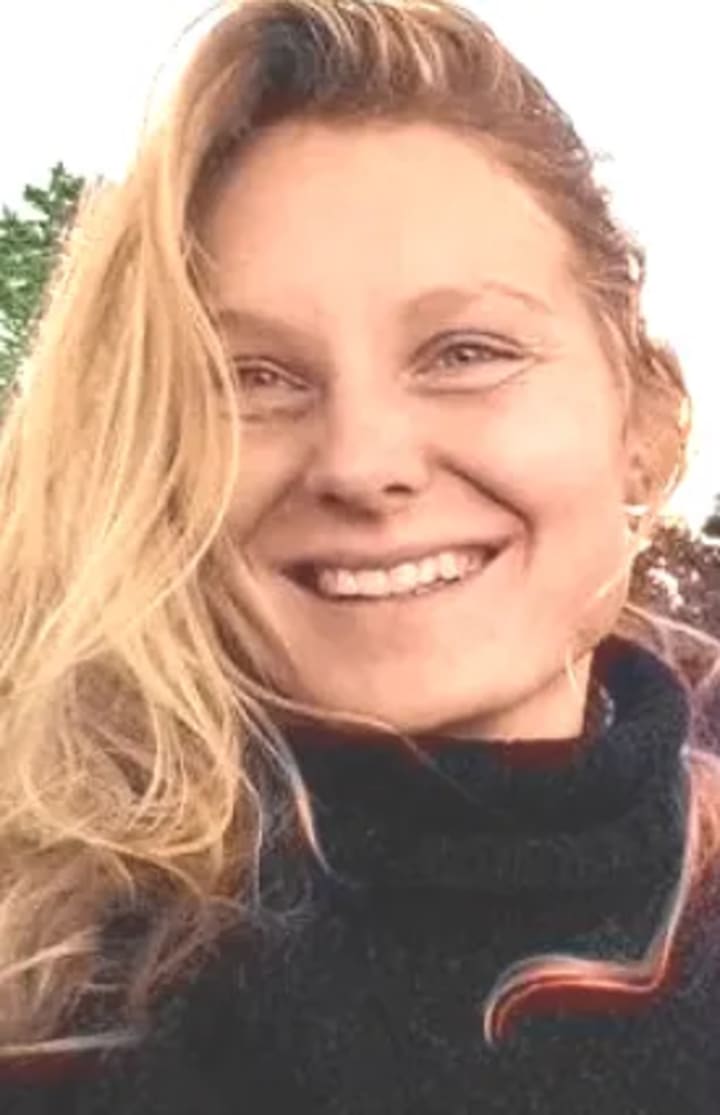
With Affati recording, the men can be heard shouting “enemies of Allah” and “revenge for our brothers in Hajin,” a reference to an Eastern Syrian town lost by ISIS.
The video then shows Louisa on the ground as Younes pinned her with his foot, while Ejjoud approached with a large machete and carried out the attack as Louisa screamed for her mother.
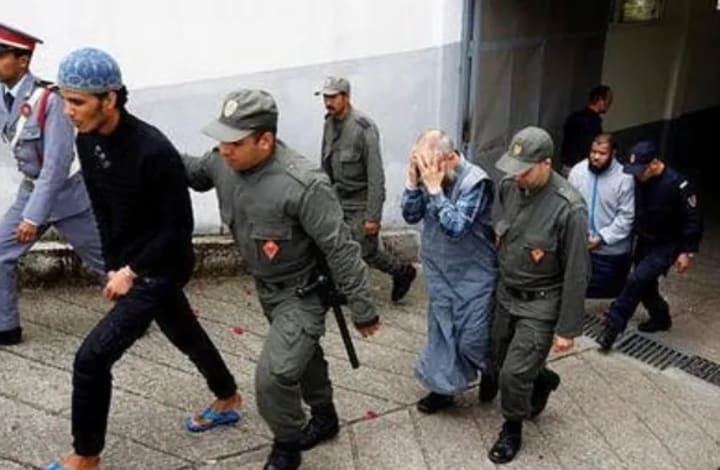
The footage, which captured the planning and execution of the attack, later became key evidence in court. In 2019, all four men were sentenced to death.
Their lawyers attempted to appeal, arguing that the men had “low levels” of education and came from impoverished backgrounds, but the anti-terrorism court upheld the death sentences.
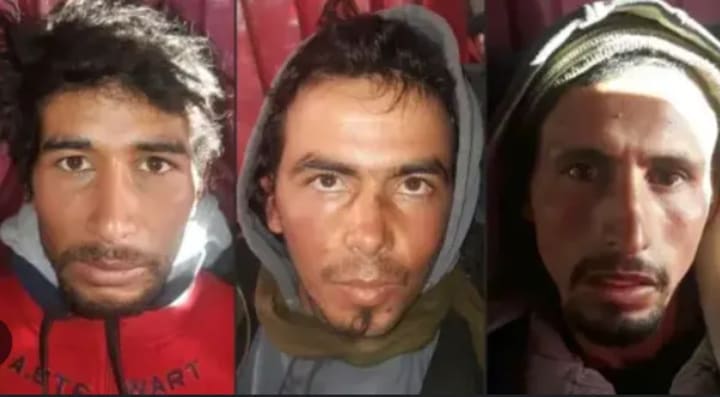
The leader of the group, Abdessamad Ejjoud, was just 26 years old at the time of the killings and had worked a modest job as a street vendor, selling orange juice to tourists.
In 2015, he had aspired to travel to Syria, but was imprisoned for a year after being found guilty of supporting ISIS. During his time in prison, he associated with other militants who reinforced his rigid interpretation of Islam. Upon his release, he abandoned plans to go to Syria and instead resolved to carry out “jihad at home.”
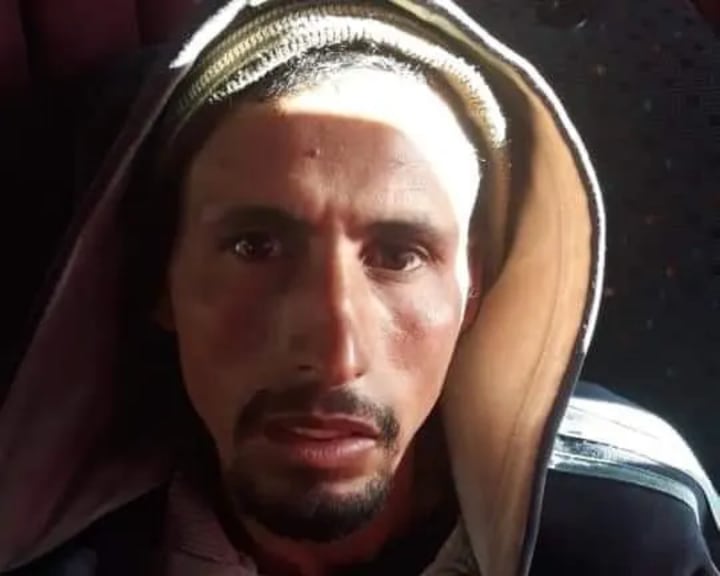
Younes Ouaziyad was a 27-year-old carpenter, while Rachid Afatti, 33, also worked as a street vendor.
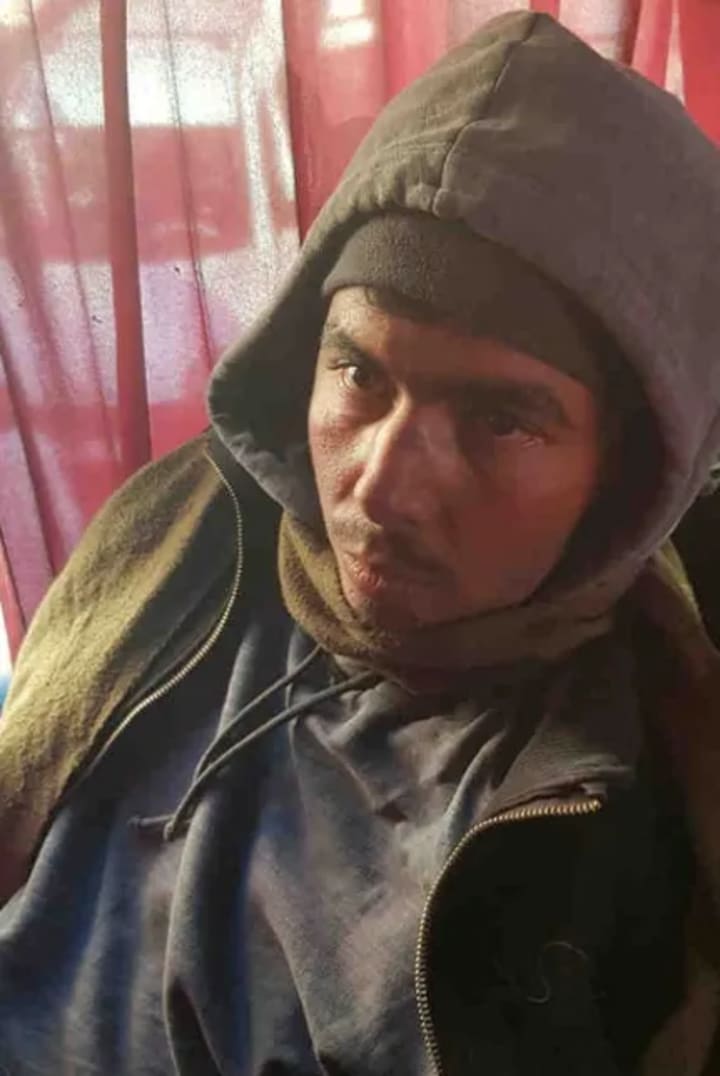
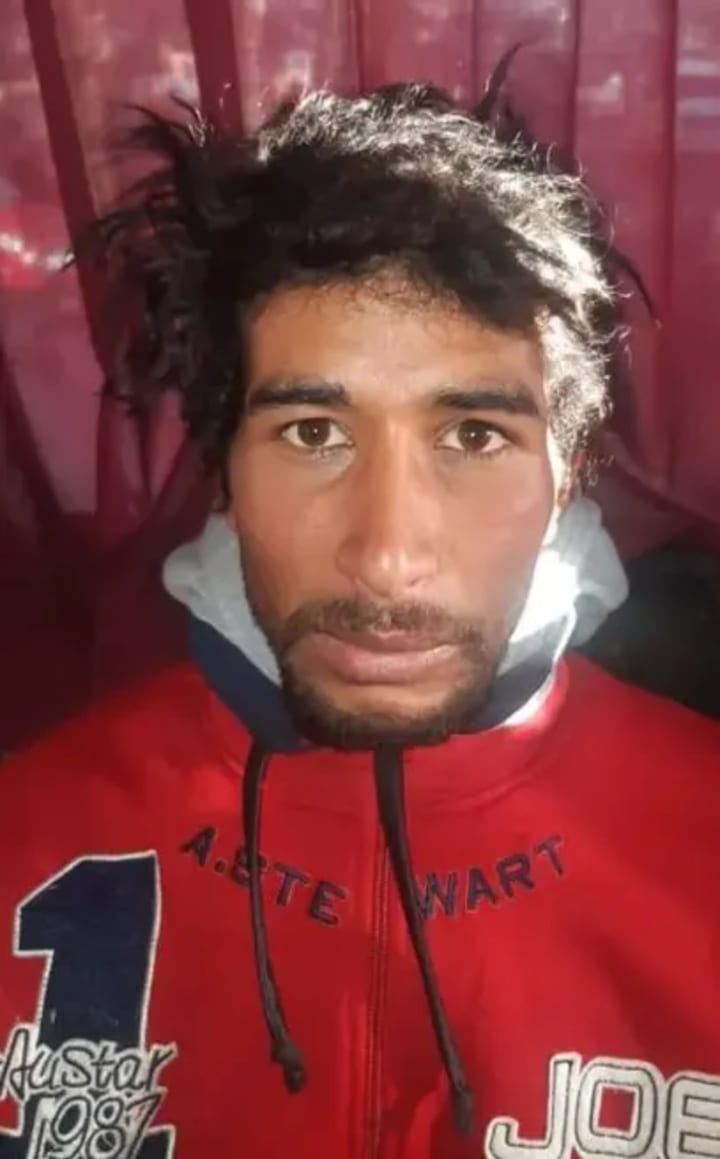
Khayali, the fourth man who had left his ID at the scene, had accompanied the group to the mountains but did not participate in the murders. He returned home that morning to his wife and children.
His wife noticed that he appeared rattled and clean-shaven; he claimed to have been away for work and said he had removed his beard to avoid drawing attention. He was initially handed a life sentence, which was later amended to the death penalty.
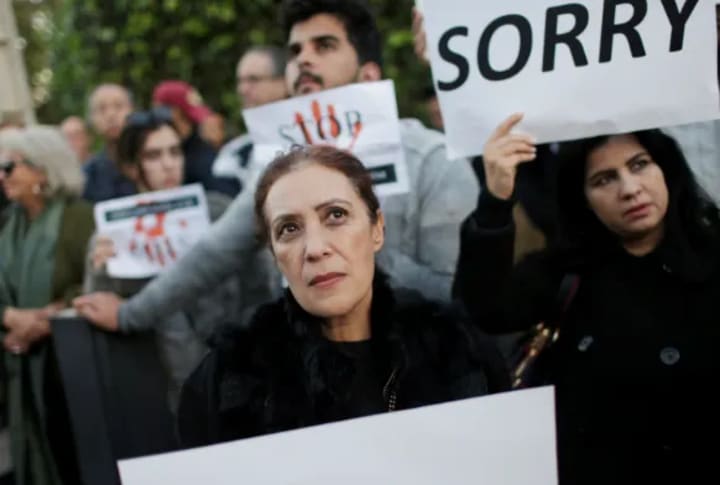
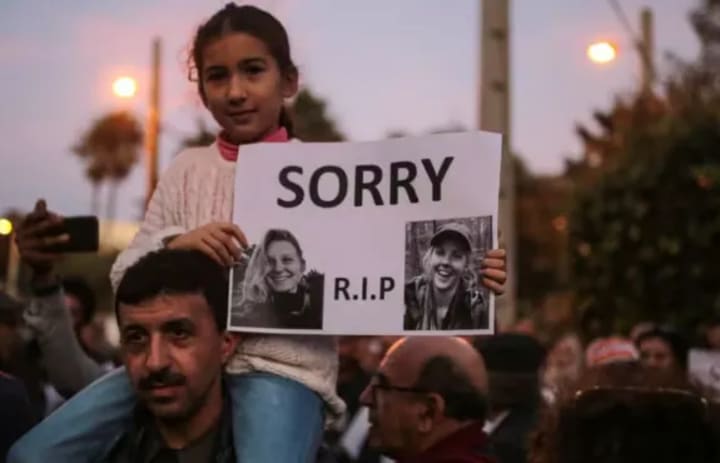
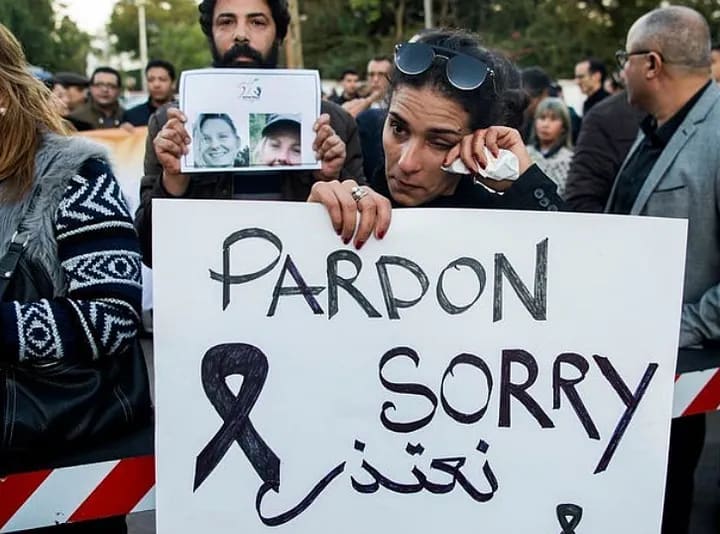
A total of 24 people were eventually brought to trial for their connections to the murders of Louisa and Maren. Four were charged with full murder and sentenced to death, while the remaining twenty received prison terms ranging from five to thirty years.
The murders of Maren and Louisa sparked widespread outrage across Morocco, with residents expressing deep remorse and personally apologising for the tragedy that had befallen the young women.
The motive for the killings was reportedly an attempt to impress ISIS. Having previously been rejected by the terror group, the men hoped the murders would demonstrate their loyalty and capabilities. If upheld, the death sentences would mark the first executions in Morocco since 1993.
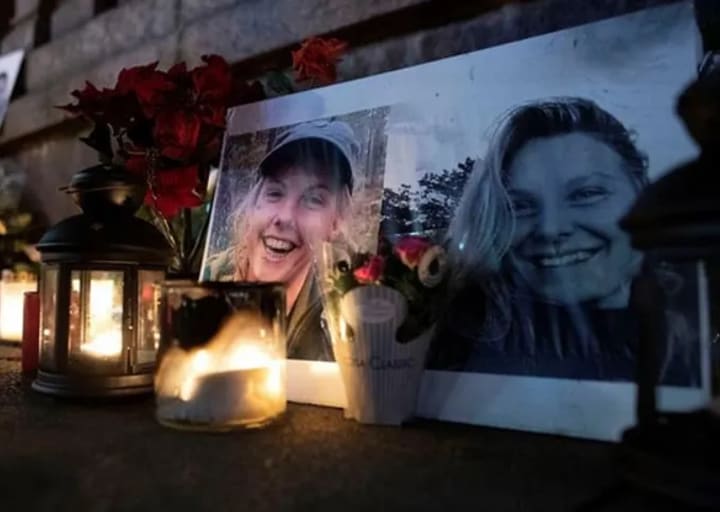
At the request of their families, the bodies of Louisa and Maren were flown home in time for Christmas, arriving on 21st December 2018.
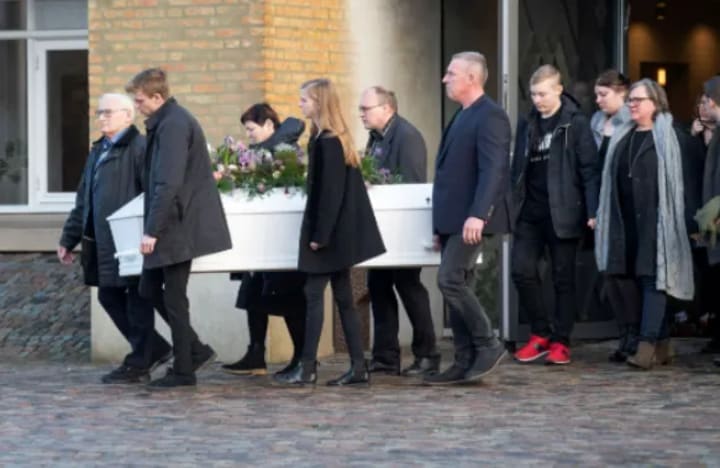
Louisa’s funeral was held in her hometown of Ikast, Denmark, with Prime Minister Lars Rasmussen in attendance, while Maren was laid to rest in a separate ceremony in Jaeren, Norway.
Western media were later accused of downplaying the brutality of the murders, initially reporting that the women had merely suffered “neck injuries” rather than acknowledging that they had been raped and beheaded.
Critics suggested that this was an attempt to avoid harming Morocco’s tourism industry, which accounts for around 19% of the country’s income.
About the Creator
Matesanz
I write about history, true crime and strange phenomenon from around the world, subscribe for updates! I post daily.
The College Student Who Jumped Into Shark Infested Waters For A Dare
In 2023, Cameron Robbins was an 18 year old with a promising future. Cameron Robbins Having just graduated from the University Laboratory School in Baton Rouge, he and a group of friends decided to celebrate their accomplishments.
By MatesanzExclusive • 2 months ago
The Elevator Killers: The Chilling Case of the Parents Who Butchered Their Children
In the prestigious Ekbatan neighborhood of North Tehran, life usually follows a predictable, quiet rhythm. In this massive residential complex, Akbar and Iran Khorramdin lived a life that seemed defined by peace and devotion. To their neighbors, they were the quintessential elderly couple—polite, soft-spoken, and always ready with a gentle greeting in the elevator. No one could have imagined that behind their wrinkled faces and the polished metal of that elevator, a dark, repetitive ritual was unfolding. For years, the building's security cameras captured a chilling image: the couple frequently leaving the elevator carrying heavy, black trash bags, moving with a terrifying calmness, without a hint of panic. They weren't taking out the trash; they were disposing of their own children.
By Mayar Younes4 days ago in Criminal
The Last Confession
M Mehran The police file labeled Case 417-B had gathered dust for seven years. No arrests. No suspects. Just one body and a city full of silence. Until tonight. Detective Aaron Cole stared at the man sitting across the interrogation table. Thin. Pale. Calm in a way that made the room feel colder. His name was Elliot Moore, a night-shift janitor at St. Vincent Hospital. Elliot had walked into the police station at 2:13 a.m. and said only one sentence: “I killed Daniel Harper.” Daniel Harper’s murder was the most disturbing unsolved crime the city had ever known. Aaron pressed the recorder button. “Start from the beginning,” he said. Elliot smiled faintly. “That’s where it gets complicated.” A Crime That Shook the City Seven years ago, Daniel Harper—a respected journalist known for exposing corruption—was found dead in his apartment. No forced entry. No weapon. No fingerprints except his own. The autopsy revealed poisoning, but the toxin was rare, expensive, and untraceable. The media called it The Perfect Crime. Aaron had been a rookie detective back then. The case haunted him. It had ruined careers. It had ended marriages. And now, suddenly, a confession appeared out of nowhere. Too perfect. The Janitor No One Noticed Elliot described his life in careful detail. Invisible. Ignored. He cleaned hospital floors while saving lives walked past him every day. “No one looks at janitors,” he said. “That’s why I was perfect.” Aaron frowned. “Perfect for what?” “For watching.” Elliot explained that Daniel Harper had been visiting the hospital frequently before his death—always late at night, always nervous. Elliot overheard phone calls. Arguments. Names that didn’t belong in public conversations. Politicians. Judges. CEOs. Daniel wasn’t just exposing corruption. He was about to publish something that would destroy powerful people. “And they noticed,” Elliot whispered. The Twist No One Expected Aaron leaned forward. “So you killed him?” Elliot shook his head slowly. “No. They did.” The room went silent. “I just made sure they couldn’t get away with it.” Elliot explained that he had followed Daniel one night, out of curiosity. He saw him meet someone in a parking garage—someone Elliot recognized from the news. A senator. Elliot watched as Daniel was handed a drink. Watched as his hands began to shake. Watched as the senator walked away calmly, leaving Daniel to die on the cold concrete floor. “I didn’t stop it,” Elliot said, his voice cracking for the first time. “I was scared.” A Crime Within a Crime Instead of calling the police, Elliot made a decision that would change everything. He dragged Daniel’s body back to his apartment. Cleaned the scene. Removed evidence. Made the murder look like a mystery. “Why?” Aaron demanded. “Because I knew the truth would never survive,” Elliot replied. “Power protects itself.” Elliot spent years collecting proof—audio recordings, documents, hidden files Daniel had given him in his final moments. “They thought they committed the perfect crime,” Elliot said. “I gave them one.” Seven Years of Silence Elliot waited. He watched elections come and go. Promotions. Awards. Smiles on television. Meanwhile, Daniel Harper’s name faded into a footnote. Until tonight. “I’m dying,” Elliot said quietly. “Cancer. Stage four.” Aaron’s chest tightened. “So I came here,” Elliot continued. “Because I don’t need justice for myself. I need truth for him.” He slid a flash drive across the table. “Everything is there.” The Real Criminals Forensic analysis confirmed the files were authentic. Recordings of bribes. Emails ordering Daniel’s murder. Bank transfers tied to offshore accounts. Within forty-eight hours, arrests shook the nation. A senator. A judge. A corporate tycoon. The headlines exploded. THE PERFECT CRIME WAS NEVER PERFECT JANITOR EXPOSES MURDER COVER-UP Elliot Moore pleaded guilty—not to murder, but to obstruction of justice. He accepted his sentence without protest. “I did what I had to,” he told Aaron during their last meeting. “History needed time to be ready.” The Final Confession Elliot died six months later in prison medical care. On his grave, someone left a simple note: Truth doesn’t need power. It needs patience. Aaron visited that grave every year. Because some criminals wear suits. Some wear uniforms. And some carry mops, waiting quietly for the world to notice. Why This Story Matters The city still talks about Daniel Harper. But Aaron knows the real story belongs to the man no one ever saw. The janitor who turned a perfect crime into a perfect confession. Keywords (SEO-friendly): criminal story, true crime style fiction, crime short story, murder mystery, psychological crime, unsolved murder, criminal justice, suspense story, Vocal Media crime
By Muhammad Mehran3 days ago in Criminal
Off the Book
It ended like every other stupid idea. Badly, and alone. I’m researching digital confession ethics, he said. A tech ethicist. He gestured at floating data I couldn’t see then pulled out a physical notebook. Actual paper, fountain pen. He held it up like he was showing me scripture.
By Nicky Frankly3 days ago in Fiction


Comments
There are no comments for this story
Be the first to respond and start the conversation.