
What Is Happening Oh My God
What Happens When the Human Body Is Fully Burned

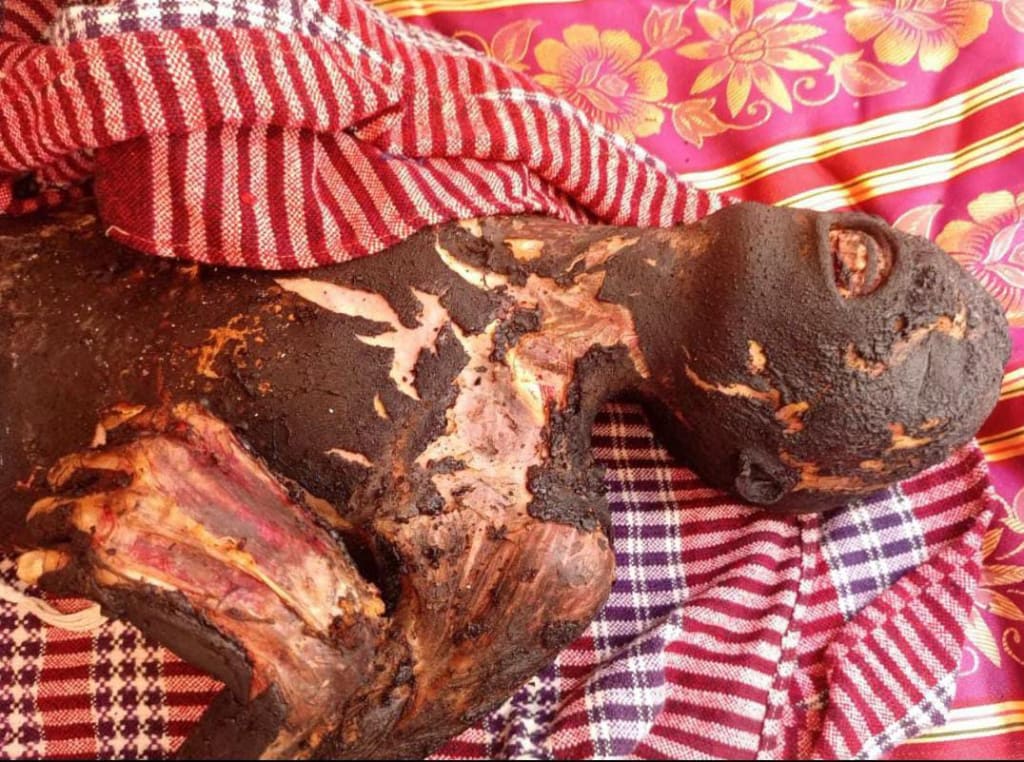
Burn injuries are among the most devastating traumas that a human body can experience. When the body is fully burned, meaning that nearly all the skin and underlying tissues are affected, the consequences are catastrophic both medically and biologically. A full-body burn not only damages the external layers but also deeply affects the organs, blood vessels, and even bones. The process involves a combination of physical destruction, biochemical changes, and life-threatening complications. This essay will explain what happens when the body is fully burned — from the types and degrees of burns to the physiological reactions, the stages of tissue destruction, the medical consequences, and what happens after death in a completely burned body.
1. Understanding Burns
A burn is an injury to the skin or other organic tissue caused by heat, radiation, electricity, friction, or chemicals. The skin, being the body’s largest organ, serves as a barrier to infection and helps regulate temperature. When it is severely damaged, the body loses its ability to maintain these vital functions.
There are generally three degrees of burns, though some experts recognize a fourth-degree burn for extremely severe cases:
First-degree burns: These affect only the outer layer of the skin (epidermis). The skin becomes red, painful, and may peel after healing. Sunburn is a common example.
Second-degree burns: These penetrate deeper, reaching the dermis layer. The skin becomes blistered, swollen, and extremely painful.
Third-degree burns: These destroy both the epidermis and dermis and may extend into the subcutaneous fat layer. The burned area may look white, brown, or charred and is often numb due to nerve destruction.
Fourth-degree burns: These are the most severe and extend through skin, fat, muscle, and sometimes to the bone. At this stage, survival is almost impossible if the burn covers the majority of the body.
When the entire body is burned, multiple systems fail — not just the skin. It’s not only a matter of visible damage; internally, the organs also begin to shut down.
2. The Immediate Effects of a Full Burn
The moment a person’s body catches fire or is exposed to extreme heat, the first organ affected is the skin. Within seconds, the epidermis begins to die. The nerve endings send intense pain signals to the brain, but in very deep burns, nerves are destroyed so quickly that the victim may stop feeling pain after a short time.
As the skin burns, it loses its ability to keep fluids inside the body. The fluids begin to leak out, causing massive dehydration. The blood thickens because of this fluid loss, making it harder for the heart to pump blood. Blood pressure drops rapidly, and the victim can go into burn shock, a life-threatening condition where the organs no longer receive enough oxygen and nutrients.
The heat also causes coagulation of proteins in the skin and muscles. This means the proteins that make up the cells’ structure are destroyed, leading to tissue death. As cells die, they release toxins into the bloodstream, worsening the body’s condition.
3. Systemic Reactions and Organ Failure
When more than 30–40% of the body surface is burned, the injury is considered critical. The body responds by initiating a massive inflammatory reaction. White blood cells rush to the area to fight infection, and chemical messengers called cytokines flood the bloodstream. This causes the blood vessels to become leaky, leading to swelling and more fluid loss.
At this stage, multiple systems start failing:
Cardiovascular system: The heart struggles to maintain blood flow because of low fluid volume and increased blood thickness.
Respiratory system: If the person inhaled smoke or hot air, the airways may swell or become burned, leading to respiratory failure.
Renal system: The kidneys may stop working because of low blood flow and toxic waste buildup, causing acute renal failure.
Liver: The liver struggles to process toxins and may suffer necrosis (tissue death).
Immune system: Since the skin barrier is gone, bacteria can easily enter the body, leading to deadly infections such as sepsis.
Without immediate and advanced medical care, a person with a full-body burn will die within hours or even minutes.
4. Pain, Nerve Damage, and Shock
Initially, burns cause excruciating pain because of nerve stimulation. However, as the burn deepens and nerves are destroyed, the area may become numb. The paradox is that while the victim may stop feeling pain in certain areas, the body is still under extreme stress.
The severe pain and trauma trigger the release of stress hormones like adrenaline and cortisol. This speeds up the heartbeat and breathing, while blood pressure falls due to fluid loss. The body enters hypovolemic shock — a condition where there is not enough circulating blood to supply the organs. If untreated, this leads to unconsciousness and death.
5. The Biological Process of Burning Flesh
When flesh burns, it goes through several physical and chemical stages:
Moisture evaporation: The high temperature evaporates the water in the skin and tissues almost immediately.
Fat melting: The subcutaneous fat layer beneath the skin begins to melt and drip away, producing a strong odor.
Protein denaturation: The body’s proteins (mainly collagen and muscle fibers) coagulate, giving the skin a leathery texture.
Carbonization: As heat continues, tissues turn black and brittle. Muscles shrink and bones may become exposed.
Skeletal damage: If temperatures exceed 800°C, bones begin to calcinate and eventually turn into ash. At this stage, the human body is no longer recognizable.
These transformations are similar to what happens during cremation, where the body is exposed to extreme heat in a controlled environment.
6. What Happens Internally During a Full-Body Burn
Inside the body, the heat causes catastrophic effects:
Blood vessels rupture and leak plasma.
Muscles contract due to heat, causing limbs to bend into a “pugilistic posture” — a characteristic pose often seen in burn victims, where the arms and legs bend as if in a defensive position.
Organs fail due to oxygen deprivation.
Cells burst as their internal water turns to steam.
DNA and enzymes break down, making cellular recovery impossible.
The brain, if exposed to high heat, can swell and stop functioning within seconds. The heart may continue beating briefly, but soon it stops due to lack of oxygen and massive damage.
7. The Role of Medical Treatment
In hospitals, doctors use advanced treatments to save burn victims, but for a body that is fully burned (more than 80–90% total body surface area), survival chances are extremely low. Treatment focuses on:
Fluid replacement therapy: Restoring lost fluids through IV.
Pain management: Using morphine or other strong painkillers.
Antibiotics: Preventing infections.
Skin grafting: Replacing destroyed skin with donor or artificial skin.
However, when the burns are full thickness across nearly the entire body, there is not enough healthy skin left to graft. In such cases, doctors may focus on palliative care — keeping the person comfortable rather than attempting recovery.
8. Psychological and Emotional Impact
Beyond the physical destruction, full-body burns also cause extreme psychological suffering. Survivors of severe burns often face post-traumatic stress disorder (PTSD), anxiety, depression, and body image issues. The pain of treatment, combined with the long recovery and scars, can deeply affect mental health.
However, when the burn is total and death occurs, the emotional trauma transfers to families and medical teams who witness such devastating injuries. Burn deaths are considered among the most painful and tragic forms of death.
9. When the Body Is Fully Burned After Death
In cases such as house fires, car accidents, or cremation, sometimes the body is completely burned after death. The process differs from burning during life because blood circulation and pain response have already stopped.
As the temperature rises:
Soft tissues vaporize.
Bones calcify, becoming brittle and white.
Teeth and skull may crack due to internal steam pressure.
Eventually, only ashes and small bone fragments remain.
Forensic experts can still identify remains through DNA from bone marrow or teeth, or through dental records if the remains are not completely destroyed.
10. Cremation and Complete Combustion
In cremation, a human body is burned at 760–980°C for 2 to 3 hours. This controlled process ensures full combustion, reducing the body to ashes and bone fragments. The ashes are mostly calcium phosphates from the bones, and they weigh between 2 to 3 kilograms for an adult.
This process mirrors what happens in uncontrolled full burns but in a clean, scientific manner meant for respectful disposal rather than accidental destruction.
11. Ethical and Moral Reflections
When we consider the horror of full-body burns, it also raises ethical and humanitarian questions. Fire is a powerful element — capable of creation and destruction. Throughout history, people have used it for punishment, war, and ritual, but modern society recognizes the extreme cruelty involved in burning deaths.
Fire safety, education, and technology are therefore vital. Knowing what happens during a full-body burn should remind humanity of the importance of prevention — from proper handling of flammable materials to enforcing safety standards in homes, industries, and transportation.
12. Conclusion
A fully burned body represents one of the most tragic forms of human suffering. From the instant pain of nerve destruction to the collapse of internal organs and eventual carbonization of tissues, the process is both scientifically fascinating and emotionally horrifying. The body, which is a masterpiece of biology, loses all form and function under extreme heat.
Understanding what happens when the human body is fully burned is not just about the science of fire and flesh. It’s also about compassion, awareness, and respect for life. Every burn case is a reminder of how fragile and precious human life is — and how quickly it can be destroyed in moments of flame.
About the Creator
Fawad Khan
I’m Fawad Khan a passionate speaker and researcher sharing journals, fiction, history, education, current affairs, and English literature. With deep research and clear voice, I bring knowledge to life. Learn,grow, and stay informed with me.
Keep reading
More stories from Fawad Khan and writers in Criminal and other communities.
The Role of the CIA in the World
The Central Intelligence Agency (CIA) of the United States, founded in 1947 with the signing of the National Security Act, has played an unparalleled role in shaping the international landscape. As the foremost intelligence agency of the world’s most powerful country, the CIA operates not only as an information-gathering body but also as a covert operational force, influencing political dynamics, economic trends, and military strategies globally. Over the decades, the CIA has been central to numerous historical events, international conspiracies, and significant geopolitical shifts. This journal delves deep into the multifaceted role of the CIA, examining its origins, functions, global operations, successes, failures, and the controversies surrounding its activities.
By Fawad Khan7 months ago in Criminal
Trump Sues the IRS: A Detailed Look at the High-Profile Legal Battle
**Trump Sues the IRS: A Detailed Look at the High-Profile Legal Battle** Former U.S. President Donald Trump has launched a major lawsuit against the Internal Revenue Service and the U.S. Department of the Treasury, turning a long-running controversy over leaked tax records into a full-scale legal confrontation. The case centers on claims that federal agencies failed to protect highly confidential tax information, leading to unauthorized disclosures that Trump argues caused serious personal, financial, and reputational harm.
By America today 4 days ago in Criminal
Wisconsins Overlooked Pattern: How Many Cases Are We Not Talking About?
Wisconsin’s criminal history from the 1970s through the early 1990s is often discussed in fragments: a single notorious case, a single wrongfully convicted man, or a single serial offender. What is less frequently examined is the collective landscape—a dense cluster of murders, disappearances, infant deaths, sexual assaults, and investigative failures that unfolded across overlapping geography and time.
By SunshineChristina2 days ago in Criminal
Time to change your life.
Is it even possible for you to change your life? A lot of people, more than there should be, are unhappy with their lives. But what are they doing about it? Usually nothing. People talk about how shitty their lives are and want change, but are they not taking the actions to change?
By Jen Phillips3 days ago in Humans




Comments
There are no comments for this story
Be the first to respond and start the conversation.