
10 Moments When Small Decisions Led to Massive Tragedies
One choice. One second. Everything changed.

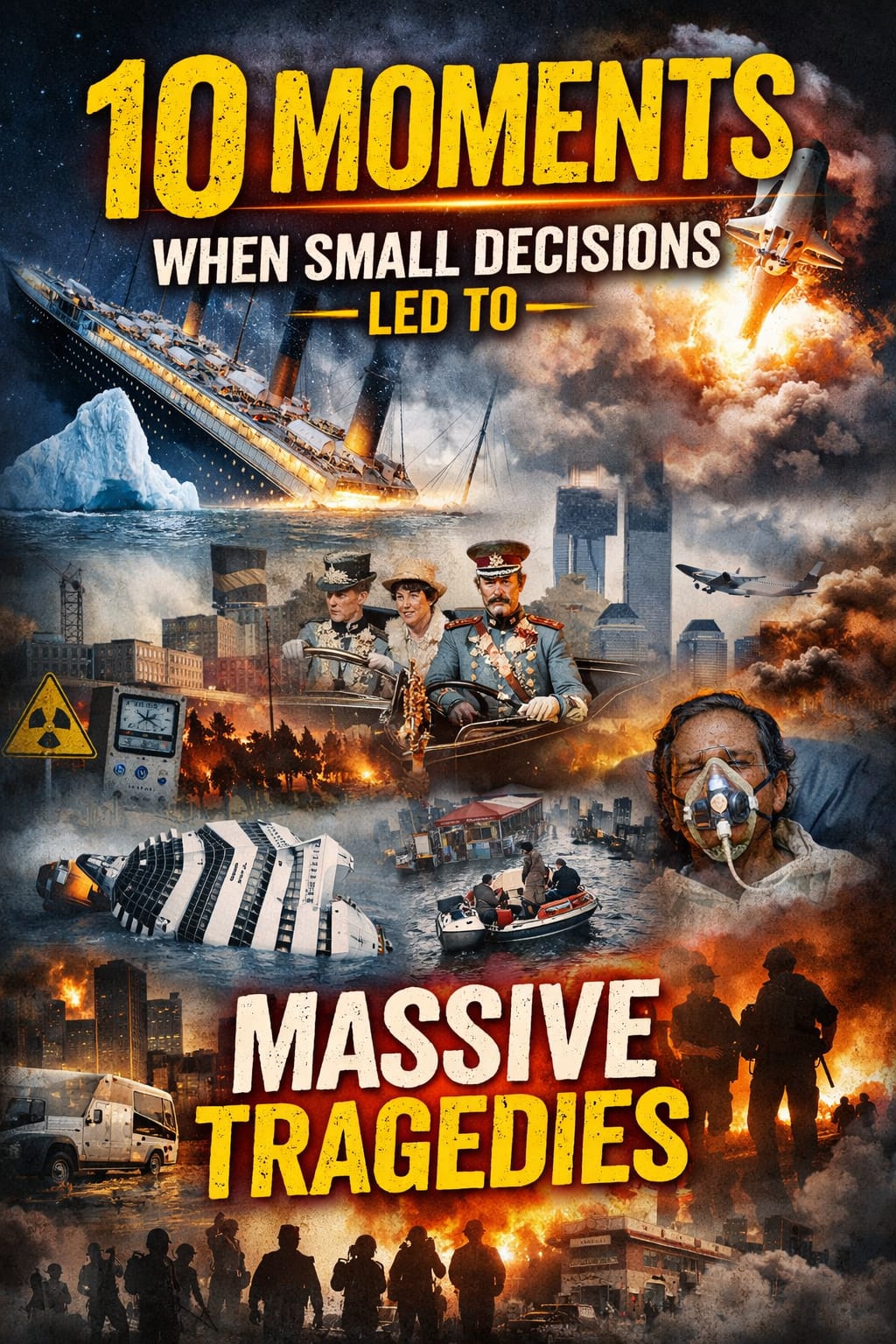
History often remembers disasters as giant events — explosions, crashes, wars, collapses. But behind many of them lies something surprisingly small: a missed warning, a delayed decision, a wrong turn, a single unchecked detail.
Sometimes tragedy doesn’t begin with chaos. It begins with one quiet choice.
Here are ten moments when a small decision changed the course of history forever.
---
1. The Iceberg Warning Ignored – RMS Titanic
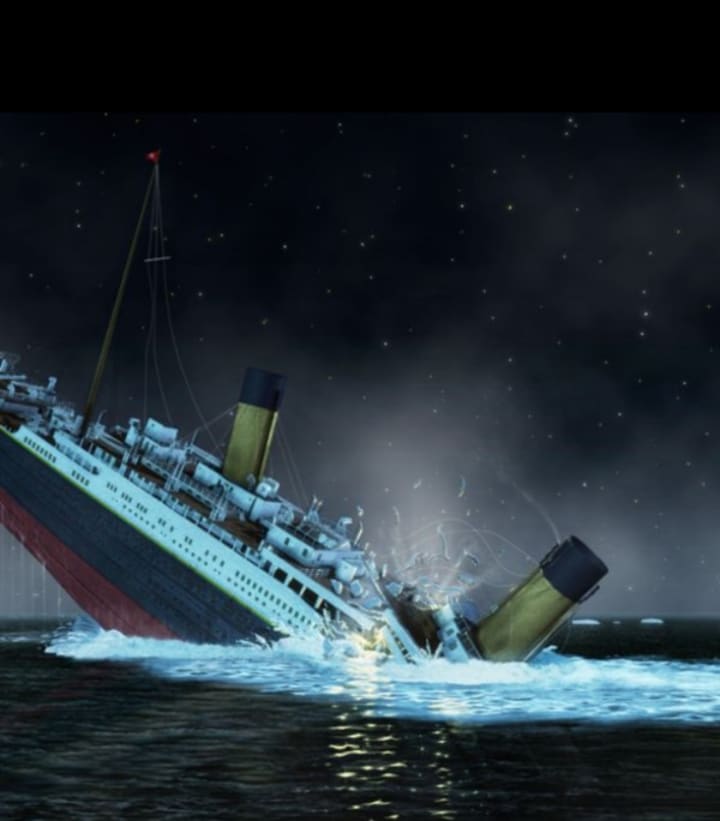
In April 1912, the Titanic received multiple iceberg warnings from nearby ships. One message never made it to the bridge with urgency. The ship continued at high speed through icy waters.
At 11:40 p.m., it struck an iceberg.
Over 1,500 people died. A decision not to slow down — not to treat warnings as urgent — became one of the deadliest maritime disasters in history.
---
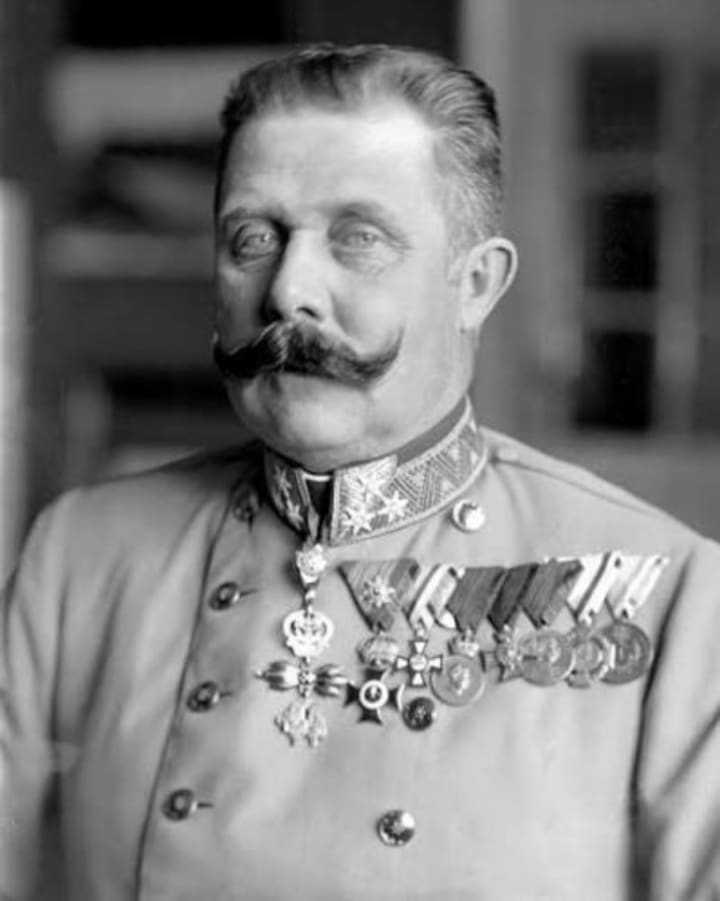
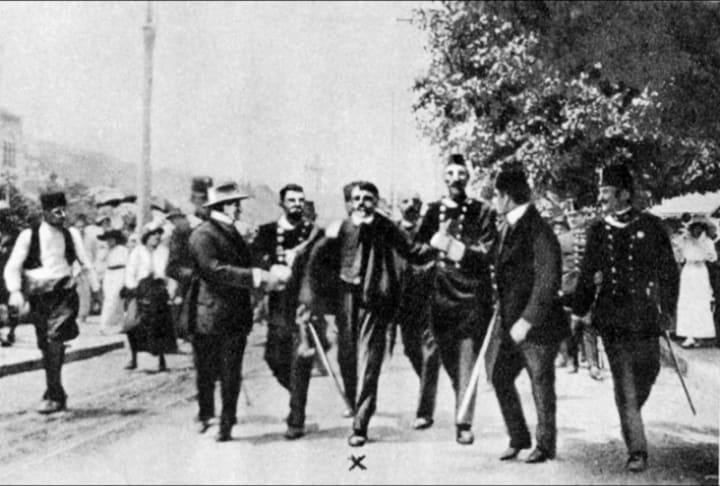
2. A Wrong Turn in Sarajevo – Assassination of Archduke Franz Ferdinand
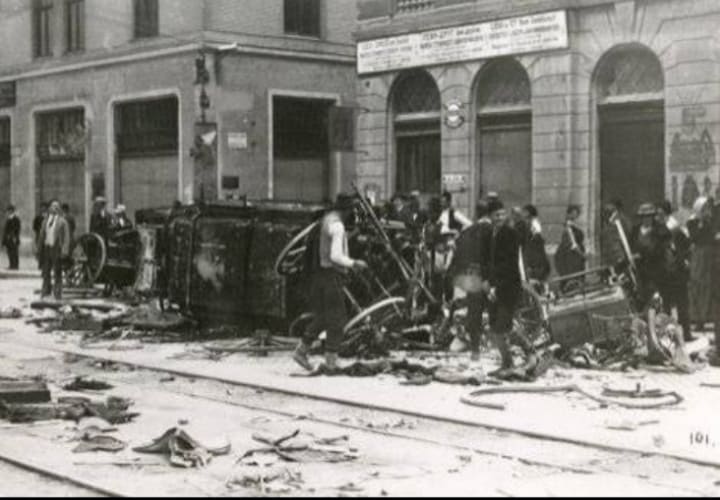
On June 28, 1914, Archduke Franz Ferdinand survived one assassination attempt. His driver then made a wrong turn onto a side street — directly in front of Gavrilo Princip, one of the conspirators.
Princip seized the chance and fired.
That small navigation mistake triggered a chain reaction of alliances and ultimatums that led to World War I, reshaping the world map and costing millions of lives.
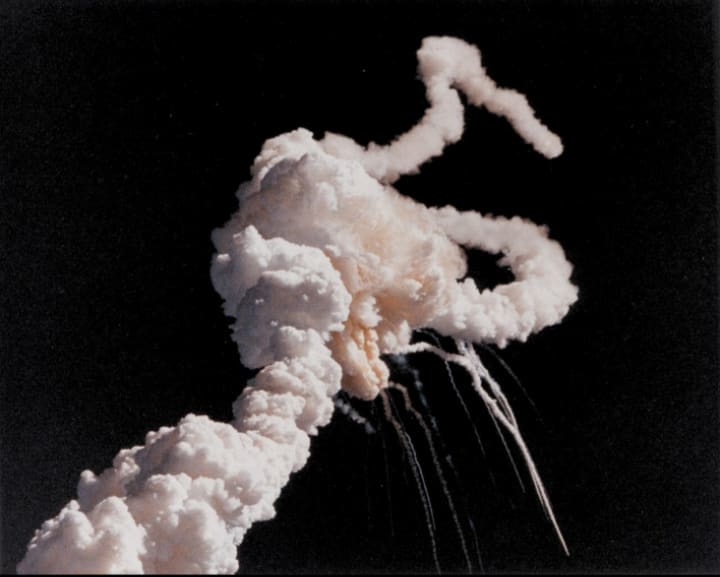
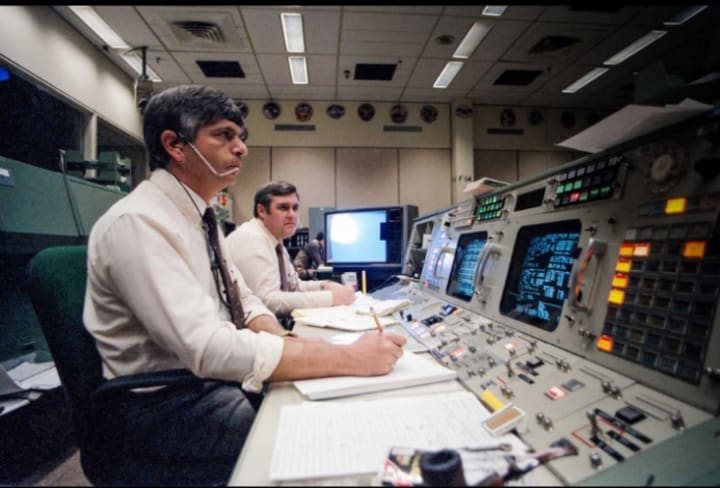
3. The Overlooked Engineering Flaw – Space Shuttle Challenger disaster
Engineers had concerns about O-ring seals in cold weather before the launch. But pressure to proceed was strong. The shuttle launched on a freezing morning in January 1986.
Seventy-three seconds later, Challenger exploded.
A decision to move forward despite warnings cost seven astronauts their lives.
---
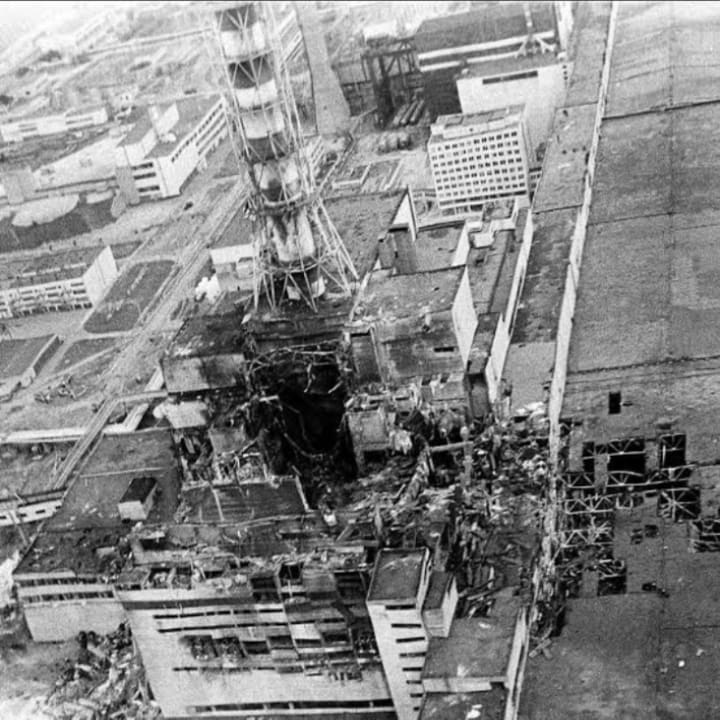
4. A Door Left Open – Chernobyl disaster
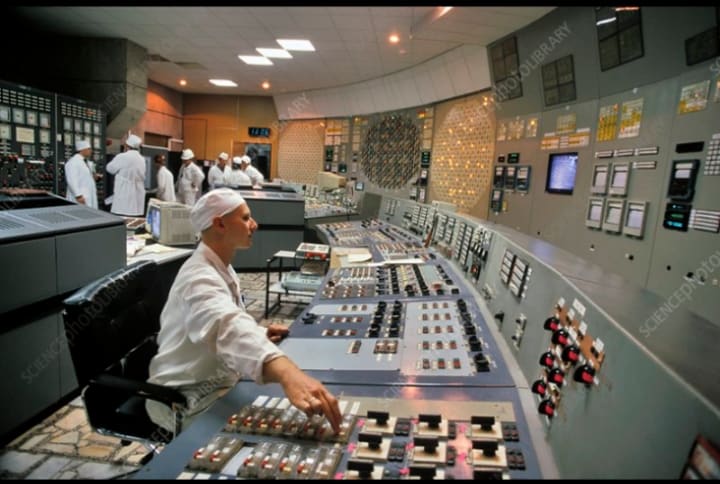
During a late-night safety test in April 1986, operators disabled critical safety systems at the Chernobyl nuclear plant. Procedures were ignored. Controls were overridden.
A power surge followed. Then an explosion.
The radioactive fallout spread across Europe. Entire towns were abandoned. One risky decision during a test created a disaster that still affects lives today.
---
5. The Captain Who Left the Bridge – Costa Concordia
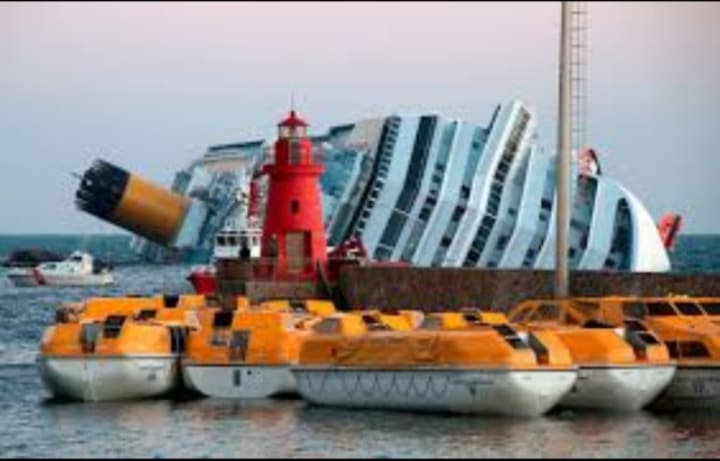
In 2012, the Costa Concordia sailed too close to shore for a “salute.” The ship struck rocks and began to sink. Instead of coordinating evacuation, Captain Francesco Schettino left the vessel early.
Thirty-two people died.
A risky maneuver meant for show — followed by abandonment — turned a luxury cruise into catastrophe.
---
6. A Missed Alarm – September 11 attacks
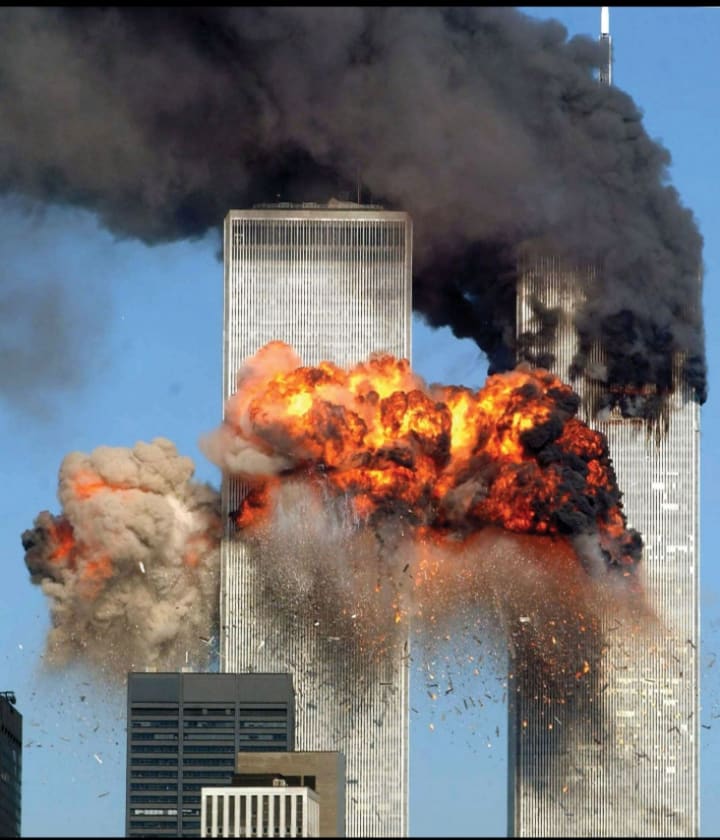
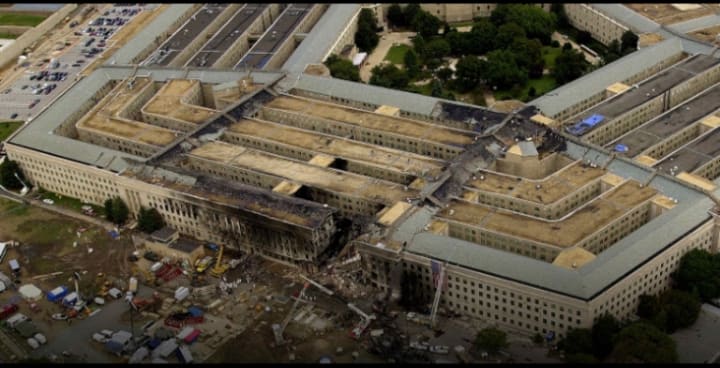
In the months before 9/11, intelligence agencies received fragmented warnings about potential threats. Signals were there — but they were not connected in time.
On September 11, 2001, nearly 3,000 people were killed.
History changed in hours. Small failures in communication and urgency allowed tragedy to unfold.
---
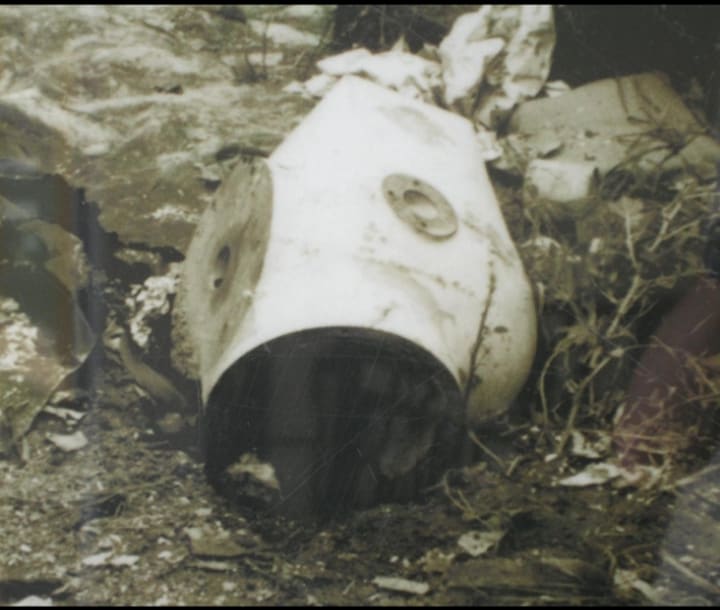
7. The Radioactive Capsule – Goiânia accident
In Brazil, scavengers found an abandoned medical machine containing radioactive cesium-137. Thinking it was valuable, they broke it open.
The glowing blue powder fascinated them.
Four people died. Hundreds were contaminated. One careless act — opening something unknown — led to a public health disaster.
---
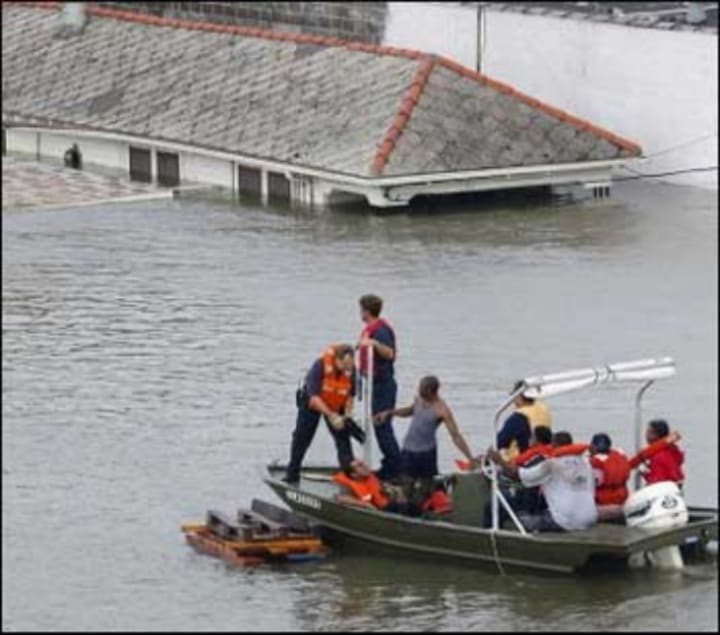
8. The Delayed Evacuation – Hurricane Katrina
Warnings were clear before Hurricane Katrina struck in 2005. Yet evacuation orders came late, and levee protections were underestimated.
When the storm hit New Orleans, flooding devastated the city.
Over 1,800 people died. Delayed decisions turned a natural disaster into a humanitarian crisis.
---
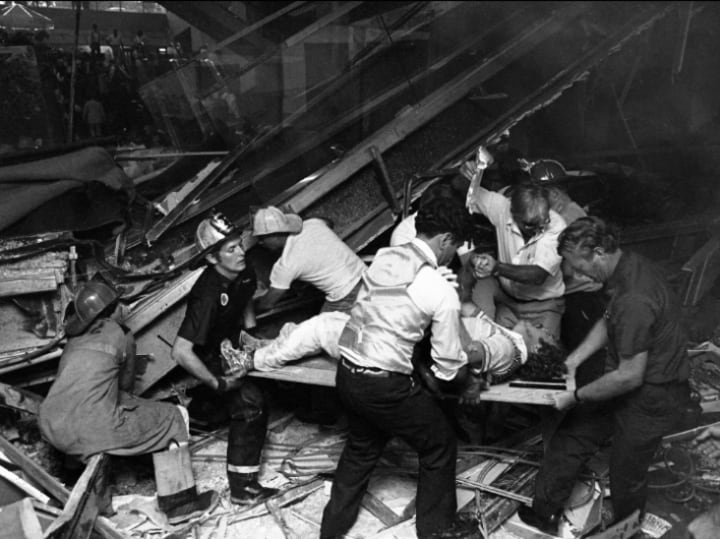
9. The Overlooked Bolt – Hyatt Regency walkway collapse
In 1981, suspended walkways inside a Kansas City hotel collapsed during a dance event. A design change in the hanger rod connection — approved without full analysis — doubled the load on bolts.
The structure failed.
114 people died. A small engineering modification, poorly reviewed, had deadly consequences.
---
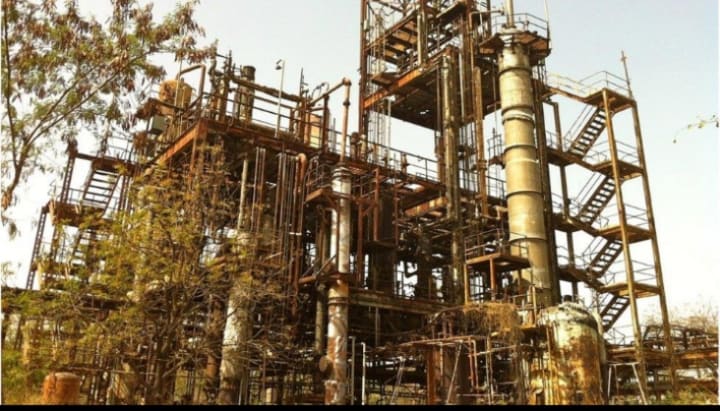
10. The Decision to Stay Silent – Bhopal disaster
In December 1984, toxic gas leaked from a pesticide plant in Bhopal, India. Safety systems were poorly maintained. Warning signs were ignored.
Thousands died in days. Many more suffered lifelong health problems.
Sometimes tragedy grows not from one dramatic action — but from repeated small choices to ignore risk.
---
Final Reflection: The Weight of a Second
These moments teach us something uncomfortable: disaster is often human. It is rarely pure accident.
A warning dismissed. A procedure skipped. A shortcut taken. A risk minimized.
Small decisions feel harmless in the moment. But history shows they can ripple outward, affecting millions.
The lesson is not fear — it is responsibility.
Because sometimes, the difference between normal life and catastrophe is just one choice.


Comments
There are no comments for this story
Be the first to respond and start the conversation.