Nature
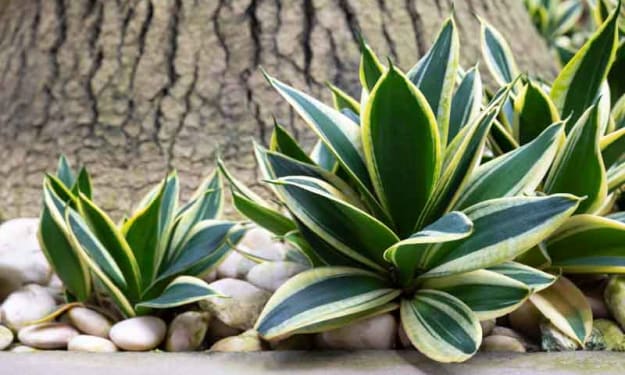
The Ultimate Snake Plant Care Guide: Hard to Kill, Easy to Love . AI-Generated.
There’s a reason you see snake plants everywhere—from sleek office lobbies to cozy, sun-drenched living rooms. Their architectural spears of green and gold seem to silently defy neglect, earning them a reputation as the ultimate “hard to kill” houseplant. But what if we shifted that perspective? In my years of working with plants and data at AI Plant Finder, I’ve learned that the most rewarding relationships with our green companions aren’t built on mere survival, but on understanding. The snake plant (now botanically reclassified as Dracaena, though we all still call it Sansevieria) isn’t just surviving your care; it’s thriving on a biological logic all its own. This guide is your key to moving from simply keeping it alive to helping it flourish, deepening that easy love with a little expert insight.
By Olivia Martinezabout 3 hours ago in Earth
Prince Archie’s Ex-Nanny Lifts Lid on Truth of Working for Prince Harry and Meghan. AI-Generated.
Public interest has intensified following claims from a former nanny linked to Prince Archie, who has reportedly spoken about her experience working for Prince Harry and Meghan, the Duke and Duchess of Sussex. While details remain subject to interpretation and public discussion, the story has sparked wider conversations about privacy, media scrutiny, and the realities of working in high-profile households.
By Aarif Lashariabout 5 hours ago in Earth
Five-Year-Old Liam Ramos and His Father Released From Texas Detention Center. AI-Generated.
The release of five-year-old Liam Ramos and his father from a Texas detention center has sparked renewed discussion about immigration detention policies, family separations, and humanitarian treatment standards. The case has attracted attention from advocacy groups, legal experts, and community organizations, highlighting the complex balance between border enforcement and human rights considerations.
By Aarif Lashariabout 8 hours ago in Earth
Paul Kimmage: Our Rowers Were the Best of Us and They Were Treated Disgracefully. AI-Generated.
Sports journalist Paul Kimmage has sparked intense debate after claiming that national rowing athletes — described as “the best of us” — were treated disgracefully by those responsible for managing and supporting them. His comments have reignited wider discussions about athlete welfare, governance standards, and how elite sports systems treat the people who deliver success on the global stage.
By Aarif Lashariabout 15 hours ago in Earth
India Faces Hotter, Drier February, Threatening Winter Crops. AI-Generated.
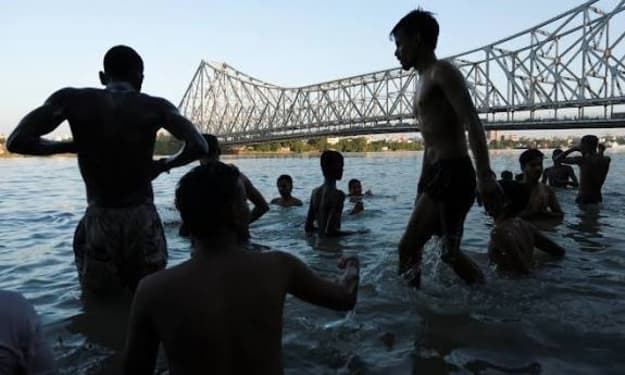
India is experiencing an unusually hot and dry February, raising serious concerns for winter crops and food production across several key agricultural regions. Meteorological officials have warned that higher-than-normal temperatures and below-average rainfall could negatively affect wheat, mustard, pulses, and other rabi (winter) crops that are currently in critical growth stages. The abnormal weather pattern has alarmed farmers and policymakers alike, as agriculture remains a backbone of India’s economy and food security. Experts say the shift in climate conditions reflects a growing trend of unpredictable weather linked to climate change. Unseasonal Heat Raises Alarm According to the India Meteorological Department (IMD), temperatures in many parts of northern and central India have been recorded several degrees above the seasonal average. Regions such as Punjab, Haryana, Rajasthan, Uttar Pradesh, and Madhya Pradesh—major wheat-producing states—have experienced persistent heat waves earlier than usual. February is typically marked by mild temperatures that help crops mature gradually. However, rising heat can speed up crop development, reducing grain size and overall yield. “This kind of temperature spike during the grain-filling stage can significantly affect wheat productivity,” said an agricultural scientist at a government research institute. “If the heat continues, farmers could face major losses.” Impact on Wheat and Other Crops Wheat, India’s most important winter crop, is particularly vulnerable to heat stress. The crop requires cool conditions during its growth phase, especially in February and March. Prolonged warmth can shorten the maturity period and lead to lower output. Mustard and chickpea crops are also at risk. Farmers report that plants are drying faster than usual, forcing them to increase irrigation at a time when water availability is already limited in many districts. In rain-fed areas, the situation is even more concerning. Without sufficient rainfall, soil moisture levels are dropping rapidly, threatening crop health and increasing production costs. Farmers Express Growing Concern Across rural India, farmers are voicing anxiety about the impact of the weather on their livelihoods. Many say they were expecting favorable conditions after a challenging monsoon season in some regions. “We planted our wheat on time, but the heat came too early,” said a farmer from Uttar Pradesh. “Now we have to irrigate more, which costs money. If the yield drops, our income will suffer.” Some farmers are already considering harvesting early to reduce losses, though this can further compromise grain quality. Agricultural unions have urged the government to prepare compensation measures if crops fail and to ensure timely support for affected communities. Government and Scientific Response The Indian government is closely monitoring the situation. Officials from the agriculture ministry have held meetings with meteorological experts to assess the possible impact on national food supplies. Advisories have been issued to farmers recommending efficient water management, use of protective irrigation methods, and adjustments in fertilizer application. Agricultural extension workers are visiting villages to guide farmers on coping strategies. Scientists are also studying whether this heat wave is linked to broader climate patterns such as El Niño and long-term global warming trends. “Extreme weather events are becoming more frequent,” said a climate researcher. “India’s agriculture is highly sensitive to temperature changes, and adaptation strategies must be strengthened.” Economic and Food Security Implications India is one of the world’s largest producers and exporters of wheat and rice. Any significant reduction in winter crop output could affect domestic food prices and global markets. Higher temperatures could also worsen inflation, especially for food items such as wheat flour, cooking oil, and pulses. Economists warn that rising food prices would put pressure on low-income households already struggling with the cost of living. The government has previously imposed export restrictions during poor harvest years to stabilize domestic supplies. Similar measures could be considered if crop damage becomes widespread. Climate Change and Long-Term Risks Experts say the current weather anomaly highlights the vulnerability of Indian agriculture to climate change. Over the past decade, India has seen more frequent heat waves, erratic rainfall, and unseasonal storms. Climate models predict that winters will become shorter and warmer, making traditional farming calendars less reliable. To address this, researchers are developing heat-resistant crop varieties and promoting climate-smart farming techniques such as drip irrigation, soil moisture conservation, and diversified cropping patterns. However, large-scale adoption of these methods remains a challenge due to financial and infrastructure constraints in rural areas. International Perspective India’s situation mirrors challenges faced by other major agricultural nations dealing with rising temperatures and drought conditions. From Europe to South America, farmers are adjusting to increasingly unstable weather systems. Global organizations have emphasized the need for stronger cooperation on climate adaptation and food security policies. “The Indian case is a reminder that climate change is no longer a future threat—it is happening now,” said an international food policy expert. What Lies Ahead Weather forecasts suggest that higher temperatures may persist into March, increasing uncertainty for farmers. Any unexpected rainfall or a return to cooler conditions could still help reduce damage, but confidence remains low. The government is expected to review crop conditions later this month and may announce relief measures if significant losses are confirmed. For now, millions of farmers remain dependent on how the weather unfolds over the coming weeks. Conclusion India’s hotter and drier February has placed winter crops under serious stress, threatening agricultural output and farmer incomes. With wheat and other key crops at risk, the situation underscores the fragile link between climate and food security. As authorities monitor developments and farmers attempt to adapt, the episode serves as a warning of the growing impact of climate change on one of the world’s largest agricultural systems. Whether through improved forecasting, resilient crops, or stronger support policies, India faces an urgent need to prepare for a future of more extreme and unpredictable weather.
By Fiaz Ahmed Brohiabout 17 hours ago in Earth
Tributes Pour In for Beloved Actress Catherine O’Hara. AI-Generated.
Tributes are pouring in from fans, fellow actors, and filmmakers celebrating the career and influence of Catherine O’Hara, one of the most beloved figures in film and television comedy. Known for her unforgettable roles, sharp wit, and emotional range, O’Hara has built a legacy that spans decades and generations of audiences.
By Aarif Lashariabout 18 hours ago in Earth
‘Final Nail in Coffin’: Scottish Sector Under SNP Tax Threat. AI-Generated.
A growing political and economic debate is unfolding in Scotland as critics warn that proposed or expanding tax pressures under the Scottish National Party (SNP) government could act as the “final nail in the coffin” for a struggling sector of the economy. Business groups, industry leaders, and political commentators are increasingly raising concerns about competitiveness, investment, and long-term sustainability.
By Aarif Lashariabout 19 hours ago in Earth
Rachel Reeves Delivers ‘Killer Blow’ to UK’s Most-Loved Place Tomorrow – Has It Gone Too Far?. AI-Generated.
The UK is bracing for a major policy announcement from Chancellor Rachel Reeves that critics have described as a potential “killer blow” to what many call one of Britain’s most-loved national features. While supporters argue the move is necessary for economic stability and modernization, critics warn it could damage businesses, communities, and cultural identity.
By Aarif Lashariabout 19 hours ago in Earth