
A Monumental Church in Amsterdam Ravaged by Flames on New Year’s Day: Fire Destroys Centuries of History
Tragedy strikes Amsterdam as a historic church succumbs to a devastating fire, leaving the city and world in shock and mourning

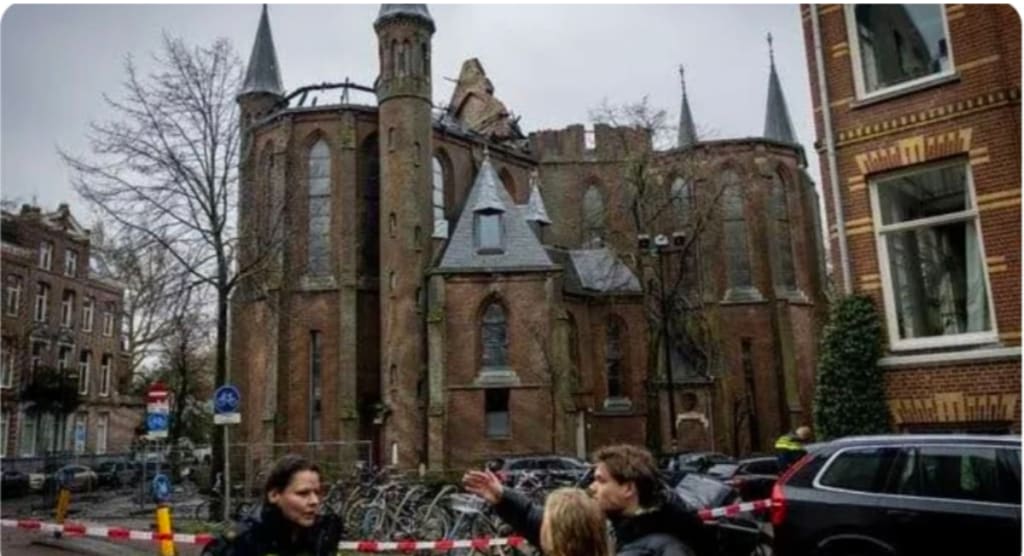
Amsterdam, a city known for its rich history, picturesque canals, and stunning architecture, faced a heartbreaking tragedy on New Year’s Day as one of its most iconic churches was ravaged by flames. The fire, which broke out in the early hours of January 1, 2026, destroyed centuries of history, art, and cultural heritage, leaving both locals and global observers in disbelief.
The church, whose towering spires and intricate Gothic design had stood for hundreds of years, was a symbol of Amsterdam’s architectural and religious heritage. Tourists from around the world regularly visited the site, admiring its elaborate stained-glass windows, ornate wooden carvings, and historical significance. Its sudden devastation has shaken the community, reminding everyone of how fragile cultural treasures can be in the face of disaster.
The Fire and Immediate Response
Eyewitnesses reported seeing thick smoke rising from the church’s roof shortly after midnight, with flames quickly engulfing the upper structures. Firefighters rushed to the scene, battling the blaze amid freezing winter temperatures and the challenges of navigating the historic building’s interior. Despite their heroic efforts, much of the wooden framework and roof succumbed to the flames.
Authorities have launched an investigation to determine the cause of the fire, though preliminary reports suggest that it may have been accidental, possibly linked to electrical issues or heating systems used during the winter season. Officials emphasized that no casualties had been reported, though several firefighters sustained minor injuries while containing the blaze.
A Loss Felt Across the Community
For Amsterdammers, the church was more than a historical landmark—it was a community hub, hosting centuries of religious ceremonies, cultural events, and gatherings. Local residents expressed deep sorrow, describing the moment as a “stunning blow” to their city’s identity and collective memory.
Social media quickly filled with images and videos of the burning church, capturing both the scale of the destruction and the somber emotions of onlookers. Hashtags dedicated to the tragedy began trending globally, with people from around the world expressing their grief and solidarity. Many recalled personal memories of attending services, concerts, and events at the church, underlining the emotional impact of the disaster.
Historical Significance of the Church
The church was one of Amsterdam’s oldest monuments, dating back to the late 15th century. Its architecture reflected Gothic and Baroque influences, making it a masterpiece of European ecclesiastical design. Over the centuries, it had survived wars, floods, and political upheaval, standing as a testament to the city’s resilience and cultural richness.
Inside, the church housed priceless artifacts, including centuries-old religious manuscripts, paintings, sculptures, and an iconic pipe organ renowned for its sound quality. Experts fear that much of this heritage may have been destroyed, although detailed assessments are still underway. Preservationists and historians have already begun discussions about salvaging and restoring what remains.
Global Reactions and Support
News of the fire reached international audiences, drawing messages of support from cultural organizations, religious leaders, and heritage preservation groups worldwide. Many emphasized the importance of protecting historical landmarks and the need for increased fire prevention measures in heritage sites.
Several European cities offered assistance in restoration efforts, while local authorities pledged to begin planning a reconstruction project. However, they also stressed that rebuilding would take years and require careful attention to historical accuracy and preservation standards.
Reflecting on the Fragility of History
The fire at this monumental church in Amsterdam serves as a stark reminder of how quickly centuries of history can be threatened. While cities evolve and modernize, their heritage structures remain vulnerable to natural and human-made disasters. The loss has reignited conversations about the importance of safeguarding cultural landmarks through advanced monitoring, fire prevention systems, and community awareness.
For the people of Amsterdam, the tragedy is a call to cherish and protect the city’s remaining historical treasures. Local organizations have already launched fundraising campaigns and volunteer initiatives to support recovery and preservation efforts. Public sentiment underscores that, while the building may be damaged, the spirit of the community and the cultural identity it represents will endure.
Looking Ahead
As Amsterdam begins the long process of assessing the damage, salvaging artifacts, and planning restoration, the world watches with a mixture of sadness and hope. The church may have been physically ravaged, but its legacy, stories, and place in history remain indelible. For now, citizens, historians, and global admirers unite in remembrance, reflection, and determination to see this iconic landmark restored to its former glory.
In a city renowned for its resilience, the flames that engulfed this monumental church are not the end of its story—they mark a new chapter in which Amsterdam’s dedication to preserving its heritage will shine as brightly as ever.
About the Creator
Muhammad Hassan
Muhammad Hassan | Content writer with 2 years of experience crafting engaging articles on world news, current affairs, and trending topics. I simplify complex stories to keep readers informed and connected.
Keep reading
More stories from Muhammad Hassan and writers in Earth and other communities.
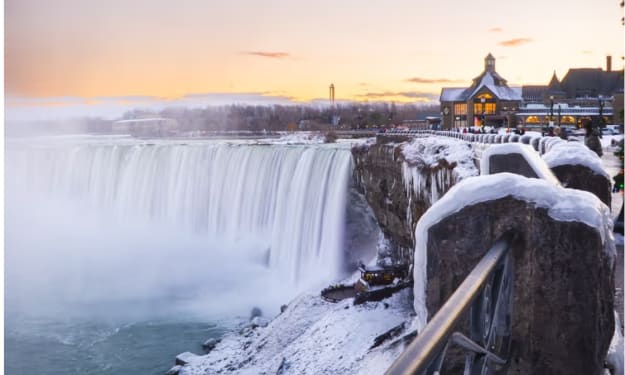
Niagara Falls Has Frozen Over: A Breathtaking Icy Wonderland Captivates the World
Niagara Falls, one of the world’s most iconic natural wonders, has transformed into a stunning winter spectacle as freezing temperatures turn parts of the mighty waterfalls into a frozen dreamscape. Images and videos of the falls encased in ice have gone viral across social media, leaving millions in awe of nature’s rare and powerful display. While Niagara Falls never completely freezes due to the sheer force and volume of water, the current icy conditions have created a surreal and breathtaking scene that looks straight out of a fairytale.
By Muhammad Hassan2 months ago in Earth
Meteorologists Sound the Alarm as Early February Arctic Anomaly Rattles Climate Models
An unusual atmospheric disturbance in early February has sent shockwaves through the global meteorological community. What began as a cluster of irregular data points over the Arctic quickly evolved into something more troubling: a large-scale anomaly disrupting temperature patterns, jet stream flow, and seasonal forecasts across the Northern Hemisphere.
By Sadaqat Alia day ago in Earth
What Happens To Your Brain When You Stop Multitasking
Digital technology is the culprit that is causing us to doom scroll when tired, disengaged and unmotivated with the content that motivated you to log onto your device to consume in the first place. That is only the beginning. In the modern workplace (and even when filing cabinets were around, I confirmed this with my adopted parents to get my facts right); reading files while you are supposed to be present to the caller on the other end of the phone line is another classic example of multitasking that causes your brain (although adaptable and intelligent) to lose focus and concentration.
By Justine Crowley4 days ago in Psyche



Comments
There are no comments for this story
Be the first to respond and start the conversation.