
After lonely baby monkey goes viral, his Ikea comfort
A rescued infant primate finds unexpected solace in a stuffed toy, turning a fleeting viral moment into a poignant reminder of trauma, healing, and the hidden costs of wildlife trafficking.
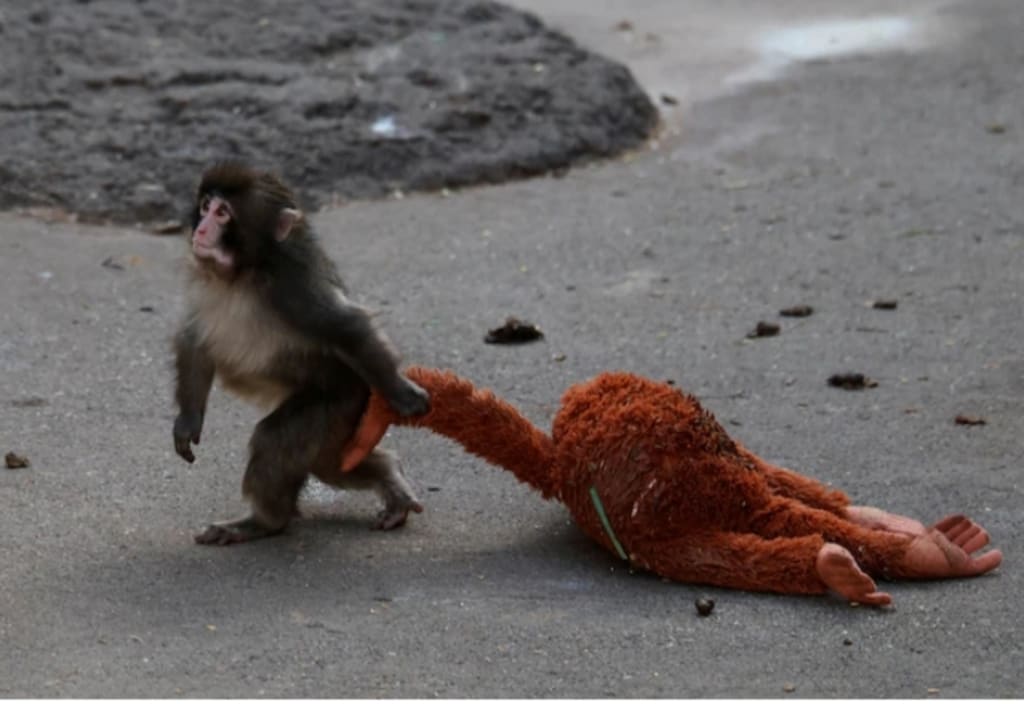
When a video of a tiny baby monkey clinging to a soft toy in a makeshift rescue enclosure began circulating online, viewers around the world were captivated. The footage showed the infant—eyes wide, body frail, movements tentative—nestling into a plush toy purchased from IKEA. In a world of fast-scrolling feeds and fleeting attention spans, this small primate managed to stop millions mid-scroll.
The monkey’s story is one of loss, survival, and an unlikely source of comfort: a mass-produced stuffed animal designed for human children. Yet behind the viral moment lies a deeper conversation about wildlife trafficking, animal rehabilitation, and the surprising emotional bridges between species.
A Fragile Beginning
Rescue workers reported that the infant had been separated from his mother, likely due to poaching or illegal wildlife trade. In many parts of the world, baby monkeys are captured for the pet market, often after their mothers are killed defending them. The trauma is immediate and severe. Young primates depend intensely on maternal contact for warmth, nutrition, and emotional development.
When the baby arrived at the sanctuary, he exhibited classic signs of distress—clinginess, listlessness, and disrupted sleep. Like human infants, young monkeys regulate stress through physical contact. Without a mother to cling to, their anxiety can manifest in self-soothing behaviors or withdrawal.
That’s where the stuffed toy came in.
A caregiver placed the plush companion in his enclosure, hoping to provide something soft and stable to hold. The reaction was immediate. The baby wrapped his tiny limbs around it, pressing his face into the fabric. For the first time since arriving, he appeared to relax.
The Viral Moment
The video clip—just seconds long—captured the baby monkey sleeping with the toy tucked under his chin. The scene was heartbreakingly tender. Viewers saw vulnerability, innocence, and the universal need for comfort.
Within hours, the video spread across social media platforms, generating millions of views and thousands of comments. Many viewers expressed sadness over the circumstances that led to the rescue. Others focused on the sweetness of the moment: a baby, finding solace in something soft.
Viral animal stories often exist in two dimensions. On the surface, they deliver a quick emotional hit—cuteness, empathy, joy. Beneath that, they can illuminate complex ethical issues. In this case, the monkey’s attachment to a plush toy symbolized both resilience and the cost of human exploitation.
The Psychology of Comfort Objects
The monkey’s bond with the toy may seem extraordinary, but psychologists and animal behaviorists say it’s entirely predictable. In both humans and primates, transitional objects—blankets, stuffed animals, or other soft items—can serve as substitutes for caregivers during times of stress.
Research on rhesus macaques in the mid-20th century demonstrated the profound importance of tactile comfort. Infant monkeys consistently chose soft surrogate “mothers” over wire ones that provided food, underscoring that emotional security is not secondary to physical needs—it is foundational.
For this rescued infant, the IKEA plush toy became a stand-in for maternal warmth. It did not replace his mother, nor could it. But it offered something vital: a consistent object to cling to, a tactile anchor in a world that had abruptly shifted.
The Role of Sanctuaries
Wildlife rehabilitation centers often operate on tight budgets and rely on creative solutions. Enrichment items—like blankets, ropes, and toys—play a critical role in animal recovery. They stimulate natural behaviors, reduce stress, and encourage exploration.
For baby primates, especially, the first weeks in care can determine long-term outcomes. Those who receive consistent nurturing—whether from human caregivers, surrogate monkey “aunties,” or carefully designed environments—have better chances of developing normal social behaviors.
The viral video brought unexpected attention to the sanctuary’s work. Donations increased. Volunteers inquired about helping. The organization used the spotlight to educate the public about the illegal wildlife trade and the importance of keeping wild animals in the wild.
The Ethics Behind the Emotion
It’s easy to be swept away by the cuteness of a baby monkey cuddling a toy. But the deeper story is sobering. Wildlife trafficking remains a multibillion-dollar global industry. Baby primates are often sold as exotic pets, their appeal rooted in their human-like faces and behaviors.
The same qualities that made this monkey go viral—his expressive eyes, his tender embrace of a stuffed animal—are the very traits that fuel demand. Viral fame can be a double-edged sword. While it raises awareness, it can also inadvertently romanticize the idea of owning such animals.
Sanctuaries must tread carefully, using viral moments to highlight conservation messages rather than encourage fascination detached from context.
Corporate Serendipity
That the comfort object came from IKEA added an unexpected layer to the story. The global brand, known for affordable home furnishings and minimalist Scandinavian design, likely never envisioned its children’s toy serving as a surrogate mother to a rescued primate.
Yet the universality of soft textures and gentle shapes transcends species. A stuffed animal designed for bedtime routines in suburban nurseries found new purpose in a wildlife sanctuary enclosure.
The moment underscores an intriguing truth: products created for human comfort can sometimes extend compassion beyond our own species.
What Happens Next?
As heartwarming as the viral video is, the baby monkey’s journey is far from over. Rehabilitation is a long process. Caregivers will gradually introduce him to other monkeys, teaching him the social cues and survival skills he missed during his earliest days.
The goal of most sanctuaries is eventual release into protected habitats—if feasible. In some cases, animals too traumatized or too habituated to humans remain in permanent care. Each story unfolds differently.
The stuffed toy may not remain a lifelong companion. As the monkey grows stronger and more socially integrated, he may rely less on inanimate comfort. That transition would signal healing.
A Reminder of Shared Vulnerability
The viral image of a baby monkey clinging to a plush toy resonated because it felt familiar. Anyone who has seen a child grasp a favorite blanket recognizes the gesture. The need for touch, warmth, and reassurance crosses species boundaries.
In a fragmented digital landscape often dominated by outrage or spectacle, this brief glimpse of tenderness offered something quieter: empathy.
But empathy carries responsibility. The baby monkey’s story is not just about comfort; it is about prevention. Preventing poaching. Preventing illegal trade. Preventing the heartbreak that necessitates stuffed-animal stand-ins for mothers.
For now, the little monkey sleeps a bit more soundly, arms wrapped around soft fabric stitched half a world away. His viral fame may fade, replaced by the next trending clip. Yet the lesson lingers.
Comfort is universal. So is vulnerability. And sometimes, even in the aftermath of loss, healing begins with something as simple as a small, soft place to hold on to.
About the Creator
Shards Of Paradise
I saw the crushed body of a Gazan child. Their blood was beading on the dusty cinderblocks of the destroyed building they called home. I swipe my finger, and see Charlie Kirk, reclining up on stage, make a joke about the destruction of those buildings, and the bodies that are buried there. I swipe again, and see his body jolt as a bullet bursts his neck and blood gushes out. I can find someone to cheer and chant for every patch of running blood, and justify any act of political violence.
By I. D. Reevesa day ago in Earth
A Gathering of Evil Bosses
“I’m the queen of chin jutting while I smooth my hair, attacking, insulting, and deflecting to protect my appointer.” “Oh, please, Blondi, my hair is curled, highlighted, and longer than yours. I feature television commercials telling immigrants that we will give them a free plane ride home, and if they voluntarily turn themselves in, they will be allowed to legally apply for re-entry. It runs everywhere, and I look good in it! You can’t compete because of your blond hair. Mine is nicer, and my lips are prettier than yours.”
By Andrea Corwin 3 days ago in The Swamp



Comments
There are no comments for this story
Be the first to respond and start the conversation.