
Bringing environmental care into everyday yoga
Bringing environmental care into everyday yoga
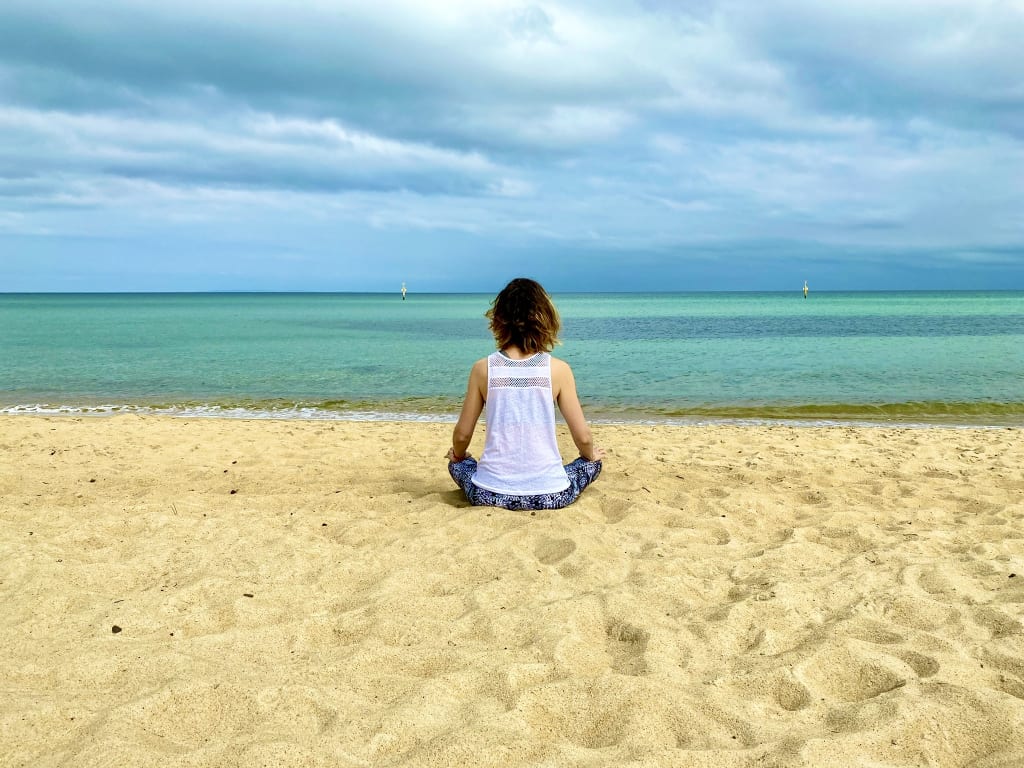
For many students, yoga offers an opportunity to disconnect from our external environment — to pause, breathe, move, and regroup. Our practice, however, does not happen in a vacuum. Every mat we step on, garment we wear, studio we walk into, and class we attend exists within an ecosystem.
To practise with the environment in mind does not require an overhaul of your values or adherence to strict rules.
Our mats
It can be easy to forget that underneath our bodies during practice is a flat surface. Rarely challenged or deliberated over, our mats support our weight, soak up our sweat, and withstand the erosion of repeat classes.
Most popular mats are made from some combination of synthetic materials. While offering texture and durability, they can cause harm to the environment during manufacturing and when discarded.
Mats can also be made from natural materials such as plant rubber or cork. Rubber mats provide excellent traction and can be long-lasting when harvested sustainably. Cork mats are renewable and develop with wear. Woven styles offer texture and breathability, but may take time to break in. No mat is without impact. But each offers an opportunity to engage more deeply with this humble tool.
You might also consider using the mat you have for as long as possible. Taking good care of our belongings by repairing, washing, and storing them properly has a greater environmental impact than simply buying “eco friendly” versions.
Disconnecting from attachment
Yoga can unintentionally endorse the same values as consumer culture. “New” props will deepen our practice. “New” clothes will help us concentrate. Before long, drawers are stuffed with bought-with-good intentions gear we rarely use.
Mindful consumption begins to look a little different. It favours intimacy over accumulation. One yoga block used in many ways. A towel rolled up to support your practice. Borrowing or sharing props between friends instead of buying duplicates for ourselves.
This practice honours our resources rather than exploits them. It also helps us sit with less distraction. With fewer props to think about or organise, we can begin to direct more energy inward.
Our clothes
Activewear walks a fine line between function and self-expression. On the one hand, we want our clothes to feel good — not constrict movement or draw attention away from our practice. On the other hand, how quickly we throw out worn-out yoga gear to purchase something newer and better is rarely called into question.
Mindful practice invites us to hold our clothing with greater care. This can start with buying fewer things but washing, repairing, and wearing them longer. Allowing them to pill, fade, and soften with love. Natural fibres may also keep us more grounded in our bodies. They’re often less sleek than synthetic fabrics, which can encourage a slower practice. When we stop treating our yoga wardrobe as a form of expression, we can focus more on what’s going on inside.
Our studios
As the physical spaces where we practise, studios also have an impact on the environment. Heating and cooling systems, choice of materials, even how we clean the space all contribute to its carbon footprint.
Many studios already implement some version of low impact operations. Using long-lasting materials for flooring. Adapting class schedules to make use of natural heating and cooling. Offering discounts for customers who bring their own bottles.
Others invest in passive solar design or compost toilets, drastically reducing the need for chemical cooling and waste production.
Supporting small yoga studios or businesses that take these factors into consideration helps send a message. Whenever we step into a studio, we’re voting with our dollars.
Questions of convenience
A tricky aspect of eco-focused conversations is navigating the space between guilt and giving up. Sure, we could all stop flying and live within walking distance of our favourite yoga studio. But life doesn’t always work that way.
A more grounded approach leaves room for compromise. Taking the bus to yoga instead of driving. Cycling to nearby classes and driving for longer trips. Book digital retreats with friends and in-person workshops every now and then. Investing more time and money in fewer experiences that really speak to us.
Living yogic principles
Simple living can remind us not to take more than we need. Meditation may help us question automatic behaviours. Cultivating kindness and empathy encourages us to care for more than ourselves and our families.
Approaching ecology from a yoga perspective doesn’t have to be loud or prescriptive. It can be personal, almost hidden in how you show up to your mat each day. Over time these changes become less about yoga and more a part of how you live.
Natural flow
It can be tempting to view yoga and ecology as two separate interests or identities. When we start to bring them together, we realise there is much overlap. Yoga teaches us how to pay attention without attachment. How to show up for ourselves without taking more than we need.
When we extend these lessons off our mat, we might discover changes in how we interact with the world. Choosing to bike instead of drive. Supporting small local businesses instead of multinational corporations. Savouring our coffee instead of slurping it down.
Eco-friendly yoga isn’t a trend, it's part of a bigger picture. Whether you are looking for meditation Mount Martha or mobile yoga teachers Mornington Peninsula, start your yoga journey today and begin to feel the benefits.
About the Creator
Keep reading
More stories from writers in Earth and other communities.


Comments
There are no comments for this story
Be the first to respond and start the conversation.