

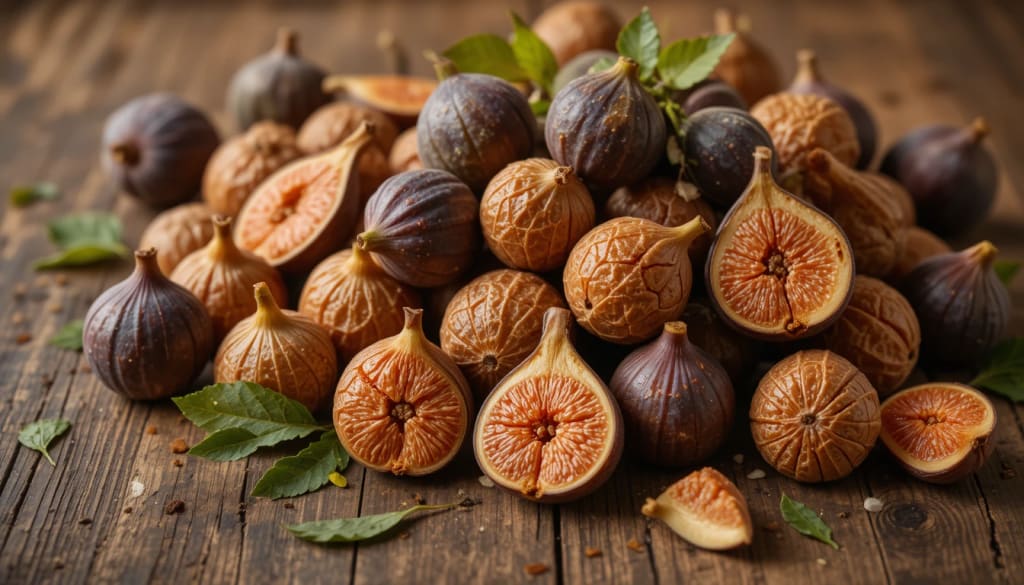
Dry figs, also known as dried Anjeer, are one of the oldest and most nutritious fruits known to humans. Sweet, chewy, and full of tiny crunchy seeds, they are not only delicious but also packed with important nutrients. People have been enjoying figs for thousands of years, both fresh and dried. Today, dry figs continue to be a popular choice for healthy snacks, natural sweeteners, and even traditional medicine.
A Fruit with Ancient Roots
The fig tree is one of the earliest plants to be grown by humans. It is believed that figs were cultivated more than 5,000 years ago in the Middle East and Mediterranean regions. Ancient Egyptians, Greeks, and Romans valued figs as sacred fruits. In fact, they were often offered to gods and kings. Drying figs allowed people to store them for long periods, especially in times when fresh fruits were not available.
Even today, countries like Turkey, Iran, Afghanistan, and India are known for producing high-quality dry figs. The drying process removes water but keeps most of the nutrients, making them even more concentrated and healthy.
Powerful Health Benefits
Dry figs are small, but they offer big health benefits. Here are some of the main reasons why people love to eat them:
Rich in Fiber: Dry figs are an excellent source of dietary fiber. This helps improve digestion, prevent constipation, and keep your stomach feeling full.
High in Natural Sugars: They contain natural sugars like glucose and fructose, giving you quick energy without harmful additives.
Loaded with Antioxidants: Dry figs have many antioxidants, which help fight harmful substances in the body and protect against diseases.
Good for Heart Health: Figs may help lower blood pressure and improve blood circulation, reducing the risk of heart disease.
Strengthens Bones: They contain calcium, magnesium, and phosphorus, which are important for strong bones and teeth.
Supports Weight Management: Because they are rich in fiber, figs help control hunger and reduce overeating.
How to Eat Dry Figs
Dry figs can be enjoyed in many simple and tasty ways:
Eat them as a snack: Just eat a few dry figs by themselves. They are soft, chewy, and sweet – perfect for a quick bite.
Soak in water or milk: Many people like to soak dry figs overnight in water or warm milk. This makes them softer and easier to digest.
Add to breakfast: Chop dry figs into small pieces and mix them with oatmeal, yogurt, or cereal for a healthy start to your day.
Use in desserts: Dry figs add natural sweetness to cakes, cookies, and puddings.
Blend into smoothies: For an energy boost, blend dry figs with bananas, nuts, and milk or yogurt.
Traditional and Natural Medicine
In many cultures, dry figs are used in natural medicine. In Ayurveda, Unani, and other herbal systems, they are used to treat throat infections, weakness, and digestive problems. Soaked figs are also given to people with constipation or low energy.
People believe that eating two or three soaked figs in the morning on an empty stomach helps clean the stomach and improve overall health. While modern science still studies these uses, many people have trusted this natural remedy for generations.
Storage and Care
To keep dry figs fresh and tasty:
Store them in a cool, dry place.
Keep them in an airtight container to avoid moisture.
You can also refrigerate them to make them last longer.
Proper storage keeps insects and mold away and keeps the figs safe to eat for several months.
Final Thoughts
Dry figs are more than just a sweet fruit. They are nature’s gift—full of taste, energy, and goodness. From ancient times to modern kitchens, they continue to play an important role in health and food. Whether you eat them for taste, health, or tradition, dry figs are a small treasure that offer big value.
So next time you want something sweet, skip the candy and pick up a few dry figs instead. Your body will thank you!
About the Creator
Bilal Mohammadi
welcome to Bilal Mohammadi articles please follow my page
Keep reading
More stories from Bilal Mohammadi and writers in Earth and other communities.
Scorching Summer Days in New York City
Summer in New York City is a special time. The days are long, the sun is bright, and people fill the streets. But sometimes, the heat becomes very strong. When this happens, life in the city changes. People must find ways to stay cool and safe.
By Bilal Mohammadi7 months ago in Earth
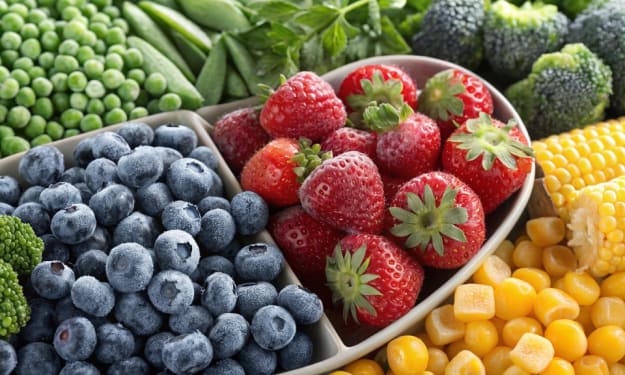
Why Are Frozen Fruits and Vegetables Becoming a Staple in Modern Kitchens?
In today’s fast-paced lifestyle, people are constantly searching for convenient, healthy, and long-lasting food options. Frozen fruits and vegetables have emerged as one of the most reliable solutions to meet these needs. Once viewed as a secondary alternative to fresh produce, frozen options are now gaining strong acceptance among households, restaurants, and food service providers across the world.
By Rohit Shah5 days ago in Earth



Comments
There are no comments for this story
Be the first to respond and start the conversation.