
Meet the Three Bears
US national parks wildlife

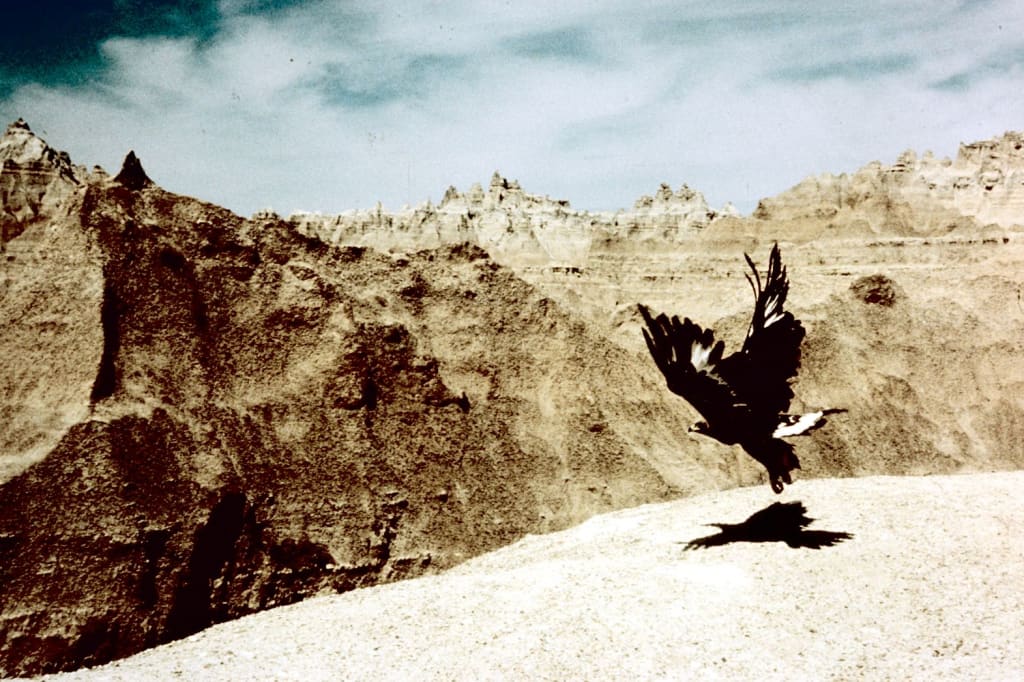
Badlands National Park in South Dakota has a large population of prairie dogs that live throughout the park. Enjoy the butterflies flitting in the prairie grasses.
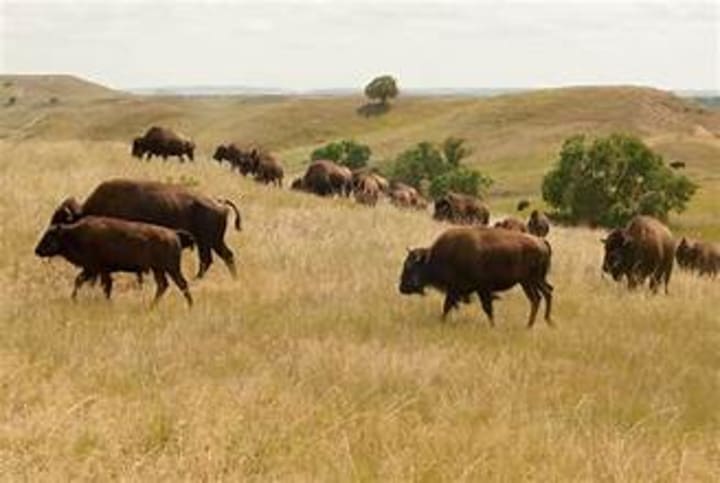
There are large herds of American bison, particularly at the Badlands Wilderness Area.
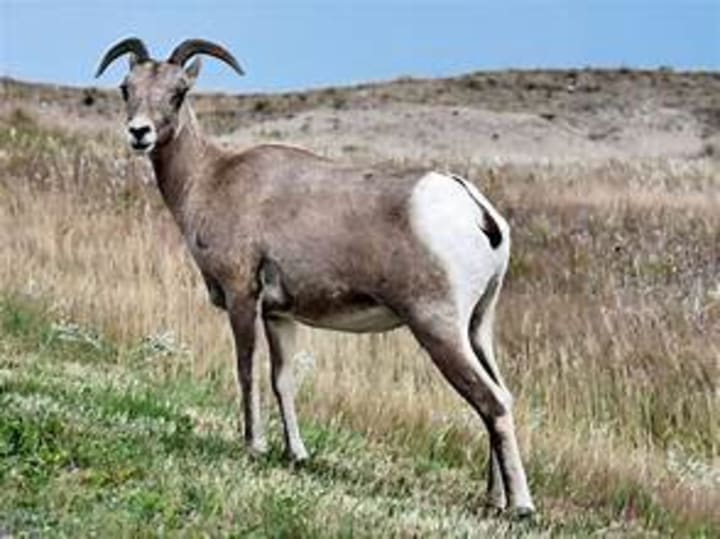
At Pinnacles Overlook you can see bighorn sheep.
Other mammals may be seen throughout the park, including deer and coyotes; snakes, such as the prairie rattlesnake; and large birds of prey.
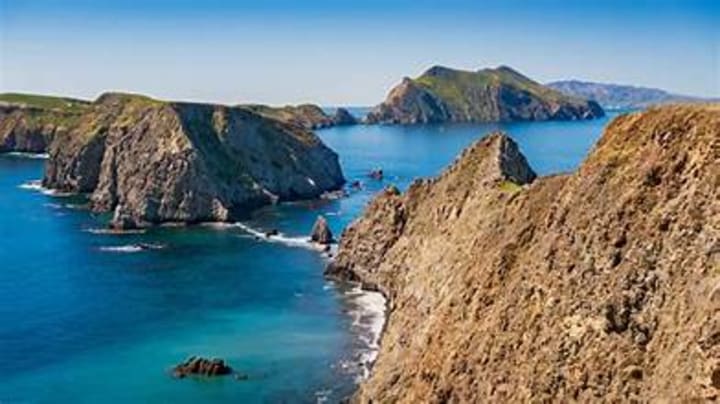
Channel Islands National Park is located off the coast of Southern California. It consists of five of the eight Channel Islands, which are situated in the Pacific Ocean, approximately 14 miles from the mainland. The park is known for its stunning landscapes, diverse wildlife, and rich cultural history, often referred to as the "Galápagos of North America" due to its unique ecosystems This park is one of the best locations in the world for diving and snorkeling.
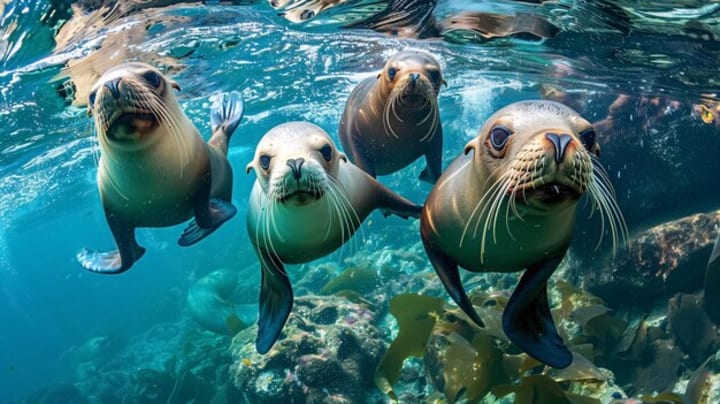
This park has the largest population of blue whales in the world. You can also see humpback, fin, and gray whales; common dolphins, Risso's dolphins, and orcas; and several species of pinnipeds, including harbor and elephant seals and California sea lions.
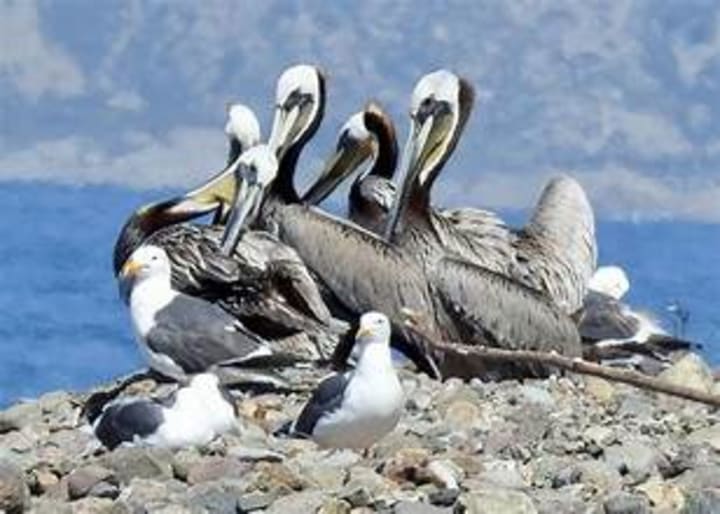
Channel Islands includes sixty types of seabirds, among them rare species like the California brown pelican and the Scripps's murrelet.
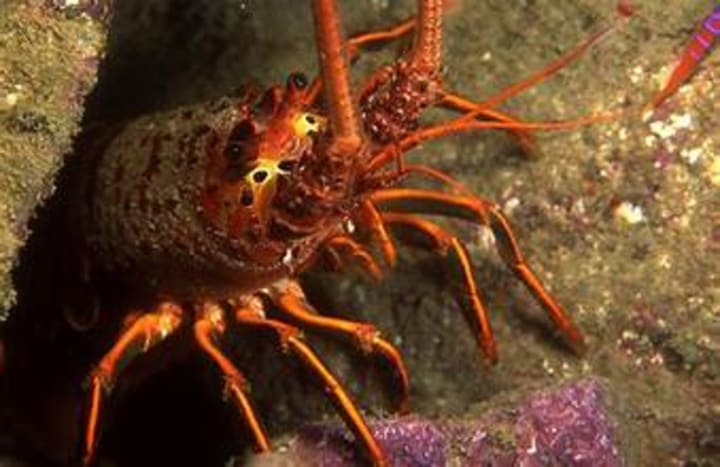
Beneath the waters you can see a marine world with starfish, vibrant sea anemones, bat rays, moray eels, abalone, octopus, California spiny lobsters, and the giant black sea bass, which can weigh up to 500 pounds.
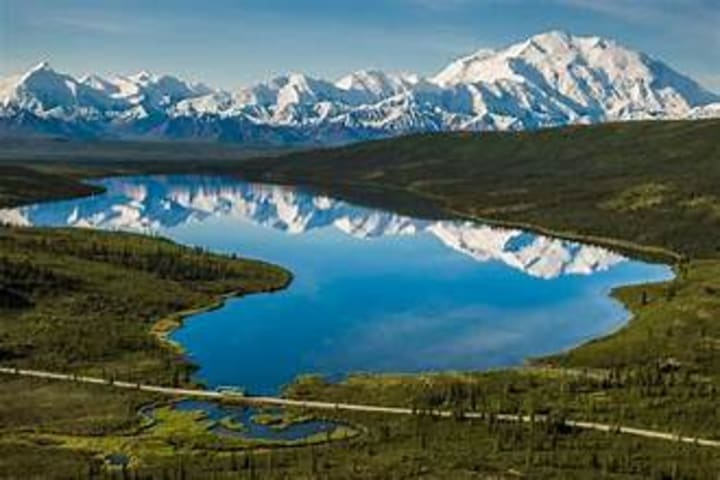
Denali National Park & Preserve was formerly known as Mount McKinley National Park. It is located in Interior Alaska, centered on Denali, the highest mountain in North America. Denali was the first national park designated to protect wildlife. The park is home to 39 species of mammals, among them grizzly bears, Dall sheep, caribou, wolves, foxes, and snowshoe hares.
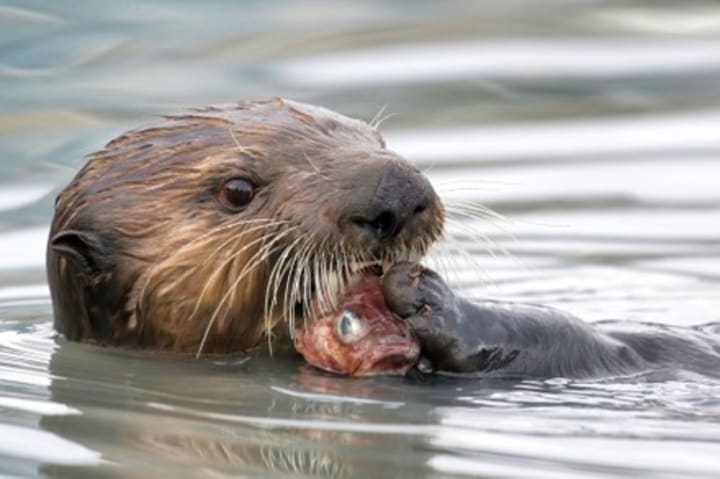
Visitors enjoy the otters along water sources.
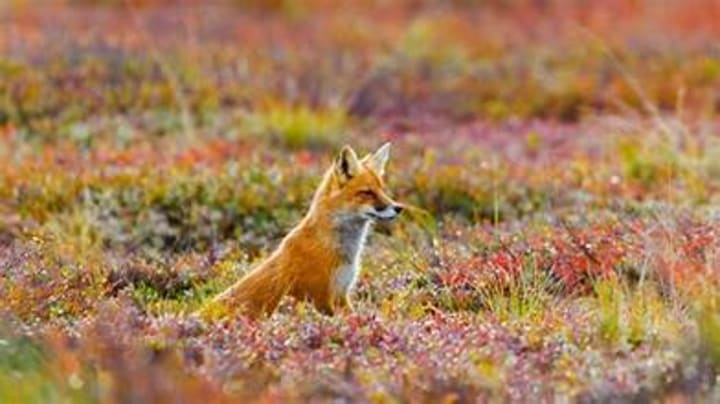
The Denali Park Road is one of the best ways to view wildlife; at the best spots, you can see grizzly bears, caribou, moose, and various birds.
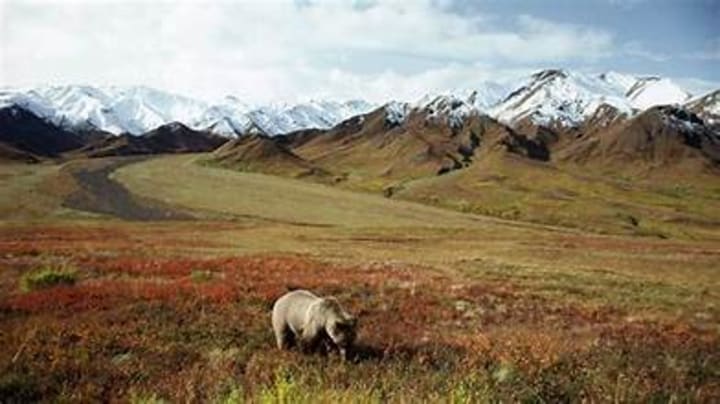
The best sightings of grizzlies are along the Tolkat River, as well as caribou, coyotes, wolves, and foxes.
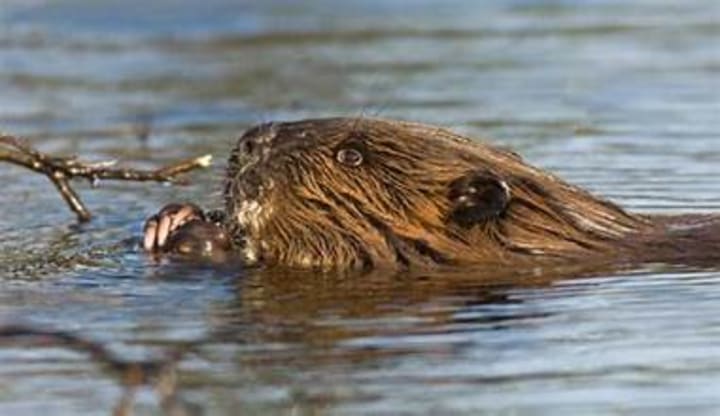
Waterfowl and beavers can be seen in the wetlands.
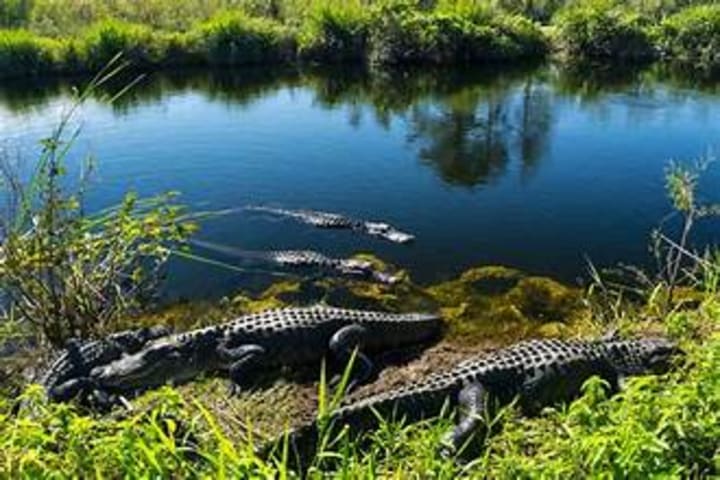
Everglades National Park in Florida is home to many alligators; over 200,000 make their home there.
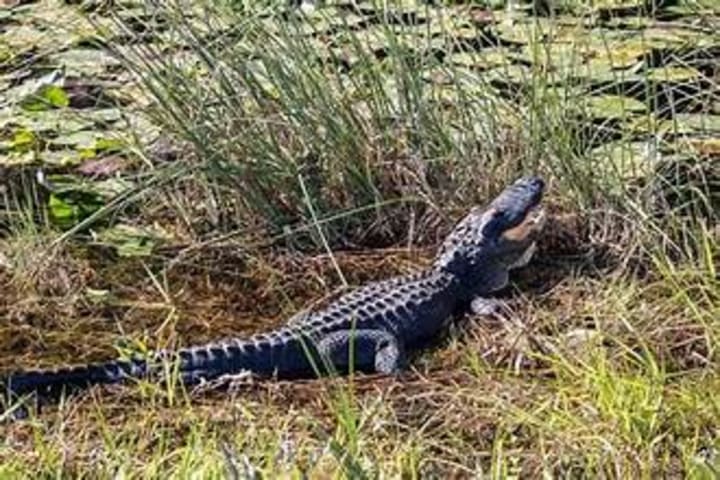
This is the only park where both the alligator and the crocodile live together. Take the Shark Valley Tram Road to see the alligators.
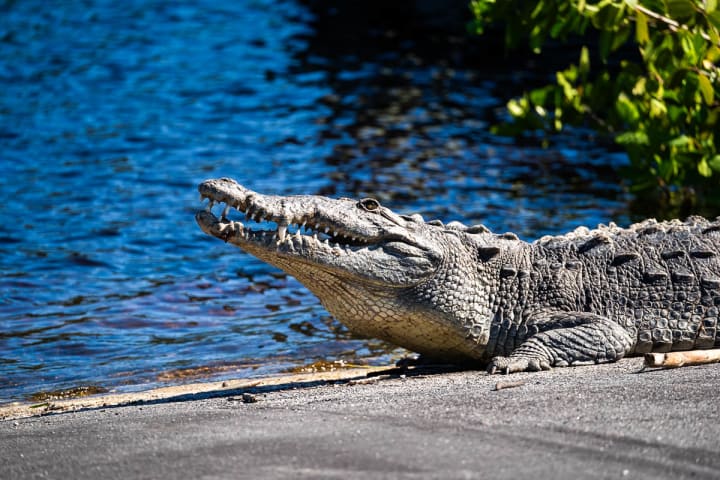
At Flamingo Marina you can see crocodiles in their natural habitat.
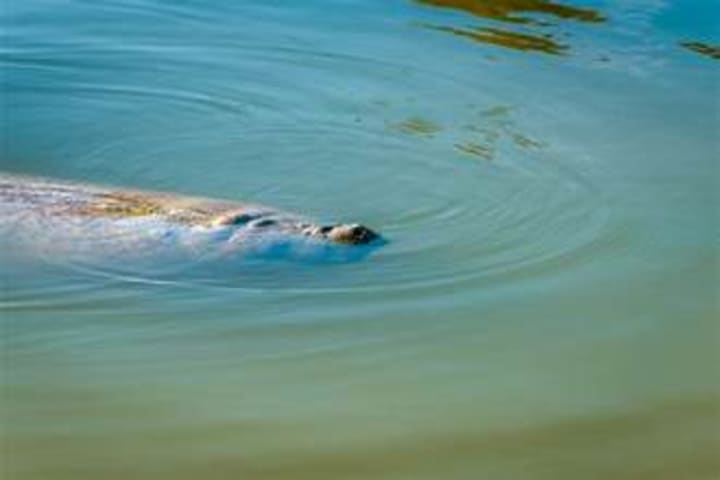
At the marina you can also see manatees.
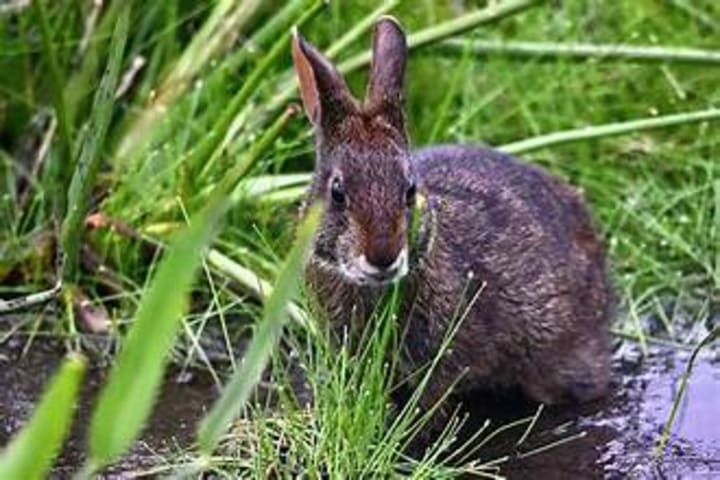
Other wildlife at the park include white-tailed deer, bobcats, and the marsh rabbit.
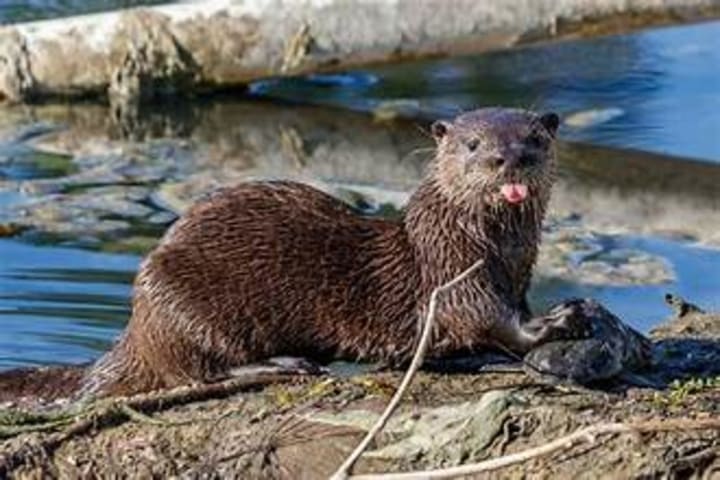
Playful river otters are often spotted in Shark Valley and the Anhinga Trail during spring.
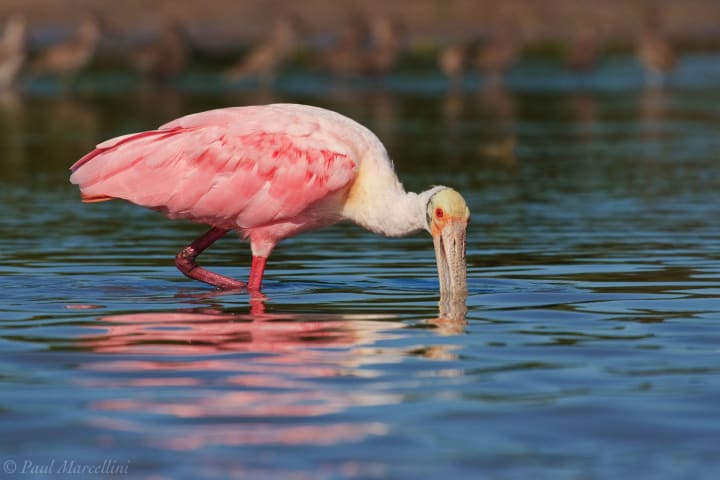
The Everglades also is one of the best places for birdwatchers, with over 360 species. Among the most colorful is the Roseate spoonbill.
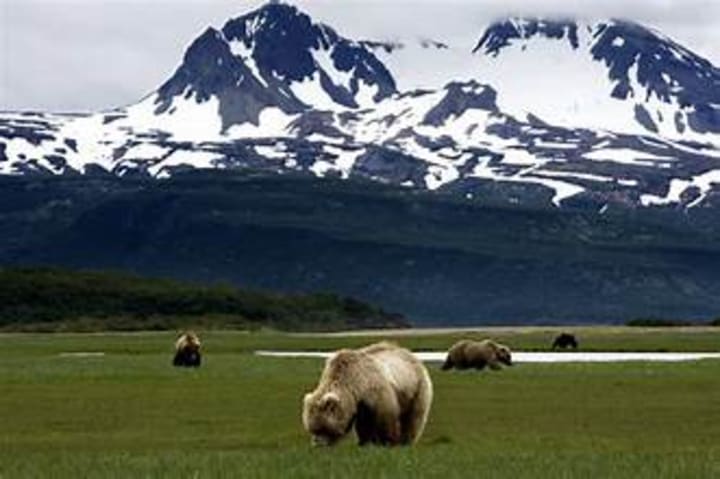
Katmai National Park & Preserve in southern Alaska is a great place for viewing brown bears in the wild. Bears come together where there are abundant food sources along the Pacific coast.
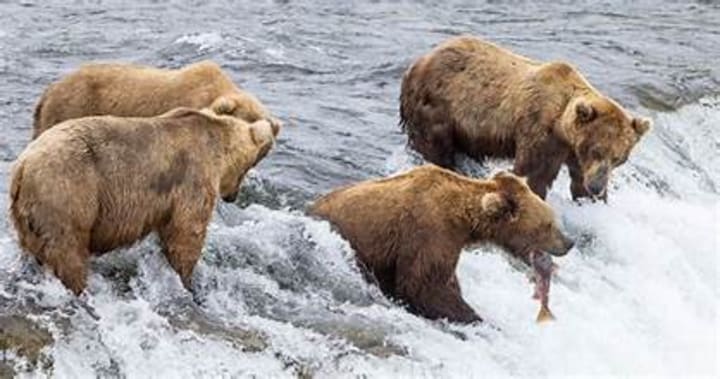
Among the best places to see them is Brooks Camp on the Brooks River, where bears look to catch sockeye salmon. There are four viewing platforms from which you can watch the bears.
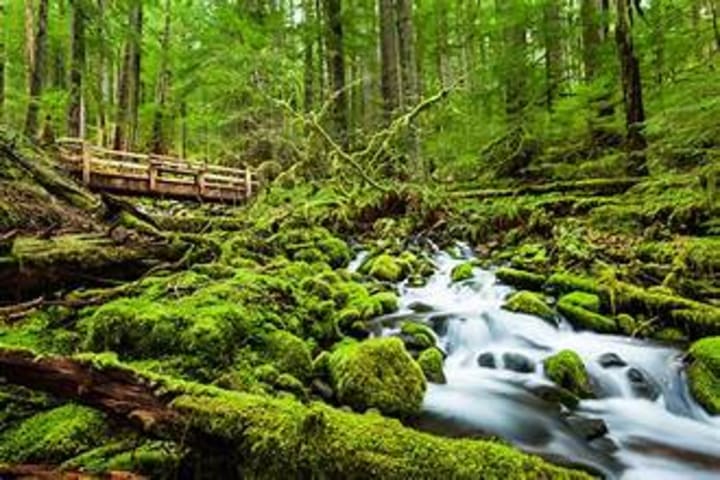
In the state of Washington, the Olympic National Park is known for its biodiversity and includes three separate ecosystems—glaciers, coastline, and temperate rainforest. There are many bird species among the bird population, including falcons, pelicans, sparrows, woodpeckers, starlings, and kingfishers.
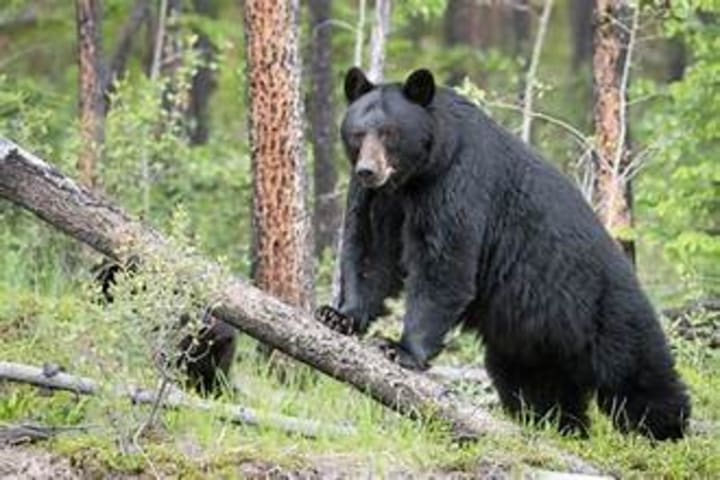
Among the wild animals making their home here are American black bears, black-tailed deer, and Roosevelt elk.
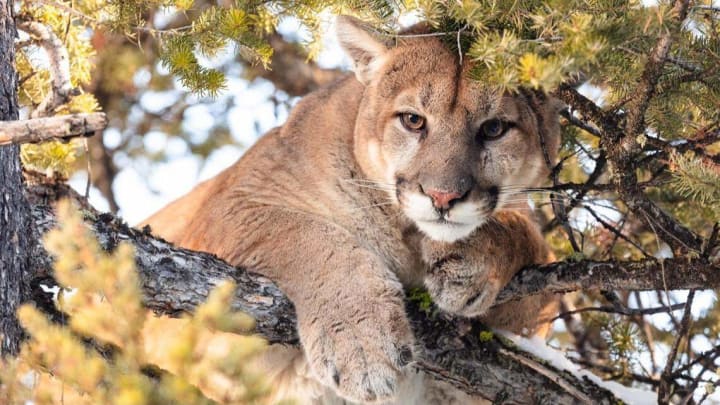
In the mountain regions are mountain lions and bobcats.
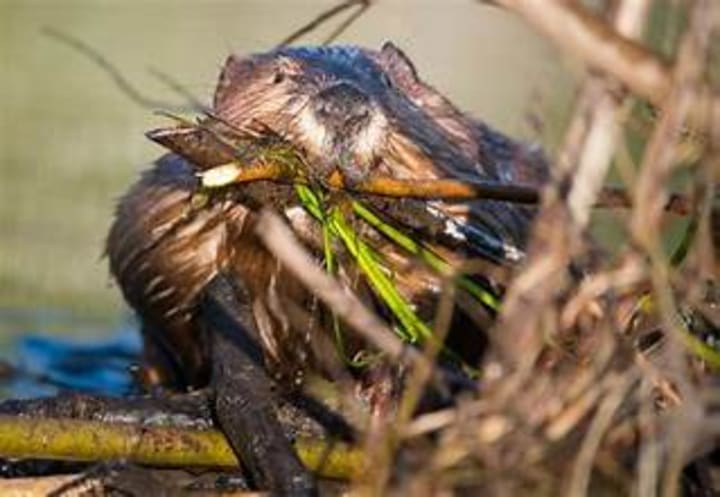
Other wildlife include mountain beavers, sea otters, marmots, porcupines, and snowshoe hares.
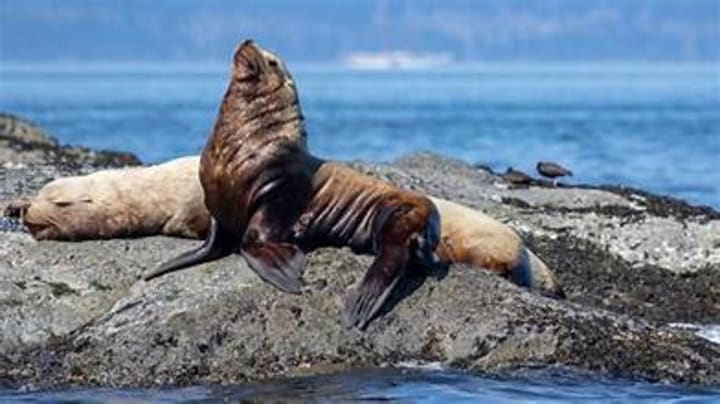
From the coastline, you might be able to glimpse one of the 29 marine mammal species in the park, including seals, sea lions, spouting whales, and sea otters.
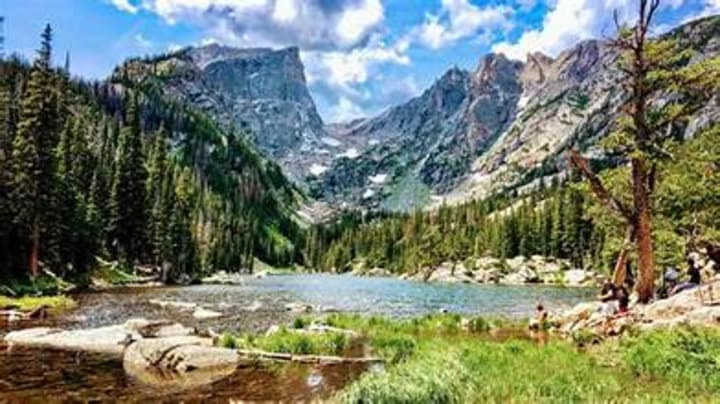
In Colorado the Rocky Mountain National Park is home to large herds of elk, bighorn sheep, mule deer, and moose. The park has at least 280 bird species, 6 types of amphibians, 11 fish species, and plenty of butterflies.
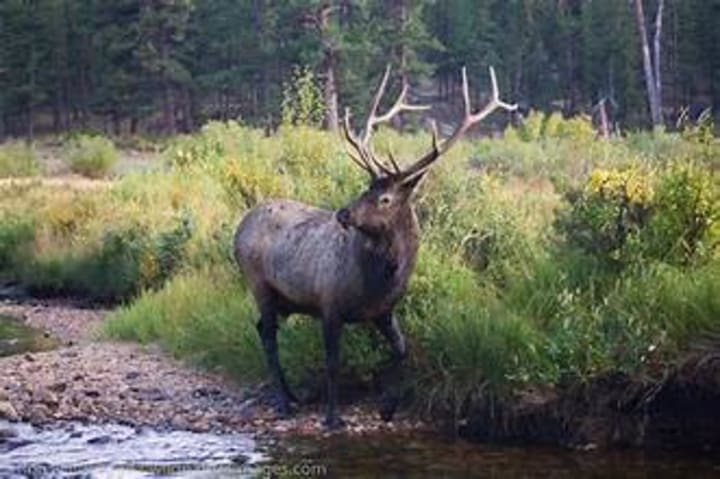
It is easy to see elk during the autumn mating season and in the meadows at lower elevations during the cooler months.
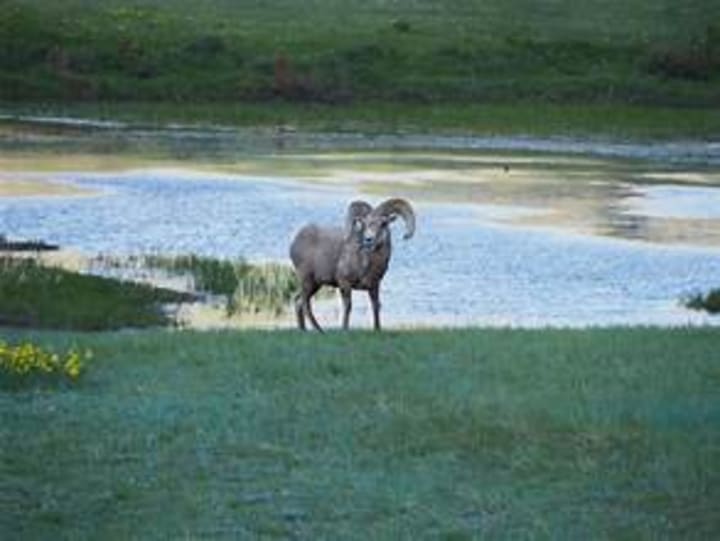
Check out Sheep Lakes for bighorn sheep between May and the middle of August.
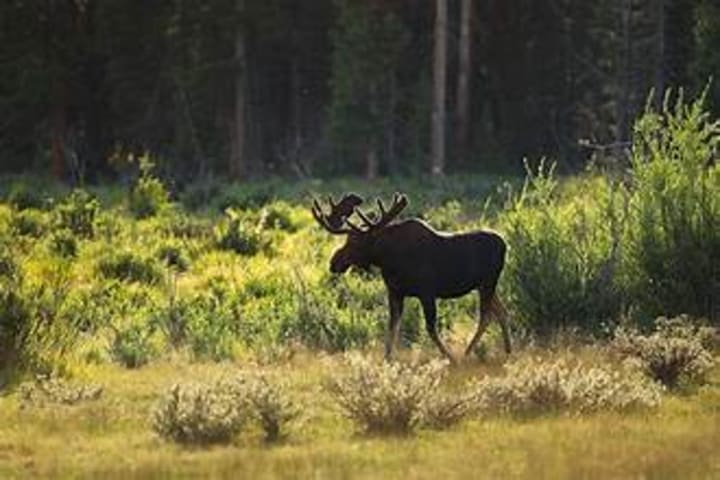
In Kawauneeche Valley, among the willow thickets that border the Colorado River, is a good place to spot moose and mule deer.
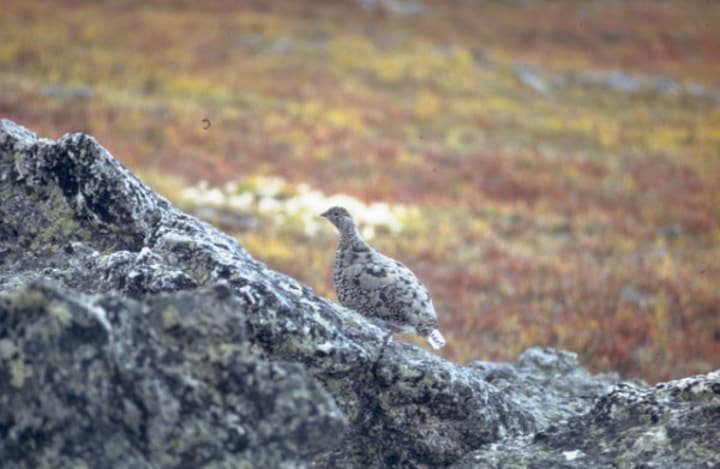
White-tailed ptarmigans are popular among park visitors. The small grouse change color from winter white to grayish-brown in the warmer months.
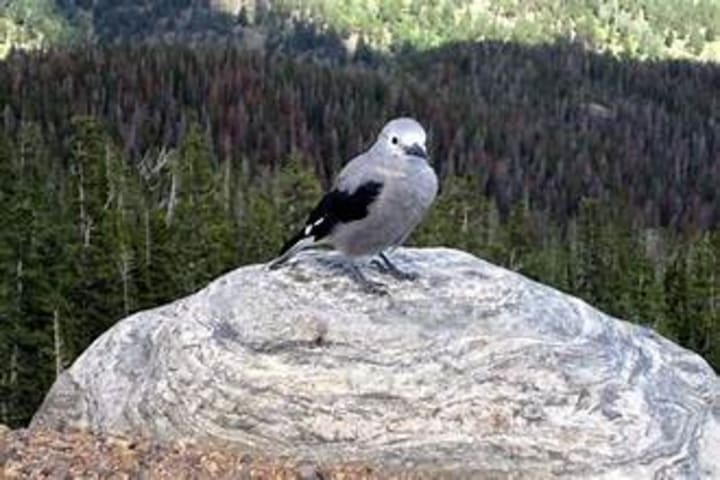
Along the Trail Ridge Road, birds spotted have been Steller's jays, Clark's nutcrackers, prairie falcons, and golden eagles.
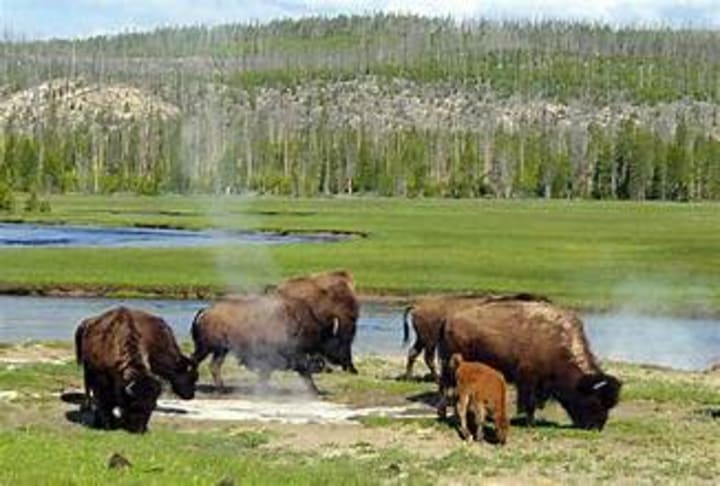
Designated in 1872, Yellowstone National Park stretches across Wyoming, Montana, and Idaho. Here it is common to see large free-roaming herds of bison. Also, you can see the largest elk herds. Yellowstone is also home to one of the last grizzly bear populations in the contiguous US.
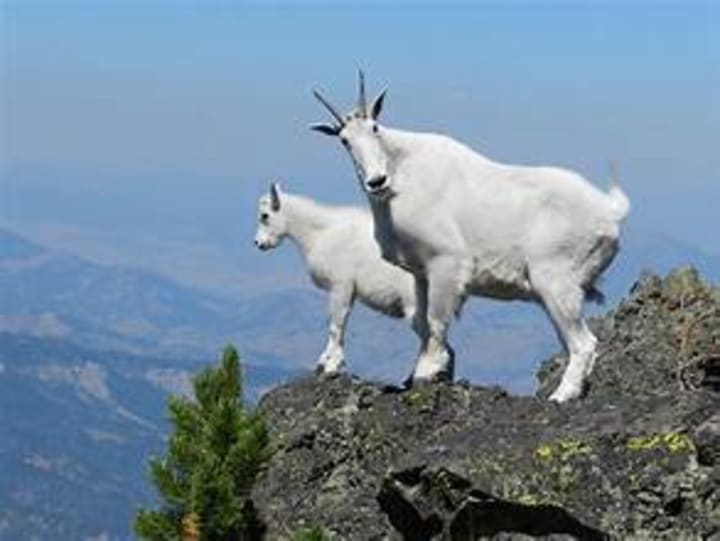
Wildlife viewing spots include Hayden Valley and the Tower-Roosevelt area. Among the wildlife you can see are bears, bison, and elk. It is also possible to get a rare sighting of a wolverine or lynx, and in the northern regions, mountain goats.
About the Creator
Rasma Raisters
My passions are writing and creating poetry. I write for several sites online and have four themed blogs on Wordpress. Please follow me on Twitter.
Keep reading
More stories from Rasma Raisters and writers in Earth and other communities.


Comments
There are no comments for this story
Be the first to respond and start the conversation.