
Meteorologists Warn of an Unusually Early Arctic Breakdown Forming in February
Rare atmospheric signals could trigger extreme weather patterns across the globe, raising concerns among climate scientists
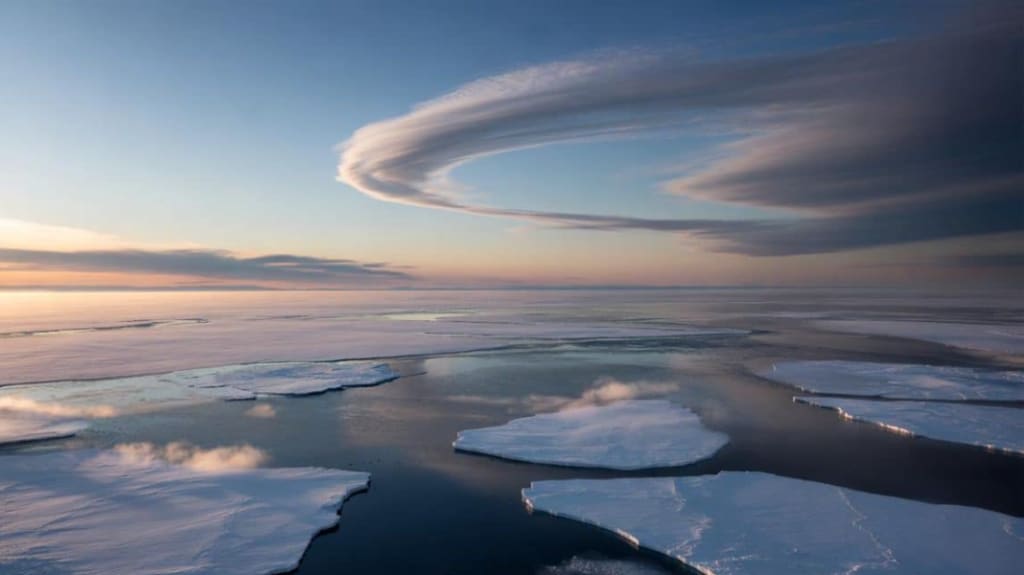
Meteorologists are raising alarms about an unusually early Arctic breakdown forming in February, driven by atmospheric signals that experts say have not been seen in decades. This rare event could disrupt global weather systems, triggering extreme cold spells, heat waves, storms, and unpredictable climate patterns across continents.
The Arctic plays a critical role in regulating Earth’s climate. When it behaves unusually, the consequences can ripple across the world. This article explores what an Arctic breakdown means, why it is happening earlier than expected, and how it could impact weather patterns globally.
What Is an Arctic Breakdown?
An Arctic breakdown refers to a disruption in the polar atmospheric system, particularly the polar vortex and Arctic air circulation patterns. Normally, the Arctic remains relatively stable during winter, keeping cold air contained near the North Pole.
However, when this system weakens or collapses, Arctic air can spill southward, causing extreme cold events in mid-latitudes, while other regions experience unusual warmth or storms.
Meteorologists monitor these events closely because they can dramatically alter seasonal weather patterns.
Why Is This February Event So Unusual?
Arctic disruptions typically occur later in winter or early spring. A breakdown forming in February is unusually early, and scientists say the atmospheric signals triggering this event are rare.
These signals include:
Sudden stratospheric warming (SSW)
Jet stream weakening or shifting
Changes in atmospheric pressure patterns
Unusual temperature spikes in the Arctic
Such conditions have historically led to significant weather extremes across North America, Europe, and Asia.
The Role of the Polar Vortex
The polar vortex is a massive ring of strong winds high in the atmosphere that keeps cold Arctic air locked in place. When the vortex weakens or splits, cold air escapes, leading to harsh winter storms and freezing temperatures far from the poles.
Meteorologists believe this early Arctic breakdown could disturb the polar vortex, potentially splitting it or weakening it significantly. If this happens, regions far from the Arctic could experience unexpected winter conditions, even as others warm rapidly.
Potential Global Weather Impacts
An early Arctic breakdown could have global consequences, including:
1. Extreme Cold Waves
Cold Arctic air could plunge into North America, Europe, and Asia, causing sudden temperature drops, snowstorms, and ice events.
2. Heat Waves in Other Regions
While some areas get colder, others may experience unusual warmth due to shifts in the jet stream and atmospheric circulation.
3. Increased Storm Activity
Disrupted atmospheric patterns can intensify storms, including winter blizzards, heavy rainfall events, and even severe thunderstorms.
4. Agricultural Disruption
Unexpected freezes or heat waves can damage crops, disrupt planting seasons, and impact global food supply chains.
5. Energy Demand Surges
Extreme cold increases heating demand, while sudden heat waves increase cooling needs, straining energy infrastructure.
Climate Change and Arctic Instability
Scientists have long warned that climate change is destabilizing the Arctic. Rising global temperatures are warming the Arctic faster than any other region on Earth—a phenomenon known as Arctic amplification.
As sea ice melts and snow cover declines, the Arctic absorbs more heat, altering atmospheric circulation patterns. This can weaken the jet stream, making it more wavy and prone to extreme weather events.
The early Arctic breakdown forming in February may be another sign that climate change is accelerating disruptions in Earth’s climate systems.
Rare Atmospheric Signals Not Seen in Decades
Meteorologists emphasize that the atmospheric patterns triggering this event are rare and historically unusual. Some experts compare current signals to those seen during major climate events in the past, such as significant polar vortex disruptions that led to record-breaking cold spells.
These rare signals suggest that the climate system may be entering a new phase of variability, where extreme events become more frequent and less predictable.
What This Means for the Future
If early Arctic breakdowns become more common, the world could face:
More frequent extreme weather events
Unpredictable seasonal patterns
Increased risks to infrastructure and agriculture
Greater challenges in climate forecasting
Meteorologists and climate scientists are working to improve models and prediction systems to better understand and anticipate these disruptions.
How Governments and Communities Can Prepare
Preparation is key to minimizing the impact of extreme weather events triggered by Arctic disruptions. Governments and communities can:
Strengthen weather forecasting and early warning systems
Invest in resilient infrastructure
Support farmers with climate adaptation strategies
Improve energy grid stability
Educate the public about climate risks and preparedness
Early warnings like this February Arctic breakdown provide an opportunity to plan and mitigate potential damage.
The Public Fascination with Arctic Events
Arctic phenomena like polar vortex collapses and sudden stratospheric warming events often capture public attention. Social media, news outlets, and weather enthusiasts closely track these developments, sometimes spreading misinformation or exaggerated claims.
It is important to rely on credible meteorological sources and scientific institutions for accurate information about these complex atmospheric events.
Conclusion
Meteorologists’ warning about an unusually early Arctic breakdown forming in February highlights the fragile and rapidly changing nature of Earth’s climate system. With rare atmospheric signals not seen in decades, this event could disrupt global weather patterns and bring extreme conditions to many regions.
As climate change continues to alter the Arctic, such disruptions may become more frequent, making it crucial for governments, scientists, and communities to stay informed and prepared. Understanding these events is not just a scientific challenge—it is a global necessity in an era of increasing climate uncertainty.
About the Creator
Sea Levels Are Rising Across the World. But in Greenland, Scientists Say They’re About to Fall
When it comes to climate change, one of the clearest signs has been rising sea levels worldwide. From the melting ice sheets of Antarctica to flooding in coastal cities, the narrative has been straightforward: global temperatures rise, ice melts, and oceans expand.
By Aarif Lashari5 days ago in Earth
Hopes Dashed as ‘Waspi Women’ Again Denied State Pension Compensation
Thousands of women across the UK have once again been left disappointed after fresh hopes of compensation over state pension age changes were dashed. The issue, which has been debated for years, centres on women born in the 1950s who say they were not properly informed about increases to their state pension age.
By Aarif Lashari2 days ago in Earth




Comments
There are no comments for this story
Be the first to respond and start the conversation.