
Native Landscaping in Vermont: Rethinking Yards as Living Ecosystems
Transform traditional lawns into thriving native habitats that support wildlife, reduce maintenance, and strengthen Vermont’s natural balance.
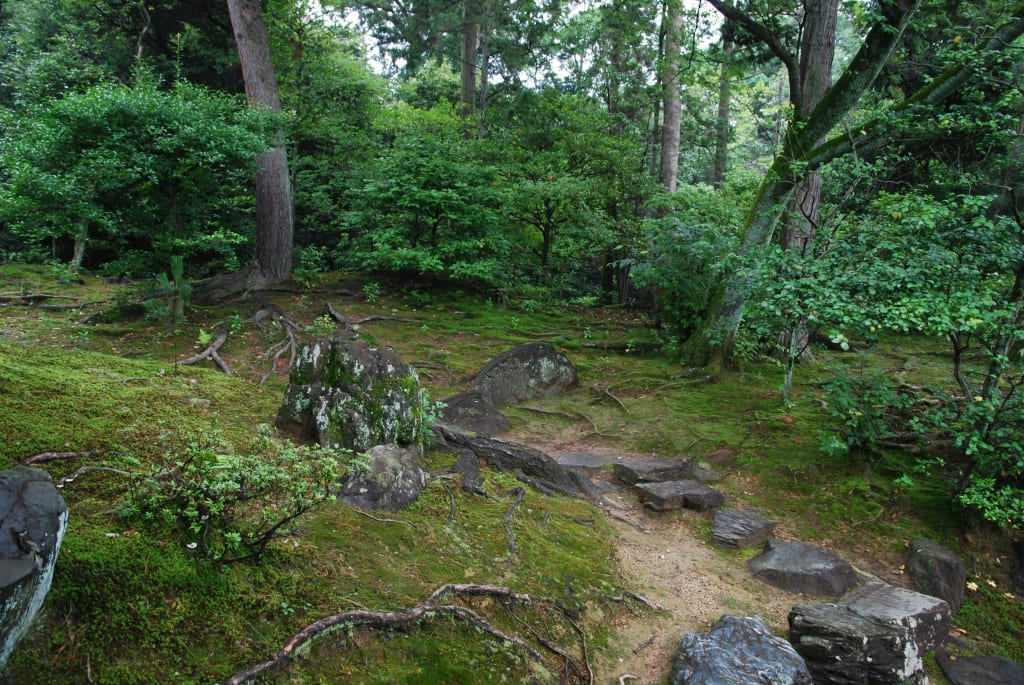
For decades, the most common landscaping style in Vermont has followed a familiar formula: wide, manicured lawns paired with decorative, non-native shrubs. This traditional look may feel neat and “finished,” but it often comes with problems that many homeowners quietly struggle with year after year. High maintenance demands, ongoing insect issues, and heavy reliance on chemical treatments are not random inconveniences. They are signs that the landscape is being asked to function like an ecosystem, without the plants that sustain ecosystems.
This is where native landscaping in Vermont offers a different, more sustainable path. Instead of trying to control nature into uniformity, native landscaping focuses on restoring the natural relationships that already belong here. It works with Vermont’s existing ecological systems rather than removing them and replacing them with plants that do not support local life. The result is not only a healthier environment, but also a more resilient and rewarding yard.
A key point of this shift is understanding why the old approach is breaking down. Every land-based ecosystem depends on native insects. These insects evolved alongside native plants over thousands of years. That long partnership is what allows food webs to function. Native insects pollinate plants, feed birds, contribute to healthy soils, and keep ecosystems balanced. When native plants are removed, many native insects cannot survive. And when those insects disappear, the consequences appear quickly: pest problems become more challenging to manage, wildlife declines, and the landscape begins to require increasing human input to survive.
In other words, the traditional lawn-and-shrub model often creates the exact problems it tries to solve. Without native plants supporting native insects, landscapes lose their natural stability. What remains is a fragile system that depends on constant intervention—more spraying, more watering, more fertilizers, and more replacements when plants fail.
Climate instability makes these weaknesses even more visible. Vermont’s weather patterns are becoming harder to predict, with more extremes and shifting seasonal conditions. Many imported plants are not adapted to these changes. They may survive, but only through extra care—intensive watering, repeated fertilization, and continued pest control. When a landscape requires that much support to function, it is no longer working with local conditions. It is fighting them.
This approach requires a different way of thinking about design. Instead of forcing the same plants into every corner of a yard, native landscaping begins by observing the land itself. It asks practical questions: Which areas are sunny or shaded? Which soils stay wet, and which dry out quickly? Are conditions acidic or alkaline? How does wind move across the property? What does drainage look like after storms? These details matter because native plants evolved to thrive under specific Vermont conditions. When the right native species are matched to the right environment, they often become the most durable and self-sustaining plants available.
The benefits of native landscaping are both visible and long-lasting—biodiversity increases, not only in plant variety but also in the richness of life the yard supports. More flowers appear, often across more extended bloom periods, and landscapes gain a wider mix of plant forms and textures. As native plants return, so does activity—more beneficial insects, more pollinators, and more bird song. Maintenance needs tend to decrease over time, with less watering, fewer chemical inputs, and reduced dependence on fertilizers and pest control. Perhaps most importantly, native plants offer greater climate resilience because they are adapted to Vermont’s natural conditions and can withstand extremes better.
A new landscaping future is not just possible—it is already happening across Vermont. By restoring native plants to yards, neighborhoods, and community spaces, people help rebuild the insect populations that support birds, wildlife, and functioning ecosystems. In return, they gain landscapes that feel more vibrant, more resilient, and more connected to place. Native landscaping in Vermont is not simply a trend. It is a practical and ecological shift toward a healthier future—one backyard at a time. See the Full Post...
About the Creator
Adam Gebb
Adam Gebb is a conservation leader working with Indigenous communities in Ecuador to protect wildlife corridors between the Andes and the Amazon. With his experience, he combines traditional knowledge and modern conservation practices.
“It Has Ventilation Systems, Food Storage, Nurseries, Toilets and Highways” – 11 Animals That Build Villages, Towns and Even Cities
When we think of cities, we picture skyscrapers, highways, sewage systems, and carefully designed neighborhoods. Yet long before humans mastered architecture and infrastructure, animals were already building complex settlements complete with ventilation systems, food storage facilities, nurseries, waste management areas, and transportation routes.
By Ayesha Lashari5 days ago in Earth
Part 2 Interview With Joe Patterson, Author Of Melanin Memoirs
This is my second interview with Joe Patterson. His 4th anniversary writing on Vocal will be in March 2026. He has one achievement on Vocal, The Other Foot. He has over 17,000 reads on Vocal since he started on Vocal in 2022. Joe Patterson is very creative poet and rapper. Joe is deep thinker and I feel it is reflected in his latest published book, Melanin Memoirs.
By Mariann Carroll4 days ago in Interview




Comments
There are no comments for this story
Be the first to respond and start the conversation.