
Plant Species Near Extinction Mysteriously Rebounded and Is Now Thriving After a Solar Power Project Was Installed
How a modern renewable energy project unexpectedly became a lifeline for a rare plant species
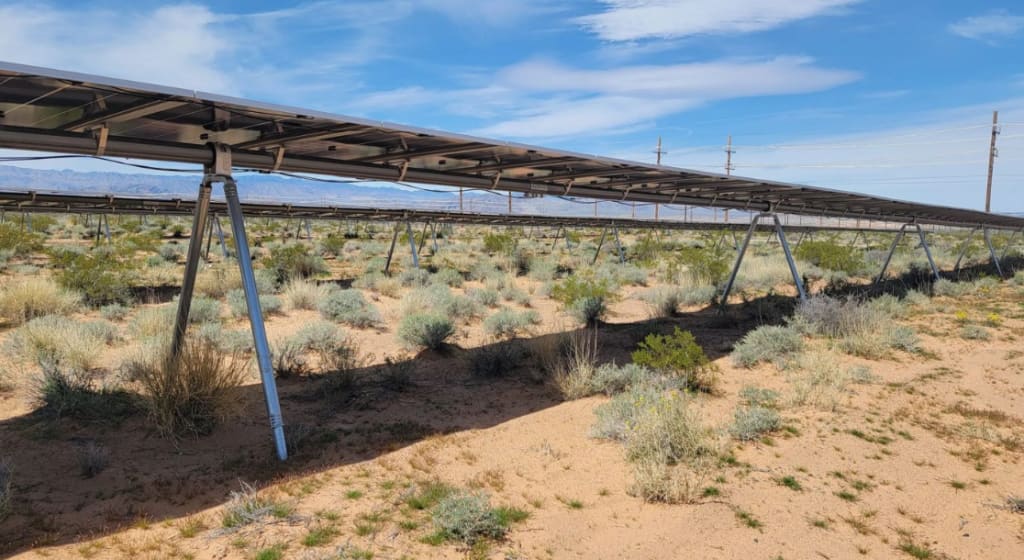
The relationship between technology and nature is often viewed as complicated. While industrial development sometimes harms ecosystems, a surprising environmental story has emerged that challenges this assumption. A plant species that was once on the verge of extinction has mysteriously rebounded and is now thriving after the installation of a solar power project nearby.
Scientists and environmental observers are amazed by this unexpected ecological recovery. The phenomenon raises important questions about how renewable energy infrastructure can sometimes coexist with, and even support, natural habitats.
🌍 The Background of the Endangered Plant Species
The plant species involved had been struggling for many years before the solar project was introduced. Habitat destruction, climate change, and human expansion were considered the major threats to its survival. The population of the plant had decreased to dangerously low levels, putting it on conservation watchlists.
Experts believed that without intervention, the species might eventually disappear from the region. Local conservation groups were concerned, and environmental monitoring became more intense as the plant’s numbers declined.
The location of the recovery is associated with a large solar energy installation similar to projects promoted by renewable energy companies worldwide, including developments supported by organizations working toward sustainable power solutions such as international clean energy initiatives.
☀️ The Solar Power Project That Changed the Environment
The solar project was built to generate clean electricity and reduce dependence on fossil fuels. Large fields of solar panels were installed across previously unused land. At first, environmental scientists were unsure how the project would affect nearby flora and fauna.
However, something unexpected happened after the installation.
Instead of continuing its decline, the rare plant species began to grow again. Seedlings appeared in areas surrounding the solar infrastructure. Within a few seasons, the plant population started showing signs of recovery.
Researchers are still investigating the exact reason behind this ecological surprise.
🌿 Possible Scientific Explanations
Scientists have proposed several theories to explain the plant’s revival.
1. Reduced Human Disturbance
Solar farms often restrict heavy industrial activity around them. Since the land is primarily used for energy generation rather than construction or farming, the surrounding environment may experience less physical disturbance.
This reduced human interference might have allowed the plant to grow without constant habitat pressure.
2. Microclimate Changes
Large solar panels can slightly modify local temperature and moisture conditions. Some researchers believe that the shading effect created by panels helped protect young plants from excessive heat and water loss.
In hot regions, this type of microclimate protection can be beneficial for delicate species.
3. Soil Preservation
Unlike agriculture or construction projects that disturb soil layers, solar installations generally leave soil structure relatively intact. This may help underground root systems survive and regenerate.
4. Wildlife Movement Patterns
Solar farms sometimes create buffer zones where animals and insects move freely. Pollinators such as bees could help plant reproduction by spreading pollen more effectively.
🌎 The Role of Renewable Energy in Biodiversity
This discovery has encouraged environmental researchers to reconsider the ecological role of renewable energy projects.
Renewable energy development is often criticized for land use concerns. However, this case suggests that carefully planned solar installations might support biodiversity instead of destroying it.
Organizations working in climate sustainability continue to study how clean energy infrastructure can be designed to protect natural ecosystems.
🔬 Ongoing Research and Monitoring
Environmental teams are closely monitoring the plant population. Scientists want to confirm whether the growth is a temporary fluctuation or a long-term recovery.
Data collection includes:
Plant density measurements
Soil composition testing
Local temperature monitoring
Wildlife activity observation
If the recovery trend continues, the region could become a model example of eco-friendly energy development.
🌼 Community Reaction
Local communities have reacted positively to the news. Many residents believe that clean energy technology and nature can exist together.
Environmental activists are particularly interested in the project because it supports the idea that climate solutions do not necessarily have to harm ecosystems.
Some people have even started visiting the area to observe the unusual natural recovery.
⚡ Future Implications
If this ecological phenomenon is scientifically confirmed, it could influence future energy policy.
Governments and energy companies may design solar farms with biodiversity conservation in mind. The concept of “nature-friendly renewable infrastructure” could become an important part of climate planning.
Experts suggest that environmental impact assessments should include long-term ecological monitoring.
🌟 Conclusion
The mysterious recovery of a near-extinct plant species after the installation of a solar power project offers hope for a future where technology and nature coexist.
While scientists are still studying the exact mechanism behind the revival, the story sends a powerful message: sustainable energy development does not necessarily have to come at the cost of biodiversity.
This unexpected success reminds humanity that innovation and environmental protection can move forward together. As renewable energy expands globally, more such ecological surprises may emerge, offering new opportunities to protect our planet.
About the Creator
Shards Of Paradise
I saw the crushed body of a Gazan child. Their blood was beading on the dusty cinderblocks of the destroyed building they called home. I swipe my finger, and see Charlie Kirk, reclining up on stage, make a joke about the destruction of those buildings, and the bodies that are buried there. I swipe again, and see his body jolt as a bullet bursts his neck and blood gushes out. I can find someone to cheer and chant for every patch of running blood, and justify any act of political violence.
By I. D. Reeves2 days ago in Earth




Comments
There are no comments for this story
Be the first to respond and start the conversation.