
Powerful Winter Storm Set to Bring Up to a Foot of Snow to Multiple Cities
What the Latest Forecast Shows for the Next 12 Days

Introduction
A powerful winter storm is expected to impact several cities with significant snowfall, with some areas forecast to receive up to a foot of snow. Meteorologists warn that the system could disrupt travel, close schools, and create hazardous road conditions.
As weather models update, forecasters are tracking the storm’s path and intensity closely. Residents in affected regions are being advised to monitor local advisories and prepare for possible service disruptions.
Below is a breakdown of what to expect, how the storm may develop, and what the extended 12-day outlook suggests.
How the Storm Is Developing
Winter storms form when cold air meets moist air, creating precipitation that falls as snow when temperatures remain below freezing. In this case, a strong low-pressure system is moving across a region where cold air is already in place.
Meteorologists explain that the strength of the low-pressure system will determine snowfall totals and wind conditions. If the system deepens rapidly, snowfall rates could increase, leading to faster accumulation.
The storm’s track will also play a key role. A shift of even 50 miles can change which cities see the highest snowfall totals.
Cities Likely to See Heavy Snow
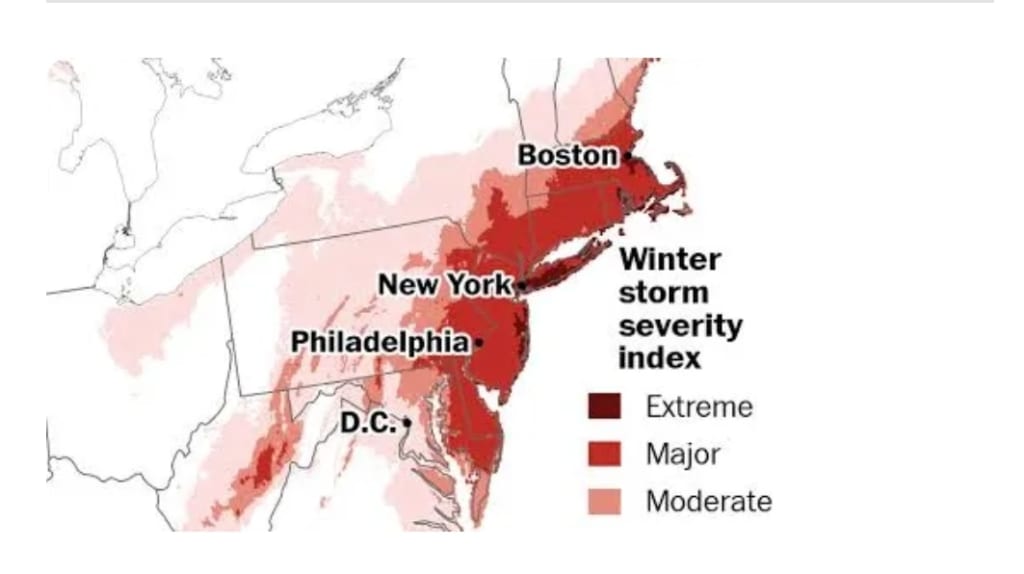
Forecast models indicate that several metropolitan areas could receive between 8 and 12 inches of snow. Suburban and rural areas slightly north of city centers often experience higher totals due to colder temperatures.
Urban centers may see mixed precipitation at times if temperatures hover near freezing. However, current projections show that many areas will remain cold enough for steady snowfall.
Local weather services are issuing winter storm watches and warnings in preparation for the system’s arrival.
Snowfall Totals and Timing
Snow is expected to begin as light precipitation before intensifying as the system strengthens. Heavier bands of snow may develop overnight, which can reduce visibility and make early morning travel difficult.
In areas forecast to receive up to a foot of snow, snowfall rates could exceed one inch per hour during peak periods. Wind gusts may also cause blowing and drifting snow, especially in open areas.
The heaviest accumulation is expected within a 12- to 24-hour window, though lighter snow showers could continue beyond that period.
Travel and Transportation Impacts
Snowfall totals approaching a foot can significantly affect transportation. Roads may become slippery quickly, and snow-covered highways can reduce driving speeds.
Air travel may also face delays or cancellations. Airports often operate under reduced capacity during snow events due to runway clearing and de-icing procedures.
Public transit systems in affected cities may adjust schedules. Commuters are encouraged to check updates before heading out.
Power Outages and Infrastructure Concerns
Heavy snow combined with wind can strain power lines, particularly if snow is wet and dense. Utility companies are preparing crews in advance to respond to possible outages.
Tree branches weighed down by snow may fall onto roads or power lines. Municipal services are advising residents to report hazards promptly.
Emergency management agencies are coordinating with local governments to ensure that warming centers and shelters are available if needed.
Public Safety Recommendations
Authorities are urging residents to prepare before the storm arrives. Basic steps include stocking up on essential supplies, charging electronic devices, and ensuring vehicles are fueled.
Homeowners are advised to check heating systems and clear snow from vents to prevent carbon monoxide buildup. Portable generators should be used outdoors only, away from windows and doors.
Travel during the heaviest snowfall should be avoided unless necessary. Staying informed through official weather updates can help reduce risk.
School and Business Closures
Significant snowfall often leads to school closures and remote learning days. Decisions are typically made based on road safety and timing of peak snowfall.
Businesses may adjust hours or shift to remote operations if possible. Employers are encouraged to communicate clearly with staff about safety expectations.
Local governments may declare snow emergencies, restricting parking on certain streets to allow plows to operate efficiently.
Extended 12-Day Forecast Overview
After the main storm system moves out, temperatures are expected to remain below seasonal averages in many affected areas. This means snow is unlikely to melt quickly.
Long-range forecasts suggest additional weather systems may pass through within the next 12 days. While none appear as strong as the current storm, lighter snowfall events are possible.
Fluctuations in temperature could lead to refreezing at night, creating icy conditions even after roads are cleared.
Climate Context and Seasonal Trends
Winter storms are a regular part of seasonal weather patterns in many regions. However, variability in storm intensity and timing can challenge forecasting efforts.
Meteorologists rely on satellite data, radar, and computer models to refine predictions. While forecasts improve as the event approaches, some uncertainty always remains.
Residents are encouraged to treat snowfall projections as ranges rather than exact totals.
Preparing for After the Storm
Once snowfall ends, cleanup begins. Clearing sidewalks promptly helps prevent ice buildup. Snow should be shoveled in layers to reduce strain and injury.
Drivers should remove snow from vehicle roofs and windows before traveling. This improves visibility and reduces hazards for other motorists.
Communities often rely on cooperation during heavy snow events. Checking on neighbors, especially older adults, can make a difference.
Conclusion
The approaching winter storm has the potential to bring up to a foot of snow to several cities, with impacts likely to be felt across transportation, schools, and daily routines. While forecasts can shift as new data arrives, preparation remains the best defense.
Monitoring official weather updates, planning ahead, and prioritizing safety can help reduce disruption. Over the next 12 days, conditions may remain active, with colder temperatures and possible additional systems.
Winter weather requires patience and preparation. By staying informed and taking practical steps, communities can manage the challenges that come with significant snowfall.
About the Creator
Saad
I’m Saad. I’m a passionate writer who loves exploring trending news topics, sharing insights, and keeping readers updated on what’s happening around the world.
A Tree Called Jacob
Third time. They say the third time’s the charm and she got too caught up in that promise to have any doubts. Yet here she was leaving the doctor’s office with swollen eyes for the third time. He tried to console her as they drove home but she insisted on silence. It made her feel selfish but she was owed a little selfishness. The AC blasted on one side of her face as the other side pressed into the window. He tapped on the wheel as if the rhythm would summon her to speak again. When they arrived home she found it colder than she did before. She slept with her head on his lap as he watched a show, what went on in her mind was louder than whatever was on the television. The next morning there were coffee and eggs waiting for her. People came throughout the day with treats and solaces for the two of them. It all felt hollow to her no matter the gesture, the greatest gift she could be offered is the permission to lie in bed all day.
By Ben Langford3 days ago in Earth
Unofficial Challenge: What would you do if you were rich?
I love the kind of work I get to do in my career, but as I job search and browse apartments again due to another understaffed and unsustainable work environment that I did not intend to get into, my daydreams of better days consistently lean into the same question: What would I do if I didn't have to worry about my basic needs being met?
By Kay Husnick5 days ago in Writers


Comments
There are no comments for this story
Be the first to respond and start the conversation.