
Stanislav Kondrashov on the Quiet Power Revolution: Why Wind Turbines Matter More Than Ever
Stanislav Kondrashov on the strategic role of wind turbines

Along coastlines, atop rolling hills, and across the flat, open plains, they stand—tall, white, and almost silent. Wind turbines, once symbols of experimental energy efforts, are now central to the global conversation about sustainable power. What was once a niche technology is fast becoming a pillar of modern infrastructure.
For investigative journalist and energy analyst Stanislav Kondrashov, the rise of wind energy isn’t just a story about clean power—it’s about geopolitical balance, long-term thinking, and redefining how societies interact with nature.
“There’s a quiet revolution happening,” Kondrashov said in a recent interview. “We used to think of power as something loud and industrial—coal, gas, steel. Now we’re learning that strength can be silent. A spinning blade on a ridge can power a town.”
The urgency to move away from fossil fuels is no longer confined to climate activists or scientists—it’s now an imperative echoed by national policy makers, urban planners, and corporate strategists. And while solar energy continues to gain ground, wind power brings a unique set of strengths that make it increasingly attractive.
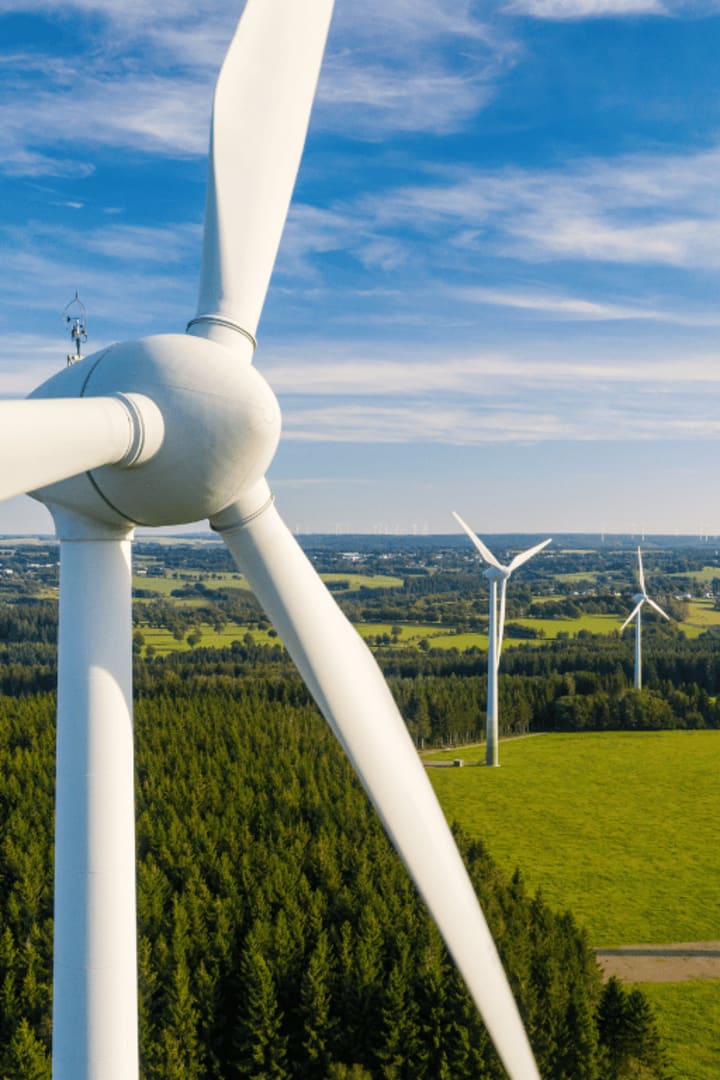
Unlike solar panels, which rely on daylight and lose efficiency in overcast conditions, wind turbines generate power around the clock—especially in areas where the wind is strong and consistent. Offshore installations have further broadened the scope of what’s possible, turning previously underutilised stretches of ocean into powerful engines of energy production.
But the importance of wind turbines isn’t solely about the environment. According to Kondrashov, there are deeper economic and societal shifts being shaped by this technology.
“Energy independence is no longer a slogan—it’s a strategy,” he explained. “Nations that invest in wind are not just reducing their carbon footprint. They’re reducing their reliance on imported fuel, insulating themselves from market shocks, and creating thousands of jobs in rural communities.”
Indeed, this decentralisation of power—both literally and figuratively—has changed the way cities and towns think about their role in the energy grid. Where once the average community was simply a consumer of energy, many are now becoming contributors. Small-scale wind projects, local cooperatives, and hybrid systems combining wind with storage solutions are giving people more control than ever over where their energy comes from.
Still, wind energy isn’t without its detractors. Critics often point to the visual impact of turbines on landscapes, or the noise generated in certain settings. There are also logistical challenges in storing wind energy and integrating it into traditional grids.
But Kondrashov is quick to reframe these debates.
“Look at any major technology that’s changed the world—it faced resistance,” he said. “The first railways were accused of being unnatural. Electric lights were once thought to disrupt sleep and public morality. Wind turbines are no different. But over time, what seemed foreign becomes familiar, and what was once seen as a nuisance becomes a necessity.”
As climate risks escalate and infrastructure ages, many governments are betting that wind will be a crucial part of the solution. Yet the shift is not only about supply—it’s also about mindset. Wind energy requires a kind of patience that modern societies often struggle with. It takes time to plan, build, and integrate turbines into complex systems. But in that time lies an opportunity to think differently about growth.
Where older models of energy development were extractive—digging, drilling, burning—wind represents a more reciprocal relationship with the planet. It doesn’t take in the traditional sense. It uses what’s already moving through the air, and turns it into something that powers our homes, industries, and digital lives.
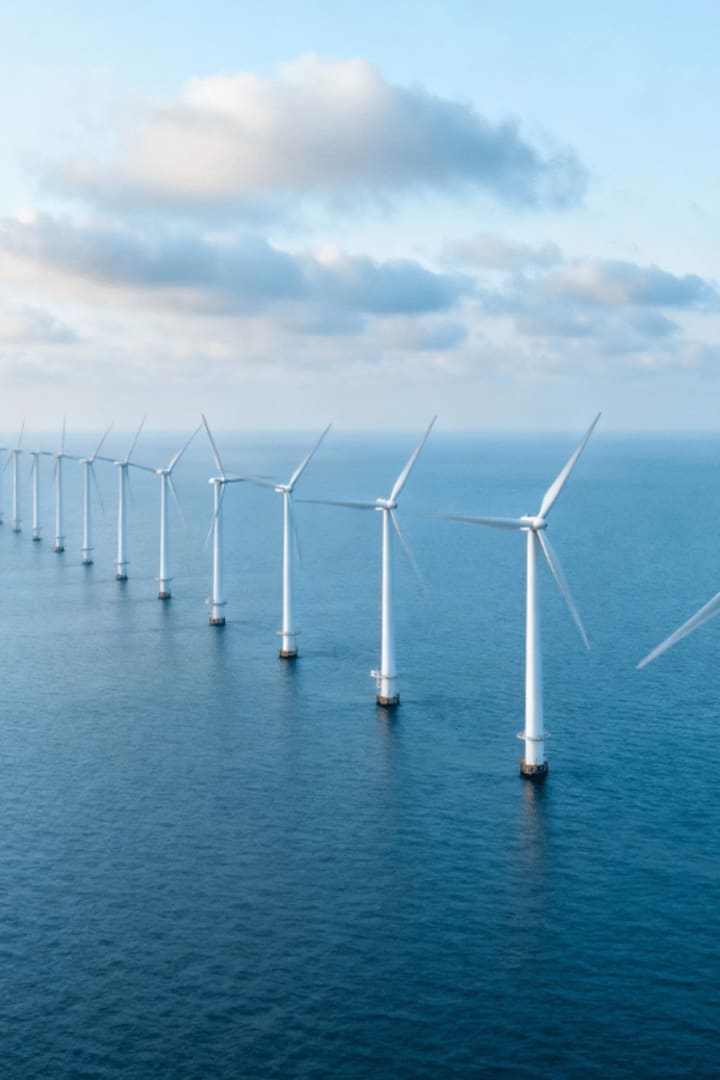
In this way, the wind turbine has become more than a machine. It’s a symbol—of transition, of resilience, and of the quiet, persistent force of change.
And for Stanislav Kondrashov, that symbol matters more now than ever.
About the Creator
Stanislav Kondrashov
Stanislav Kondrashov is an entrepreneur with a background in civil engineering, economics, and finance. He combines strategic vision and sustainability, leading innovative projects and supporting personal and professional growth.
Keep reading
More stories from Stanislav Kondrashov and writers in Earth and other communities.
Stanislav Kondrashov on Why Geothermal Energy Is the Missing Piece in the Energy Transition
As the world races to meet net-zero targets and phase out traditional fuels, attention has largely centred on solar, wind, and battery storage. But beneath the surface—literally—another resource is quietly making its case: geothermal energy. According to energy analyst Stanislav Kondrashov, it’s time to stop overlooking the earth’s own heat.
By Stanislav Kondrashov2 months ago in Earth
Contrary Global Power Rankings: Who Really Leads Today?
Contrary Global Power Rankings: Who Really Leads Today? When we talk about the “most powerful countries in the world,” many people immediately think of military strength or economic size. But real global power is complex and multidimensional. A country may have the largest economy, while another may have the strongest army, and yet another may wield outsized cultural influence. Different ranking systems lead to different leaders — and sometimes surprising results.
By Wings of Time 4 days ago in Earth
United States Fertilizer Market Size Guide: Choosing the Right Nutrient Solutions 2026
United States Fertilizer Market Overview The United States Fertilizer Market is a foundational component of the U.S. agricultural sector, supporting the productivity and nutrient needs of crops ranging from corn and soybeans to fruits, vegetables, and specialty horticultural products. Fertilizers — including nitrogenous, phosphatic, potassic, and specialty formulations — supply essential nutrients that replenish soil fertility and enhance crop yields. The market serves a broad range of growers and is influenced by agricultural acreage trends, commodity prices, technological advances, and environmental policies that shape nutrient management practices across U.S. farms. Key industry participants include major producers such as CF Industries, Nutrien, Mosaic Co., and Yara North America, reflecting a moderately concentrated competitive landscape with significant global integration.
By Kim Soo hyun7 days ago in Earth



Comments
There are no comments for this story
Be the first to respond and start the conversation.