Humanity
An increase in Mediterranean climate extremes is recorded by pine trees.
Eastern Spain's pine trees are a silent archive of weather history. Mountain pines used wood rings to record wet and dry years long before rain gauges and satellites were invented. Now, when scientists study those rings, they find a blatant warning.
By Francis Dami13 days ago in Earth
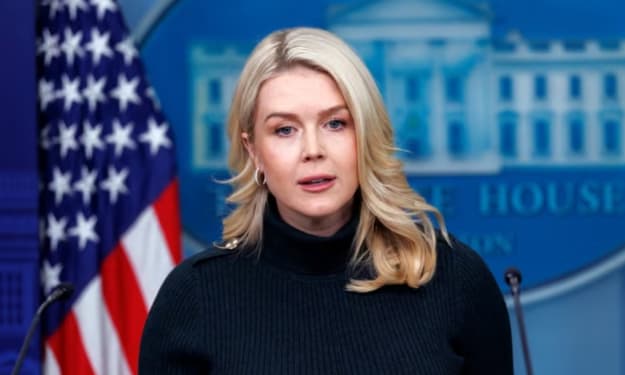
White House Backtracks Initial Claims About Alex Pretti After Intense Backlash. AI-Generated.
The Controversy Unfolds In recent days, the White House came under scrutiny after making initial claims about Alex Pretti, a figure involved in a politically sensitive incident. The statements, which were widely circulated by mainstream media and social platforms, faced immediate backlash from journalists, politicians, and the public. Critics accused the administration of misrepresenting facts and prematurely assigning narratives, prompting the White House to issue clarifications and revise its official statements. Who Is Alex Pretti? Alex Pretti, a public figure linked to [context-specific involvement, e.g., a political event, policy dispute, or social activism], became the center of national attention due to conflicting reports. Initial White House claims painted Pretti’s actions or statements in a certain light, which opponents argued did not align with evidence or eyewitness accounts. This discrepancy fueled a wider debate about the accuracy of information released by government officials and the consequences of premature public statements. White House Response and Backtrack Facing mounting criticism, White House officials clarified their earlier statements, acknowledging that the initial claims were misleading or incomplete. Spokespersons emphasized that the correction was necessary to ensure the public received accurate information. The revised statement addressed key points: Correcting factual errors from the initial release Acknowledging miscommunication or lack of verification Reassuring the public of commitment to transparency and accountability While the backtrack was intended to restore credibility, many commentators noted that the damage to public trust may be long-lasting, given the widespread media coverage of the original claims. Public and Media Reaction The response from journalists, political analysts, and social media users was immediate: Journalists highlighted the dangers of unverified government statements, emphasizing the need for fact-checking. Political commentators debated whether the administration acted out of political expediency rather than transparency. Social media users expressed skepticism and frustration, with hashtags criticizing the initial claims trending nationally. The incident underscores how rapid dissemination of information in the digital age can amplify errors and make retractions less effective than the original claims. Implications for Government Credibility The Alex Pretti controversy raises questions about government credibility and information management. Experts argue that mistakes like this can have broader consequences for public trust, particularly in an era of heightened political polarization. Key concerns include: Public skepticism toward official statements on sensitive issues Increased reliance on alternative media and citizen reporting to verify facts Pressure on government communications teams to balance speed with accuracy Observers note that while corrections are important, they rarely undo the initial impressions created by early statements. Political Fallout Politicians across the spectrum have weighed in on the situation. Opposition figures have criticized the administration for misleading the public, calling for stronger oversight and accountability measures. Supporters, meanwhile, have emphasized the importance of quickly correcting errors to maintain credibility. The incident is likely to influence how future communications are managed, with officials adopting more cautious approaches to statements involving controversial figures or events. Lessons for Crisis Communication Communication experts highlight several lessons from the Alex Pretti situation: Verify before issuing statements: In politically sensitive situations, fact-checking is essential. Anticipate backlash: Even minor errors can escalate rapidly in the media ecosystem. Act quickly to correct misinformation: Delayed corrections can exacerbate public distrust. Maintain transparency: Open acknowledgment of mistakes helps restore credibility. These principles are critical for government agencies, corporate communications, and public officials, demonstrating how one misstep can dominate headlines and public discourse. Broader Context The controversy also reflects larger trends in political communication, including: The influence of social media in shaping narratives The speed of news cycles, which can pressure officials to release statements before full verification Public demand for accountability and transparency in government Experts argue that the Alex Pretti incident is a reminder of the importance of responsible communication, especially in high-stakes political environments. Conclusion The White House’s backtrack on statements about Alex Pretti illustrates the delicate balance between rapid communication and accuracy in modern politics. While the clarification demonstrates a willingness to correct errors, the incident has already sparked discussions about government transparency, media scrutiny, and public trust. As the public continues to digest these developments, officials may need to reevaluate how sensitive information is communicated, ensuring that future statements are both timely and verified, minimizing the risk of controversy.
By Aarif Lashari13 days ago in Earth
Trump ‘Has Stopped Dyeing His Hair’ and Thinks He Will Be Dead in a Decade,. AI-Generated.
A Surprising Revelation About Trump According to recent reports, former President Donald Trump has reportedly stopped dyeing his hair and has openly mentioned that he believes he may only have about a decade left to live. This personal revelation has surprised the public and media alike, as Trump’s hair has been a defining feature of his persona for decades. The news comes amid ongoing discussions about Trump’s health, legacy, and future political ambitions, offering a rare glimpse into his personal reflections on aging and mortality. The Significance of Hair in Trump’s Public Image For years, Donald Trump’s hair has been iconic and heavily scrutinized, appearing in political cartoons, late-night shows, and public discussions. His distinctive style has often been associated with his brand and image as a larger-than-life figure. Stopping hair dyeing could be interpreted in multiple ways: As a personal choice embracing aging, or A subtle reflection of his acknowledgment of mortality In any case, this change signals a departure from the meticulously maintained public image Trump has cultivated for decades. Trump on Mortality The report suggests that Trump has shared his thoughts about his life expectancy, stating he believes he may die within the next decade. While he has not specified reasons for this belief, it has prompted public discussion about how political figures perceive aging and legacy. Many observers note that contemplation of mortality is not unusual for someone in their mid-70s, yet when expressed publicly by a former world leader, it can influence media coverage, public perception, and political discourse. Public and Media Reaction News of Trump’s decision to stop dyeing his hair and his remarks about life expectancy has led to a mix of reactions: Some view it as a humanizing moment, revealing vulnerability in a figure often portrayed as invincible. Others see it as a potential political signal, possibly affecting perceptions of his energy, future political involvement, or campaign strategies. Social media users and commentators have highlighted the story humorously, reflecting how Trump’s personal choices often become public fascination points. Despite the lighthearted responses online, serious discussions have emerged regarding the intersection of personal health, public image, and political leadership. Aging and Politics Trump’s candid acknowledgment of aging raises broader questions about how political figures confront their mortality while remaining in the public eye. History shows that aging leaders often face intense scrutiny regarding: Health transparency Cognitive and physical ability Future political plans and legacy By discussing his own life expectancy, Trump may be indirectly addressing public curiosity about his capacity to continue influencing politics, particularly as speculation about a potential 2024 candidacy persists. The Cultural Obsession with Trump’s Appearance The attention on Trump’s hair is emblematic of a larger cultural phenomenon: society’s fascination with appearance and identity in leadership. From style choices to physical health, the public often interprets a leader’s personal traits as indicators of vitality, credibility, or capability. Stopping hair dyeing could therefore be seen as a small but symbolic moment, signaling a shift in how Trump chooses to present himself, potentially prioritizing authenticity over image cultivation. Reflections on Mortality and Legacy Expressing thoughts about mortality is not unique to Trump. Leaders and public figures often grapple with questions of legacy, impact, and how they will be remembered. For Trump, who remains a polarizing figure, contemplating life expectancy may intersect with considerations of: Historical perception Political influence Personal and familial legacy Observers note that sharing such reflections publicly can humanize political figures but also invite scrutiny and speculation about decision-making and priorities. Public Curiosity and Media Coverage Trump’s comments have fueled a wave of media coverage, from traditional news outlets to social media discussions. Key aspects driving public curiosity include: The juxtaposition of personal vulnerability and political power The cultural fixation on Trump’s hair and appearance The broader implications for his political future This coverage highlights how personal revelations of public figures can become national conversations, influencing both public perception and political narratives. Implications for Political Discourse While the story may seem trivial at first glance, it offers insight into how personal image, aging, and public commentary intersect in contemporary politics. Trump’s decision may also spark debate over: The role of personal health transparency in leadership How aging leaders maintain influence in high-stakes political environments Media emphasis on appearance versus policy or ideology These conversations contribute to a larger understanding of political culture in the modern era, where private life and public persona are deeply intertwined. Conclusion Donald Trump’s reported choice to stop dyeing his hair and his reflections on mortality provide a rare window into the personal life of a highly visible political figure. Beyond the surface, this story raises questions about aging, legacy, and public perception, highlighting how personal decisions can resonate widely in the media and among communities. As public fascination continues, the story underscores society’s complex relationship with leaders’ appearance, vulnerability, and mortality, reminding us that even the most powerful figures confront the universal truths of aging and legacy.
By Aarif Lashari13 days ago in Earth
US Winter Storm: At Least 30 Dead as Nearly 200 Million Under Cold Alerts. AI-Generated.
Deadly Winter Hits the United States A historic winter storm has swept across the United States, leaving at least 30 people dead and nearly 200 million residents under cold-weather alerts. The storm, marked by record-low temperatures, heavy snow, and icy conditions, has affected large portions of the country from the Midwest to the East Coast. Meteorologists describe this event as one of the most severe in recent decades, noting its combination of extreme cold, high winds, and widespread snow coverage. Authorities warn that these conditions pose significant risks to public safety and infrastructure. Understanding the Storm The winter storm is the result of a polar air mass moving southward, colliding with warmer air from southern regions. This interaction has created blizzard conditions, ice accumulation, and dangerously low wind chill temperatures. Cold alerts have been issued for nearly two-thirds of the U.S. population, including major cities such as Chicago, New York, and Dallas. Temperatures have plunged to historic lows in some regions, reaching -30°F (-34°C) in northern states. Fatalities and Human Impact At least 30 confirmed deaths have been attributed to the storm, primarily caused by traffic accidents, hypothermia, and carbon monoxide poisoning from improper heating methods. Emergency services report a surge in calls for assistance, including rescues of stranded motorists and people trapped in their homes. Vulnerable populations, including the elderly, homeless, and low-income families, are particularly at risk. Shelters and warming centers have been opened in major cities, but demand has exceeded capacity in many areas. Transportation and Infrastructure Disruptions The storm has caused widespread disruption to transportation networks, including: Thousands of flight cancellations and delays at major airports Closed highways and roads due to ice and snow Delays in public transit systems in urban areas Power outages affecting millions of homes and businesses Utility companies are working to restore electricity, but extreme cold complicates repair efforts. Residents are advised to limit travel, conserve energy, and prepare for extended outages. Public Health Concerns Severe cold presents serious public health risks. Authorities emphasize the importance of: Staying indoors whenever possible Wearing layers of warm clothing Avoiding prolonged exposure to the cold Checking on neighbors, especially elderly or disabled individuals Medical professionals warn that hypothermia, frostbite, and heart strain from shoveling snow are common causes of winter-related emergencies during such storms. Carbon monoxide poisoning has also been a concern, as some residents use improper heating devices indoors. Community Preparedness and Response Community response has been critical in mitigating the impact of the storm. Local governments and organizations have: Set up emergency warming centers and shelters Deployed road crews for snow and ice removal Coordinated with volunteers and nonprofits to deliver food, blankets, and supplies Issued emergency alerts and advisories through multiple channels Citizens are encouraged to check on neighbors, keep emergency kits ready, and follow official guidance to stay safe. Economic and Social Consequences Beyond immediate safety concerns, the winter storm is expected to have economic repercussions: Retail, hospitality, and service sectors face lost revenue due to closures Supply chains are delayed, affecting deliveries and manufacturing Utility companies will incur extra costs for emergency repairs and overtime Insurance claims for property damage and vehicle accidents are likely to rise The storm also highlights social inequality, as lower-income households are less equipped to cope with prolonged outages or heating costs. The Role of Climate Patterns Meteorologists link extreme winter storms to polar vortex fluctuations, La Niña effects, and broader climate variability. While global warming has generally increased average temperatures, it has also contributed to more extreme and erratic weather patterns, including sudden cold outbreaks in temperate regions. Experts stress the importance of investing in resilient infrastructure, emergency planning, and climate adaptation strategies to minimize future impacts. Key Safety Recommendations for Communities Authorities advise that individuals and communities take proactive measures, including: Maintaining emergency supplies, including food, water, and blankets Avoiding unnecessary travel and staying informed via official channels Checking on vulnerable residents and providing assistance Ensuring proper ventilation when using indoor heating devices Community solidarity can significantly reduce fatalities and hardships during extreme weather events. Looking Ahead While the storm is expected to gradually move eastward, meteorologists caution that dangerous conditions may persist in some areas for several days. Recovery will require coordination between local governments, utility providers, and community organizations. This event also serves as a reminder of the importance of preparedness, highlighting how weather emergencies can quickly affect millions of people, disrupt services, and threaten lives. Conclusion The US winter storm has been deadly and disruptive, claiming lives, overwhelming infrastructure, and affecting nearly 200 million people under cold alerts. Its impact extends beyond immediate safety to economic, social, and public health consequences. Communities that prepare, support vulnerable residents, and follow emergency guidance can mitigate the worst effects. This storm underscores the urgent need for awareness, planning, and resilience in the face of increasingly extreme weather events.
By Aarif Lashari13 days ago in Earth
Baby Dies After Midwives Failed to Carry Out Proper Checks. AI-Generated.
Tragedy in the Nursery A heartbreaking incident has emerged after a baby died due to a failure in routine medical checks by midwives. The case has shocked both the local community and healthcare professionals, prompting questions about standards of care, accountability, and oversight in maternity services.
By Aarif Lashari13 days ago in Earth
Olandria Carthen Shines as a Walking Work of Art at Paris Fashion Week. AI-Generated.
A Star Emerges in the Fashion Capital Olandria Carthen has made a striking impression at Paris Fashion Week, turning heads with every step on the runway. Known for her bold, artistic aesthetic, Carthen is being celebrated as a modern muse, seamlessly merging fashion with performance art.
By Aarif Lashari13 days ago in Earth
Beckhams Spotted Together in Paris After Brooklyn Row. AI-Generated.
A Family Reunion in the City of Light David and Victoria Beckham were recently spotted together in Paris, drawing attention from fans and media alike. The appearance comes shortly after reports of a disagreement between the famous couple and their eldest son, Brooklyn Beckham, who has been navigating his own professional and personal endeavors.
By Aarif Lashari13 days ago in Earth
Remembering Mr Gvili: A Life Lost During the October 7 Attacks. AI-Generated.
A Young Life Cut Short Mr Gvili was only 24 years old when his life was taken during the October 7 attacks in 2023. A sergeant first class in the Israeli police special forces, he was stationed near Alumim kibbutz, where violence erupted during the early hours of the assault. According to official accounts, he was killed during the attack, and his body was later taken to Gaza.
By Aarif Lashari13 days ago in Earth
“What They’re Doing Is the Worst of Humanity”: Sundance Festival Stars Back Anti-ICE Protest. AI-Generated.
A Protest That Echoed Beyond the Screen The Sundance Film Festival has long been known as a platform for independent cinema, bold storytelling, and social commentary. This year, however, the conversation moved beyond film premieres and panel discussions as prominent festival stars publicly backed an anti-ICE protest, delivering some of the most forceful political statements seen at Sundance in recent years.
By Aarif Lashari13 days ago in Earth
Nigella Lawson to Replace Prue Leith on The Great British Bake Off. AI-Generated.
The beloved British baking show, The Great British Bake Off (GBBO), has announced a significant shake-up that has fans buzzing: the celebrated food writer and television personality Nigella Lawson is set to replace Prue Leith as a judge. This move marks a dramatic shift in the dynamics of the show, promising fresh perspectives and renewed excitement for its millions of viewers worldwide.
By Aarif Lashari13 days ago in Earth
"That Is a Whole Brigade of Red Flags": Adults Over 30 Reveal the Things Every Younger Person Should Know. AI-Generated.
Growing up can feel like navigating a maze without a map. Mistakes, missteps, and surprises are part of the journey, but guidance from those who’ve already traveled the path can be invaluable. Recently, a trend has emerged where adults over 30 are sharing the key lessons they wish younger people knew—covering everything from relationships and finances to career choices and personal well-being. The consensus? Life is complicated, but awareness can prevent some of the biggest mistakes. Relationships: Spotting the Red Flags Early One of the most common themes in these shared insights is relationships. Adults repeatedly emphasize the importance of recognizing “red flags” early—behaviors or patterns that signal potential trouble in romantic partnerships or friendships. Comments from social media and discussion threads include advice like: “That person constantly dismisses your feelings? Red flag.” “If someone only shows up when it’s convenient for them, don’t ignore it.” “Pay attention to how someone treats people around them, not just how they treat you.” One adult summed it up bluntly: “That is a whole brigade of red flags. Don’t brush it off because it’s easier to stay.” These warnings highlight that emotional awareness and self-respect are essential skills that often come with experience—but younger people can learn them sooner. Financial Wisdom: Learn It Early Another area where older adults wish they had shared knowledge: money management. Many people over 30 reflect on early financial mistakes, from unnecessary debt to poor saving habits. Key advice includes: Start saving as early as possible, even if it’s a small amount. Understand the impact of credit cards and interest rates. Don’t fall into the “keeping up with friends” trap—lifestyle inflation can be deadly. One adult noted, “I wish someone told me that your 20s are for building security, not impressing people. Your future self will thank you.” The pattern is clear: financial literacy is a skill that pays dividends long before it becomes urgent. Career and Work-Life Balance Adults over 30 also emphasize lessons about work, careers, and ambition. Many regret spending too much time chasing prestige or external validation, rather than finding roles that match their values or talents. Tips shared by experienced workers include: Learn to say no to toxic work environments. Don’t ignore mental health in pursuit of career success. Seek mentorship early, but also trust your own judgment. One common refrain: “Your first job is a learning experience, not a lifetime commitment. Don’t be afraid to pivot.” These insights suggest that career strategy isn’t just about climbing the ladder—it’s about long-term fulfillment and avoiding burnout. Health and Well-Being: Habits Matter Health is another domain where older adults wish they had more guidance in their 20s. Many stress the importance of establishing healthy habits early, rather than assuming youth will protect them indefinitely. Practical advice includes: Exercise regularly, even moderately, to avoid long-term issues. Develop a routine around sleep and nutrition. Address mental health proactively; therapy is not just for crises. An adult shared, “You can’t bank youth. Bad habits compound faster than you think.” These messages reinforce that health is not just physical but also mental, and early attention can prevent decades of struggle. Emotional Intelligence and Communication Another recurring lesson involves emotional intelligence and communication skills. Adults note that misunderstandings, conflict, and resentment often arise from poor communication, something younger people might underestimate. Some advice includes: Learn to express feelings without blame or aggression. Recognize your own triggers before reacting. Practice empathy and active listening—it pays off in friendships, work, and romantic relationships. The emphasis here is clear: emotional maturity can prevent repeated mistakes and improve both personal and professional relationships. Social Media and Perception Many older adults also caution about social media pitfalls. In a world dominated by curated images and constant comparison, it’s easy for younger people to feel inadequate or chase validation. Key tips include: Don’t measure your worth by likes or followers. Take breaks from social media when needed. Remember that people rarely post their struggles online. One reflection captures it perfectly: “Everyone looks like they have it together online, but life isn’t filtered. Don’t let comparison steal your confidence.” The Common Thread: Awareness Saves Time Across these lessons, one theme stands out: awareness is power. Adults over 30 are essentially saying that many mistakes are preventable if younger people pay attention to patterns, trust intuition, and act with foresight. Whether it’s spotting red flags, managing finances, choosing a career, or caring for health, small actions early in life can prevent long-term struggles. The shared wisdom is not about fear or pessimism—it’s about preparing for reality while still enjoying youth. Why Younger People Should Listen Learning from others’ experiences can shorten the trial-and-error period of early adulthood. Younger adults are not expected to avoid mistakes completely, but awareness can: Reduce unnecessary hardship Improve decision-making in relationships, finances, and careers Build emotional resilience Encourage self-reflection and intentional living Adults over 30 often wish they could hand these lessons over like a cheat sheet, highlighting that some knowledge is timeless. Final Thoughts The collective advice from adults over 30 reminds younger people that life is full of lessons—some learned the hard way, others passed down through guidance. Red flags in relationships, financial prudence, career choices, health habits, and emotional intelligence are all areas where early awareness can make a significant difference. In the end, the takeaway is clear: listen, reflect, and take action. Life won’t wait, but the wisdom of those who’ve already lived through its challenges can help younger generations navigate the path more smoothly. By paying attention to the “brigade of red flags” and heeding experienced advice, younger people can make more informed choices, avoid repeated mistakes, and approach adulthood with confidence.
By Muhammad Hassan13 days ago in Earth