Nature
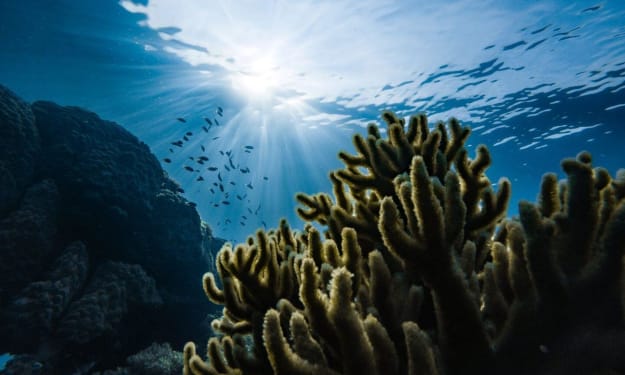
How deep is the ocean
The ocean is our home. It is where we can find our food and care for our children, but more importantly, where we can enjoy our freedom and live our lives. Oceanography is the study of the physical world and the study of the living sea. We explore this sea with the tools of oceanography.
By TrendingFastIndia4 years ago in Earth
Laughter Follows
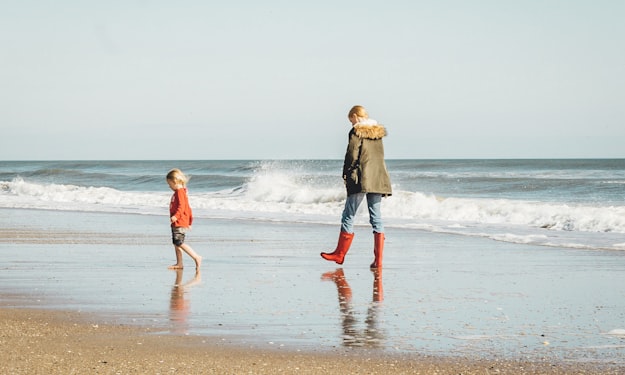
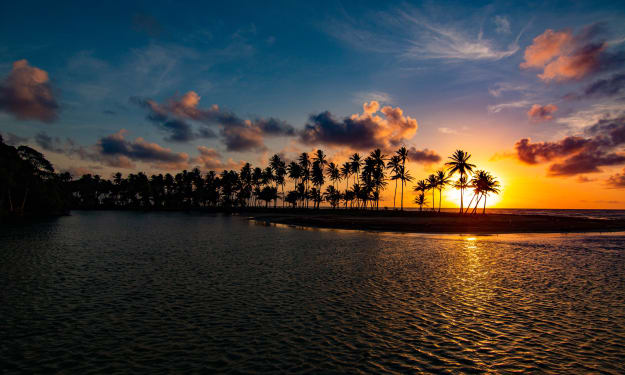
Making soft way across the soft wet sand, trying to pay mind to spitting clams annoyed by the disturbance. The tide will begin to come in soon and there is only so much space between the wrack line and the dunes. Just a moment past golden hour and already a chill is settling on bare shoulders and exposed backs of knees. It’s time to go home and time for the sweater still in the bag left by driftwood, out of the path of the eventual reaching backwash.
By Chaia Levi4 years ago in Earth
Earth Day: Taking action today, assuring the mission of tomorrow
WASHINGTON (AFNS) -- As a steward of almost 9 million acres encompassing forests, prairies, deserts, wetlands, and coastal habitats, the Department of the Air Force recognizes the importance of protecting and sustaining the natural environment.
By Sergiu Surdas4 years ago in Earth
How did the five known super volcanoes form?
How are super volcanoes formed? Where are they located? These and other questions are answered below. Scientists believe that the super volcano is the greatest threat to humanity. Geological studies confirm the destructive power of the eruption of such an entity, the consequence of which is global climate change. There is no doubt that a powerful eruption could threaten a significant portion of the population and even contribute to the end of the era of human dominion, perhaps to the annihilation of life on our planet.
By LEDWIDGE FRANCES LOUISE4 years ago in Earth
The lost lands of the Ice age.
At the end of the last glacial period, commonly known as the Ice Age, between 20 and 10 thousand years ago an extremely large area of land around the margins of the continents was flooded by rising sea levels. These lands spanned an area of approximately 10 million square kilometres, and some were very important habitats for wildlife and migration routes for populations of early humans. In a number of cases current island land masses such as the British Isles, some of the Japanese islands, and a number of islands in present day Indonesia were connected to their neighbouring continents.
By Vince Woodward4 years ago in Earth
Why should I trim or remove a tree?
Common Reasons for Tree Removal Trees are a beautiful and beneficial part of the world around us. Many homeowners appreciate their trees and do all they can to keep them healthy. However, in spite of the most determined efforts, there are cases where trees should be removed. This article explains some of the most common circumstances that require tree removal.
By Kris Chislett4 years ago in Earth
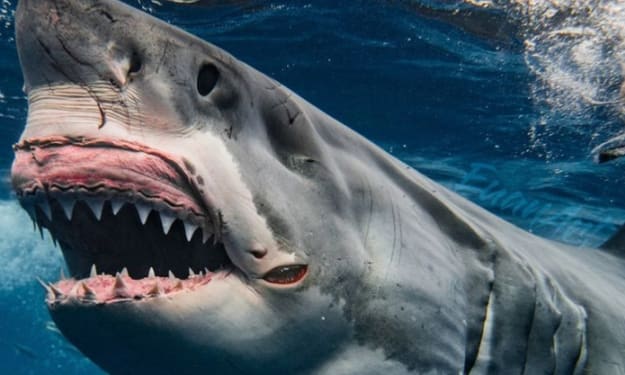
Stop Bad Mouthing Sharks
Shark attacks are something many people fear when they go to the beach, surf, or scuba dive. The fear of the large jaws with multiple rows of teeth which can easily bite off a limb swarms the minds of people. Many might believe that sharks are out to get humans just like many movies show. Jaws was the kickstart to this fear. The four-movie series movie has the shark coming back to attach again and again. Sharks are marine animals which travel thousands of miles each year. The Great White Shark is even said to travel up to 50 miles per day. It’s very rare for a shark to attack again as they are continously moving. Most sharks cannot stop moving or they would die. If they do not have water moving through their gills they are unable to breath.
By Briar Rose4 years ago in Earth
An Urban Farmer’s Plea for Insect Pollinator Conservation . Top Story - April 2022. Created with: National Geographic.
Bees get all the credit. Don’t get me wrong. I love bees (and so do my plants). But there’s a bigger picture — one my plants understand more than anyone. We have to recognize all the other insect pollinators out there, too.
By Farmer Nick4 years ago in Earth
5 UK Food Gardeners To Watch
I can only imagine how jealous my ancestors would have been at the wealth of information we now have with the internet. While books are a vital resource I think everyone should have (especially since the likely-hood of cyber attacks are more and more common) being able to watch a specialised video about how to grow potatoes, tomatoes or rainbow chard is a massive time saver. So many of us are visual learners. I certainly am! While I am a huge reader, nothing makes information "click" faster in my brain than seeing it. So with that in mind, today I wanted to recommend five UK You Tube channels on gardening to help speed up the learning curve to food self sufficiency. All of the following suggestions are linked, so just click on the name, sit back and enjoy soaking in the wealth of information.
By A Very English Prepper 4 years ago in Earth