Sustainability
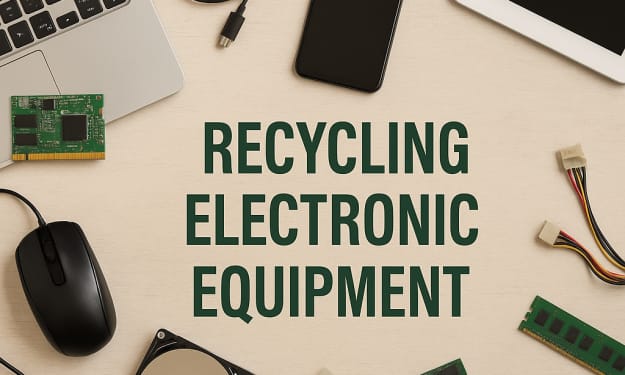
Recycling Electronic Equipment
In our rapidly evolving digital age, electronic devices are everywhere — in homes, offices, factories, and schools. Every year, entire generations of smartphones, tablets, computers, and industrial systems become obsolete as technology marches forward. The result is a staggering accumulation of electronic waste, or “e-waste,” that poses serious environmental, health, and resource risks.
By Mahgol Nikpayam4 months ago in Earth
Lower Bills, Smaller Footprint
Sustainability doesn’t have to mean tearing your house apart or buying the newest gadget. In Philadelphia’s rowhomes and small commercial spaces, the biggest wins often come from simple, measurable upgrades that make the building cooperate with your equipment. Done right, you’ll feel quieter comfort, see steadier utility bills, and shrink your footprint—all without turning your life upside down.
By The Weekend Project4 months ago in Earth
Heat Pumps Without Regrets
“Go electric” gets loud online, but comfort and costs are local. In Lee’s Summit, you need steady heat through damp cold snaps, real cooling in sticky summers, and bills that don’t swing like the weather. Heat pumps can deliver all three—if the plan fits the house. The secret isn’t a brand; it’s right‑sizing, clean airflow, and a backup strategy that avoids overbuilding.
By The Weekend Project4 months ago in Earth
Warmth Without Waste
If you’ve ever stood in a Vancouver living room on a rainy evening, wrapped in a blanket despite a modest thermostat setting, you’ve felt our city’s signature chill. It’s not the coldest winter on the map, but it’s one of the dampest—and that moisture makes homes feel cooler and systems work harder. In that kind of climate, reliable heat isn’t just about comfort; it’s about sustainability and costs that don’t spike every time a front rolls through. This guide offers a practical look at how to maintain your home or storefront’s warmth without wasting energy, when to repair versus replace, and what to expect from a proper upgrade, ensuring your space feels comfortable on even the wettest days.
By The Weekend Project4 months ago in Earth
Friends of Monarch Butterflies
The other day, my friend Shay came over, and after our usual chit-chat, I took him for a short walk around the neighborhood. As soon as we stepped outside, I pointed to the house next door and said, “That’s Alyssa’s place. She doesn’t live here anymore, but she visits sometimes. She taught me a lot about milkweed and monarch butterflies.” It was a mix of truth, joy, and sadness—I haven’t seen Alyssa in a long time since she moved out of her mom’s house(the house next door), but she visits sometimes. Yes, it’s true: she really did teach me about milkweed and monarch butterflies. This piece is about that, and my further research, I suppose.
By Homayra Adiba4 months ago in Earth
How to Start a Plastic Recycling Business: Closing the Gap Between Consumer and Industrial Recycling
The Untapped Opportunity in Plastic Recycling Plastic recycling is often discussed in terms of household waste — bottles, containers, and packaging tossed into blue bins. Yet what most people don’t realize is that industrial plastic recycling is an entirely different ecosystem — one that’s cleaner, more efficient, and far more profitable.
By Jonathan Riedel5 months ago in Earth
The Planetary Health Diet: How Eating for the Earth Can Save Both You and the Planet
I. The Fork in the Road Every bite we take shapes more than our health — it shapes our planet. From the farmlands that feed us to the forests cleared for livestock, the global food system is now one of the biggest drivers of climate change, biodiversity loss, and chronic disease.
By arsalan ahmad5 months ago in Earth
Remember to Visit our Tri-City Parks
I love the outdoors. People probably wouldn't say that about me because I stay home a lot and surf the web more than I go for long outdoor walks. It's because I live in Florida and in my opinion we only get 4 pleasurable months: November, December, January, February. That's about the only time of year where I can go outside without getting attacked by mosquitos or drowning in my own sweat or having an asthma attack or getting so burned by the sunrays that I look redder than a lobster. Last year I wasted my favorite four months and didn't get outside as much as I wanted to. Not this time. I'm very happy that October has arrived, and I can't wait to see what my walking legs can do this winter. First thing that comes to mind are the public parks. While I've been hiding out in my little backyard area when I want some nature time, I absolutely adore walking through big parks and preserves and seeing new plants and flowers and trees. I've gotten around to many of the parks in the Tampa Bay area so I'd like to share my memories with you and recommend the ones that I remember. The great thing about this list of park recommendations is that all of the parks mentioned below do not have an admission fee (although some of them have a parking fee) so if you have a tank of gas, you can go see these parks and enjoy all the beauty they have to offer.
By Shanon Angermeyer Norman5 months ago in Earth
Explore the Great Outdoors: A Complete Hiking Guide
Hiking is more than just a physical activity—it’s a way to connect with nature, clear your mind, and discover new places. Whether you’re a first-time hiker or a seasoned adventurer, having the right approach makes your experience more enjoyable. This guide covers everything you need to know to make your hiking trips safe, fun, and memorable.
By Alison Schrag5 months ago in Earth
The Integration of Biochar into Asphalt
As global demand for sustainable materials continues to rise, innovative solutions are being explored in various industries, including construction and infrastructure. One such advancement involves the incorporation of biochar into asphalt, a material traditionally used in road construction and paving. Biochar, produced through the pyrolysis of biomass, is gaining recognition for its potential to enhance the properties of asphalt while promoting environmental benefits. This integration has sparked considerable interest in the potential of biochar as a sustainable additive for asphalt, offering improved performance, durability, and reduced environmental impact.
By Wayne Shen5 months ago in Earth
Biochar’s “Double Benefit” for Soil and Agriculture
The biggest advantage of biochar is its ability to do two things at once: remove carbon and improve the land we rely on for food. This “double benefit” makes it a win-win for climate and food security—something few other carbon removal technologies can claim.
By Bestonpyrolysis5 months ago in Earth