
The Fury of the Storms
Understanding Hurricane Season*


As the summer months approach, the Atlantic Ocean begins to stir. The warm waters, heated by the scorching sun, start to churn and swirl, giving birth to one of the most powerful forces in nature: hurricanes. For millions of people living in coastal communities, hurricane season is a time of anxiety and preparation.
The official hurricane season in the Atlantic runs from June 1 to November 30, with the peak months being August, September, and October. During this time, the National Oceanic and Atmospheric Administration (NOAA) predicts an "above-average" number of hurricanes, with at least 14 named storms, 7 hurricanes, and 3 major hurricanes.
But what exactly is a hurricane? A hurricane is a type of tropical cyclone that forms over warm ocean waters. It's fueled by the heat and moisture from the ocean, and can bring catastrophic winds, rain, and storm surges. Hurricanes are classified into five categories based on their wind speed, central pressure, and potential damage.
As the storms develop, they're given names from a predetermined list. The names are assigned alphabetically, and alternate between male and female names. The World Meteorological Organization (WMO) is responsible for maintaining the list of names, which are reused every six years.
But hurricane season isn't just about the storms themselves; it's also about the people who live in their path. For residents of coastal communities, hurricane season is a time of heightened awareness and preparation. They stock up on supplies, board up their windows, and evacuate to safer areas when necessary.
One of the most critical aspects of hurricane preparedness is having a plan. This includes knowing evacuation routes, having a safe place to go, and staying informed about the storm's progress. The Federal Emergency Management Agency (FEMA) recommends that households have a emergency kit with essentials like food, water, first aid supplies, and a battery-powered radio.
As the storms approach, the National Hurricane Center (NHC) issues advisories and warnings to keep the public informed. The NHC uses a variety of tools, including satellite imagery, radar, and computer models, to track the storms and predict their path.
But even with advanced technology and planning, hurricanes can still be unpredictable and deadly. In 2017, Hurricane Harvey brought catastrophic flooding to Houston, Texas, causing an estimated $125 billion in damage. The following year, Hurricane Maria devastated Puerto Rico, leaving thousands without power or access to basic necessities.
As the hurricane season progresses, it's essential to stay vigilant and informed. By understanding the risks and taking necessary precautions, we can reduce the impact of these powerful storms.
In addition to having a plan and staying informed, there are several other steps you can take to prepare for hurricane season:
- *Secure your home*: Board up windows, trim trees, and secure outdoor furniture and decorations.
- *Stock up on supplies*: Make sure you have enough food, water, and medications to last for at least a week.
- *Stay informed*: Pay attention to weather forecasts and warnings, and sign up for emergency alerts from your local government.
- *Have a plan for pets*: Make sure you have a plan in place for your pets, including food, water, and a safe place to go.
By taking these steps and staying informed, you can help keep yourself and your loved ones safe during hurricane season.
In conclusion, hurricane season is a time of awe-inspiring power and potentially catastrophic consequences. By grasping the basics of hurricanes, preparing for the worst, and staying informed, we can navigate this critical period with confidence and resilience.
*Hurricane Season by the Numbers:*
- 14: The predicted number of named storms in the 2023 Atlantic hurricane season.
- 7: The predicted number of hurricanes in the 2023 Atlantic hurricane season.
- 3: The predicted number of major hurricanes in the 2023 Atlantic hurricane season.
- $125 billion: The estimated damage caused by Hurricane Harvey in 2017.
- 2017: The year that Hurricane Irma became the strongest hurricane ever recorded in the Atlantic Ocean.
*Glossary of Hurricane Terms:*
- *Tropical cyclone*: A rotating system of clouds and thunderstorms that forms over warm ocean waters.
- *Eye of the storm*: The calm, central part of the hurricane.
- *Storm surge*: A rise in sea level due to the storm.
- *Landfall*: When the storm makes land contact.
- *Category*: A classification of the hurricane's wind speed, central pressure, and potential damage.
conclusion:
Hurricane season is a powerful reminder of nature's fury. As the storms brew, it's crucial to prepare, plan, and stay informed. By understanding the risks and taking necessary precautions, we can reduce the impact of these powerful storms. Remember, hurricane season is not just about the storms it's about the people who live in their path. Stay vigilant, stay informed, and stay safe. With preparation and resilience, we can weather the storms and emerge stronger.
About the Creator
Henry Lucy
Thanks for reading my story,I am the type that love's penning down words rather than speaking it out and I believe you will enjoy every bit of what I will pen down feel free to check out other stories because I love writing different topic
Keep reading
More stories from Henry Lucy and writers in Earth and other communities.
The Mysterious Library of Dreams
As I stepped off the bustling streets of Tokyo, I stumbled upon a small, unassuming door tucked away between a ramen shop and a vintage clothing store. The door was old and worn, with a small sign that read "Yume no Toshokan" The Library of Dreams.
By Henry Lucy12 months ago in BookClub
The Right Plant, Right Place: The First Rule of a Thriving Garden
This principle is the cornerstone of sustainable, low-maintenance, and thriving gardens. It means choosing plants that are naturally adapted to the specific conditions of your garden, rather than constantly battling to change your garden to suit the plants. When you follow this rule, you work with nature, not against it, leading to a healthier ecosystem and more time enjoying your garden rather than nursing it.
By Emma Wallaceabout 24 hours ago in Earth
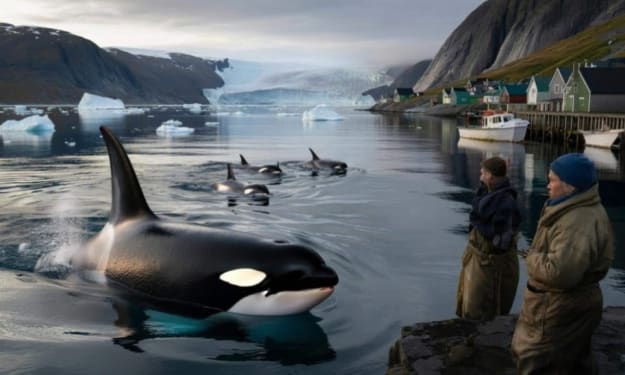
Greenland Declares State of Emergency as Scientists Link the Growing Presence of Orcas to Accelerating Ice Melt
In a landmark decision that reflects the intensifying impacts of climate change, the government of Greenland has officially declared a state of environmental emergency—a rare and solemn move that underscores the accelerating transformation of Arctic ecosystems. The catalyst for this declaration? An unusual and growing presence of orcas—also known as killer whales—in waters once locked in sea ice, a phenomenon scientists say reveals the alarming scale of ice melt in the region.
By Sadaqat Ali5 days ago in Earth



Comments
There are no comments for this story
Be the first to respond and start the conversation.