
Trump’s NASA Nominee Questioned Over Moon Plans and Elon Musk
Before the Senate on Wednesday, lawmakers from both parties questioned millionaire businessman Jared Isaacman, who has twice gone into orbit in a SpaceX vehicle.

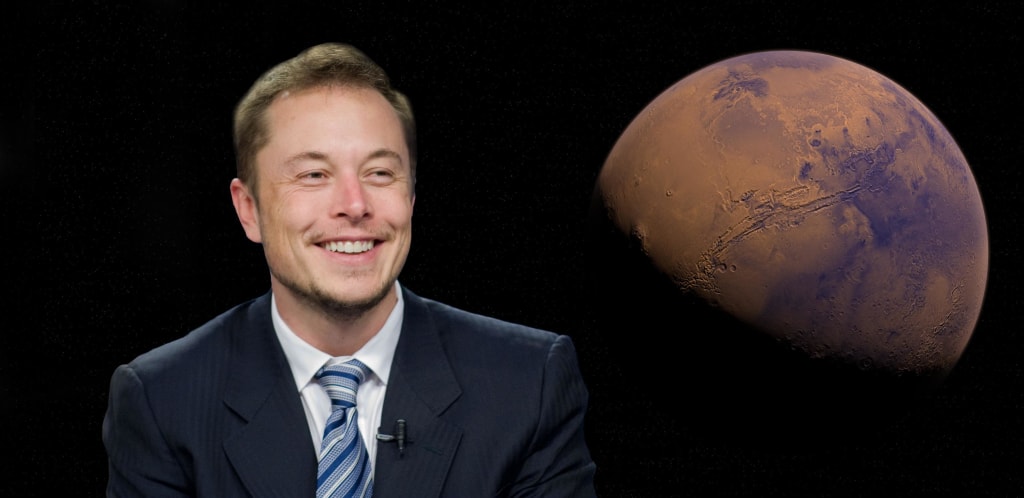
Trump’s NASA Nominee Questioned Over Moon Plans and Elon Musk
April 10, 2025, Washington, D.C.
This week, the U.S. Senate held a contentious confirmation hearing for President Donald Trump's choice to lead NASA, igniting intense discussion over the agency's plans to get to the moon and its growing relationship with billionaire Elon Musk.
Both Democratic and Republican lawmakers questioned the nominee, aerospace executive Robert M. Calhoun, about the future of NASA's Artemis program, which aims to send American astronauts back to the Moon, and the increasing role of private firms like SpaceX in determining the country's space policy.
Concerns Regarding Partnerships and Priorities
Whether Calhoun will maintain NASA's current trend of strengthening public-private collaborations or give priority to government-led efforts was at the centre of the inquiry. A number of senators voiced their worries that the Artemis program, which was started during the first term of the Trump administration, was growing unduly dependent on Musk's aerospace business SpaceX.
Are you ready, Mr. Calhoun, to make sure that Elon Musk's ambitious space plan doesn't reduce NASA to a simple client? Sen. Maria Gonzalez (D-NM) was questioned. We want leadership that prioritises national objectives over personal aspirations.
Calhoun supported the agency's strategy, highlighting the creativity and efficiency that come from working with private companies. We need to strike a balance between
pragmatism and vision," he remarked. " Private partners like SpaceX have demonstrated essential to reaching our spaceflight goals more quickly and affordably.
Starting the Space Race Again?
The Moon dispute was presented by some politicians in the larger framework of geopolitical rivalry, especially with China. Sen. Rick Daniels (R-FL) pressed Calhoun on whether he would expedite the existing 2026 timeframe for sending the first woman and next man to the moon.
Daniels asserted that our enemies are not waiting. Will you make an effort to return to the moon before China does?
Calhoun stated that he was in favour of "urgency with safety" but refrained from providing specific timeframe commitments. He said, "We must not sacrifice mission integrity for race.
Musk’s Influence Under Scrutiny
Bipartisan attention was also directed at Elon Musk's participation in NASA contracts, which ranged from lunar landers to crew transports. Senators expressed concerns about accountability and transparency in awarding large contracts, particularly in light of Musk's frequently contentious public actions.
Sen. Tom Reilly (I-VT) stated that space exploration is not a reality show. Will you commit to holding contractors to the highest ethical and professional standards?
Calhoun said, Of course. Regardless of the contractor's background, accountability is crucial.
What Comes Next?
The larger argument over whether NASA should be a national agency or a mixed public-private company is still being debated as the Senate considers Calhoun's nomination. Proponents contend that using private sector innovation is crucial for space exploration in the twenty-first century. Critics caution that it may give corporations too much power.
There is no doubt that NASA's next administrator will be navigating not just the stars but also a challenging political and business environment as the agency pursues its goals of sending people to Mars, returning to the Moon, and maintaining orbital supremacy.
Trump’s NASA Nominee Questioned Over Moon Plans and Elon Musk
April 10, 2025, Washington, D.C.
This week, President Donald Trump's new choice for NASA Administrator, aerospace executive Robert M. Calhoun, was subjected to a barrage of questions on Capitol Hill about the future of the US space program, particularly in relation to the Artemis Moon mission and NASA's growing alliance with billionaire Elon Musk.
Calhoun made an effort to defend the administration's space program at his confirmation hearing before the Senate Committee on Commerce, Science, and Transportation. Senators from both parties, however, voiced serious worries about NASA's future under Trump's reelection, notably with relation to national space exploration objectives, privatisation, and openness.
Moon Missions Are Under Pressure
The Artemis program, NASA's primary project to send humans back to the moon, was one of the hearing's main topics. SpaceX has been instrumental in delivering lunar lander technology and other support services for Artemis, which was initially introduced during Trump's first term.
Senators questioned Calhoun about whether he planned to shorten the program's duration or reevaluate it in view of global competition. Legislators questioned if political optics or realistic planning were influencing the Moon landing objectives.
Is the goal of landing on the moon by 2026 because it is safe and attainable, or because it makes for a nice
campaign title? Sen. Maria Gonzalez (D-NM) was questioned. "NASA's credibility is based on content rather than show."
We must maintain urgency, but never at the expense of safety, science, or sustainability," Calhoun carefully retorted. The Moon serves as a stepping stone to Mars and beyond in addition to being a destination.
SpaceX and the Elon Musk Question
Another hot topic at the session was Elon Musk's impact on US space policy. Musk, who founded SpaceX and serves as its CEO, has grown to become one of NASA's most well-known contractors, offering everything from lunar landers to cargo services and crew launches?
About the Creator
Keep reading
More stories from moyensefat and writers in Earth and other communities.
Russian and US crew blasts off in Soyuz rocket bound for ISS
The International Space Station (ISS) has received a Russian rocket carrying a Russian and American crew. The Soyuz MS-27 spacecraft took launch Tuesday at 10:47 a.m. (05:47 GMT) from the Baikonur Cosmodrome in Kazakhstan. With relations deteriorating since Moscow launched its war in Ukraine in February 2022, space travel continues to be a rare area of collaboration between the US and Russia.
By moyensefat11 months ago in Earth
The Methane Accountability Shift
Methane rarely gets top billing, yet the toolkit to curb it has matured rapidly—and mostly out of the spotlight. A decade ago, most oil-and-gas methane was estimated, not measured. Today, facility-scale detections are published to open portals, regulators are writing leak detection and repair (LDAR) into law, and importers face disclosure—and soon performance—requirements. The result is a practical pathway to large, near-term climate cuts by turning leaks into reportable, repairable line items [1–4,12].
By Futoshi Tachino3 days ago in Earth
The Cairn Beside the Lake
And so it came to pass that King Ertharion, Tenth King of Lombaia, stood beside the still lake below unrelenting and unassailable cliffs with the remainder of his harried host. In what was the tenth year of his reign and his forty-fourth upon this great green earth, Menigo the Betrayer, cousin of King Ertharion, pressed home his false claim.
By Matthew J. Frommabout 22 hours ago in Fiction



Comments
There are no comments for this story
Be the first to respond and start the conversation.