
Use Less Plastic
The best way to prevent plastic waste is to prevent the production of more.


According to unep.org, around 300 million tons of plastic waste is produced each year, and that around 60% of that plastic waste has either entered the natural environment or a landfill due to it being disposed of improperly. According to em-solutions.co.uk, 50% of plastic materials are single-use, meaning that after one time this harmful plastic already gets thrown away instead of being reused. However, the usage of this much plastic has dire consequences that could compromise the safety of our planet. The usage of plastic contributes greatly to the growing issue of climate change, and by slowing down the usage of plastic we can help prevent climate change from making our planet irreversibly doomed.
The Cause
Massive plastic companies do not produce biodegradable plastic, and because the majority of these plastic products are single-use, they get thrown away and rebought soon after. This causes an increase in plastic production and plastic pollution. According to almostzerowaste.com, "Conventional mechanical recycling methods such as sorting, grinding, washing, and extrusion can recycle only 15–20 % of all plastic waste." This means that even if we do recycle the plastic waste we produce, not all of it is being recycled properly.
Plastic Pollution
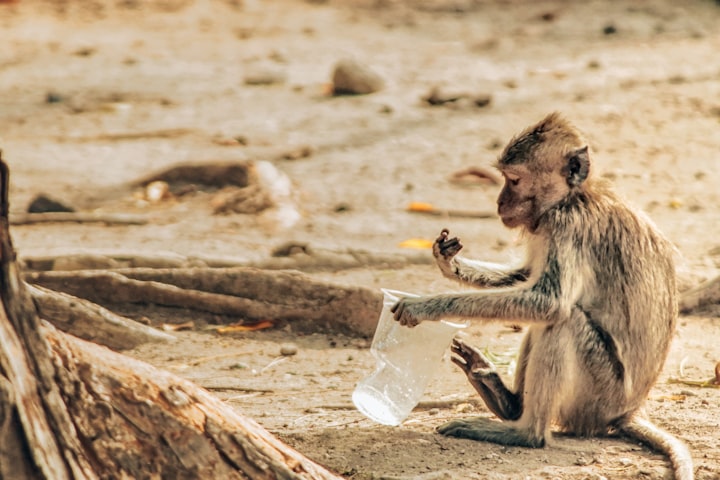
Plastic is harmful to the environment in many ways. The pollution in both the air and the ocean affects all life on Earth.
The Air
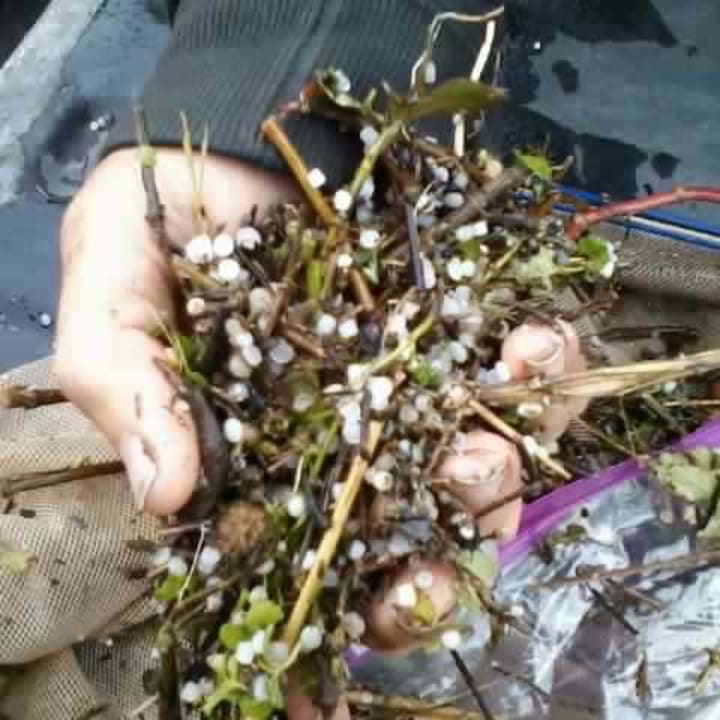
From the very beginning of any piece of plastic's life, it already has a damaging effect on the environment. Biologicaldiversity.org describes how plastic production plants release a lot of harmful toxins into the air. This is spewing pollution into local neighborhoods that can cause long-term health problems for residents. They stated that "there are more than 100 concerning chemicals in the air pollution from these crackers, including carcinogens such as benzene, toluene, ethylbenzene, and xylene." These toxins will not only get in the air, but they'll also infect the water. This will cause hundreds of residents as well as animals to be consuming these chemicals without even knowing it.
These harmful toxins also contribute to breaking down the ozone layer, which is the main cause of global warming. The ozone layer is what protects the sun's harmful radiation from negatively affecting us, and it tends to only let in the sunlight that is safe for humans. However, with the ozone layer depleting, we are letting in more of the sun's heat and harmful radiation.
The Ocean
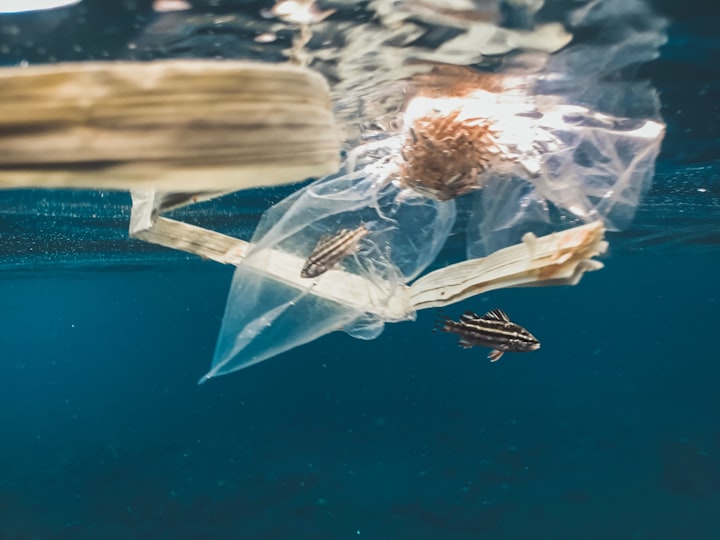
This causes the plastic to end up in natural environments, most commonly the ocean. Iucn.org reports that 14 million tons of plastic end up in the ocean every single year. The pollution that these plastic particles create threatens many marine ecosystems and human health.
Marine ecosystems are in danger because of these plastics. Marine wildlife often mistakes plastic for food, and end up starving to death without the proper nutrients from real food. Other marine wildlife gets caught in the plastic and will end up with plastic-related injuries (lacerations, internal damage from ingestion, etc.) that could ultimately cause death. Ecosystems could collapse if the marine wildlife is dying out because it'll decrease the food web.
Human health is also affected by plastic pollution in the ocean. Toxic contaminants can enter the human body when an individual is in the ocean. Iucn.org states that toxic "carcinogenic [materials] interfere with the body's endocrine system, causing developmental, reproductive, neurological, and immune disorders in both humans and wildlife." Not only that, but if humans eat seafood that had previously ingested microplastics, then it is possible that that human has also indirectly ingested harmful microplastics themselves.
What can you do about plastic waste?
The best way to prevent plastic waste is to prevent the production of more.
1. Buy reusable products. A good start is replacing plastic water bottles with reusable (eco-friendly) ones.
2. Reuse. An example of this is if you order takeout food that comes in plastic containers, you could always wash them and reuse them a couple more times instead of tossing them out immediately after you are done with them.
3. Reduce. Instead of getting new plastic bags every time you go shopping at your local grocery store, bring your own bags. Using less plastic bags will slow down the need to produce more.
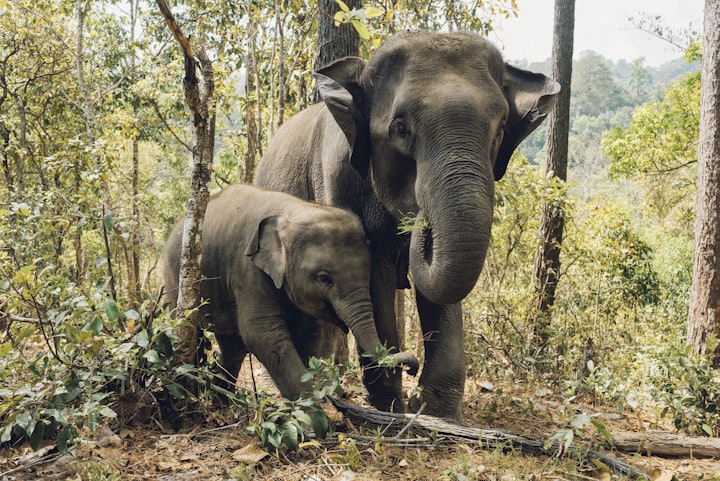
It may not feel like contributing much, but one piece of plastic could cause the endangerment of wildlife. Each piece of plastic being prevented matters, and it is important to do your part to fix this ongoing problem.
----Read More----
This story was originally posted on Medium.com (with slight modifications).
A story similar to this: These 9 Endangered Animals are Essential to the Survival of Many Ecosystems
My Top Stories: Top 10 most Controversial MCU (Marvel Cinematic Universe) Topics
Why Putting Your Pronouns in Your Bio Helps, Even if You're Not Transgender
My Latest Story: What I Lost and What I Found in 2021
About the Creator
Annie
she/her
Huge Landslide Leaves Sicilian Homes Teetering on Cliff Edge
A massive landslide in Sicily has left dozens of homes perched dangerously on the edge of a collapsing cliff, forcing evacuations and raising urgent concerns about safety, climate resilience, and long-term urban planning. The dramatic incident unfolded after days of heavy rainfall weakened the soil beneath a coastal residential area, causing large sections of land to slide away into the sea.
By Sajida Sikandar6 days ago in Earth
‘Final Nail in Coffin’: Scottish Sector Under SNP Tax Threat
A growing political and economic debate is unfolding in Scotland as critics warn that proposed or expanding tax pressures under the Scottish National Party (SNP) government could act as the “final nail in the coffin” for a struggling sector of the economy. Business groups, industry leaders, and political commentators are increasingly raising concerns about competitiveness, investment, and long-term sustainability.
By Aarif Lashari2 days ago in Earth
Not Just For Clean Up: A History Of The MCU's Department of Damage Control
Initially an organisation that seemed to exist to help the heroes of the Marvel Cinematic Universe, from Phase Four onwards, the Department of Damage Control has shifted into a more antagonistic role. Most recently seen in the Wonder Man series, the current incarnation of Damage Control seems to target superpowered individuals, regardless of whether that person poses an active or intentional threat.
By Kristy Anderson2 days ago in Geeks



Comments
There are no comments for this story
Be the first to respond and start the conversation.