
Education 2.0 Experts Outline Why Students Are The Primary Targets Of AI-Powered Scam Offenses
Education Experts Warn Students About AI-Powered Fraud

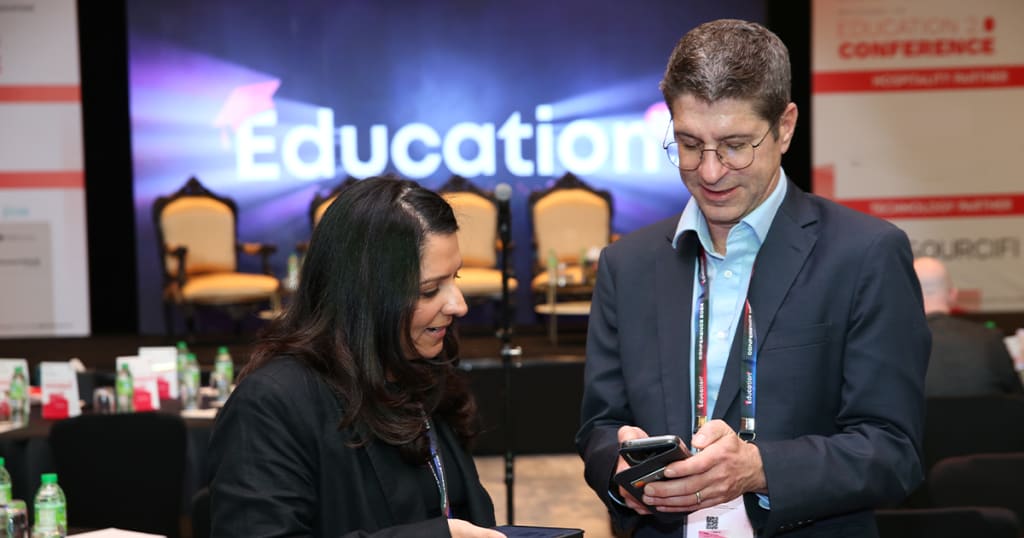
Artificial intelligence is reshaping education at an unprecedented pace. From virtual classrooms and adaptive learning platforms to automated admissions support and global scholarship discovery tools, AI has made education more accessible than ever. However, this rapid digitization has also created fertile ground for fraud. As education systems increasingly move online, students have emerged as the primary targets of AI-powered education fraud.
As highlighted by experts at the Education 2.0 Conference, modern educational scams are no longer easy to detect. They are highly sophisticated, deeply personalized, and often indistinguishable from legitimate academic services. Understanding why students are targeted and how AI amplifies education fraud has become essential in today’s digital learning environment.
The Expanding Digital Education Landscape
The education sector has undergone a massive digital transformation. Universities offer online degrees, certification platforms advertise career-ready courses, and admissions processes are increasingly automated. AI-driven chatbots respond to queries in real time, while recommendation engines guide students toward programs and institutions.
This digital expansion has increased convenience but reduced face-to-face verification. Fraudsters exploit this gap by using AI tools to replicate institutional workflows, academic language, and communication styles. As a result, students often interact with trusted systems without realizing they may be fraudulent.
Why Students Are The Primary Target
In an increasingly digital education ecosystem, students have become the most attractive targets for AI-driven fraud schemes. Here are some reasons:
High Stakes And Emotional Investment
Education decisions carry long-term consequences. Students invest time, money, and emotional energy into choosing institutions, programs, and career paths. Fraudsters leverage this emotional investment by presenting opportunities that promise academic success, financial relief, or faster career outcomes. AI-powered messaging enhances persuasion by tailoring content to individual goals and anxieties.
Inexperience With Complex Education Systems
Many students, especially first-generation learners or those applying internationally, lack familiarity with admissions procedures, accreditation standards, and funding structures. This knowledge gap makes it easier for scammers to introduce false claims without immediate suspicion. AI removes obvious warning signs, making fraudulent communication appear polished and credible.
Constant Digital Engagement
Students are highly active online. They search for programs, follow education influencers, join student forums, and engage with ads related to learning and career growth. AI-driven fraud schemes track these behaviors and target students precisely when they are most receptive to offers.
How AI Has Transformed Education Fraud
Advanced Impersonation Techniques
According to insights from education event experts, AI enables fraudsters to impersonate universities, government agencies, and education consultancies convincingly. Machine-generated emails replicate official tone and formatting. Fake portals mirror real admissions dashboards. Even phone calls and voice messages can be generated using AI voice cloning, further blurring the line between real and fake.
Hyper Personalized Scams
Unlike traditional mass scams, AI-powered education fraud is personalized. Messages may reference a student’s academic interests, recent searches, or geographic location. This personalization creates a false sense of legitimacy and increases trust. Students feel the opportunity is uniquely suited to them, making them more likely to engage.
AI-Generated Proof Of Legitimacy
Fraudsters now use AI to fabricate testimonials, certificates, faculty profiles, and institutional rankings. Deepfake videos of professors or student alumni may be used to reinforce credibility. These fabricated assets make fraudulent institutions appear established and reputable.
Common Forms Of AI-Powered Education Fraud
Here are some common types of AI-powered fraud shared by the experts of the 2025 education event, notably the Education 2.0 Conference:
Fake Universities And Degree Programs
One of the most damaging scams involves fake universities offering accredited degrees online. These platforms often claim international recognition and flexible learning models. AI-generated content ensures professional websites, detailed curricula, and responsive support systems. Students usually discover the fraud only after investing significant time and money.
Scholarship And Grant Fraud
AI-powered scams frequently target students seeking financial aid. Messages promise guaranteed scholarships or exclusive grants with minimal eligibility requirements. Students are asked to pay application or processing fees or provide personal data. These scams exploit financial stress and academic ambition.
Certification And Exam Manipulation Scams
Some schemes offer leaked exam papers, guaranteed certification, or accelerated credentials. AI-generated communication mimics official exam boards and professional organizations. Participation in such fraud can lead to academic disqualification and long-term reputational damage.
Admissions And Visa Assistance Fraud
International students are particularly vulnerable. Fraudsters pose as authorized education consultants offering guaranteed admissions or visa approvals. AI-powered chat systems provide detailed guidance that appears legitimate, convincing students to pay hefty fees or submit sensitive documents.
How Students Can Safeguard Themselves
Protecting against AI-powered education fraud begins with awareness, critical evaluation of digital information, and proactive verification of every academic opportunity encountered. Here are some ways shared by the education conference experts:
Verify Before You Trust
Students should verify institutions through official accreditation bodies and government education portals. Legitimate institutions provide transparent contact information and verifiable credentials.
Question Guarantees And Urgency
No genuine education provider guarantees admissions, scholarships, or exam outcomes. Pressure tactics and time-limited offers are major red flags.
Protect Personal And Financial Information
Sensitive documents and payment details should only be shared through verified, secure platforms. Students should avoid responding to unsolicited requests for personal data.
Seek Independent Guidance
Consulting trusted counselors, official university representatives, or recognized education platforms can help validate opportunities and prevent costly mistakes.
Staying Safe In The Age Of AI Education
AI has brought remarkable innovation to education, but it has also empowered a new generation of fraud. Students remain the primary targets because of their ambition, digital presence, and limited experience navigating complex education systems. As AI-powered education fraud becomes more sophisticated, awareness and critical evaluation are essential defenses. By understanding the risks and adopting the cautious practices shared by experts at the 2025 education conferences, such as the Education 2.0 Conference, students can protect their academic journeys and engage safely with the future of digital education.
About the Creator
Education 2.0 Conference
A 3-day education event, Education 2.0 Conference, brings forth notable leaders from all over the world under one roof to network, collaborate, and discuss the issues and challenges of the sector while finding possible solutions.
Keep reading
More stories from Education 2.0 Conference and writers in Education and other communities.
Education 2.0 Conference Warns Learners About Scam Job-Placement Pitches Disguised As Academic Support
Scammers are no longer operating on the fringes of the internet. They are targeting trusted spaces, including academic support and career guidance. As higher education extends beyond classrooms and degrees, learners increasingly seek placement assistance, mentorship, and real-world exposure. This shift has created room for scam job-placement pitches disguised as legitimate academic services.
By Education 2.0 Conference2 months ago in Education
Why the Bancassurance Market Is Redefining the Way Financial Protection Is Delivered?
The financial services industry is evolving rapidly as institutions seek more integrated and customer-focused service models. Consumers today prefer convenience, streamlined processes, and trusted relationships when managing their financial needs. Within this changing environment, the bancassurance market has gained increasing importance by combining banking services with insurance distribution under a unified framework.
By Akshay Kumar6 days ago in Education
Lewis Temple
In the bustling port city of New Bedford, Massachusetts, where the salty air mixed with the clang of metal and the shouts of sailors preparing for months-long voyages, stood a man whose name would one day be etched into maritime history—though not nearly as widely as it deserved. Lewis Temple, born in 1800, was not a sea captain, nor a harpooner, nor a weathered whaleman hardened by years on open waters. He was a blacksmith—self‑taught, sharp‑minded, and extraordinarily skilled with iron. Yet it would be this man, working far from the decks of whaling ships, who would reshape an entire global industry.
By TREYTON SCOTTabout 9 hours ago in Education




Comments
There are no comments for this story
Be the first to respond and start the conversation.