
France Cement Market Outlook Infrastructure Development and Sustainable Construction Driving Growth 2026–2034
Rising Urbanization and Green Building Initiatives Propel Demand for Innovative Cement Solutions
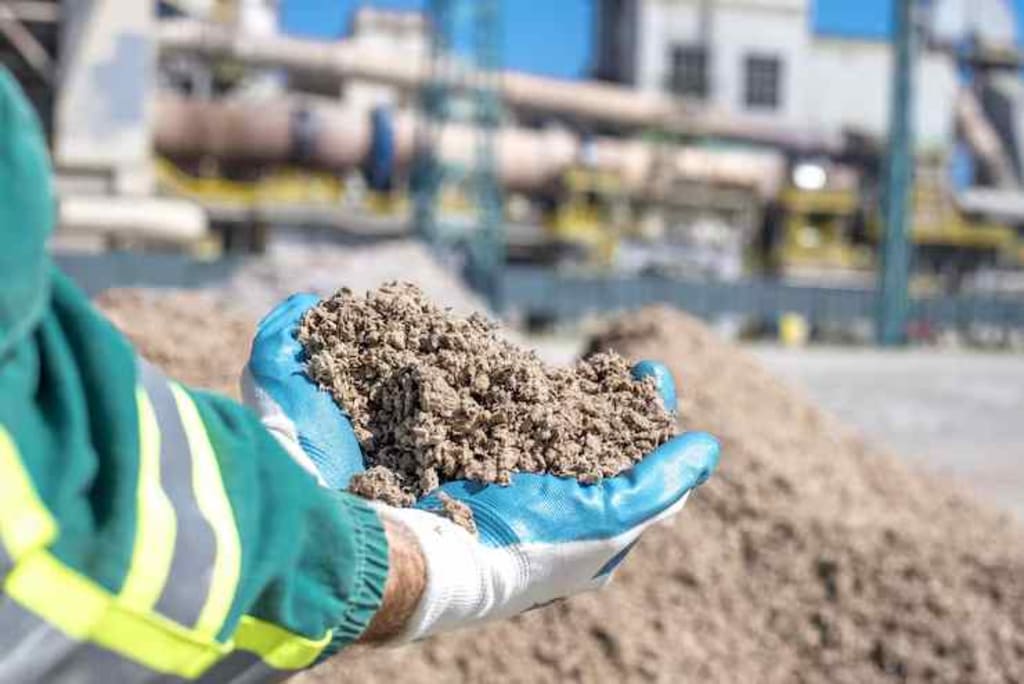
The France cement market was valued at USD 13,501.05 million in 2025, underscoring its critical role in supporting the nation’s construction and infrastructure ecosystem. Cement remains one of the most essential raw materials in the built environment, forming the backbone of residential housing, commercial complexes, transportation networks, and industrial facilities. As France continues to modernize its infrastructure while aligning with ambitious environmental goals, the cement industry is positioned at the intersection of economic growth and sustainable transformation.
Looking ahead, the market is projected to reach USD 20,912.99 million by 2034, expanding at a compound annual growth rate (CAGR) of 4.98% during 2026–2034. This steady and healthy growth rate reflects sustained demand across multiple construction segments, as well as significant investment in green technologies and infrastructure renewal. The nearly USD 7.4 billion increase in market value over the forecast period signals strong confidence in France’s long-term development trajectory.
One of the most prominent drivers of growth in the France cement market is large-scale infrastructure investment. The French government continues to prioritize modernization of transportation networks, including highways, bridges, railways, and urban transit systems. Public infrastructure upgrades require substantial cement consumption, particularly for reinforced concrete applications. As urban populations expand and mobility demands increase, cement remains indispensable for durable and high-capacity infrastructure projects. Additionally, France’s efforts to strengthen its renewable energy infrastructure, such as wind farms and solar installations, contribute to additional cement demand for foundations and structural components.
Residential construction represents another significant pillar of market expansion. France has experienced consistent demand for housing due to urbanization, demographic shifts, and the need to renovate aging residential buildings. Renovation and retrofitting projects, especially those focused on improving energy efficiency, are generating steady cement usage. Government-backed initiatives encouraging sustainable housing and thermal insulation upgrades are also stimulating activity within the residential sector. As developers pursue modern, energy-efficient homes, cement remains a foundational material for both structural integrity and long-term durability.
Commercial and industrial construction activities further enhance market momentum. Office spaces, logistics centers, retail developments, and manufacturing facilities all rely heavily on cement-based materials. The expansion of e-commerce has accelerated the construction of warehouses and distribution hubs, which require robust flooring and structural foundations. Meanwhile, industrial modernization efforts across sectors such as automotive, aerospace, and manufacturing support additional cement demand.
Sustainability has emerged as a transformative force within the French cement industry. As part of the broader European Union climate strategy, France is actively pursuing carbon reduction and environmental responsibility targets. Cement production is traditionally energy-intensive and associated with significant carbon emissions. In response, manufacturers are investing in innovative technologies to lower their environmental footprint. This includes the development of low-carbon cement alternatives, increased use of supplementary cementitious materials such as fly ash and slag, and adoption of alternative fuels in kiln operations.
The shift toward blended cements and clinker substitution plays a critical role in reducing emissions while maintaining performance standards. Producers are also implementing energy-efficient kilns, carbon capture initiatives, and digital process optimization to enhance sustainability. These technological advancements not only align with regulatory requirements but also improve operational efficiency and cost management. As environmental compliance becomes increasingly stringent, companies that prioritize green innovation are likely to gain competitive advantages.
Digital transformation within the construction industry also supports cement market growth. Advanced project management tools, Building Information Modeling (BIM), and automation technologies are streamlining construction processes and increasing demand for consistent, high-quality cement products. Precision engineering and performance-based construction standards require reliable materials that meet strict specifications. Cement manufacturers are therefore focusing on product consistency, durability, and specialized formulations to meet evolving industry needs.
The competitive landscape of the France cement market is characterized by a combination of established multinational corporations and domestic producers. Large-scale companies benefit from extensive distribution networks, integrated supply chains, and advanced research capabilities. Meanwhile, regional producers often focus on localized supply, customer relationships, and tailored product offerings. Strategic mergers, acquisitions, and partnerships are common within the sector, aimed at expanding production capacity and strengthening market presence.
Despite strong growth prospects, the market faces several challenges. Energy costs remain a critical concern, as cement production requires substantial fuel and electricity inputs. Fluctuations in energy prices can directly impact manufacturing costs and profit margins. Additionally, raw material availability and transportation logistics play a significant role in operational efficiency. Strict environmental regulations may require continuous investment in emission control technologies and compliance systems, adding to capital expenditure requirements.
Economic cycles and construction sector volatility can also influence cement demand. While long-term infrastructure plans provide stability, short-term fluctuations in housing or commercial development may create temporary demand variations. However, the essential nature of cement in both new construction and renovation projects helps maintain a relatively stable baseline demand compared to more discretionary industries.
Export opportunities also contribute to market dynamics. France’s strategic location within Europe enables cross-border trade of cement and clinker products. As neighboring countries pursue infrastructure and housing development, French producers can leverage established logistics networks to expand their reach. International trade relationships and regional demand patterns therefore play a supplementary role in supporting overall market growth.
Looking toward 2034, the projected increase from USD 13,501.05 million in 2025 to USD 20,912.99 million reflects a period of sustained and balanced expansion. The anticipated CAGR of 4.98% highlights a market driven by infrastructure modernization, residential and commercial construction growth, and technological transformation. Sustainability initiatives will remain central to industry evolution, encouraging innovation in low-carbon production methods and resource efficiency.
In conclusion, the France cement market stands as a critical component of the country’s economic and structural development. With strong government support for infrastructure projects, rising housing demand, commercial expansion, and a firm commitment to environmental sustainability, the industry is well-positioned for steady growth through 2034. Companies that successfully integrate technological innovation, carbon reduction strategies, and operational efficiency into their business models will be best equipped to capitalize on expanding opportunities in this evolving and essential market.
About the Creator
Keep reading
More stories from Neeraj kumar and writers in Education and other communities.
Spain Pallet Market Outlook Sustainability Mandates, ESG Compliance, and Advanced Logistics Driving Steady Expansion 2026–2034
The Spain pallet market reached a value of USD 1,103.0 million in 2025, reflecting its essential role within the country’s logistics, manufacturing, and export-driven economy. Pallets form the backbone of supply chain operations, enabling the safe storage, handling, and transportation of goods across industries. According to projections by IMARC Group, the market is expected to grow to USD 1,565.8 million by 2034, expanding at a compound annual growth rate (CAGR) of 3.97% during 2026–2034. This steady growth trajectory highlights the increasing strategic importance of pallet solutions in an era defined by sustainability requirements, operational efficiency, and evolving industrial standards.
By Neeraj kumarabout 8 hours ago in Education
Creating Measurable Community Progress Through Results-Driven Philanthropic Leadership
Results-driven philanthropic leadership is essential for building strong, self-sustaining communities. It transforms charitable intent into structured initiatives that prioritize measurable outcomes and long-term development. Leaders who focus on results understand that sustainable impact requires planning, accountability, and coordinated collaboration.
By John Olin Killgore4 days ago in Education



Comments
There are no comments for this story
Be the first to respond and start the conversation.