
Implementing 3D Scanning For Heritage Preservation in HBIM Standards
Bridging Digital Documentation and Cultural Conservation

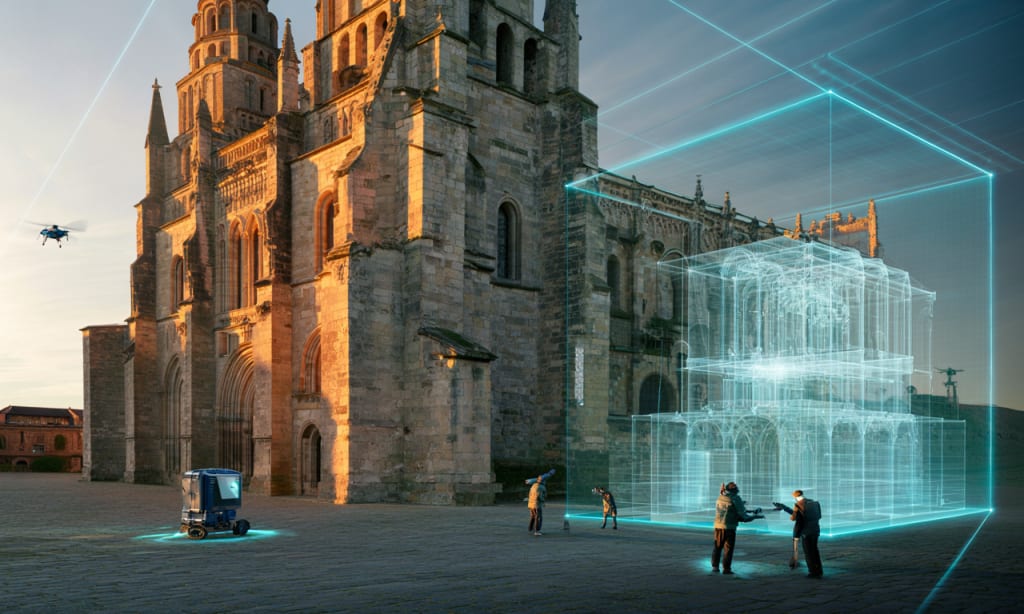
The intersection of cutting-edge technology and cultural heritage has opened unprecedented possibilities for preserving our architectural past. Historic Building Information Modeling (HBIM) combined with 3D scanning technology represents a paradigm shift in how we document, analyze, and conserve heritage structures.
This digital revolution is not merely about creating virtual replicas; it's about establishing comprehensive digital repositories that ensure our architectural legacy endures for generations to come.
Understanding HBIM and Its Role in Heritage Conservation
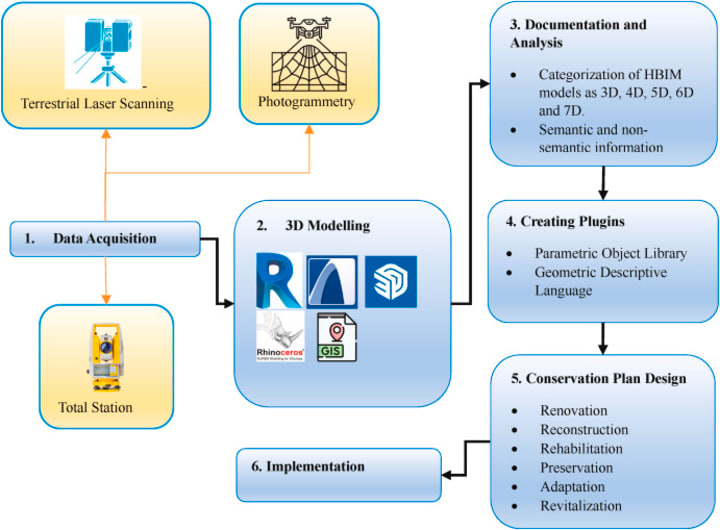
Historic Building Information Modeling extends the principles of traditional BIM to accommodate the unique complexities of heritage structures. Unlike modern buildings designed with digital tools from inception, historic structures require reverse engineering to create accurate digital representations.
HBIM goes beyond simple 3D modeling by incorporating:
- Detailed geometric data capturing irregular forms and historical modifications
- Material properties and degradation patterns specific to heritage construction
- Historical documentation including construction phases and restoration records
- Structural analysis capabilities for conservation planning
Temporal data tracking changes over time
The primary objective is creating intelligent models that serve as living documents, continuously updated throughout a building's conservation lifecycle. These models become invaluable resources for architects, conservators, historians, and facility managers working to preserve cultural heritage.
The Power of 3D Scanning Technology
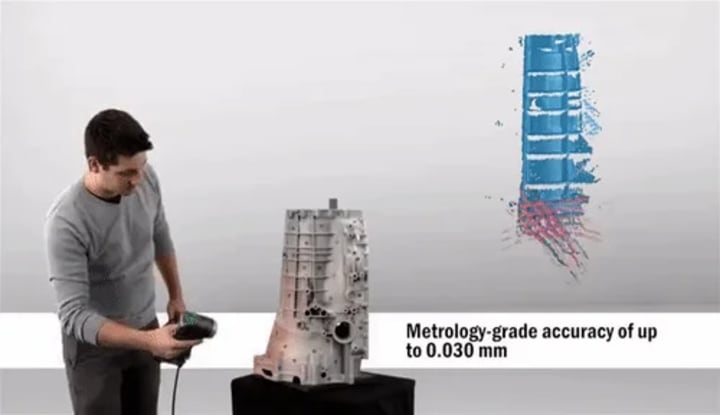
3D scanning technologies have revolutionized heritage documentation by capturing millions of data points in minutes, creating highly accurate digital representations of complex structures. The precision and speed of modern scanners make it possible to document entire buildings, archaeological sites, and intricate architectural details with millimeter-level accuracy.
Types of 3D Scanning Technologies
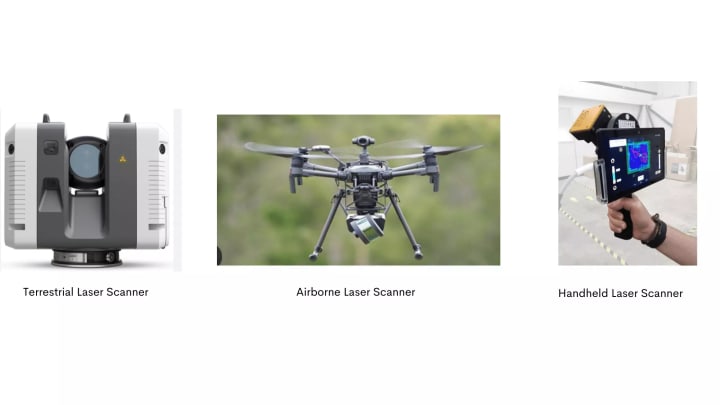
Terrestrial Laser Scanning (TLS) utilizes time-of-flight or phase-shift measurements to capture dense point clouds of building exteriors and interiors. These systems excel at documenting large-scale structures and can capture data from distances exceeding 100 meters with exceptional accuracy.
Photogrammetry employs overlapping photographs processed through specialized software to generate 3D models. This cost-effective approach is particularly valuable for capturing surface textures, decorative elements, and hard-to-reach architectural features using drones or handheld cameras.
Structured Light Scanning projects patterns onto objects and analyzes distortions to create detailed 3D models. This technique proves invaluable for capturing fine details of sculptures, ornamental features, and small-scale architectural elements.
Integration Workflow: From Point Cloud to HBIM
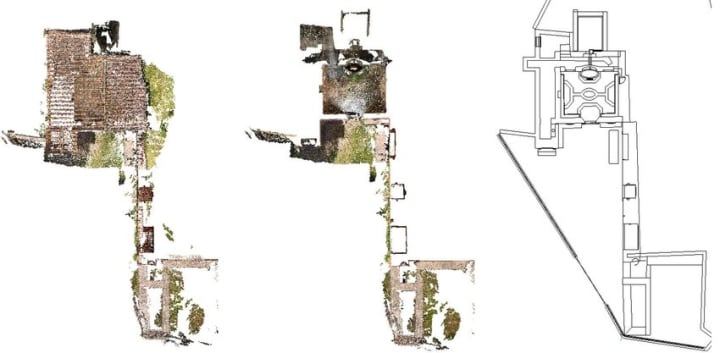
Transforming raw scan data into functional HBIM models requires a systematic approach that balances accuracy with practicality. The workflow encompasses several critical stages, each demanding specialized expertise and careful attention to detail.
Data Acquisition and Planning
Successful heritage documentation begins with comprehensive planning. Conservation teams must identify critical areas requiring detailed documentation, determine appropriate scanning methodologies, and establish accuracy requirements based on project objectives.
Site surveys should consider:
- Access limitations and safety constraints
- Lighting conditions affecting scan quality
- Required resolution levels for different building elements
- Integration with existing documentation and historical records
Point Cloud Processing
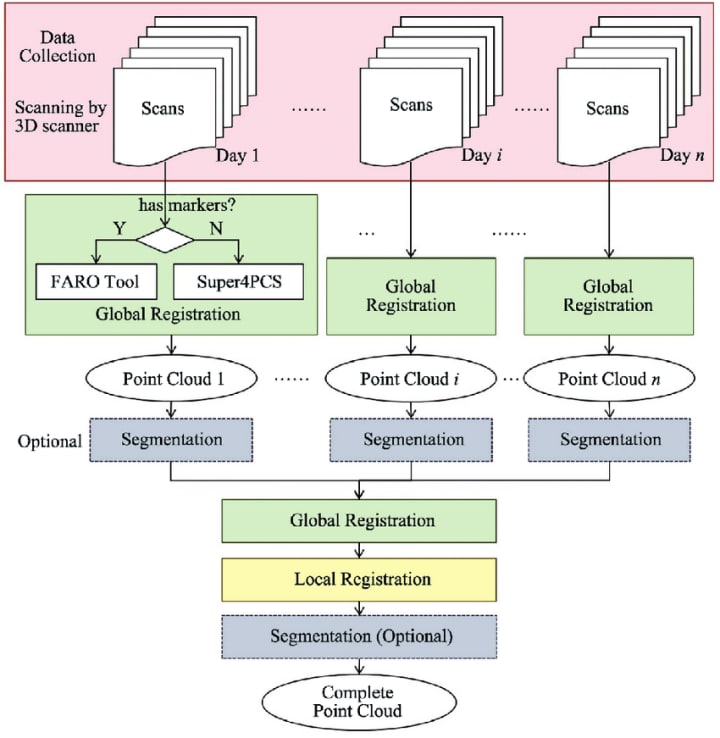
Raw scan data requires substantial processing before becoming usable in HBIM environments. This phase involves registering multiple scans into unified coordinate systems, removing noise and unwanted elements, and classifying point clouds by building components.
Advanced algorithms can automatically identify architectural features such as walls, floors, ceilings, and openings.
However, heritage structures often require manual intervention due to irregular geometries, material complexity, and historical modifications that automated systems struggle to interpret correctly.
Model Generation
Converting processed point clouds into intelligent HBIM objects represents the most labor-intensive phase. Unlike modern buildings with standardized components, heritage structures feature unique elements requiring custom parametric objects.
Modelers must decide appropriate levels of detail for different components, balancing accuracy against model complexity and file size. Critical architectural elements may require precise geometric representation, while less significant features might be simplified to maintain model performance.
Establishing Standards for Heritage Documentation
The absence of universally accepted HBIM standards has historically hindered widespread adoption. However, emerging frameworks are establishing guidelines for consistent heritage documentation practices.
Level of Detail (LOD) Requirements
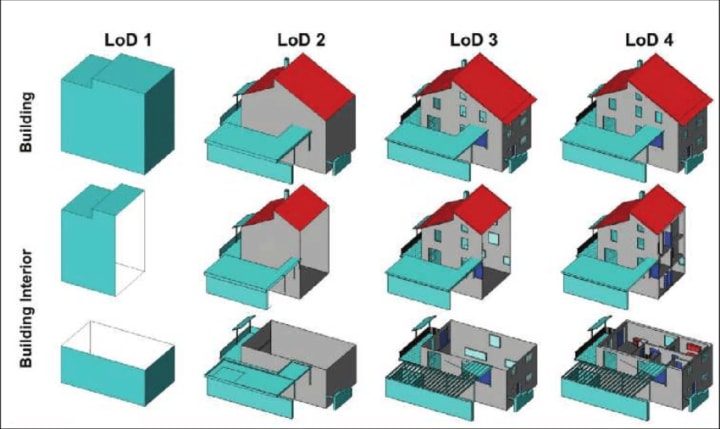
Adapting traditional BIM Level of Detail specifications for heritage contexts requires nuanced approaches. Historic structures demand flexible LOD frameworks acknowledging that different building elements may require varying documentation precision based on their historical significance and conservation needs.
Conservation projects typically employ:
- LOD 100-200 for preliminary surveys and feasibility studies
- LOD 300-350 for detailed conservation planning and permit documentation
- LOD 400-500 for critical restoration work and archival documentation
Geometric and Information Accuracy
HBIM standards must define acceptable geometric tolerances recognizing that perfect accuracy is neither achievable nor necessary for all heritage applications. Documentation should prioritize historical authenticity over idealized geometric perfection.
Information accuracy standards should address:
- Minimum point cloud density requirements for different applications
- Acceptable geometric deviation thresholds
- Documentation requirements for irregular or damaged elements
- Metadata standards for historical and material information
Best Practices for Implementation
Successful HBIM implementation requires adopting proven methodologies while remaining flexible enough to accommodate unique heritage challenges.
Multidisciplinary Collaboration
Heritage preservation demands collaboration among diverse specialists. Archaeologists, historians, structural engineers, conservation architects, and digital documentation specialists must work cohesively throughout the process.
Regular coordination meetings ensure that digital models accurately reflect conservation priorities and historical understanding. This collaborative approach prevents costly rework and ensures that HBIM models serve all stakeholder needs effectively.
Documentation and Metadata Management
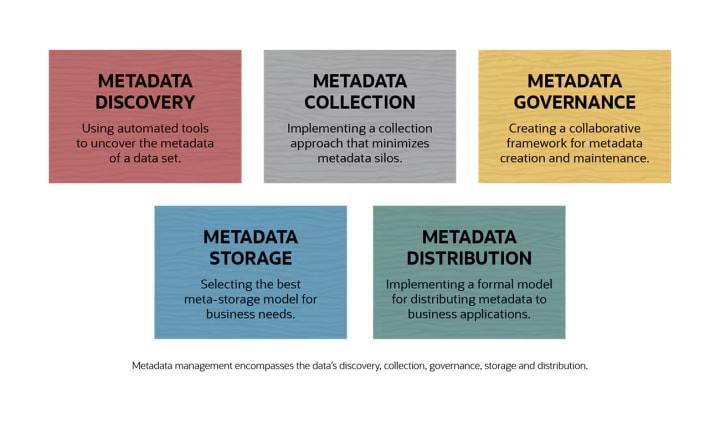
Comprehensive documentation extends beyond geometric accuracy to include rich metadata capturing historical context, material properties, and conservation history. This information transforms static models into dynamic knowledge repositories.
Essential metadata includes:
- Construction dates and historical modifications
- Material composition and degradation assessment
- Previous restoration interventions
- Structural condition reports
- Cultural significance evaluations
Sustainability and Long-Term Accessibility
Digital preservation strategies must address technological obsolescence. HBIM models should be created using open standards and interoperable formats ensuring long-term accessibility regardless of software evolution.
Regular data migration, format updates, and backup strategies protect against data loss. Cloud-based repositories with version control enable distributed access while maintaining data integrity.
Challenges and Future Directions
Despite remarkable advances, several challenges continue complicating HBIM implementation for heritage preservation.
Software Limitations: Current BIM platforms were designed for new construction rather than heritage documentation. Handling irregular geometries, material complexity, and historical uncertainties requires specialized workarounds that increase project complexity.
Cost and Expertise: High-quality heritage documentation remains expensive, requiring specialized equipment and trained personnel. Many heritage organizations lack resources for comprehensive digital documentation programs.
Standardization Gaps: While progress continues, universal HBIM standards specific to heritage applications remain under development. International collaboration is essential for establishing widely accepted protocols.
Conclusion
Implementing 3D scanning within HBIM frameworks represents a transformative approach to heritage preservation. These technologies enable unprecedented documentation accuracy, facilitate informed conservation decisions, and ensure that our architectural heritage can be studied, analyzed, and appreciated by future generations.
As standards mature and technologies become more accessible, HBIM will become the foundation for heritage conservation worldwide. The digital twins we create today will serve as invaluable resources for centuries to come, ensuring that our cultural heritage endures in both physical and digital forms.
Further Reading
About the Creator
Matt Sharon
A professional content writer. Having years of experience in Technology, health, finance, and construction and real estate field. Writing is my passion and I love to play with words Confidently.
Keep reading
More stories from Matt Sharon and writers in Education and other communities.
Role of BIM and 3D Laser Scanning in Meta Data Center Construction Process
The construction of hyperscale data centers for tech giants like Meta demands unprecedented precision, efficiency, and coordination. With millions of square feet of critical infrastructure housing thousands of servers, networking equipment, and cooling systems, even minor construction errors can lead to costly delays and operational inefficiencies.
By Matt Sharon3 months ago in Education
Breakthrough Technologies Every Chemical Engineer Should Know About
The chemical engineering profession is undergoing a transformation fueled by technological advancements. From digital innovation to sustainable manufacturing, new tools and methods are expanding what chemical engineers can accomplish. Staying informed about these breakthroughs is essential for those who want to remain at the forefront of the field.
By Kyle Vandermolen8 days ago in Education


Comments (1)
It is amazing what we can accomplish with technology today, that is good rather than destructive