
Let’s Talk About It: The Truth, Myths, and Importance of Sex Education
Breaking the Silence Around Sex Education—Empowering Youth with Knowledge, Confidence, and Respect
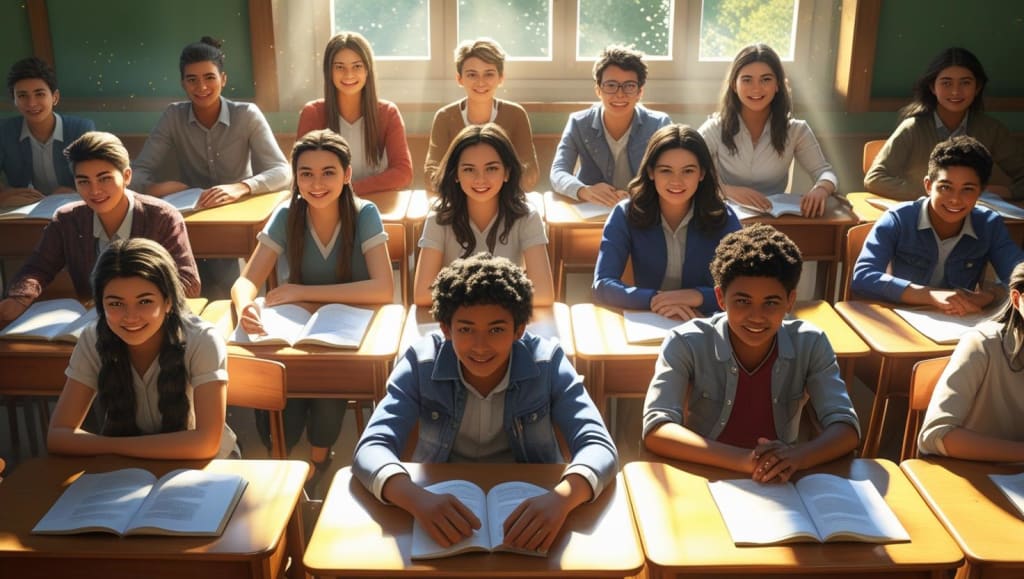
Let’s Talk About It: The Truth, Myths, and Importance of Sex Education
For many people, the words “sex education” spark discomfort, controversy, or even embarrassment. But what if we changed that? What if, instead of silence and shame, we led with honesty, respect, and empowerment?
Sex education is more than just biology—it’s about self-awareness, communication, emotional intelligence, boundaries, and respect for ourselves and others. In a world flooded with misinformation and unrealistic portrayals of sex in media, comprehensive sex education isn’t a luxury—it’s a necessity.
The Silence Hurts More Than the Truth Helps
Despite living in a hyper-connected world, many young people still grow up with serious gaps in their knowledge about sex, relationships, consent, and health. In fact, many teens report turning to the internet—or worse, pornography—as their primary source of sex education.
Why? Because parents are uncomfortable, schools are restricted, and culture often avoids honest conversations. The result is a generation of youth navigating relationships and sexuality with confusion, fear, and risk.
This silence creates space for myths to take root:
That asking questions is wrong.
That sex equals shame.
That consent is confusing.
That certain bodies or identities aren’t "normal."
These aren’t just myths—they’re harmful lies.
What Is Comprehensive Sex Education?
Comprehensive sex education is a curriculum that covers more than just reproduction. It includes topics like:
Anatomy and puberty
Consent and communication
Gender identity and sexual orientation
Healthy vs. unhealthy relationships
Contraception and STIs
Emotional readiness and boundaries
It’s age-appropriate, medically accurate, and inclusive. More importantly, it treats sex as part of life—not something to be feared, ignored, or judged.
Why It Matters
1. It Reduces Risky Behavior
Studies have consistently shown that students who receive comprehensive sex education are less likely to engage in risky sexual behavior, less likely to contract STIs, and more likely to use protection.
2. It Promotes Consent and Respect
Teaching about consent doesn’t "encourage kids to have sex"—it teaches them how to recognize and honor boundaries. In a world where sexual assault and harassment are rampant, this knowledge is life-changing.
3. It Supports Mental Health
Sex education also reduces shame, fear, and anxiety around sex and identity. When young people are allowed to ask honest questions and receive real answers, they feel more secure, accepted, and confident.
4. It Fosters Inclusion
Too often, LGBTQ+ youth are left out of sex ed entirely. Inclusive education affirms that everyone deserves safety and respect, regardless of who they are or who they love.
5. It Builds Communication Skills
Talking about bodies and boundaries in a respectful, safe way builds lifelong skills. Whether in friendships, romantic relationships, or family life, communication is key—and sex education helps develop it early.
Addressing Common Fears
Many critics fear that teaching sex ed "encourages promiscuity." But data doesn’t support that. In fact, youth who receive comprehensive sex education tend to wait longer to have sex and are better prepared when they do.
Others argue it’s “the parents’ job.” And yes—parents absolutely play a vital role. But not all parents are equipped or willing to have these conversations. Sex ed in school doesn’t replace family values—it supplements them with facts.
We don’t tell kids to “figure out” math or science on their own. Why should we do it with something as serious as their sexual health?
A Call for Change
It’s time to replace shame with education. To empower young people with knowledge—not fear. To stop treating sex like a dirty secret and start seeing it as a natural, human experience that deserves honest, open, and respectful discussion.
Young people today are smart. They’re curious. And they’re already being exposed to information—whether we provide it or not. The question is: Do we want them to learn from social media influencers, internet searches, and TV dramas—or from trained educators who care?
Final Thoughts
Sex education is not about encouraging behavior—it’s about building a foundation of respect, safety, and self-understanding. Whether you’re a parent, teacher, student, or advocate, you have a role to play in breaking the silence.
Let’s talk about it. Honestly. Openly. Respectfully.
Because when we do, we don’t just prevent harm—we build stronger, safer, and healthier communities.
About the Creator
Hasbanullah
I write to awaken hearts, honor untold stories, and give voice to silence. From truth to fiction, every word I share is a step toward deeper connection. Welcome to my world of meaningful storytelling.
Keep reading
More stories from Hasbanullah and writers in Education and other communities.
The Rise of Private Universities: A Hidden Growth Driver in the German Education Market
Germany has long stood as the global poster child for accessible higher education. For decades, the country has prided itself on a state-funded public university system that charges virtually zero tuition. However, a quiet yet powerful revolution is currently reshaping this academic landscape. Private universities are no longer just a niche alternative for the wealthy elite; they have evolved into a critical growth engine for the entire sector.
By Joey Mooreabout 17 hours ago in Education
A Practical Guide to Bankroll Strategy for Long-Term Poker Success
Poker is a game of skill, patience, and discipline. Many players focus only on reading opponents or learning odds. Yet one key factor often decides who lasts in the game. That factor is bankroll strategy for long-term poker success.
By Micah Raskin Poker a day ago in Education
Where there's Art there's Heart
Here's a stupid thing: I adore art, but I start to panic whenever I step into a gallery. In the one place I should be at my contented best - surrounded by walls teeming with creative expression - I fall apart. What ought to be an enriching experience, tacitly designed to facilitate the exploration of human empathy and perspective, is for me an overwhelming purgatory of anxiety that compresses me to the point I cannot breathe. At the same time, I experience a sense of extraction, as though my head is being prized open to create a hole so big my sanity could evaporate. Somewhere between these two opposing forces of vice and vortex, I feel myself dissolving in a stream of panic that makes me want to cry; and I feel so daft feeling this way, that all I want to do is run for the hills.
By Caroline Jane2 days ago in Humans


Comments (1)
Alice telas thank you and keep supporting