
Our Planet Earth
The Unique and Dynamic Home of Life in the Universe
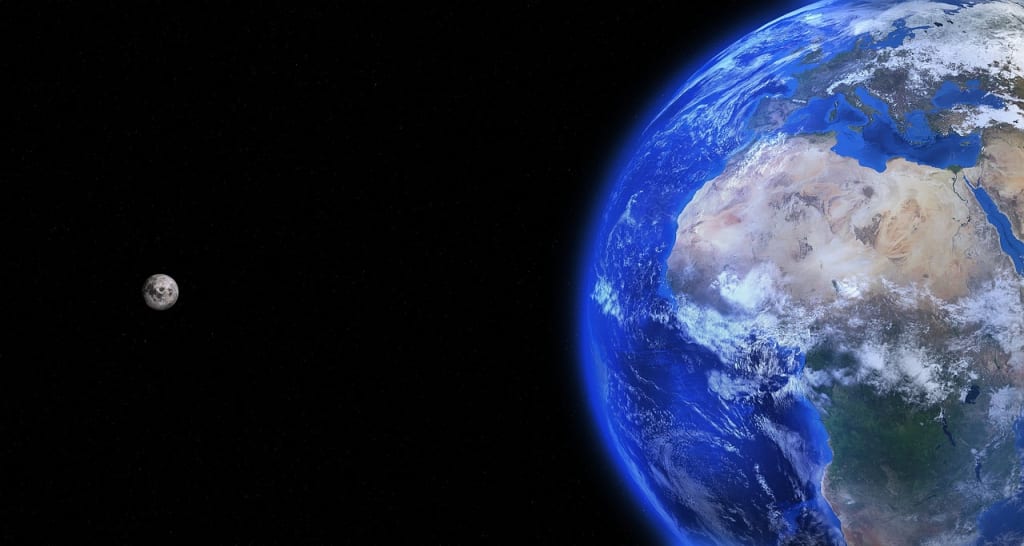
Earth, the third planet from the Sun, is a remarkable celestial body that has captivated human imagination for centuries. It is the only known planet that supports life, a fact that underscores its unique significance in the vast universe. With its diverse landscapes, rich biodiversity, and complex systems, Earth is not just our home; it is a dynamic entity that requires our understanding and protection. In this article, we will explore the formation and structure of Earth, its surface features, atmosphere, biodiversity, and the environmental challenges it faces today.
Formation and Structure:
Formation:
Earth formed approximately 4.5 billion years ago from the solar nebula—a cloud of gas and dust left over from the Sun's formation. As particles collided and coalesced under gravity, they created a molten mass that eventually cooled to form the solid crust we stand on today. This process was not without turmoil; frequent volcanic eruptions and meteorite impacts shaped the early Earth, leading to the formation of oceans and an atmosphere.
Layers of Earth:
Earth is composed of several distinct layers, each with its own characteristics:
- Crust: The outermost layer of Earth is relatively thin compared to the layers beneath it. It consists of continental crust (which forms landmasses) and oceanic crust (which forms the ocean floors). The crust is made up of various rocks and minerals and is where all terrestrial life exists.
- Mantle: Beneath the crust lies the mantle, which extends to about 2,900 kilometers (1,800 miles) below the surface. The mantle is composed of semi-solid rock that flows slowly over geological time. This movement drives plate tectonics, leading to earthquakes and volcanic activity.
- Core: At the center of Earth lies the core, which is divided into two parts: the outer core and the inner core. The outer core is liquid and composed mainly of iron and nickel, while the inner core is solid due to immense pressure. The movement of molten iron in the outer core generates Earth's magnetic field.
Surface Features:
Landforms:
Earth's surface is a tapestry of diverse landforms created by geological processes over millions of years. Major landforms include:
- *Mountains: Formed by tectonic forces or volcanic activity, mountains are among Earth's most prominent features. The Himalayas, for example, were formed by the collision of tectonic plates.
- Valleys: Often formed by erosion or glacial activity, valleys can be found between mountains or as low-lying areas in plains.
- Plains: These flat or gently rolling areas are typically fertile and support agriculture. They are often found near rivers or coastlines.
- Oceans: Covering about 70% of Earth's surface, oceans are vital for climate regulation and support a vast array of marine life.
Water Bodies:
Water plays a crucial role in sustaining life on Earth. Oceans not only provide habitat for countless species but also regulate temperature and weather patterns through currents and evaporation. Freshwater sources such as rivers, lakes, and glaciers are essential for drinking water, agriculture, and industry.
Atmosphere:
The atmosphere is a thin layer of gases surrounding Earth, essential for life as we know it. Composed primarily of nitrogen (78%) and oxygen (21%), with trace amounts of other gases like carbon dioxide and argon, the atmosphere serves several critical functions:
- Climate Regulation: The atmosphere helps maintain temperatures suitable for life through greenhouse gases that trap heat.
- Protection: It shields Earth from harmful solar radiation and meteoroids.
- Weather Systems: Atmospheric dynamics drive weather patterns that influence ecosystems globally.
Biodiversity:
Earth boasts an incredible variety of life forms—estimated at millions of species—each adapted to its environment. Biodiversity encompasses all living organisms, including plants, animals, fungi, and microorganisms. Key aspects include:
- Ecosystems: Complex networks where organisms interact with each other and their physical environment. Examples include forests, deserts, wetlands, and coral reefs.
- Importance: Biodiversity contributes to ecosystem services such as pollination, nutrient cycling, water purification, and climate regulation. It also provides resources for food, medicine, and materials.
Environmental Challenges:
Despite its resilience, Earth faces significant environmental challenges primarily driven by human activities:
- Climate Change: Rising greenhouse gas emissions from burning fossil fuels have led to global warming. This phenomenon results in extreme weather events, rising sea levels, and disruptions to ecosystems.
- Deforestation: The clearing of forests for agriculture or urban development threatens biodiversity and contributes to carbon emissions.
- Pollution: Air, water, and soil pollution from industrial activities harm ecosystems and human health.
- Overexploitation: Unsustainable fishing practices and wildlife trade deplete natural resources faster than they can regenerate.
Conservation Efforts:
To combat these challenges, global efforts are underway to promote sustainability:
- Protected Areas: Establishing national parks and reserves helps conserve ecosystems and biodiversity.
- Sustainable Practices: Encouraging sustainable agriculture, fishing practices, and renewable energy sources can reduce environmental impact.
- Education and Awareness: Raising public awareness about environmental issues fosters a culture of conservation.
Conclusion:
Our planet Earth is a complex system teeming with life and natural wonders. Understanding its formation, structure, surface features, atmosphere, biodiversity, and environmental challenges equips us with knowledge essential for stewardship. As inhabitants of this beautiful planet, we have a responsibility to protect it for future generations. By embracing sustainable practices and advocating for conservation efforts worldwide, we can ensure that Earth remains a vibrant home for all living beings. Let us cherish our planet—its beauty is unmatched; its importance cannot be overstated.
About the Creator
⭐ Personal Positive Review
Building credit used to feel like an impossible task for me. Every time I tried to get approved for something—whether it was a small loan, a credit card, or even an apartment—the answer was always the same: “You need more credit history.” But how was I supposed to get credit history when nobody wanted to approve me in the first place? It felt like one of those never‑ending cycles where you’re stuck at the bottom and don’t know how to take the first step upward.
By Organic Products 4 days ago in Education




Comments
There are no comments for this story
Be the first to respond and start the conversation.