
Portugal Residential Real Estate Market Outlook Foreign Investment, Tourism, and Urban Regeneration Driving Growth 2025–2033
Foreign Investment, Tourism Expansion, and Urban Regeneration Fuel Market Growth
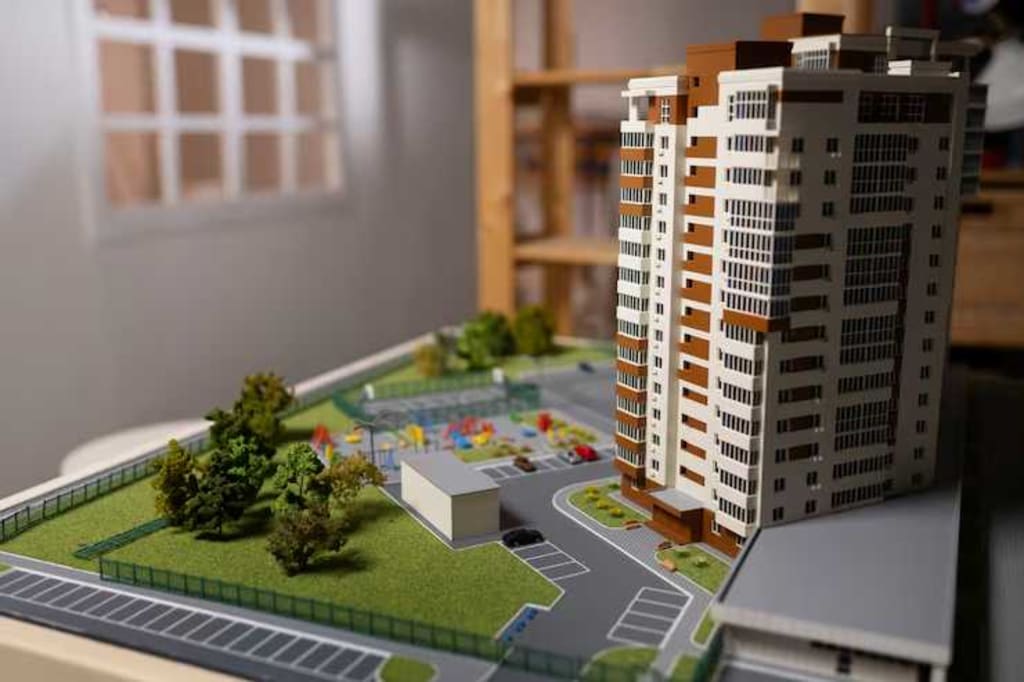
The residential real estate market in Portugal reached a value of USD 42.60 billion in 2024, reflecting a combination of domestic demand, international investment, and urban development trends. Over the past decade, Portugal has become increasingly attractive to both local buyers and foreign investors due to its lifestyle benefits, favorable climate, and secure environment. Market forecasts indicate that by 2033, the residential sector could reach USD 106.93 billion, growing at a compound annual growth rate (CAGR) of 9.65% from 2025 to 2033.
This growth reflects strong structural trends in Portugal’s housing market, including the influence of foreign buyers, tourism-driven demand, and urban regeneration initiatives. Even as certain residency programs, such as the Golden Visa, have been amended, Portugal continues to attract international investment, supported by favorable tax regimes for non-residents.
Influence of Foreign Buyers
Foreign investment has been a major driver of Portugal’s residential market. Non-resident buyers are drawn by competitive taxation, long-term residency opportunities, and the potential for rental income. While some regulations around the Golden Visa program have changed in recent years, the country’s favorable financial incentives remain appealing to international investors.
Key urban areas, particularly Lisbon and Porto, have seen a concentration of foreign investment. Coastal regions such as the Algarve also continue to attract buyers interested in vacation homes or rental properties. The presence of international buyers has contributed to rising property values, particularly in central urban neighborhoods and prime coastal areas.
Role of Tourism and Short-Term Rentals
Tourism expansion is closely linked to residential property demand in Portugal. Cities like Lisbon and Porto, along with regions such as the Algarve, benefit from high seasonal visitor volumes. Short-term rental properties have become a popular investment, offering potential returns that complement traditional long-term rental income.
The tourism sector influences market dynamics by prioritizing locations with strong accessibility, cultural amenities, and lifestyle appeal. Investors often target properties that can be adapted for both personal use and rental purposes. While regulations for short-term rentals are evolving, demand remains robust, and properties in high-tourism zones maintain higher value retention.
Supply Constraints and Urban Regeneration
A restricted supply of residential properties, particularly in city centers, has contributed to upward pressure on prices. Rising building and construction costs further accentuate these trends, as developers must account for material and labor expenses while delivering high-quality projects.
Urban regeneration initiatives in cities such as Lisbon, Porto, and Faro have revitalized previously underdeveloped districts. These programs focus on modernizing housing stock, improving infrastructure, and creating sustainable urban environments. Renovated neighborhoods attract both domestic residents and foreign buyers, enhancing property values and supporting long-term market growth.
Quality of Life and Lifestyle Appeal
Portugal’s appeal extends beyond economic factors. The country offers a high quality of life, a mild climate, safe communities, and accessible healthcare, all of which make it attractive to retirees, expatriates, and lifestyle-focused buyers. Cultural amenities, natural landscapes, and recreational opportunities also contribute to the country’s residential appeal.
These lifestyle considerations play a central role in both urban and coastal housing markets. Areas that combine scenic views, historic architecture, and modern amenities often see higher demand and consistent investment.
Government Investment and Infrastructure
Government initiatives and infrastructure development provide additional support for the residential sector. Investments in transportation networks, public facilities, and digital infrastructure improve connectivity and accessibility, making residential properties in both urban and suburban areas more desirable.
Policies that encourage sustainable housing, renovation of historic buildings, and energy-efficient construction further contribute to long-term growth. These measures enhance the overall attractiveness of Portugal as a residential destination and support higher property values over time.
Future Outlook
The Portugal residential real estate market is projected to more than double in value from USD 42.60 billion in 2024 to USD 106.93 billion by 2033. Factors driving this growth include continued foreign investment, urban regeneration projects, tourism demand, and government-led infrastructure improvements.
While supply constraints and rising construction costs present challenges, the overall market outlook remains positive. High-demand areas such as Lisbon, Porto, and the Algarve will continue to attract significant interest from both domestic and international buyers. The combination of lifestyle appeal, strategic policy support, and urban development projects ensures sustained residential property growth in the coming decade.
About the Creator
Keep reading
More stories from Neeraj kumar and writers in Education and other communities.
France Cement Market Outlook Infrastructure Development and Sustainable Construction Driving Growth 2026–2034
The France cement market was valued at USD 13,501.05 million in 2025, underscoring its critical role in supporting the nation’s construction and infrastructure ecosystem. Cement remains one of the most essential raw materials in the built environment, forming the backbone of residential housing, commercial complexes, transportation networks, and industrial facilities. As France continues to modernize its infrastructure while aligning with ambitious environmental goals, the cement industry is positioned at the intersection of economic growth and sustainable transformation.
By Neeraj kumarabout 4 hours ago in Education
Will Science Replace Wonder? Exploring Curiosity, Discovery, and the Mystery of the Universe
The Ancient Roots of Wonder Long before modern science, humans looked at the night sky with awe. The stars inspired myths, religious narratives, and philosophical reflection. Ancient cultures saw constellations as gods, heroes, or cosmic symbols.
By shahkar jalala day ago in Education
Daily Home Routines That Support Strong Mental Health
Taking care of mental health at home is an essential part of living a balanced and fulfilling life. Our homes should feel like safe and supportive environments where we can relax, reset, and recharge after the challenges of the day. One of the most effective ways to protect emotional well-being is to build healthy routines that create structure, reduce stress, and promote calm. Simple, intentional habits can turn the home into a space that nurtures mental strength and long-term stability.
By Tom Walter Wake Forest4 days ago in Education




Comments
There are no comments for this story
Be the first to respond and start the conversation.