
Redefining Modern Medicine: Global Healthcare Innovation Trends Improving Patient Care Delivery
Innovating Care: How Global Healthcare Trends Are Redefining Modern Medicine


Global healthcare innovation is transforming the way medical services are delivered and experienced. As healthcare systems confront increasing patient demands, workforce pressures, and financial constraints, industry leaders are turning to innovative solutions that enhance quality while improving efficiency. Around the world, hospitals, research centers, and technology firms are working together to create smarter, more responsive care models.
A commitment to patient-centered care and measurable outcomes drives this transformation. By integrating advanced technologies, optimizing workflows, and strengthening collaboration, healthcare organizations are building systems that deliver safer, faster, and more personalized treatment. The following sections highlight the most impactful strategies shaping the future of patient care delivery.
Implementing Interoperable Health Information Systems
One of the most significant advancements in healthcare innovation is the development of interoperable health information systems. These systems allow different providers and facilities to share patient data in real time securely. When clinicians have immediate access to complete medical histories, laboratory results, and imaging records, they can make more accurate and timely decisions.
Interoperability also reduces test and procedure duplication. By eliminating information silos, healthcare organizations streamline care transitions and minimize administrative inefficiencies. This connected approach strengthens continuity of care, improves patient safety, and enhances overall treatment outcomes.
Utilizing Predictive Technology for Early Intervention
Predictive technology is enabling healthcare providers to shift from reactive treatment to proactive care. By analyzing patterns in patient data, advanced algorithms can identify individuals at risk for complications or chronic disease progression. Early alerts allow clinicians to intervene before conditions become severe.
This forward-thinking strategy improves long-term health outcomes and reduces avoidable hospitalizations. Predictive tools also support population health initiatives by highlighting broader trends within communities. With better forecasting capabilities, healthcare leaders can allocate resources more effectively and design targeted preventive programs.
Expanding Community-Based Care Models
Healthcare innovation extends beyond hospital walls. Community-based care models are gaining momentum as providers recognize the importance of localized support. Clinics, mobile units, and outreach programs bring essential services directly to neighborhoods, improving accessibility for vulnerable populations.
These models emphasize preventive care, chronic disease management, and health education. By engaging patients within their own communities, providers foster trust and encourage early treatment. Community-focused strategies reduce emergency visits and support healthier lifestyles through consistent engagement.
Strengthening Patient Safety Through Advanced Monitoring
Advanced monitoring systems play a vital role in improving patient safety. Continuous vital sign tracking and smart alarm systems help detect subtle changes in patient condition. Real-time alerts allow clinical teams to respond quickly, reducing the risk of complications.
In addition, centralized monitoring hubs enable healthcare professionals to oversee multiple patients simultaneously. This enhanced visibility improves coordination and ensures timely intervention. As monitoring technology becomes more sophisticated, healthcare organizations are better equipped to maintain high safety standards.
Driving Innovation in Medical Training and Education
Healthcare leaders understand that innovation requires a well-trained workforce. Modern medical education incorporates simulation technologies, virtual reality platforms, and digital learning tools. These resources provide immersive training experiences that prepare clinicians for complex procedures and emergency scenarios.
Ongoing professional development is equally important. Online courses and collaborative knowledge-sharing platforms enable healthcare professionals to stay up to date on emerging practices. Continuous learning supports higher-quality care and ensures that innovation is effectively integrated into daily operations.
Enhancing Supply Chain Resilience
A resilient supply chain is essential for reliable patient care delivery. Global healthcare organizations are leveraging data analytics and automation to monitor inventory levels and predict supply needs. Improved forecasting reduces shortages of critical medications and equipment.
Diversified sourcing strategies also strengthen system stability. By minimizing dependence on single suppliers, healthcare providers maintain continuity even during disruptions. A robust supply chain supports consistent treatment availability and safeguards patient well-being.
Promoting Mental Health Integration
Mental health integration has become a priority within innovative care models. Providers are incorporating behavioral health services into primary care settings to ensure comprehensive treatment. This holistic approach addresses both physical and emotional well-being.
Early screening and digital counseling tools expand access to mental health support. By reducing stigma and improving availability, healthcare organizations create environments where patients feel comfortable seeking help. Integrated mental health services contribute to more balanced and effective patient care delivery.
Encouraging Transparency and Performance Measurement
Transparency and performance measurement are driving accountability in modern healthcare systems. Quality metrics, patient satisfaction scores, and outcome tracking provide clear benchmarks for improvement. Healthcare leaders use this data to refine processes and enhance service delivery.
Public reporting initiatives also empower patients to make informed choices about their care. When organizations prioritize openness, they build trust and foster stronger relationships with the communities they serve. Continuous evaluation ensures that innovation leads to meaningful improvements in patient outcomes.
Global healthcare innovation continues to reshape the landscape of medicine. Through interoperable systems, predictive technologies, community engagement, and workforce development, industry leaders are building smarter, more resilient care models. These strategies prioritize safety, accessibility, and measurable results.
As innovation accelerates, collaboration and adaptability will remain essential. By embracing forward-looking solutions and maintaining a focus on patient-centered values, healthcare organizations worldwide are redefining care delivery and setting new standards for excellence in modern medicine.
About the Creator
Armin Ernst
Armin Ernst, MD, is a global healthcare executive and pulmonologist known for leading health system reforms, advancing value-based care, and shaping international medical policy.
Portfolio:
Keep reading
More stories from Armin Ernst and writers in Education and other communities.
How Modern Hospital Leaders Use Data to Save More Lives
As healthcare systems move toward technology-supported, evidence-driven decision-making, the role of data in saving more lives has never been more significant. Today’s hospitals generate vast amounts of information, from patient records and lab results to workflow metrics and safety reports. When leaders analyze and apply this data effectively, they can improve outcomes, reduce risks, and guide clinical teams with greater accuracy.
By Armin Ernst17 days ago in Education
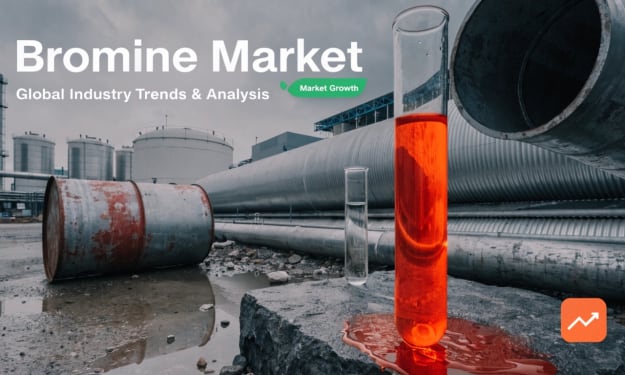
Why Bromine Plays a Crucial Role in Modern Industrial Applications?
Bromine is used in a wide variety of chemical processes and is therefore also used as an additive to make many industrial processes safer or more efficient, including the electric power industry and water disinfection. Although not directly visible to consumers, bromine compounds are behind many everyday systems and advanced technologies.
By deepanshu Thakur2 days ago in Education
Smart Investor’s Guide to Maximizing Rental Income from Property Purchases
Buying property for rental income can build steady wealth over time. But not every home or building will produce strong returns. Some properties look great on the surface but fail to attract good tenants or generate enough cash flow. That is why smart buyers take time to study numbers, location, and demand before making an offer. A careful review process protects your money and improves long-term results. The key is understanding how to measure rental property investment analysis before you commit.
By Ruvim Khemchan3 days ago in Education



Comments