bullying
Porn's Effect on Mental Health and Intimacy. Content Warning. AI-Generated.
In the privacy of a screen, a vast and endless world of sexual content is available instantly and for free. For many, pornography is a source of entertainment, education, or a way to explore fantasies. However, a growing body of psychological and neurological research suggests that consistent consumption, particularly of modern internet pornography, can have a profound and often unintended impact on both mental health and the capacity for real-world intimacy. It functions as a double-edged sword, offering a temporary escape while potentially dulling the very tools we need for genuine connection.
By The 9x Fawdi4 months ago in Education
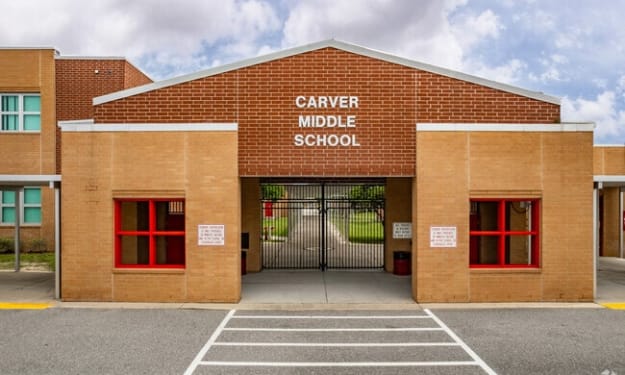
When “Handled Internally” Leaves Students at Risk: The Threat at Carver Middle School
By Kyle Fields October 14, 2025 — Lake County, Florida Last Wednesday, October 8, 2025, students at Carver Middle School in Lake County, Florida, were exposed to a serious and alarming threat of violence. Multiple students reported that another student had threatened to “bomb and shoot up the school,” provided names of intended targets, and even indicated their position on a purported list. According to student accounts, the student in question described in detail how they planned to obtain a firearm and made threatening gestures while speaking.
By Kyle Fields4 months ago in Education
Shaping a Better Tomorrow: Stories of Progress Around the World
Shaping a Better Tomorrow: Stories of Progress Around the World From climate wins to tech breakthroughs, how global communities are creating real, positive change in 2025 In a world often overshadowed by headlines of crisis and conflict, 2025 is quietly proving that hope, innovation, and collaboration are alive and thriving. Across continents, people are not only envisioning a better future — they’re building it. Turning the Tide on Climate Change In Kenya’s semi-arid regions, what was once dusty, barren land is now turning green. Through a grassroots movement known as “The Green Wall of Hope,” communities are reforesting thousands of hectares of degraded land. Supported by local NGOs and global climate funds, these efforts have helped increase food security, restore biodiversity, and even bring rainfall patterns back to normal in some areas. Meanwhile, Costa Rica recently celebrated its 350th consecutive day powered entirely by renewable energy. The country’s ambitious push into hydropower, wind, and solar has become a model for the world, showing that clean energy isn’t just a dream — it’s a real, achievable goal. In northern Europe, countries like Denmark and the Netherlands have launched massive “climate-positive” building projects. These eco-homes generate more energy than they use and are made from recycled or carbon-neutral materials. Cities are becoming greener, not just in foliage but in policy. Tech for Good: Innovation with Heart In 2025, artificial intelligence (AI) is no longer just a buzzword — it’s saving lives. In India, AI-powered diagnostic tools are being used in rural clinics to detect diseases like tuberculosis and cervical cancer early, reducing mortality rates dramatically. Trained on thousands of global health datasets, these tools help doctors in under-resourced areas make faster, more accurate decisions. Meanwhile, in Brazil, a startup has developed a portable, solar-powered water purifier that can turn polluted river water into clean drinking water in minutes. It’s already being used in over 500 remote villages, improving health outcomes and reducing plastic waste from bottled water. Even space technology is being redirected for Earth’s benefit. In partnership with international space agencies, African nations are using satellite imagery to better manage crops, track water sources, and respond to natural disasters. Farming is becoming smarter, safer, and more sustainable. Education Without Borders Access to quality education is one of the most powerful tools for change, and 2025 has seen huge steps forward. Thanks to global internet initiatives and low-cost devices, children in some of the most remote areas of the world are now learning alongside their peers in urban centers. In rural Mongolia, solar-powered digital classrooms have opened new doors for nomadic communities. With interactive curriculums and real-time access to teachers across the globe, students are excelling in science, languages, and mathematics like never before. In refugee camps in Turkey and Jordan, young learners are engaging with customized education platforms that help them catch up on lost years of schooling, giving them the confidence and skills to rebuild their futures. The Power of People and Partnerships Perhaps the most inspiring progress is coming not from governments or corporations, but from everyday people. In Seoul, South Korea, neighborhoods have launched "Shared City" initiatives — where people swap goods, share rides, and build community gardens together. These programs reduce waste, strengthen social ties, and bring meaning back to urban living. In Canada, a national mental health campaign called “Thrive Together” is breaking the stigma surrounding mental illness. Free therapy, peer support networks, and school-based wellness programs have led to a noticeable drop in youth suicide rates and improved well-being across all age groups. And in Ukraine, where communities continue to rebuild after years of conflict, volunteer efforts are driving restoration. Libraries, schools, and parks are being rebuilt with the help of local residents and international support — a powerful symbol of resilience and unity. A Global Vision of Progress While no country is without its challenges, the stories of 2025 remind us that progress is possible — not just in labs and legislatures, but in fields, classrooms, and neighborhoods. Around the world, people are choosing cooperation over conflict, sustainability over short-term gain, and empathy over division. These choices may not always make headlines, but they are reshaping our future one solution at a time. As we look ahead, the message is clear: A better world isn't just possible — it's already happening.
By Muhammad Saad 4 months ago in Education
The Danger of Cats Eating Chicken Bones: A Serious Health Risk
Cats are beloved pets, admired for their playful behavior, independence, and companionship. While many pet owners enjoy sharing food with their feline friends, certain human foods can pose serious risks to cats, with chicken bones being a particularly dangerous example. Despite their small size, chicken bones can be extremely hazardous to cats, potentially causing life-threatening injuries if ingested. Understanding the dangers of feeding cats chicken bones is crucial for responsible pet ownership and the health of these cherished animals.
By Shiran Pallewatta4 months ago in Education
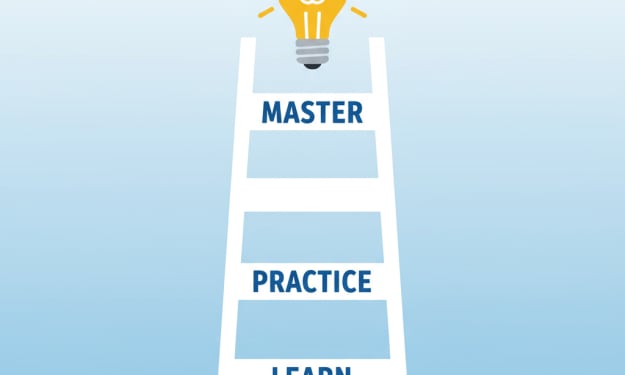
The Architect of Ability
In a world that never stops evolving, the ability to learn and improve new skills is no longer a luxury; it's a necessity. Whether you want to advance your career, pursue a passion, or simply keep your mind sharp, the process of skill improvement is a journey that follows a reliable map. It’s not about innate talent, but about strategy, consistency, and a mindset geared for growth.
By KAMRAN AHMAD4 months ago in Education
The Lawyer and the Teacher
When Wisdom Meets Trickery There’s an old tale — the kind that slips through time like a whispered joke between generations. A lawyer once sold his well to a teacher. A simple transaction, signed and sealed. But two days later, the lawyer came back with a grin that could slice through glass.
By Omasanjuwa Ogharandukun4 months ago in Education
Wired for Love: The Biology Behind Deep Human Connection
Wired for Love: The Biology Behind Deep Human Connection Exploring the Science of How Our Bodies and Brains Build Lasting, Positive Bonds When Maya met Elias, there was no thunderclap or cinematic swell of music — just a quiet comfort, as if her nervous system recognized something before her mind could catch up. Their first conversation wasn’t remarkable on paper — a shared laugh over mismatched coffee orders, a few words about the weather, and an easy silence that didn’t demand filling. But inside their bodies, something ancient and profound was already beginning to stir. Unknown to them, oxytocin — often called the “bonding hormone” — was being subtly released with each moment of eye contact and touch. This neurochemical, produced in the hypothalamus, plays a crucial role in human connection. It deepens trust, fosters empathy, and reinforces social bonds. It’s the same hormone that floods a parent’s brain when holding their newborn, and it’s present when we feel safe in someone’s arms. But love isn’t just about a rush of oxytocin. In the weeks that followed, Maya noticed something strange — she slept better after seeing Elias, her heart rate slowed when he called, and she even craved less sugar. Biology had something to say about that too. Falling in love activates the parasympathetic nervous system — the “rest and digest” mode — which explains the calm many feel in the presence of someone they trust. At the same time, dopamine pathways — the same ones triggered by chocolate or music — light up in the brain’s reward center, making time together feel euphoric and addictive. Yet what made their connection special wasn’t just chemistry. It was biology in harmony with intention. They learned each other’s nervous systems, often without realizing it. Maya’s anxiety melted when Elias spoke gently and held her hand — touch that lowered her cortisol levels, the body’s primary stress hormone. Elias, whose childhood had left him wary of closeness, found his heart rate syncing with hers during quiet moments — a phenomenon researchers call physiological synchrony, where couples in healthy relationships actually mirror each other’s breathing and heartbeat patterns. Their love, it turned out, wasn’t just in their hearts. It was in their brains, their skin, their bloodstream. It was cellular. But deep connection isn’t sustained by initial chemistry alone. Real love — lasting love — requires consistency, presence, and a willingness to co-regulate. Co-regulation is a concept from neuroscience and psychology that refers to the way two people can help stabilize each other’s emotional states. When Elias had bad days at work, Maya didn’t try to fix it — she just sat with him, her presence grounding. When Maya spiraled into self-doubt, Elias reminded her of her strength, not with words alone, but with a steady presence that told her: “I’m here. You’re safe.” These weren’t grand gestures. They were small, biological acts of love. Over time, their brains adapted. Neural pathways formed and strengthened — literally rewiring how they responded to stress, to joy, to each other. Functional MRI studies have shown that couples in long-term, loving relationships have increased activity in the brain’s empathy and attachment centers. That kind of connection isn’t just emotional; it’s anatomical. They learned to pause during arguments, to breathe deeply — activating the vagus nerve, which regulates heart rate and emotional control. They built rituals that nurtured their bond: morning coffee hand-in-hand, evening walks, small acts of touch and praise that kept their nervous systems attuned and responsive. Love, science tells us, is not a static emotion. It’s a biological process — dynamic, adaptable, and deeply intertwined with our health and well-being. When Maya got sick one winter, Elias sat by her bed, her hand in his. Just that touch was enough to ease her pain — studies confirm that loving touch from a partner can reduce physical discomfort by signaling safety to the brain. They weren’t perfect. No couple is. But the foundation they built wasn’t just emotional — it was cellular, neurological, hormonal. It was biology in service of connection. Years later, they still held hands the same way. Not out of habit, but because their bodies remembered what their minds might forget in hard moments — that love, real love, isn’t a mystery. It’s measurable. It’s made. It’s maintained. And it’s wired deep within us.
By Muhammad Saad 4 months ago in Education
The Fundamentals of Corrosion
Corrosion is the spontaneous tendency of metals to revert to lower-energy, oxidized states. This tendency provides the thermodynamic driving force for corrosion; whether corrosion actually proceeds—and how fast—depends on kinetics and environment. Engineers need a firm grip on both to select materials, design protection, and predict service life.
By Sayed Zewayed5 months ago in Education