
What is the impact of childhood trauma on adult mental health illness?
impact of childhood trauma on adult mental health
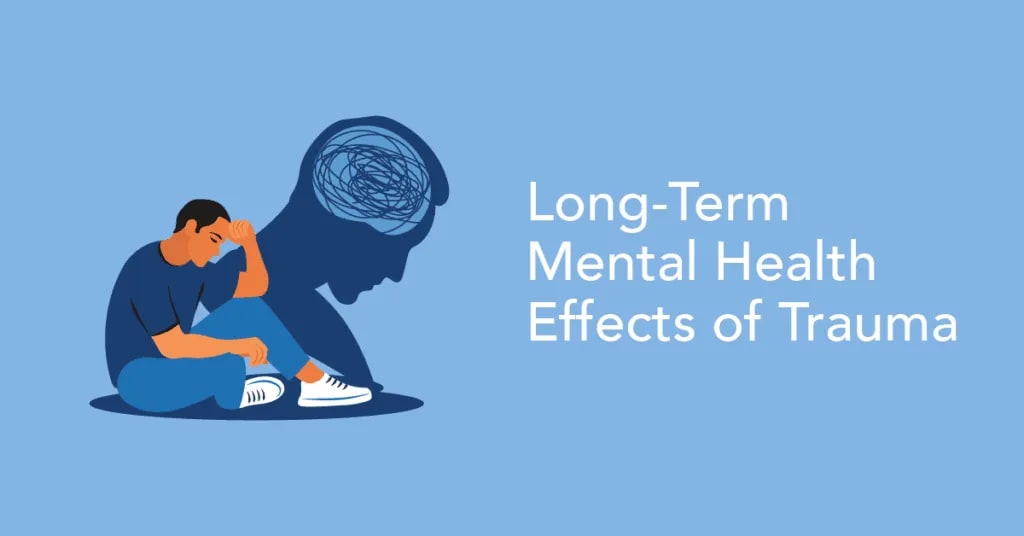
Childhood is a season of development, exploration, and vulnerability. Formative years are when the mind and body are most vulnerable to experience—negative or positive. If a child witnesses traumatic experiences—abuse, neglect, domestic violence, loss of parent—a child's life can be irrevocably formed by it. In the long run, unresolved childhood trauma tends to lead to the formation of adult mental health disorders by impacting how people view themselves, relate to others, and react to stress.
Knowing the causes of emotional suffering is not blame, but creating space for healing, understanding, and recovery. When we understand the causes of emotional pain, we are more equipped to treat those with its residue and empower them to heal and take back control of their lives.
What Is Childhood Trauma?
Childhood trauma refers to events that surpass a child's coping ability, making him feel powerless, insecure, or not loved. These may be:
Acute trauma: single event, e.g., accident, natural disaster.
Chronic trauma: repeated and prolonged exposure to injurious conditions, e.g., prolonged abuse or neglect by parents.
Complex trauma: culmination of cumulative traumatic experiences, e.g., child sexual abuse by a person who is meant to care for him.
Some of the most common causes of childhood trauma include:
Physical, emotional, or sexual abuse
Domestic violence within the home
Parental drug abuse or mental illness
Emotional abandonment or neglect by parents
Peer bullying or rejection
Death of a parent by death, incarceration, or loss
Even those experiences that may appear to an outsider as "not so bad" can be profoundly damaging to a child, especially if the child does not have a stable or supportive environment in which to process the event.
How Trauma Affects the Developing Brain
Children's brains are developing. Trauma during these vulnerable periods can alter the brain's structure and function, particularly in such areas as:
The amygdala, which processes fear and emotional memory
The hippocampus, which processes learning and memory
The prefrontal cortex, which processes decision-making and impulse control
These changes can result in enhanced stress sensitivity, impaired affect regulation, and difficulty with concentration and memory. In essence, the child's brain is reorganized for survival rather than growth, and it leaves lasting emotional and behavioral consequences.
Adult Mental Health Disorders Related to Childhood Trauma
1. Depression
Adults who experienced early trauma are at hugely heightened risk for major depressive disorder. The lingering feelings of helplessness, shame, and self-blame from childhood characteristically operate to drive:
Chronic sadness
Guilt or worthlessness
Emotional numbness
Loss of interest in life
Such symptoms may occur years after the traumatic event and are often incomprehensible to others who lack the patient's background.
2. Anxiety Disorders
Children who have experienced trauma grow up to be hyper-vigilant adults. This can manifest itself as:
Generalized Anxiety Disorder (GAD): persistent worry and tension
Panic disorder: sudden, intense episodes of fear
Social anxiety: intense fear of judgment or rejection
The world may appear unpredictable or threatening, and the assumption tints all relationships.
3. Post-Traumatic Stress Disorder (PTSD)
Traumatic childhood experience is found in the majority of adults with PTSD, which is referred to as:
Flashbacks and nightmares
Emotional reactivity
Avoiding reminders of the trauma
Being detached from reality
In the case of complex PTSD, the individuals may also have identity issues, relationship issues, and emotional dysregulation.
4. Personality Disorders
Childhood trauma may result in the development of borderline personality disorder (BPD) and avoidant personality disorder. They may exhibit:
Extreme fear of being abandoned
Unstable relationships
Mood instability and impulsivity
Constant feelings of emptiness
They are not defects of personality, but coping mechanisms to the unstable or threatening early environments.
5. Substance Use Disorders
The majority of trauma survivors utilize alcohol or drugs to numb pain emotionally, which results in addiction and co-occurring disorders. Alcohol or drug consumption hides symptoms in the short term but contributes to suffering in the long term.
6. Eating Disorders
Disordered eating patterns emerge in certain survivors as control or self-punishment. Anorexia, bulimia, and binge eating disorder may be linked with a history of abuse, body shame, or emotional neglect.
Trauma and Attachment
Trauma doesn't just impact the mind—it disturbs how individuals create attachments. If a caregiver, the person who is meant to provide love and safety, is now a source of fear or inconsistency, the child may become an adult who:
Is afraid of intimacy and closeness
Evades emotional vulnerability
Hangs on to relationships out of fear of abandonment
Has difficulty with trust and boundaries
These attachment styles run deeply and affect romantic, family, and workplace relationships throughout life.
Recognizing Symptoms of Unresolved Childhood Trauma in Adults
Adults with unresolved trauma may demonstrate:
Intrusive relationship conflict
Emotional numbness or shutdowns
People-pleasing or perfectionism
Difficulty communicating needs or setting boundaries
Chronic guilt or shame
Dissociation or memory loss
Somatic symptoms (e.g., headaches, fatigue, gastrointestinal upset)
These behaviors are nearly all survival mechanisms, not intentional dysfunctions.
Healing from Childhood Trauma: Is Recovery Possible?
Yes—recovery is not only possible, it's deeply transmutative. The journey from surviving trauma to thriving adulthood requires:
Acknowledgment: Recognizing that your experiences were real and impactful.
Self-compassion: Letting go of self-blame and shame.
Supportive relationships: Finding safe, nonjudgmental people who can walk alongside you.
Therapeutic intervention: Working with trained professionals to explore and reprocess trauma.
Types of Therapy That Help
Trauma-Focused Cognitive Behavioral Therapy (TF-CBT): Helps reframe negative beliefs and develop healthier thought patterns.
Eye Movement Desensitization and Reprocessing (EMDR): Uses guided eye movements to reprocess traumatic memories.
Internal Family Systems (IFS): Aims to balance inner "parts" of the self that have been developed by trauma, getting them working together.
Somatic Experiencing: Focuses on body awareness and regulation of the nervous system.
Group therapy: Offers collective validation and reduces isolation.
The path is individualized for everyone. What matters is finding a method that speaks to your experiences and goals.
Practical Steps for Survivors
Writing down your memories, feelings, and triggers can bring insight and release.
Mindfulness and grounding strategies soothe the nervous system.
Creative activities such as music, art, or dance provide a means for nonverbal expression of pain.
Learning about trauma can be empowering and help end cycles of shame.
Most importantly, healing is not straightforward. Backsliding is a part of healing, and each little advancement counts.
How Loved Ones Can Assist
Helping an individual with childhood trauma involves:
Patience: Rebuilding takes time.
Listening without attempts to fix
Validation: "I believe you," "It wasn't your fault"
Consistency and reliability
Not judging or offering unwanted advice
Loved ones can't heal the survivor, but they can walk with them and shed light on dark days.
Breaking the Cycle for Future Generations
It's a natural fear among adult survivors of child trauma to repeat unhealthy patterns. Here's the good news: knowledge is power. By:
Learning healthy coping mechanisms
Seeking therapy
Practicing conscious parenting
Teaching emotional intelligence
.you can create a safer, more loving environment for yourself and your children.
Final Reflections
Trauma during childhood is not a life sentence. It recrafts us—but not defines us. The scars may never completely disappear, but they can be badges of survival and sources of resilience. With care, compassion, and professional guidance, people can untangle the pain of the past and write a new story—one constructed upon self-worth, safety, and empowerment.
If you or someone you know is struggling with the long-term effects of childhood trauma, you are not alone—and you can get better.
For expert advice on adult mental health and childhood trauma, phone:
https://www.delhimindclinic.com/
https://www.craftcmsdeveloper.in/
Feel free to get in touch if you'd like to alter your Craft site or simply want to chat about your Craft project. I'd be pleased to offer a no-obligation consultation!
About the Creator
Keep reading
More stories from Naveen Garg and writers in Education and other communities.
How is chronic stress connected to mental health disorders?
Stress is so much a part of our current high-speed existence that it is hard to imagine how to avoid it. For short durations, stress is not merely beneficial—it gives us focus or boosts performance—but after that, stress is detrimental. As soon as stress becomes chronic, it no longer simply feels claustrophobic; it can be highly detrimental to mental health.
By Naveen Garg7 months ago in Education
Hard Hats Over Diplomas
The traditional path toward professional success formerly followed a singular trajectory through a four-year university. Generations accepted the mounting debt and the promise of a white-collar desk as the only legitimate marks of achievement.
By Angela Ashabout an hour ago in Education



Comments
There are no comments for this story
Be the first to respond and start the conversation.