
Ketogenic Dieting
Might Be Just Right For You.
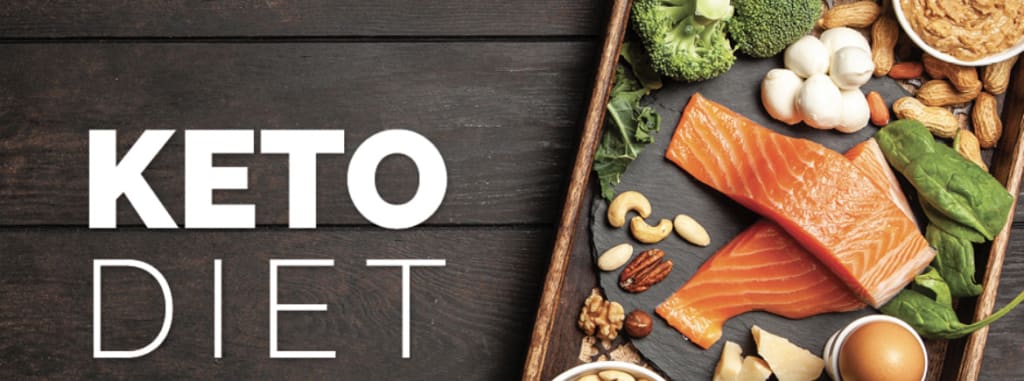
The ketogenic diet, also known as the keto diet, is a high-fat, low-carbohydrate diet that has gained popularity in recent years as a weight loss and health improvement strategy. It is based on the principle of reducing carbohydrate consumption to encourage the body to enter a metabolic state called ketosis, where it burns fat for energy instead of glucose.
The basic principle of the keto diet is to reduce the consumption of carbohydrates to below 50 grams per day while increasing the intake of healthy fats. This shift in macronutrient intake forces the body to enter a state of ketosis where it burns fat for fuel instead of carbohydrates. By doing so, the body can access stored fat as an energy source, leading to weight loss.
One of the most attractive aspects of the keto diet is its potential health benefits beyond weight loss. The diet has been shown to improve blood sugar control and lower the risk of heart disease, certain types of cancer, and neurological disorders like epilepsy and Alzheimer's. It is also thought to improve insulin sensitivity and reduce inflammation, both of which are risk factors for a number of chronic diseases.
However, it is important to note that the keto diet is not for everyone and should be approached with caution, especially for people with certain health conditions. The high fat content of the diet can increase cholesterol levels, which can be a risk factor for heart disease. Additionally, the drastic reduction in carbohydrate intake can lead to side effects such as fatigue, constipation, and bad breath, especially during the initial stages of the diet.
It is also crucial to ensure that the fats consumed on the keto diet are healthy fats such as olive oil, avocados, and nuts, as opposed to unhealthy fats found in processed foods. Additionally, the high fat content of the diet can lead to an excessive calorie intake, which can result in weight gain if not properly monitored.
One common misconception about the keto diet is that it allows for unlimited amounts of fat and protein. While these macronutrients are emphasized on the diet, it is important to keep the overall calorie intake in check to avoid unwanted weight gain. Additionally, it is recommended to consume moderate amounts of protein as consuming excessive amounts of protein can also prevent ketosis.
The keto diet can also be difficult to stick to, as it requires a drastic shift in eating habits and restricts many foods that are commonly consumed, such as bread, pasta, and sugar. This can make meal planning and preparation challenging, and the restriction of certain foods can lead to feelings of deprivation and difficulty sticking to the diet long-term.
In conclusion, the ketogenic diet can be an effective tool for weight loss and improving health, but it is not without its challenges and risks. It is important to approach the diet with caution, especially for people with certain health conditions, and to seek guidance from a healthcare professional before starting. Additionally, it is crucial to ensure that the diet is balanced and includes a variety of healthy foods to avoid nutrient deficiencies. The keto diet may not be for everyone, and it is essential to find a diet that works for each individual and their specific health needs and goals. You don’t want to miss out on this great diet, don’t hesistate to try it if you haven’t already. This may be just the right diet you have been scrolling through the internet for!
About the Creator
Keep reading
More stories from writers in Families and other communities.
Boundless
A geographical map could take you there. To the places I've been, to the sights I've seen, to the landscapes I've climbed. But no compass could point you in the direction of my memories. To the experiences I've lived, to the happiness I've felt, to the wonder I've held so close to my heart.
By Alyssa Mussoabout 8 hours ago in Writers




Comments
There are no comments for this story
Be the first to respond and start the conversation.