
Dali, Yunnan – A Renowned City for Chinese Cuisine
A Vibrant Food City

Dali, located in the southwest of China, is primarily inhabited by the Bai ethnic group, who are known for their love of dance. The locals are extremely hospitable—one moment, you might be savoring a delicious dish, and the next, you could be invited to dance together. It’s not just a few people; it could be a whole group gathered around a fire, holding hands and performing a traditional Bai ethnic dance. No matter where you're from in the world, once you're in Dali, you'll quickly become a friend of the Dali people.
The food in Dali has a notable characteristic: it’s never overwhelming or greasy. Dali’s cuisine is deeply rooted in Bai culture and the natural blessings of Cangshan Mountain and Erhai Lake. The dishes are characterized by their "sour, spicy, fresh, and aromatic" flavors, with ingredients that remain true to their roots. From street vendors to formal banquets, every dish carries the essence of Dali’s "wind, flowers, snow, and moon"—a poetic way of describing the city's beauty and spirit.
Let’s dive into Dali’s "banquet dishes," and I’ll particularly recommend Dali’s Sour and Spicy Fish, Dali's Stone Pot Fish, and Nuo Deng Ham. I’ll walk you through how these dishes are prepared.
Dali Sour and Spicy Fish
Dali’s Sour and Spicy Fish is a core representative of Bai cuisine and a must-try dish when visiting Dali. This dish uses fresh fish from Erhai Lake as its base, with sour papaya for flavor, and fermented chili paste to enhance the aroma. The result is a soup that is "perfectly sour, delightfully spicy, and fresh in flavor," every bite capturing the essence of the natural surroundings of Cangshan Mountain and Erhai Lake, combined with the wisdom of Bai culinary traditions.
To make the authentic Dali Sour and Spicy Fish, fresh fish from Erhai Lake is a must—small fish like carp are preferred because of their tender, delicate flesh. The fish is freshly caught and killed to ensure its tenderness. The dish uses locally grown sour papayas, sliced to add a refreshing fruit acidity that neutralizes any fishy taste and brings out the fish's natural sweetness. The dish also includes fresh small chili peppers, made into a fermented paste with glutinous rice flour and salt, which adds a mild, sweet, and aromatic spiciness—not the sharp, overpowering heat of industrial chili peppers, but a gentler, layered flavor that perfectly complements the sour papaya.
The process begins by heating oil in a hot pan with ginger slices, garlic cloves, cardamom, and star anise to release their fragrance. The fermented chili paste is then added to the oil, followed by the sour papaya slices, which are sautéed to release their fruity aroma. Next, water is added, and the broth is brought to a boil. The fish is added, then simmered for 15-20 minutes, allowing the fish to absorb the sour and spicy broth. Vegetables such as tofu, potato slices, and bean sprouts are added and simmered for another 5-10 minutes, before the dish is seasoned with salt and a little sugar, and garnished with green onions and cilantro.
When the dish is served, the fish is so tender it practically melts in your mouth, and the vegetables have soaked up all the savory broth. The tofu is soft, the potatoes are smooth, and the bean sprouts are crisp. It's a rich, multi-layered dish that will leave you craving more. However, if you're in Dali, don’t just pick any restaurant—ask the locals for recommendations to ensure you find the best place that matches your taste.
Dali Stone Pot Fish
Another popular fish dish in Dali is Stone Pot Fish, which is made with fish from Erhai Lake. Dali’s unique geographical conditions—high elevation and abundant freshwater sources—mean the region is rich in freshwater fish. This dish uses local fish, like black fish, and cooks it in a stone pot for an authentic taste.
The key to making Dali Stone Pot Fish is the use of a stone pot (not an iron pot). Fresh black fish from Erhai Lake is cleaned and sliced thin, then marinated with a little salt, rice wine, and ginger slices for 10 minutes to remove any fishy odor. The stone pot is preheated by placing it over a charcoal fire or electric stove until it is slightly red, ensuring that it can cook the fish quickly and evenly.
To begin, the stone pot is lightly oiled and filled with ginger slices, garlic cloves, onions, and a small amount of mushrooms to create a fragrant base. The marinated fish slices are arranged in the pot and covered with a lid to cook for 3-5 minutes until the fish turns white and slightly curls. Then, a pre-made broth is poured into the pot, followed by vegetables such as tofu, potatoes, mushrooms, and seaweed. The pot is simmered for another 5-8 minutes, allowing the vegetables to absorb the fish flavors. Finally, the dish is seasoned with a little salt, white pepper, and garnished with green onions, cilantro, and local dairy product "ru shan" (a type of local cheese).
When you take the first bite, you’ll experience the delicate, tender fish, hearty mushrooms, soft tofu, and crispy seaweed. The vegetables are infused with the rich fish broth, making them even more flavorful. The broth is fresh and light, leaving a clean, refreshing aftertaste. Remember, if you’re ordering Stone Pot Fish, make sure it’s cooked in a stone pot for the most authentic experience.
Bai Ethnic Three-Times Tea
The Bai Three-Times Tea is not a food, but a drink, and it represents the highest level of hospitality in Dali. This tea ceremony is symbolic of the journey of life—“one bitter, two sweet, and three aftertastes”—and each step has its own meaning.
The first tea is "bitter tea": The tea leaves are roasted in a clay pot until they release a smoky aroma, then boiled to create a bitter yet fragrant drink, symbolizing the struggles of life’s beginning.
The second tea is "sweet tea": This tea is infused with local milk, walnuts, and brown sugar, creating a sweet, soothing taste that symbolizes the sweetness after enduring hardships.
The third tea is "aftertaste tea": Honey, Sichuan peppercorns, and ginger slices are added to the tea, giving it a sweet, numbing, and lingering flavor, symbolizing the reflection and maturation of life.
You can visit a Three-Times Tea performance venue in Dali for around $7, where you’ll experience this traditional ceremony and taste the different teas.
Cold Chicken Rice Noodles
If you visit Dali in the summer, you can’t leave without trying Cold Chicken Rice Noodles. This dish is a representative of “Yunnan-style rice noodles” and is loved by locals. The chewy rice noodles are paired with tender chicken, and topped with a tangy, spicy broth made from sour papaya, vinegar, chili, and cilantro. After mixing everything together, the flavor is refreshing, with a perfect balance of sourness and spiciness. Adding a spoonful of chili oil makes the dish even more enjoyable. Locals highly recommend the “Zai Hui Shou Cold Chicken Rice Noodles” in Dali Ancient Town, a place where even locals get hooked on this dish.
Grilled Dairy Fan (Ru Shan)
For dessert lovers, be sure to try Grilled Dairy Fan (Ru Shan), a unique Yunnan treat made from fresh milk that is fermented to create a wafer-thin "dairy fan." It’s grilled over charcoal until it curls slightly and then brushed with rose syrup (the classic version). The result is a crispy exterior with a soft, chewy center, blending the fragrant aroma of milk and flowers. It’s sweet but not overly so, and the fresh grilled taste is the best when eaten right off the grill.
The True Taste of Dali
When in Dali, make sure to eat like the locals: hold a piece of Grilled Dairy Fan in one hand and a bowl of Sour and Spicy Fish in the other, sitting by Erhai Lake, watching the clouds roll over Cangshan Mountain. That is the true taste of Dali!
About the Creator
The Last Feast
A Dinner That Changed Everything The aroma of roasted meat and spiced vegetables filled the grand dining hall, wrapping everyone inside in a warm, almost dizzying embrace. Candles flickered across the long oak table, casting shadows that danced on the walls like silent spectators. This was the night of the annual family feast, a tradition that had lasted generations. Each year, relatives traveled from distant towns to gather under one roof, sharing stories, laughter, and meals prepared with care. But this year, something felt different.
By Sudais Zakwan2 days ago in Feast
My Review of the 2026 Starbucks Winter Menu
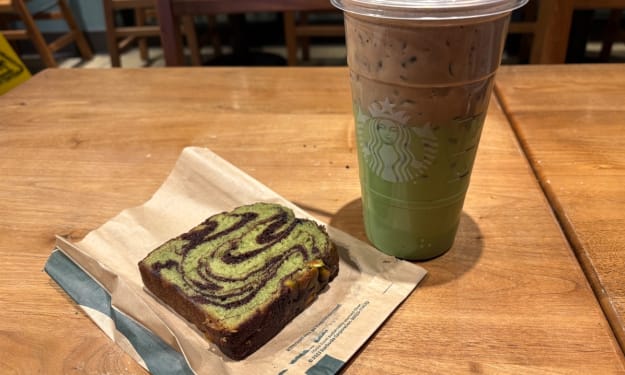
In early 2026, Starbucks unveiled new additions to their menu: exclusive matcha blends, a selection of pastries and limited-edition Dubai chocolate drinks. With blends that emphasized matcha, pistachio, chocolate and yuzu citrus, it was pretty clear to me that Starbucks was taking inspiration from trending flavors. In any case, as a matcha lover, I had to try the new offerings--and the pastries seemed like the perfect accompaniment.
By Kaitlin Shanks7 days ago in Feast



Comments
There are no comments for this story
Be the first to respond and start the conversation.