
Homemade Baby Food vs. Store-Bought Baby Food
Little Spoon
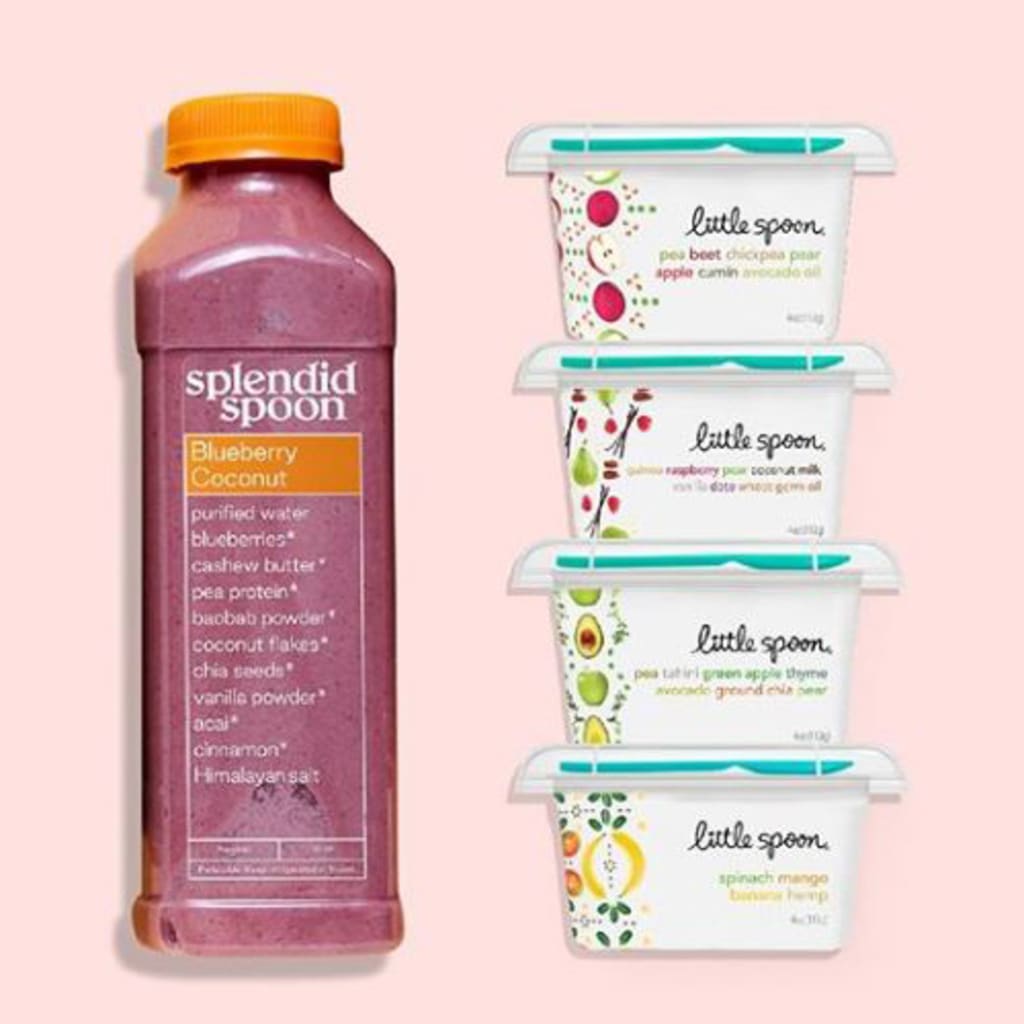
As parents, we often put ourselves under a lot of pressure because we want to give our children the best start possible. Feeding your child a well-balanced diet is one way to ensure a great start, and it’s with this in mind that so many parents prefer making their own baby food. But is homemade baby food really better than store-bought baby food? What advantages and disadvantages are to be expected? How do busy parents who don’t have time to prepare homemade baby food ensure their children eat healthy? Read on to learn more!
Homemade Baby Food – Advantages and Disadvantages:
Homemade baby food is definitely cheaper than store-bought baby food. Baby food from reputable brands like Gerber costs around 0.50 cents per ounce—you can buy a pound of carrots for the same price at your local supermarket. Parents also get to control the ingredients and flavors that go into the food. Since it’s prepared fresh, homemade baby food is free from preservatives and other additives. You don’t have to worry about your child suffering an allergic reaction either. Thanks to the ever-increasing number of YouTube videos that have to do with preparing homemade baby food, there’s no limit to what you can feed your child. Whether it be broccoli, kiwi, avocado, or zucchini, you can puree any fruit or veggie. Parents also get to control consistency, which means they decide whether the food served is smooth or chunky.
But preparing homemade baby food is a time-consuming process. Choosing the right vegetables, then peeling, cutting, smashing, steaming, and pureeing them all takes a lot of time. Even when you prepare homemade baby food in bulk once a week, doing so could take anywhere from two to three hours—and it’s likely you don’t have that kind of time if there’s a toddler running around the house. Finding organic fruits and vegetables can also be challenging depending on where you live. Another problem with homemade baby food is that it often falls short on variety; in fact, a recent study comparing homemade baby food with store-bought baby food found that homemade baby food generally includes two veggies per meal, whereas store-bought baby food generally contains three or more ingredients.
Store-Bought Baby Food – Advantages and Disadvantages
Store-bought baby food is perfect for families that have two working parents. It’s also good for parents who have more than one child. The FDA regulates the baby food industry rather strictly, which means store-bought baby food has to meet rigid guidelines. Store-bought baby food does not require refrigeration unless opened.
While there are many advantages associated with store-bought baby food, there are many disadvantages as well. For one, parents cannot control the ingredients that go into the baby food they buy. This means they have to read labels very carefully to look for added sugar and other preservatives. Food pouches are the worst, especially when they claim to be organic. There are several reports which suggest food pouches help develop bad snacking habits that sometimes last a lifetime. Food pouches can also negatively impact a child’s oral hygiene. Lastly, store-bought baby food is often subject to high temperatures so that any bacteria existing in it is killed, but this depletes the baby food of several heat-sensitive nutrients.
The Middle Path – The Little Spoon Solution
Little Spoon was started with a simple belief: your child’s food shouldn’t be older than they are! We consistently make conscious efforts to separate our products from the hundreds of jarred baby foods you’ll find in the aisles at your local supermarket.
1. We only use organic-certified and non-GMO fruits and veggies that are grown locally.
2. Our meals are planned by an in-house team that includes pediatricians, certified nutritionists, food experts, and moms. The nutritional value of the organic baby food is carefully indicated on every jar, which means you’ll always know what you’re serving your baby.
3. Unlike store-bought jars and pouches, our baby food is made using high-pressure processing, a preparation method that helps preserve and sterilize food without compromising its nutritional value.
4. We do not add preservatives, additives, or other ingredients you won’t recognize.
5. We use more than 80 ingredients. A typical meal includes at least two veggies or fruits, and every meal contains other healthy ingredients like chia seeds, spirulina, lentils, and spices. Variety helps expand your baby’s palette. If you don’t want your child to be a picky eater, give them variety early on.
About the Creator
Keep reading
More stories from writers in Feast and other communities.
14 Mind-Blowing Food Hacks You’ve Been Doing Wrong Your Whole Life
We all love food, but what if I told you that some of the foods you eat every day might not be eaten the smartest way possible? From tacos to cake, there are little-known hacks that can make your meals cleaner, faster, and way more enjoyable. Let’s dive into some genius food tricks that will seriously change the way you eat.
By Areeba Umair3 days ago in Feast



Comments
There are no comments for this story
Be the first to respond and start the conversation.