fact or fiction
Is it a fact or is it merely fiction? Fact or Fiction explores the lesser known truths in the food universe.
Unique Pizza Hut Menu Items From Around The World
Pizza Hut is one of the most successful and recognizable pizza chains in the United States. With over 19,000 locations worldwide, it's pretty safe to say that almost everyone on the planet has at least heard of Pizza Hut. But did you know each country has their own unique Pizza Hut menu?
By Jenika Enochabout a year ago in Feast
Dates and Pomegranates: Nature’s Power Duo
Have you ever wondered why some fruits are considered ancient treasures and still remain staples in modern diets? Dates and pomegranates are two such gems. Known for their rich history, cultural significance, and incredible health benefits, these fruits are as popular today as they were thousands of years ago. From their unique flavors to their unparalleled nutrition, dates and pomegranates are truly nature’s gift to humanity.
By miloud ferhiabout a year ago in Feast
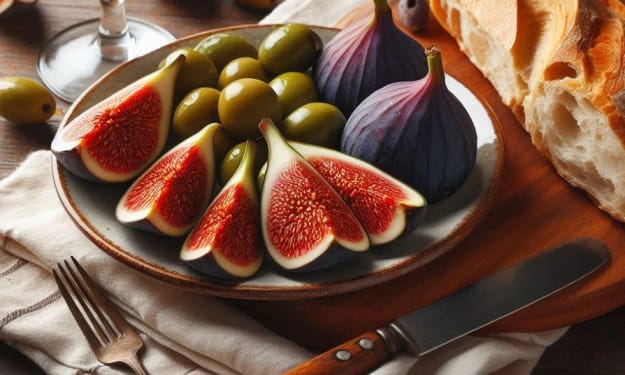
Why Are Figs and Olives So Popular Across Cultures?
Have you ever wondered how two small fruits—figs and olives—became staples in global cuisine and symbols of health and prosperity? Their story spans thousands of years, weaving through history, culture, and science. Dive in to discover why these humble fruits have captured the hearts of civilizations for centuries.
By miloud ferhiabout a year ago in Feast
Best Air Fryer To Buy Right Now
Air Fryers have quickly become a kitchen essential for many households, offering a healthier and more convenient way to prepare a variety of dishes. By using hot air circulation, these appliances can achieve crispy, delicious results with significantly less oil than traditional frying methods. Whether you're looking to make quick snacks, hearty meals, or even desserts, an air fryer can be a game-changer in your culinary routine.
By Homewithleoabout a year ago in Feast
Valley Fever: Is This the ‘Flu’ That Won’t Leave
What Is Valley Fever? Valley fever is a respiratory disease that results after inhaling spores of the Coccidioides fungus. These spores live in the soil of semi-arid regions, especially in portions of California, Arizona, Nevada, Utah and New Mexico. Disturb the soil, and spores can become airborne, posing a risk to those nearby.
By Anoop Kumar Singhabout a year ago in Feast
Why Deep-Sea Creatures Look Ugly: The Science Behind Their Strange Features
It is an unknown world thousands of meters below the surface of the oceans, and creatures there live that are grotesque and horrific to the human mind. Grotesque forms sometimes form the basis for simultaneous fascination and horror. Do you ever wonder why such creatures are "ugly" by conventional standards? Behind this fascinating play of evolutionary adaptation, environmental pressures, and survival strategies lie many reasons.
By soman Goswamiabout a year ago in Feast
Pork Power: Unlocking the Nutritional Secrets of This Delicious Meat
Unlocking the Power Plate: Unveiling the Surprising Health Benefits of Pork Did you know that pork is one of the most widely consumed meats in the world? According to the Food and Agriculture Organization (FAO), over 36% of the meat consumed globally is pork. Despite its popularity, many hold misconceptions about its health benefits. This article aims to clarify these myths and highlight the various nutritional advantages pork has to offer.
By Story silver book about a year ago in Feast
PB&J
PB&J, an acronym for peanut butter and jelly, is a simple snack or lunch popular in Canada and the United States. With a wide range of bread styles that can be used for the sandwich, plus the many different types of jams and jellies that can be used, there’s a flavor for almost everyone. A quick sandwich that moms can make for their kids’ lunches or that dads can make for a midnight snack, supplementing their diets. It seems like this sandwich has been around forever for those of us who can and do eat them. But how long has it been around?
By Mother Combsabout a year ago in Feast
History of the Candy Cane
The origin of the candy cane has a long history steeped in tradition and folklore. Legend has it that it was created in Germany by a mid-17th-century choirmaster and the candy spread worldwide. It is often believed that the Germans designed the hook on the candy cane to hang it from the Christmas tree, instead of representing the shepherd’s crook. Peppermint flavoring was not added until the 18th century. It was not until the turn of the 20th century that the red and white stripes were added. The mass production of the candy cane we know today began in the 1920’s. The candy cane has come a long way since it was first designed.
By Mother Combsabout a year ago in Feast