history
Iconic food and gustatory moments in history.
Tea
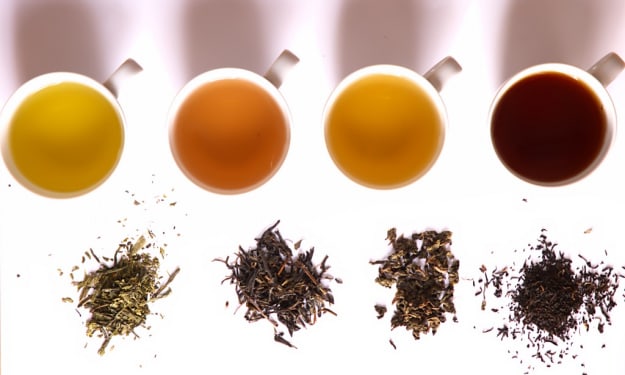
In the world of tea, most people are only informed on Green, Black, Herbal, Matcha, and White tea. It is when you get further into it or even just brush the top of the knowledge that you find out there are more kinds of tea. Oolongs, Roibos, Yellow (which is very rare), Pu’erh, Sencha, blends, and Heichas are all different types of tea. The amazing thing is that they all come from the same type of plant. What makes them different is how they are processed. The only ones that are the exceptions are the herbals and blends, as they rarely have any actual tea leaves in them.
By Rachel Anderson7 years ago in Feast
Foods and Drinks that Came About by Accident. Top Story - May 2019.
It is amazing how many popular foods and drinks are available for consumption today that were created by accident. Little do most people know that many of those items were not invented by deliberate design but by an accident that caught the inventor by surprise.
By Margaret Minnicks7 years ago in Feast
Coffee vs. Chocolate
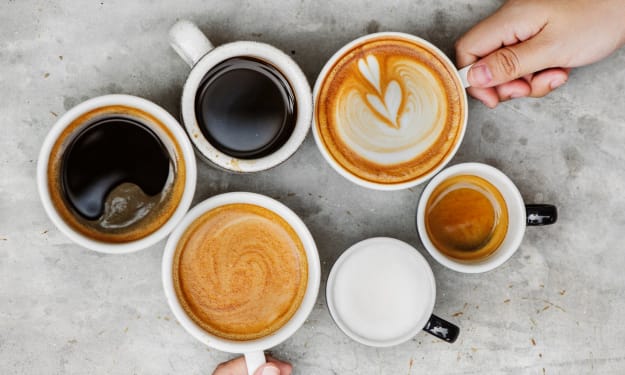
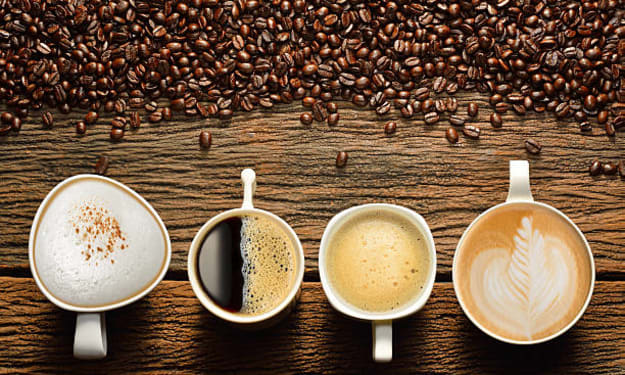
I love coffee almost as much as I love chocolate. Now, I drink about two cups of coffee a day, whereas chocolate is more of holiday thing. I buy chocolate for Valentine's, Easter, Halloween, and Christmas. Then again, when it's on sale after the holidays, too. I know I can't survive without either of my favorite vices for any length of time.
By Verona Jones7 years ago in Feast
True Tea Culture
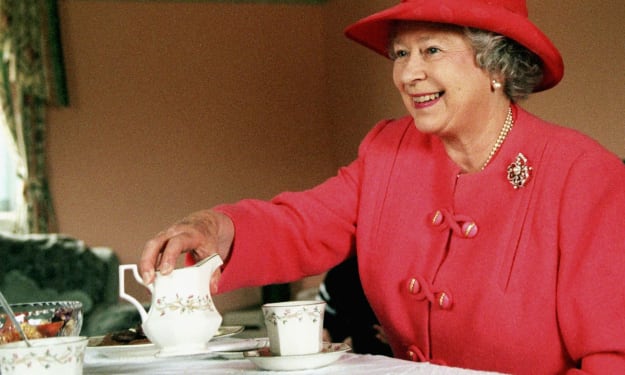
Tea is the most consumed beverage in the world after water. In Britain, it’s a part of our daily lives and has played an essential role in shaping British society as it exists today. That being said, tea is a very personal experience. How do you take your tea? With milk? Sugar? Which one comes first? Some say milk while others say tea. Each cuppa is designed to meet the specifications of the person who’ll be enjoying it. While tea is a staple in our culture and various other cultures around the world, one question remains prominent: Do you prefer bagged tea or loose leaf tea?
By John Romanov7 years ago in Feast
Corn Is Dominating What You Eat
Would you believe me if I told you that you are 80 to 90 percent corn? Probably not, right? While this statement is not entirely true, it is worth clarifying that corn is a component of 80 to 90 percent of the foods we eat—whether it is labelled on the ingredients list or not. This was the main premise of King Corn, a 2007 indie documentary in which two Bostonian college grads learn this astonishing fact and set out for Iowa with the goal of growing their very own acre of corn. Their corn-planting experiment, which made for a very humourous, yet enlightening documentary, revealed how little these two guys from Boston (and likely most of us) know about the foods we eat every day. They also shed light on the extensive eventual destinations of the corn they grew. I’ve explored just a few of these revelations in greater depth: these are some of the many foods we regularly consume—that you may not have considered—containing corn.
By Logan Carmichael8 years ago in Feast
The "Champagnes" of the Food World
Most of us are familiar with Champagne, along with other drinks like Bourbon and Scotch, whose very existence and identity is defined by geographical origins. If your sparkling wine does not come from France’s Champagne region, then it is not Champagne; it is merely sparkling wine. There’s a vast array of alcoholic beverages that are identifiable strictly by their provenance, the importance of their place of origin. But what you might not know is that the food world is very much the same. Much like alcoholic beverages, there are both international and regional legal mechanisms that have been put in place to protect the provenance of various foods. This ranges from cheeses (the kingpin of global food provenance and geography-based protections), to tea, to potatoes, and across all corners of the globe, from Roquefort-sur-Souizon, France, to Yunnan in China, to Idaho in the United States. This list is by no means exhaustive, but rather it is merely a glimpse into the extremely important role that geography and politics play in the foods we eat every day. These are some of the "Champagnes" of the food world.
By Logan Carmichael8 years ago in Feast
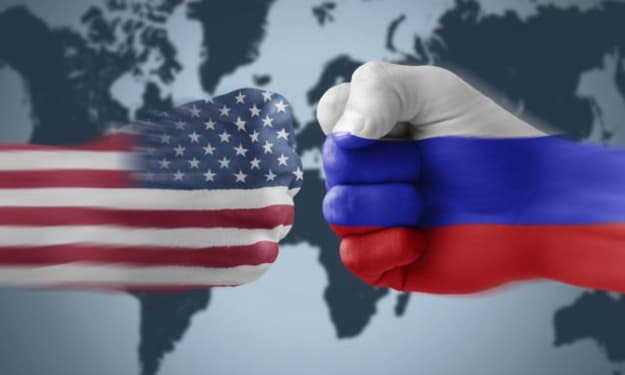
5 Ways the Cold War Shaped Today's Global Food Landscape
Unless you're over the age of 30, you probably haven't lived through, or don't remember, the Cold War, a decades-long ideological battle between the American-led West and Soviet-led East. But regardless of whether you recall the Cold War or not, its legacy lives on in some unexpected ways, including in the way we eat food across this planet. Here are just a few of the ways that the Cold War shaped our foods today.
By Logan Carmichael8 years ago in Feast